
Children & Babywear Manufacturing & Wholesale Guide
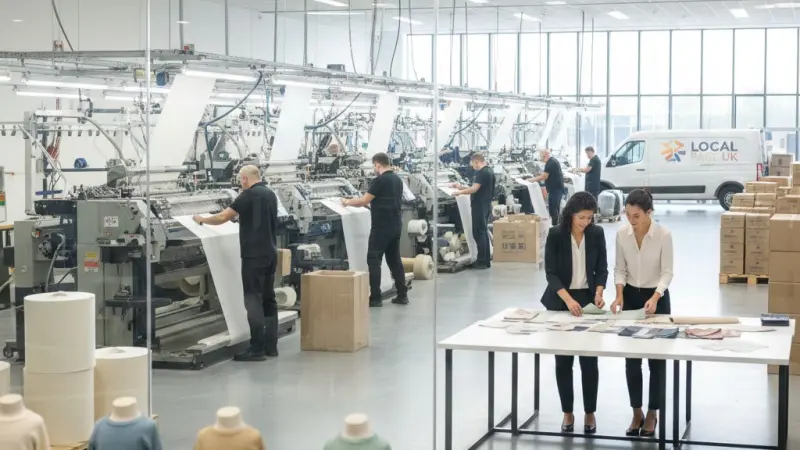
The children’s and babywear manufacturing and wholesale sector in the United Kingdom represents a cornerstone of the nation’s retail economy. This resilient industry, characterized by high demand and constant innovation, caters to one of the most discerning consumer groups: parents and caregivers. Unlike general fashion, the babywear sector is often considered "recession-proof," as parents consistently prioritize the comfort, safety, and aesthetic of their children’s clothing even during periods of economic volatility.

In the UK, the sector is more than just a supply chain; it is an ecosystem of designers, textile manufacturers, and large-scale wholesalers who ensure that the British high street and independent boutiques remain stocked with high-quality garments. From organic cotton onesies for newborns to durable school wear and high-fashion children’s apparel, the breadth of production is immense. Historically, the UK has been a hub for garment manufacturing, and while much of the mass production moved overseas in the late 20th century, there has been a significant "reshoring" movement. Modern parents are increasingly seeking British-made goods, valuing the shorter supply chains, ethical labor practices, and the heritage associated with UK manufacturing.
The economic importance of this sector cannot be overstated. It supports thousands of jobs across design, logistics, sales, and technical manufacturing. Furthermore, the wholesale segment acts as a vital bridge, allowing small retailers to access diverse inventory without the need to manage complex international shipping or manufacturing processes themselves. As we delve into this guide, we will explore how businesses can navigate this competitive landscape, the importance of digital visibility through an uk online business directory, and the technical shifts defining the future of children's fashion.
The Landscape of Children & Babywear – Mnfrs & Wholesalers in the UK
The current landscape of the UK’s children’s and babywear industry is a fascinating blend of traditional heritage and digital-first agility. Post-pandemic, the market has undergone a structural shift. While physical retail faced challenges, the demand for high-quality manufacturing remained steady, bolstered by a surge in e-commerce. Current market data suggests that the UK children’s clothing market is valued at several billion pounds, with a projected compound annual growth rate that outpaces many adult fashion segments.
Key regions of activity remain concentrated in historical textile hubs and logistical centers. The Midlands, particularly Leicestershire, continues to be a vital node for garment manufacturing, while London serves as the primary hub for high-end design and international wholesale showrooms. Manchester and the North West also play a significant role, leveraging their industrial heritage to support modern distribution networks.
The evolution post-pandemic has seen a move toward "slow fashion." Wholesalers are no longer just shifting volume; they are curating collections that emphasize longevity and sustainability. The rise of the "micro-influencer" parent has also forced manufacturers to be more reactive to trends, moving from long-lead production cycles to more flexible, "just-in-time" manufacturing models. For any business operating in this space, maintaining a presence on a uk business directory is essential to connect with the growing number of independent retailers looking for local partners.
Furthermore, Brexit has introduced new complexities regarding textile imports and exports. This has inadvertently strengthened the position of UK-based manufacturers who can offer "Made in Britain" credentials, bypassing many of the administrative hurdles associated with cross-border trade. This shift has revitalized interest in local sourcing, making it easier for boutiques to find local businesses uk that can provide quick restocks and smaller minimum order quantities (MOQs).
Comprehensive Services Breakdown
The services provided by manufacturers and wholesalers in this niche are diverse, ranging from initial concept design to final logistics. Understanding these services is crucial for retailers looking to build a robust supply chain.
1. Product Design and Prototyping
Modern manufacturers offer end-to-end design services. This includes pattern cutting, grading (ensuring designs work across different age groups), and prototyping. For babywear, this stage is critical for safety testing—ensuring that buttons are secure and fabrics are non-irritant.
2. Private Label and White Label Manufacturing
Many wholesalers provide white-label products that retailers can brand as their own. This is a cost-effective way for new entrants to launch a brand without the overheads of custom manufacturing. Conversely, private label services allow for bespoke designs unique to a specific retailer.
3. Ethical and Organic Production
There is a massive surge in demand for GOTS (Global Organic Textile Standard) certified manufacturing. Manufacturers in the UK are increasingly specializing in organic cotton, bamboo fibers, and recycled polyesters, catering to the eco-conscious consumer.
4. Bulk Wholesale and Distribution
Wholesalers manage the heavy lifting of inventory. They purchase in massive volumes and break these down into manageable "packs" for small businesses.
A business listing uk on a reputable platform helps these wholesalers reach a wider audience of retailers who need these specific distribution services.
5. Specialist Niche Production
This includes school uniforms, occasion wear (christening gowns, party dresses), and functional outerwear. These niches require specific machinery and expertise, often found in specialized UK workshops. To attract these specialist clients, manufacturers often seek a business listing uk to showcase their niche expertise without initial marketing costs.
How to Choose the Right Service Provider
For a retailer or a new brand owner, choosing the right manufacturer or wholesaler is the most significant decision they will make. A mistake here can lead to poor quality, safety issues, or missed delivery windows.
Check Accreditations and Safety Standards
In the UK, children’s clothing is subject to strict safety regulations (such as BS EN 14682 for cords and drawstrings). Ensure your provider is fully compliant. Look for ISO certifications and evidence of ethical audits like SEDEX or SMETA.
Review Local Reputation and Reliability
A provider might have a great website, but what do their current clients say? Look for local business listings uk to see reviews and ratings. A company with a long-standing positive reputation in the UK market is usually a safer bet than an unverified overseas entity.
Insurance and Financial Stability
Manufacturing involves significant capital. Ensure the provider has product liability insurance and is financially stable enough to fulfill large orders. This protects your business from supply chain collapses.
Communication and Transparency
Can you visit the factory? Transparent manufacturers who welcome site visits are generally more reliable. They should offer clear timelines and be honest about potential delays. Using uk service listings can help you identify providers who are transparent about their capabilities and lead times.
Industry Challenges & Future Outlook
The industry faces several headwinds, but with challenge comes opportunity. The primary concern currently is the rising cost of raw materials and energy, which puts pressure on manufacturing margins.
Technological Shifts
Automation and 3D knitting technology are beginning to take hold in UK factories. These technologies reduce waste and allow for more intricate designs with less manual labor. Furthermore, AI is being used in the wholesale sector to predict trend cycles and manage inventory more efficiently.
Sustainability and Green Initiatives
The "Green Claims Code" by the CMA means manufacturers must be honest about their environmental impact. We are seeing a shift toward circular fashion—clothes designed to be passed down, repaired, or eventually recycled. Wholesalers are also looking at plastic-free packaging solutions for their bulk shipments. Many companies are using a business listing uk to highlight their "green" credentials to attract modern retailers.
Regulatory Changes
Post-Brexit regulations continue to evolve, particularly around the UKCA marking which replaces the CE mark for certain goods. Staying ahead of these changes is vital for any business listing uk participant wishing to remain compliant and competitive in the domestic market.
Business Tips for Children & Babywear Professionals
To thrive as a manufacturer or wholesaler, one must master the art of B2B marketing in a digital world.
Invest in High-Quality Imagery
In the fashion world, visuals are everything. Even if you are a wholesaler selling in bulk, your digital catalog must look professional.
High-resolution photos and videos of the fabric's "drape" and texture can significantly increase conversion rates.
Prioritize Digital Visibility
Many traditional manufacturers rely on word-of-mouth, but the modern buyer starts their journey on Google. Ensuring you appear in uk verified business listings is the first step toward digital relevance. SEO-optimized content on your own site, combined with presence in an uk home services directory or relevant trade listings, ensures you are found when a retailer searches for "babywear wholesalers UK."
Network at Trade Shows
While digital is king, the tactile nature of clothing means trade shows like 'Independents Day' or 'Bubble London' remain relevant. Use these events to build personal relationships, then follow up through professional channels like uk professional services listings.
Offer Low MOQs for New Brands
The market is currently seeing a boom in "bedroom brands"—small, Instagram-based retailers. By offering lower Minimum Order Quantities, manufacturers can capture this growing segment and grow alongside these brands.
Wrapping Up & Local Page Integration
The Children & Babywear – Mnfrs & Wholesalers sector is a vibrant, essential part of the UK’s industrial fabric. As consumer preferences lean more toward quality, safety, and ethical production, UK-based businesses are perfectly positioned to lead the market. Success in this field requires a blend of traditional craftsmanship and modern digital strategy.
For any business in this sector, from a boutique manufacturer in Leicester to a massive wholesaler in London, being easily discoverable is the key to growth. Local Page UK provides the perfect platform to bridge the gap between service providers and the retailers who need them. By leveraging a high-quality uk local business directory, businesses can ensure they are visible, verified, and ready for the next era of British commerce.
Boost Your Visibility with Local Page UK
In the competitive world of Children & Babywear manufacturing, your online presence is your digital storefront. Don't let your craftsmanship go unnoticed. Whether you specialize in organic cotton or high-volume wholesale, you need to be where your customers are looking.
Claim your business listing uk today on Local Page UK. It takes only a few minutes to set up your profile, but the impact on your reach and credibility can last a lifetime. Join the thousands of UK businesses that are already growing their network through our platform.
Frequently Asked Questions
What safety regulations apply to babywear manufacturing in the UK?
In the UK, babywear must comply with strict safety standards, primarily BS EN 14682, which regulates the use of cords and drawstrings to prevent strangulation hazards. Additionally, the General Product Safety Regulations 2005 mandate that all products must be safe for their intended use. Manufacturers must also ensure that dyes and materials are non-toxic and meet REACH standards for chemical safety. Testing for small parts, such as buttons and poppers, is essential to mitigate choking risks. Ensuring your manufacturing partner is aware of these UK-specific legal requirements is paramount for any brand.
How can I find reliable UK-based children's clothing wholesalers?
Finding reliable wholesalers involves a combination of digital research and industry networking. A great starting point is to browse a verified uk business directory website to identify established players with a track record. Look for wholesalers who are transparent about their sourcing, offer clear return policies, and provide detailed product specifications.
Attending trade fairs like 'The Baby Show' or 'Top Drawer' can also allow you to see product quality firsthand. Always request samples before committing to large orders to ensure the fabric and construction meet your brand's standards.
What are the benefits of sourcing babywear from UK manufacturers?
Sourcing from UK manufacturers offers several advantages, including significantly shorter lead times and lower carbon footprints due to reduced shipping distances. It also allows for easier communication and the possibility of visiting the factory to oversee production. "Made in Britain" is a powerful marketing tool, as consumers often associate it with higher ethical standards and superior quality. Furthermore, dealing with local suppliers simplifies the legal and tax implications compared to international trade, particularly regarding import duties and fluctuating exchange rates.
What is the difference between a wholesaler and a manufacturer in this sector?
A manufacturer is the entity that physically produces the garments, starting from raw fabrics and designs. They often require large Minimum Order Quantities (MOQs). A wholesaler, on the other hand, purchases large volumes from various manufacturers and sells them in smaller, more accessible quantities to retailers. Wholesalers act as a middleman, providing a curated variety of brands and styles in one place. Some large companies operate as both, designing and producing their own lines while also wholesaling them directly to small businesses.
Why is digital visibility important for a manufacturing business?
Digital visibility is crucial because the majority of B2B buyers now conduct their initial research online. If your manufacturing business does not appear in search results or on a Localpage, you are missing out on a vast pool of potential clients. A strong online presence builds trust and allows you to showcase your portfolio, certifications, and client testimonials 24/7. In a world where convenience is king, being easily findable through a simple Google search or a professional directory is often the difference between winning a contract or being overlooked for a competitor.
What is GOTS certification and why does it matter?
GOTS, or Global Organic Textile Standard, is the world's leading processing standard for textiles made from organic fibers. For babywear, this certification ensures that the clothing is free from harmful pesticides, synthetic fertilizers, and toxic dyes. It also encompasses social criteria, ensuring fair labor practices throughout the supply chain. Parents are increasingly looking for GOTS-certified products to protect their children’s sensitive skin and support environmental sustainability. Manufacturers who hold this certification can often command a premium price for their specialized, eco-friendly services.
How do I manage Minimum Order Quantities (MOQs) as a small startup?
Managing MOQs is one of the biggest challenges for new brands. To navigate this, look for "stock supported" wholesalers who allow you to buy in smaller packs rather than custom-manufactured runs. Alternatively, some boutique UK manufacturers specialize in "small batch" production, though the cost per unit may be higher. Negotiating with manufacturers by offering to pay a "surcharge" for smaller runs or focusing on a single, high-quality "hero" product can also help you get started without overwhelming your initial budget or storage space.
What trends are currently shaping the UK children's fashion market?
The market is currently dominated by gender-neutral designs, earthy color palettes, and sustainable materials like linen and bamboo. There is also a significant trend toward "mini-me" styling, where children’s clothes mirror adult fashion trends. Functionality is also key, with adjustable waistbands and "grow-with-me" features becoming popular as parents seek better value for money. Digital-wise, social commerce is driving rapid trend cycles, requiring manufacturers to be more agile and responsive to viral styles seen on platforms like Instagram and TikTok.
What should I look for in a wholesaler’s return policy?
A fair wholesale return policy should clearly outline the timeframe for reporting damaged or incorrect items—usually within 7 to 14 days of receipt. Since wholesale involves bulk quantities, most providers will not accept returns for "change of mind," but they must legally cover manufacturing defects. Check who covers the cost of return shipping and whether they offer a refund or store credit. Clear documentation and photographic evidence of faults are usually required, so ensure your internal intake process is rigorous enough to catch issues early.
Is it better to focus on a niche or a broad range of babywear?
For small to medium businesses, focusing on a niche is often more effective than trying to compete with retail giants on a broad range. Specializing in areas like "organic sleepwear," "technical outerwear," or "traditional occasion wear" allows you to build deeper expertise and a more loyal customer base. It makes your marketing more targeted and your SEO efforts more effective, as you can rank for specific long-tail keywords. Once a niche is established, you can then cautiously expand into related categories.
How can I verify the ethical standards of a manufacturer?
To verify ethical standards, ask for third-party audit reports such as SEDEX (SMETA) or Wrap. These audits cover labor standards, health and safety, and environmental impact. A reputable manufacturer should be transparent about their factory locations and willing to share their code of conduct. You can also check if they are members of recognized industry bodies. Visiting the site in person remains the most reliable method to witness the working conditions and build a relationship based on mutual trust and transparency.
What role does packaging play in wholesale babywear?
Packaging in the wholesale sector is shifting toward sustainability. While traditional polybags protect clothes from moisture during transit, many UK wholesalers are now adopting compostable or recycled plastic alternatives. For branding, "retail-ready" packaging—where items come with hangers and tags already attached—adds value for the retailer by saving them time. However, excessive packaging can increase shipping costs and environmental impact, so finding a balance between protection, presentation, and sustainability is a key logistical consideration.
How do I price my products when buying from a wholesaler?
When pricing, you must account for the wholesale cost, shipping, storage, and your own marketing expenses. A common strategy is "keystoning," where you double the wholesale price to set the retail price, but in the competitive babywear market, margins can vary. Research your competitors' pricing for similar quality items. Don't forget to factor in VAT if applicable. Your pricing must reflect the value of the garment—if you are selling organic, UK-made items, consumers will expect a higher price point than mass-produced imports.
What are the risks of using unverified suppliers?
Using unverified suppliers carries significant risks, including receiving counterfeit goods, poor-quality fabrics that may fail safety tests, and unreliable delivery schedules. In worst-case scenarios, unverified suppliers may use unethical labor or vanish after receiving a deposit.
These issues can ruin a brand’s reputation and lead to legal complications, especially regarding child safety. Using a local businesses list uk helps mitigate these risks by providing a level of verification and peer review that is missing from anonymous online marketplaces.
How can I get my business featured on a local business directory?
Getting featured is usually a straightforward process. Most directories offer a "list your business" or "add listing" button on their homepage. You will need to provide your business name, contact details, website, and a description of your services. To maximize the impact, include high-quality images and ensure your categories are accurately selected. For the best results in the UK market, using a trusted platform like Local page ensures that your business is presented professionally to a targeted audience of local and national buyers.

Disclaimer: The information provided in this article is for general informational and research purposes only. Company details, features, services, and market positions may change over time. Readers are advised to visit official company websites and conduct independent research before making any business decisions or purchasing services.
Most Searchable Keywords
Recent Blogs



Related Listings


Categories
- Accountants (295)
- Advertising Agencies (559)
- Architects (149)
- Automobiles (377)
- Beauty (300)
- Carpenters (146)
- Cleaning Services (386)
- Dentists (189)
- Driving (62)
- Electricians (215)
- Energy (8)
- Event Organiser (685)
- Finance (599)
- Guide (3365)
- Health (2207)
- Information technology (206)
- Legal Services (353)
- Logistics (6)
- Maintenance (65)
- Manufacturing (35)

Sponsored Listings in Locksmith Services


Related Blogs

Gen Z Political Reporters and News Creators i...
Read this insightful article "Gen Z Political Reporters and News Creators in the UK" to expand your knowledge!

Famous Female Social Media Influencers Across...
Read this insightful article "Famous Female Social Media Influencers Across the UK" to expand your knowledge!

Your UK Sponsor Licence 2026 Step by Step Gui...
Read this insightful article "Your UK Sponsor Licence 2026 Step by Step Guide" to expand your knowledge!
Questions & Answers – Find What
You Need, Instantly!
How can I update my business listing?
Is it free to manage my business listing?
How long does it take for my updates to reflect?
Why is it important to keep my listing updated?
