
Inside the Clock & Watch Manufacturing Industry: Quality & Supply Chains
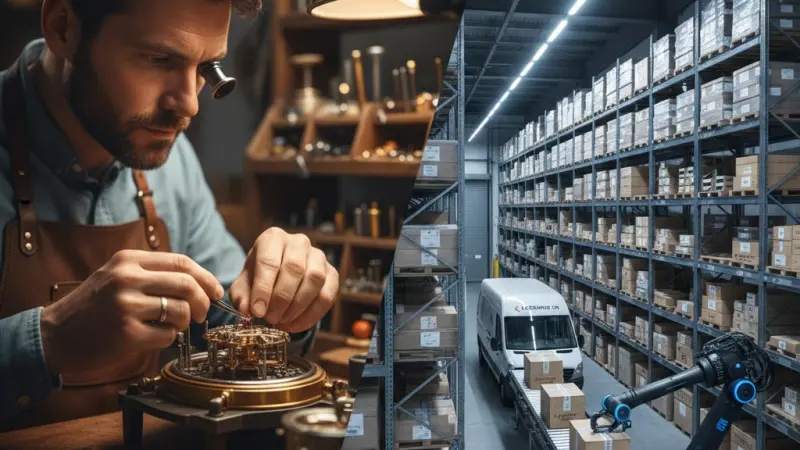
The horological sector in the United Kingdom, specifically encompassing the Clocks & Watches – Mnfrs & Wholesalers niche, is a cornerstone of British precision engineering and luxury heritage. While the global market is often associated with Swiss movements or Far Eastern mass production, the UK has undergone a significant "horological renaissance." This industry is not merely about time-telling; it is a sophisticated ecosystem of manufacturing, assembly, and high-volume distribution that contributes millions to the national GDP. From the artisanal workshops in the Isle of Man and London to the large-scale wholesalers in the Midlands, the sector supports thousands of skilled jobs.
For any business navigating this landscape, understanding the intricate balance between traditional craftsmanship and modern supply chain logistics is vital. The UK market is unique in its demand for both heritage pieces and cutting-edge wearable technology. This guide serves as a deep dive into the operational mechanics, market dynamics, and digital requirements for professionals within this field. To discover the breadth of companies operating in this space, one can consult a comprehensive uk local business directory to identify key stakeholders and competitors.
The economic importance of this sector cannot be overstated. It facilitates a robust B2B environment where manufacturers rely on specialized component wholesalers, and retailers depend on consistent wholesale supply. In an era of "Made in Britain" pride, the resurgence of domestic manufacturing has turned the UK into a hub for luxury start-ups and established horological houses alike. This growth necessitates a structured approach to business visibility, ensuring that every cog in the supply chain is reachable and verified.
The Landscape of Clocks & Watches – Mnfrs & Wholesalers in the UK
The current landscape of the UK horology industry is characterized by a blend of extreme high-end manufacturing and a vast, efficient wholesale network. Currently, the market size for watches and clocks in the UK is valued in the billions, with the luxury segment showing remarkable resilience. Key regions of activity include London, which remains the epicentre for luxury retail and boutique manufacturing, and the Birmingham Jewellery Quarter, which hosts a high concentration of component wholesalers and traditional clockmakers.
Post-pandemic, the industry has evolved rapidly. The disruption of global supply chains led many UK-based firms to "near-shore" their procurement, looking for local suppliers to mitigate the risks of international shipping delays. This shift has strengthened the domestic B2B market significantly. Furthermore, the rise of e-commerce has forced traditional wholesalers to adopt digital-first strategies. Whether a firm is a traditional manufacturer or a modern distributor, appearing in a uk business directory website has become a fundamental requirement for maintaining market share in the digital age.
The evolution of the sector is also marked by a shift in consumer behaviour. There is a growing appreciation for "slow fashion" and mechanical longevity, which has breathed new life into the clock manufacturing segment. High-end grandfather clocks and bespoke wall-mounted pieces are seeing a revival as consumers invest more in their home environments. Wholesalers have responded by diversifying their inventories to include both modern quartz movements and traditional mechanical parts, ensuring they cater to a broad spectrum of repairers and retailers.
Comprehensive Services Breakdown
The services offered within the Clocks & Watches – Mnfrs & Wholesalers sector are diverse, ranging from the technical to the logistical. Understanding these services is essential for any business looking to integrate into the UK supply chain.
1. Manufacturing and Prototyping
British manufacturers are renowned for their ability to produce high-spec components. This includes the milling of cases, the hand-finishing of dials, and the complex assembly of movements. Many UK firms now offer bespoke OEM (Original Equipment Manufacturer) services, allowing new brands to design and build watches within the UK. This high-level technical work requires precision machinery and a highly trained workforce. For those looking to source these specific services, using a business listing uk can help find niche engineering firms specializing in horology.
2. Wholesale Distribution
Wholesalers act as the vital link between manufacturers and the retail market. They manage vast inventories of finished timepieces, replacement parts, and watchmaking tools. A top-tier wholesaler provides not just products, but also credit facilities and marketing support to smaller retailers. In the UK, the wholesale market is highly competitive, with firms vying to secure exclusive distribution rights for international brands.
3. Repair and Restoration Services
Often, manufacturers and wholesalers provide "After Sales Service" divisions. These units handle warranty repairs and the restoration of vintage pieces. This requires a supply chain of authentic parts, often sourced through specialized wholesale channels. This service is a major revenue driver and builds long-term brand loyalty.
4. Component Sourcing and Supply Chain Management
Modern horology involves sourcing materials from across the globe—sapphire crystals from one region, leather straps from another, and movements from specialized makers. Wholesalers who excel in supply chain management ensure that these components arrive just-in-time for assembly, reducing overheads and increasing efficiency. To find reliable partners in this area, professionals often turn to uk professional services listings to vet potential logistics and sourcing partners.
How to Choose the Right Service Provider
Choosing a partner in the clocks and watches sector requires due diligence. Whether you are a retailer looking
for a wholesaler or a brand looking for a manufacturer, several factors must be considered:
Accreditations and Standards: Look for firms that are members of the British Horological Institute (BHI) or the British Watch & Clock Makers’ Alliance. These memberships signify a commitment to quality and ethical standards.
Insurance and Liability: Given the high value of the inventory, ensure your provider has comprehensive insurance covering transit and storage.
Local Reputation and Reviews: In a niche industry, reputation is everything. Check for testimonials and case studies. Using a platform that features uk verified business listings can provide peace of mind, as it ensures the business has been vetted for authenticity.
Scalability: Can the manufacturer handle a sudden increase in orders? Does the wholesaler have the stock depth to support your peak seasons?
Transparency: A good partner should be transparent about their lead times, sourcing origins, and pricing structures.
The importance of local reputation cannot be overstated. Even in a globalized world, working with a local UK provider allows for easier site visits, faster communication, and shared regulatory understanding. Business owners should look for partners listed in a uk small business directory to support the local economy and ensure easier logistical oversight.
Industry Challenges & Future Outlook
The industry faces several hurdles, from the scarcity of skilled watchmakers to the volatility of raw material prices. However, the most significant shift is the integration of technology.
Technological Shifts
Smartwatches continue to dominate the mass market, forcing traditional manufacturers to innovate. Some have embraced "hybrid" technology, combining mechanical aesthetics with digital connectivity. Wholesalers are also investing in sophisticated ERP (Enterprise Resource Planning) systems to track inventory in real-time across multiple channels.
Sustainability and Green Initiatives
Environmental impact is a growing concern. Consumers want to know where their watches come from and the carbon footprint of the manufacturing process. We are seeing a rise in the use of recycled steel, ethically sourced gold, and vegan leather straps. Manufacturers who ignore these trends risk becoming obsolete. A business listing uk can be an excellent way for "green" businesses to highlight their eco-credentials to a wider audience.
Regulatory Changes
Post-Brexit, UK manufacturers and wholesalers have had to navigate new VAT rules, import duties, and "Rules of Origin" requirements. Staying compliant while remaining competitive is a constant balancing act. Despite these challenges, the future remains bright. The "luxury" status of watches makes them an attractive investment class, and as long as British horology continues to innovate, it will remain a global contender.
Business Tips for Clocks & Watches Professionals
In a competitive B2B and B2C market, visibility is the currency of success. Even the finest watchmaker in the country will struggle if potential clients cannot find them.
Digital Visibility: Invest in high-quality photography. In an industry defined by aesthetics,
your online presence must be as polished as your products.
Local SEO: Ensure your business is listed in local directories. This is crucial for appearing in "near me" searches, which are increasingly used by both retail customers and business procurement officers.
Networking: Participate in trade shows like "WatchPro Salon" or "Salon QP."
Claim Your Space: One of the most effective ways to boost your SEO and credibility is to ensure your business is present on high-traffic platforms. For instance, creating a local business listings uk entry ensures that your contact details, services, and location are easily accessible to the right audience.
Marketing a local business in this sector requires a dual approach: maintaining the prestige and "exclusivity" of the brand while being digitally accessible. Small manufacturers should leverage their "story"—the craft, the history, and the person behind the bench—to differentiate themselves from mass-produced competitors.
Wrapping Up & Local Page Integration
The UK clock and watch industry is a testament to the enduring appeal of mechanical excellence and precise engineering. From the manufacturing of intricate movements to the efficient wholesale of global brands, this sector is a vital part of the British economy. For businesses within this niche, success depends on a combination of quality craftsmanship, robust supply chains, and effective digital marketing.
As we have explored, the landscape is changing, and staying ahead requires being part of a verified network. Local Page UK provides the premier solution for businesses looking to enhance their visibility and connect with both local customers and B2B partners. By integrating into a trusted uk b2b business directory, you ensure that your business is positioned for growth in an increasingly digital world.
Boost Your Visibility with Local Page UK
In the Clocks & Watches – Mnfrs & Wholesalers sector, competition is fierce and the digital shelf is just as important as the physical one. If you want your business to be discovered by retailers, collectors, and other service providers, you must take control of your online presence. We encourage all industry professionals to claim their business listing uk on Local Page UK today. It is the most effective way to reach more customers, build trust through verified information, and ensure your business stands out in the UK market.
Frequently Asked Questions (FAQs)
1. What are the benefits of sourcing clock parts from a UK wholesaler?
Sourcing from a UK-based wholesaler reduces shipping times and eliminates many of the complexities associated with international customs and import duties. It also allows for easier communication regarding technical specifications and returns. Local wholesalers often have a better understanding of the UK market trends and can offer tailored advice to retailers. Furthermore, being listed in a uk business directory allows these wholesalers to be easily found by local repair shops and manufacturers.
2. How can a small clock manufacturer compete with global brands?
Small manufacturers can compete by focusing on "niche" markets, bespoke designs, and the "Made in Britain" heritage. By offering high levels of customization that mass-producers cannot match, they create a unique value proposition.
Additionally, having a strong digital presence through a uk service providers directory ensures they are visible to luxury consumers looking for something truly unique and locally crafted.
3. What should I look for in a watch wholesale agreement?
Look for clarity on minimum order quantities (MOQs), lead times, payment terms, and warranty support. A good wholesale agreement should also outline the marketing materials provided and any territorial exclusivity. It is also wise to check if the wholesaler is listed among uk top rated local businesses to verify their standing in the industry.
4. Is the UK clock manufacturing industry growing?
Yes, there has been a notable resurgence in UK clock and watch manufacturing over the last decade. This is driven by a global increase in demand for luxury mechanical items and a growing movement to revive British engineering skills. Many new brands have launched, and legacy names are being revived, contributing to a vibrant and expanding sector.
5. Why is digital visibility important for traditional craft businesses?
While the craft itself is traditional, the way customers find services has changed. Most people, whether looking for a wholesale partner or a bespoke clock, start their search online. Without digital visibility on platforms like Localpage, even the most skilled craftsmen risk being overlooked by a modern audience that relies on digital searches for discovery.
6. What role does sustainability play in modern watch manufacturing?
Sustainability is becoming a major differentiator. Consumers are increasingly concerned about the ethical sourcing of metals and the environmental impact of production. Manufacturers who adopt green initiatives, such as using solar power in workshops or recycled packaging, are seeing higher levels of brand loyalty and better market positioning.
7. How do I verify the credentials of a UK watch manufacturer?
Check for their professional affiliations, such as the British Horological Institute. You can also look for customer reviews and industry awards. Using a directory that focuses on uk verified business listings is an excellent way to ensure the company you are dealing with is a legitimate and established entity.
8. What are the common logistics challenges for watch wholesalers?
The primary challenges include managing high-value inventory, ensuring secure transport, and handling the complexities of international movement parts. Effective inventory management systems and robust insurance are essential to mitigate these risks.
9. Can I find specialized horological tools in the UK?
Yes, the UK has several specialized wholesalers who focus specifically on watchmaking and clockmaking tools. These firms supply everything from precision screwdrivers to CNC machines used for case manufacturing. You can find these specialists by searching a local businesses list uk.
10. What is the impact of smartwatches on the traditional clock industry?
While smartwatches have taken a large share of the lower-priced market, they have actually helped increase interest in "real" watches among younger generations. Many people start with a smartwatch and eventually "graduate" to a mechanical timepiece as they begin to appreciate the craftsmanship and longevity of traditional horology.
11. How can I market my clock repair business locally?
Focus on local SEO and community engagement. Ensure your business is listed on maps and local directories. Highlighting your expertise in specific types of clocks (e.g., antiques or cuckoo clocks) can also help you stand out in uk local trades directory searches.
12. Are there grants available for UK horological businesses?
There are occasionally government grants for "High Value Manufacturing" and small business innovation. Additionally, some heritage organizations offer support for preserving traditional crafts. Staying connected with industry bodies and checking business news is the best way to stay informed about these opportunities.
13. What is the difference between an OEM and an ODM in watchmaking?
An OEM (Original Equipment Manufacturer) builds a product based on your specific design, while an ODM (Original Design Manufacturer) provides a pre-existing design that you can put your brand name on. UK manufacturers often provide both services to help new brands enter the market.
14. How should a wholesaler handle warranty claims?
Wholesalers should have a clear policy for "Dead on Arrival" (DOA) stock and a streamlined process for returning faulty items to the manufacturer.
Providing excellent after-sales support is key to maintaining long-term relationships with retail partners.
15. Where is the best place to list my horology business online?
The best place to list your business is on a platform that specializes in the UK market and offers verified listings to build trust. For maximum impact and visibility across the country, we recommend using Local page to ensure your business reaches its target audience effectively.
Disclaimer: The information provided in this article is for general informational and research purposes only. Company details, features, services, and market positions may change over time. Readers are advised to visit official company websites and conduct independent research before making any business decisions or purchasing services.
Most Searchable Keywords
Recent Blogs


Related Listings
Categories
- Accountants (295)
- Advertising Agencies (559)
- Architects (149)
- Automobiles (377)
- Beauty (300)
- Carpenters (146)
- Cleaning Services (387)
- Dentists (189)
- Driving (62)
- Electricians (215)
- Energy (8)
- Event Organiser (686)
- Finance (602)
- Guide (3374)
- Health (2207)
- Information technology (206)
- Legal Services (354)
- Logistics (6)
- Maintenance (65)
- Manufacturing (35)
Sponsored Listings in Travel Agencies



Related Blogs

Meet the Fair Work Agency Changing UK Work Ru...
Read this insightful article "Meet the Fair Work Agency Changing UK Work Rules in 2026" to expand your knowledge!

Collective Redundancy Errors Now Carry Higher...
Read this insightful article "Collective Redundancy Errors Now Carry Higher 2026 Penalties" to expand your knowledge!

Explore Dog Friendly Walks in the Cotswolds f...
Read this insightful article "Explore Dog Friendly Walks in the Cotswolds for 2026" to expand your knowledge!
Questions & Answers – Find What
You Need, Instantly!
How can I update my business listing?
Is it free to manage my business listing?
How long does it take for my updates to reflect?
Why is it important to keep my listing updated?
