
Chimney Builders & Repairers for Safe Homes
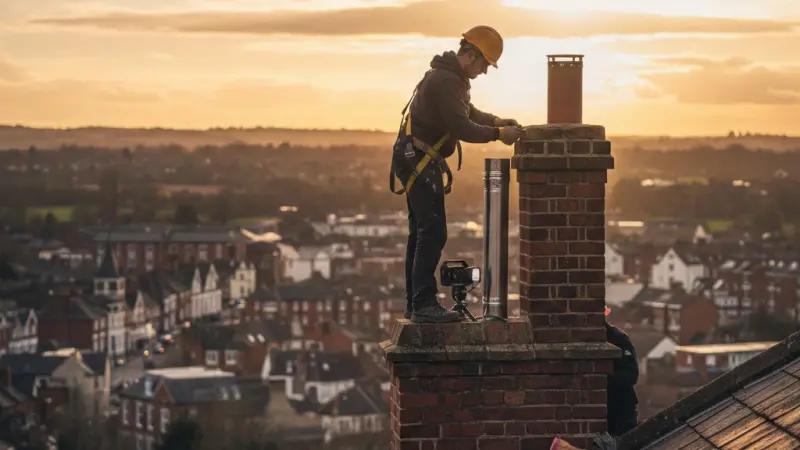
The Vertical Backbone of British Architecture
The chimney builders and repairers sector in the UK represents a vital, yet often overlooked, component of the national construction economy. With over 25 million dwellings in the United Kingdom, many of which pre-date the mid-20th century, the demand for specialist masonry and flue engineering is constant. Historically, the chimney was the heart of the home, providing the only source of heat and a means of ventilation. Today, while central heating is ubiquitous, the resurgence of secondary heating sources—such as wood-burning stoves and biomass boilers—has revitalised the industry.
The economic importance of this sector cannot be understated. Beyond the direct employment of thousands of skilled tradespeople, the industry supports a vast supply chain of material manufacturers, from stainless steel flue liners to specialized lime mortars. Moreover, the sector acts as a frontline defence for public health. Faulty chimneys are a leading cause of carbon monoxide poisoning and domestic fires. By ensuring that these structures are built and maintained to modern standards, professionals in this field protect billions of pounds worth of property assets and, more importantly, human lives. For those looking to navigate this complex market, a uk online business directory serves as an essential tool for connecting with verified experts.
The Landscape of Chimney Builders & Repairers in the UK
The UK chimney construction and repair market has shown remarkable resilience in the post-pandemic era. Current market data suggests a steady growth trajectory, with the broader chimney services market valued at over £1.5 billion. This growth is driven by a unique "perfect storm" of factors: an aging housing stock, a surge in home renovations, and a cultural shift toward sustainable, independent heating solutions.
Regionally, activity is highest in the South East and the North West, where a combination of high property values and a high density of Victorian and Edwardian terraces necessitates frequent maintenance. However, the Cotswolds and South West have also seen a boom in specialist heritage chimney restoration, as owners of listed buildings seek to preserve traditional aesthetics while meeting modern safety codes.
Post-pandemic, the industry has evolved significantly. Homeowners, having spent more time indoors, became acutely aware of their living environments, leading to a 15% increase in "preventative maintenance" enquiries. The rise of the "Staycation" also boosted the commercial chimney sector, as pubs and hotels renovated their hearths to attract winter visitors. Despite these opportunities, the industry faces a tightening labour market. The sector has shed nearly 10% of its workforce since 2020, making the search for qualified professionals more competitive. Utilizing a uk business directory has become the standard method for homeowners to vet the dwindling number of high-quality local tradespeople.
Comprehensive Services Breakdown
Modern chimney professionals offer far more than just "brick and mortar" work. The services provided today are a blend of traditional craftsmanship and advanced diagnostic technology.
Structural Rebuilding and Repointing: This involves the physical restoration of the chimney stack. Over time, exposure to the harsh British weather causes mortar to crumble (spalling), which can lead to water ingress and structural collapse.
Flue Relining: One of the most common requirements for older homes. Modern wood burners require a specific diameter and grade of flue to operate safely. Professionals install flexible stainless steel or FuranFlex liners to ensure toxic gases are expelled without leaking into the wall cavities.
CCTV Chimney Surveys: High-definition cameras are used to inspect the internal condition of a flue. This is essential for identifying cracks, bird nests, or creosote build-up that cannot be seen from the hearth.
Chimney Pot and Cowl Installation: Proper termination is crucial. Cowls prevent birds from nesting and stop "downdraughts" from blowing smoke back into the room.
Leadwork and Flashing: Ensuring the join between the chimney and the roof is watertight is
a specialist task often handled by chimney builders to prevent dampness in the attic.
For businesses looking to showcase these specialized skills, securing a business listing uk is the first step in establishing a digital footprint that reflects their technical expertise.
How to Choose the Right Service Provider
With the stakes so high, selecting a chimney builder or repairer requires more than a simple price comparison. Consumers must prioritize "Verified Competence" over the lowest quote.
Accreditations: Look for HETAS (Heating Equipment Testing and Approval Scheme) registration. HETAS is the official body recognized by the Government to approve biomass and solid fuel heating appliances and services. A HETAS-registered installer can self-certify their work, ensuring it meets UK Building Regulations (specifically Approved Document J).
Reviews and Local Reputation: In the digital age, a company’s history is public. Check for consistent positive feedback regarding cleanliness, punctuality, and aftercare. A chimney repair is a messy job; a professional who prioritizes dust sheets and HEPA-filtered vacuums is often a sign of a high-quality outfit.
Insurance: Always verify that the contractor holds at least £2 million in Public Liability Insurance. Chimney work involves heights and fire risks; you must ensure you are protected against accidental damage to your property.
Verification: Before signing a contract, consult local business listings uk to ensure the business is established and verified. This prevents the "rogue trader" scenario where a contractor disappears after receiving a deposit.
Industry Challenges & Future Outlook
The future of the chimney sector is being shaped by the UK’s "Net Zero" ambitions. The primary challenge is the shifting regulatory environment regarding domestic burning. The Environment Act 2021 has empowered local authorities to issue fines for excessive smoke in Smoke Control Areas.
Sustainability Initiatives: There is a move toward "Ecodesign" stoves, which reduce particulate emissions by up to 80% compared to older models. Chimney builders are now increasingly acting as energy consultants, advising homeowners on how to upgrade their flues to support these high-efficiency appliances.
Regulatory Changes: The phasing out of "wet wood" and house coal in England has changed the maintenance cycle. Homeowners burning "Ready to Burn" certified wood will find their chimneys stay cleaner for longer, but the requirement for an annual sweep remains a legal or insurance necessity for most.
Technology Shifts: We are seeing the introduction of "smart chimneys" with integrated sensors that monitor flue temperatures and air quality in real-time. For a modern firm, staying relevant means appearing on a business listing uk where they can highlight their adoption of these green technologies.
Business Tips for Chimney Builders & Repairers Professionals
For the local chimney professional, technical skill is only half the battle; the other half is visibility.
In 2026, if you aren't visible on a smartphone, you don't exist to 80% of your potential customers.
Hyper-Local SEO: Most customers search for "chimney repair near me." To capture this traffic, your business needs to be listed on a uk service listings platform that optimizes for geographical relevance.
Content Marketing: Don't just sell a service; sell safety. Post photos of before-and-after repointing jobs or snippets of CCTV surveys showing blocked flues. This builds trust and demonstrates your equipment’s quality.
Digital Presence: A dedicated website is great, but a listing on a high-authority uk local business directory provides an immediate "backlink" boost, helping your own site rank higher in search engines like Google. Consistent NAP (Name, Address, Phone number) data across these platforms is the key to local SEO success.
Wrapping Up & Local Page Integration
The UK chimney builders and repairers industry is a pillar of home safety and heritage preservation. As regulations tighten and technology advances, the gap between "handymen" and "specialists" will continue to widen. For the homeowner, the priority must always be safety and compliance. For the professional, the priority is being found by those who value quality.
Whether you are a homeowner seeking a master mason or a business owner looking to grow your firm, Local Page is the premier solution. It bridges the gap between traditional trades and the modern consumer, providing a trusted environment for the UK’s most essential services.
Boost Your Visibility with Local Page UK
In a crowded marketplace, standing out is a challenge for any chimney specialist. Local Page UK provides the infrastructure you need to reach your local community effectively. Don't leave your digital reputation to chance. Claim your business listing uk today and ensure that when a neighbor searches for a safe home solution, your business is the first one they see.
Frequently Asked Questions
1. How often should I have my chimney inspected by a professional?
Ideally, you should have your chimney inspected at least once a year. If you use your fireplace or stove frequently, or if you are burning wood, a twice-yearly inspection is recommended—once before the heating season begins and once after it ends. This ensures that any soot build-up or structural damage is caught early, preventing chimney fires and carbon monoxide leaks.
2. What are the signs that my chimney needs urgent repair?
Key warning signs include visible cracks in the masonry, white staining on the bricks (efflorescence), bits of brick or mortar falling into the hearth, and smoke leaking into the room. If you notice a "drafty" feeling or a strange smell when the fire isn't lit, these could also indicate internal flue damage that requires immediate professional attention.
3. Do I need planning permission to build or repair a chimney in the UK?
Generally, repairs and minor alterations do not require planning permission. However, if you are building a new chimney, significantly increasing its height, or if your property is a listed building or in
a conservation area, you will likely need to consult your local planning office. Always check with a specialist who understands Approved Document J of the Building Regulations.
4. What is the difference between a chimney sweep and a chimney builder?
A chimney sweep focuses on the maintenance and cleaning of the flue to ensure it is free of obstructions like soot and nests. A chimney builder or repairer is a specialist mason who handles the structural aspects, such as rebuilding stacks, repointing brickwork, installing liners, and fixing lead flashing. Most modern firms offer both services to provide a comprehensive safety solution.
5. How can I find a verified chimney specialist in my local area?
The most reliable way to find a vetted professional is to use a dedicated platform like Localpage. By searching through a verified directory, you can compare local tradespeople based on their accreditations, customer reviews, and service history, ensuring you don't fall victim to unverified or "cowboy" builders who lack the necessary insurance and skills.
6. Why is my chimney smoking back into the room?
This is usually caused by a "downdraught" or a blockage. A downdraught occurs when air is pushed down the chimney by wind or pressure changes. A blockage could be anything from a bird's nest to a collapsed internal brick. A professional survey can identify the cause and suggest a solution, such as installing a specialized chimney cowl to improve the upward draw.
7. What is a chimney liner and why do I need one?
A chimney liner is a tube (usually stainless steel) inserted into the flue. It protects the chimney walls from heat and corrosion and ensures that smoke and gases travel quickly and safely to the exit. If you are installing a modern wood-burning stove in an older chimney, a liner is almost always required to meet current safety standards and ensure the stove operates efficiently.
8. Is it safe to repair my own chimney?
Chimney work is high-risk and requires working at height, knowledge of fire dynamics, and understanding of building regulations. DIY repairs can lead to structural instability or, worse, hidden fire hazards within the walls. It is always safer and more cost-effective in the long run to hire a professional who has the correct ladders, scaffolding, and diagnostic tools.
9. What is spalling and why is it dangerous?
Spalling occurs when water enters the brickwork and freezes, causing the surface of the brick to flake or pop off. If left untreated, spalling can lead to the total structural failure of the chimney stack. It is a sign that the masonry is no longer weather-protected and requires urgent repointing or rebuilding to prevent the chimney from becoming a falling hazard.
10. How long does a typical chimney relining take?
Most residential chimney relining jobs can be completed within a single day. This includes the preparation of the hearth, the installation of the liner from the roof, and the connection to the stove or fireplace. However, if the chimney is blocked or requires structural repairs first, the process may take longer. A professional will provide a timeline after an initial survey.
11. Are wood-burning stoves still legal in UK smoke control areas?
Yes, they are legal, provided you use a DEFRA-exempt appliance and burn authorized smokeless fuels or "Ready to Burn" wood. It is an offence to emit smoke from a chimney in a smoke control area if you are not using the correct combination of stove and fuel. A professional chimney builder can help you ensure your installation is fully compliant with local laws.
12. What should I do if I suspect a chimney fire?
If you hear a loud roaring sound, see sparks flying out of the top of the chimney, or smell intense smoke, call 999 immediately. Do not attempt to extinguish the fire yourself. Once the fire service has dealt with the emergency, you must have the chimney professionally inspected and repaired before using it again, as the heat may have cracked the internal structure.
13. How much does it cost to rebuild a chimney stack?
Costs vary significantly based on the height of the chimney, the materials used, and whether scaffolding is required. A minor repair might cost a few hundred pounds, while a full rebuild of a large stack can range from £2,000 to £5,000. Obtaining multiple quotes from verified businesses in a local directory is the best way to ensure a fair price.
14. What insurance should a chimney repairer have?
Any professional working on your home should have Public Liability Insurance. This covers any damage they might accidentally cause to your property or any injury to third parties.
For chimney work, specifically ask if their policy covers "working at height" and the use of heat-producing tools, as some standard policies exclude these high-risk activities.
15. How does a digital directory help me maintain my home?
A digital directory allows you to quickly access a curated list of professionals who have been reviewed by your community. Instead of guessing, you can see who is active and trusted. For the best results in finding a reliable tradesperson, we recommend using Local page, which simplifies the process of securing your home's safety with just a few clicks.
Disclaimer: The information provided in this article is for general informational and research purposes only. Company details, features, services, and market positions may change over time. Readers are advised to visit official company websites and conduct independent research before making any business decisions or purchasing services.
Most Searchable Keywords
Recent Blogs


Related Listings

Categories
- Accountants (295)
- Advertising Agencies (559)
- Architects (149)
- Automobiles (377)
- Beauty (300)
- Carpenters (146)
- Cleaning Services (387)
- Dentists (189)
- Driving (62)
- Electricians (215)
- Energy (8)
- Event Organiser (686)
- Finance (602)
- Guide (3375)
- Health (2207)
- Information technology (206)
- Legal Services (354)
- Logistics (6)
- Maintenance (65)
- Manufacturing (35)
Sponsored Listings in Entertainment Services


Related Blogs

UK Actresses Rich List 2026 Meet the Highest...
Read this insightful article "UK Actresses Rich List 2026 Meet the Highest Earning Stars" to expand your knowledge!

BBC Radio 2 Presenters Family Age and Net Wor...
Read this insightful article "BBC Radio 2 Presenters Family Age and Net Worth Guide" to expand your knowledge!

Step-by-Step Guide to Claiming a TV Licence D...
Read this insightful article "Step-by-Step Guide to Claiming a TV Licence Discount or Exemption" to expand your knowledge!
Questions & Answers – Find What
You Need, Instantly!
How can I update my business listing?
Is it free to manage my business listing?
How long does it take for my updates to reflect?
Why is it important to keep my listing updated?
