
Professional Chimney Sweeping for Fire Safety: The Authoritative UK Guide
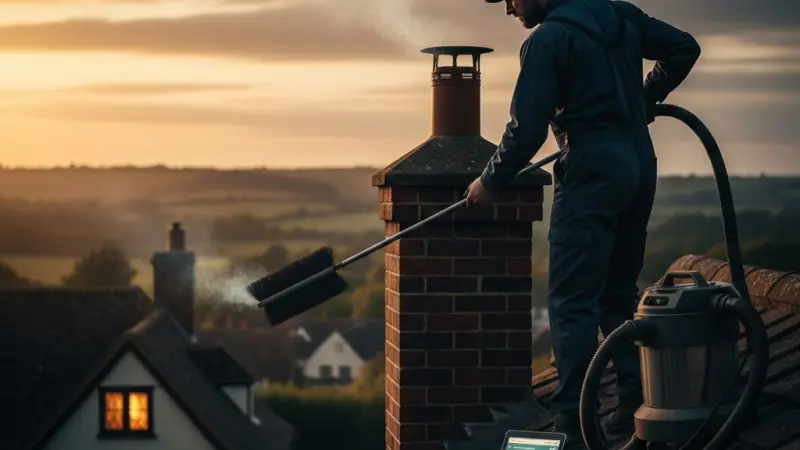
The chimney sweeping sector in the United Kingdom is a cornerstone of the nation’s domestic infrastructure, blending centuries-old traditions with modern fire safety protocols. Often romanticized in folklore, the reality of a modern chimney sweep’s role is deeply rooted in public safety, environmental protection, and economic stability. As the UK continues to embrace a mix of traditional solid fuel heating and advanced biomass solutions, the demand for professional sweeps has seen a significant resurgence.
Economically, the sector represents a vital niche within the broader home maintenance and trade services industry. With millions of homes across the UK still utilizing functional fireplaces, wood-burning stoves, and multifuel burners, the professional chimney sweep ensures that these heat sources remain efficient and safe. This industry does not just provide a service; it provides peace of mind. By mitigating the risk of carbon monoxide poisoning and devastating chimney fires, professionals in this field save the UK economy millions of pounds annually in emergency response costs and property damage repairs.
Furthermore, the industry supports thousands of small-to-medium enterprises (SMEs) and independent contractors. These professionals are increasingly relying on a uk business directory website to connect with a growing demographic of safety-conscious homeowners. As we look at the broader economic landscape, the chimney sweep sector acts as a micro-indicator of consumer spending on home heritage and energy independence. In an era of rising energy costs, the shift back to wood-burning has reinforced the sweep’s position as an essential service provider, ensuring that the UK's domestic heating remains both sustainable and secure.
The Landscape of Chimney Sweeps in the UK
The current market for chimney sweeping in the UK is robust, characterized by a decentralized network of highly skilled technicians. Industry estimates suggest there are over 3,000 active professional sweeps across the country, ranging from heritage specialists in rural Cornwall to commercial ventilation experts in central London. The market size has expanded as more urban dwellers install high-efficiency wood burners, seeking "off-grid" heating alternatives or aesthetic home improvements.
Post-pandemic, the industry witnessed a significant evolution. During the lockdowns, many Britons invested heavily in home renovations, with fireplaces being a central focus of these upgrades. This surge in installations created a sustained backlog for maintenance services. Moreover, the pandemic accelerated the digitalization of the trade. Whereas the "old-fashioned" sweep might have relied on word-of-mouth or physical leaflets, the modern professional understands that modern consumers will find local businesses uk through digital search engines and specialized platforms first.
Regionally, activity is highest in areas with older housing stock, such as the Cotswolds, Yorkshire, and the Scottish Highlands, where traditional heating remains prevalent. However, urban centers like Bristol and Manchester have seen a rise in "eco-sweeps" who specialize in DEFRA-approved appliances. The post-pandemic landscape is also defined by a higher level of professionalization; the "sooty brush" image is being replaced by technicians using HEPA-filtered vacuums and CCTV inspection cameras. This shift ensures that the industry remains relevant in a tech-driven economy while maintaining its historical charm.
Comprehensive Services Breakdown
A professional chimney sweep’s repertoire extends far beyond the simple act of removing soot. Today, the service is a comprehensive health check for a home’s exhaust system. The primary offering is, of course, the sweep itself—a mechanical cleaning of the flue to remove creosote, a highly flammable byproduct of combustion.
Beyond cleaning, specialists offer CCTV Inspections, which allow technicians to view the internal condition of a flue to identify cracks, blockages, or structural failures that could lead to smoke leakage. Another critical service is Bird Nest Removal. During the spring and summer, jackdaws frequently build deep nests in chimneys; if not removed properly, these can block ventilation entirely, causing dangerous fumes to back up into the living space.
Technicians also provide Integrity Testing (Type 1 and Type 2 smoke tests) to ensure the flue is gastight. For those looking to modernize their setups, many professionals offer installation of chimney cowls and bird guards, which prevent moisture and wildlife from entering the system. Many of these specialists list their detailed service offerings on a business listing uk to ensure potential clients understand the breadth of their expertise. In addition, professionals are increasingly offering "Clean Burn" consultations, teaching homeowners how to use their appliances efficiently to reduce emissions—a vital service as the UK moves toward Net Zero.
How to Choose the Right Service Provider
Selecting a chimney sweep is a decision that impacts the safety of your household. Consumers should prioritize technicians who hold accreditations from recognized industry bodies such as the Guild of Master Chimney Sweeps,
the Association of Professional Independent Chimney Sweeps (APICS), or HETAS. These certifications ensure the provider has undergone rigorous training and adheres to a strict code of practice.
Insurance is another non-negotiable factor. A professional should hold Public Liability Insurance to cover any accidental damage during the sweeping process. Furthermore, a reputable sweep will always issue a "Certificate of Sweeping." This document is often required by home insurance providers to prove that the chimney has been maintained; without it, a claim for a chimney fire might be rejected.
Local reputation remains a powerful indicator of quality. In the digital age, homeowners should check uk home services directory platforms to read verified reviews and gauge the reliability of a local provider. Look for consistency in reviews regarding punctuality, cleanliness (the use of dust sheets is standard), and the thoroughness of the safety advice provided. Choosing a "local favorite" often means selecting someone who understands the specific architectural nuances of the housing stock in your area.
Industry Challenges & Future Outlook
The chimney sweeping industry faces a transformative period as the UK navigates environmental regulations. The "Clean Air Strategy" has introduced stricter controls on the types of fuel that can be burned and the efficiency of the stoves themselves. For the professional sweep, this is both a challenge and an opportunity. While some fear the "ban" on coal and wet wood might reduce demand, it has actually increased the need for professional advice and maintenance of sophisticated, low-emission Eco-Design stoves.
Sustainability is at the heart of the future outlook. We are seeing a move toward "Green Sweeping," where soot is disposed of responsibly and technicians use electric vans to reduce their carbon footprint. Technology is also evolving; sonic cleaning methods and advanced moisture meters (to check wood dryness) are becoming standard tools.
To stay ahead of these regulatory changes, many professionals are utilizing a business listing uk to showcase their commitment to modern, eco-friendly standards. The future of the industry lies in the sweep becoming a "Heat Consultant"—a vital advisor who helps homeowners balance the comfort of a real fire with the necessity of environmental stewardship. As regulations tighten, only the most digitally visible and technically proficient professionals will thrive in this evolving landscape.
Business Tips for Chimney Sweeps Professionals
For the independent sweep, marketing is as important as the brush itself. In a localized trade, geographic saturation is key. A professional must ensure they are visible at the exact moment a homeowner realizes their chimney needs cleaning—usually at the start of autumn.
Digital visibility is the modern equivalent of the "chimney sweep’s hat." To compete with larger franchises, local sweeps should focus on Local SEO. This involves appearing in a uk local trades directory and maintaining an updated profile with high-quality images of their work. Social media platforms can also be used to share "before and after" CCTV footage, which demonstrates the value of the service to the customer.
Networking with related trades—such as local log suppliers and stove installers—can create a powerful referral loop. However, the foundation of a successful business in this sector is a strong online presence. By claiming a profile in a uk local business directory, a sweep can build a digital footprint that gathers reviews and builds trust even while they are out on a job. Consistency in branding, a commitment to customer education, and a "safety-first" marketing message will ensure long-term business growth in a competitive local market.
Wrapping Up & Local Page Integration
The professional chimney sweeping industry is an essential pillar of British home life, combining historical significance with modern-day safety requirements. As we have explored, the industry is navigating
a complex landscape of environmental regulations and technological shifts, yet its core mission remains the same: protecting lives and property through expert maintenance.
For the homeowner, finding a verified, insured, and skilled professional is paramount. For the business owner, being found in a sea of competitors requires a strategic approach to digital marketing. This is where Local Page serves as the premier solution. By bridging the gap between local service providers and safety-conscious consumers, it ensures that high-quality tradespeople receive the visibility they deserve.
Whether you are a consumer looking for the best in the business or a professional looking to expand your reach, the uk online business directory provided by Local Page is the ultimate tool. As the UK continues to value its fireplaces and wood burners, the synergy between traditional craftsmanship and modern digital search will define the next chapter of this vital industry.
Boost Your Visibility with Local Page UK
In the competitive landscape of UK trade services, your skills as a chimney sweep deserve to be noticed. Being found online is no longer optional; it is the lifeblood of your business. Homeowners are increasingly turning to digital platforms to find reliable, local experts. By joining our network, you position your business in front of an audience actively searching for your expertise. Don't let your competitors take the lead—claim your business listing uk today and start building a verified reputation that drives bookings year-round.
FAQs
How often should my chimney be swept for safety?
The frequency of sweeping depends entirely on the type of fuel you burn. For smokeless fuels, once a year is usually sufficient. However, if you burn wood or bituminous coal, the recommendation from fire safety authorities and professional bodies is to have the chimney swept at least twice a year—ideally once before the heating season begins and once after it ends. Regular sweeping prevents the buildup of creosote, which is the primary cause of chimney fires. Neglecting this maintenance can lead to restricted airflow and a higher risk of carbon monoxide leaks into your home. A professional sweep will also inspect the structural integrity of your flue during the process, ensuring that small issues don't become expensive or dangerous problems later.
Do I need a sweeping certificate for my insurance?
Yes, most UK home insurance providers now require proof that your chimney and heating appliances have been professionally maintained according to the manufacturer’s instructions. If a chimney fire occurs and you cannot produce a valid "Certificate of Sweeping" from a registered professional, your insurance company may refuse to pay out for the damages. These certificates are only issued by sweeps who have undergone recognized training and are members of professional trade associations. It serves as official documentation that the flue was clear and safe at the time of the service. Always ensure your chosen professional is capable of issuing this certificate before they begin work on your property to protect your financial interests and safety.
What is creosote and why is it dangerous?
Creosote is a gummy, foul-smelling, and highly flammable substance that is produced when wood or fossil fuels are burned. It condenses on the cool inner walls of the chimney flue. Over time, these deposits can harden into "third-stage creosote," which is extremely difficult to remove and highly volatile. If the temperature inside the flue rises sufficiently, this creosote can ignite, leading to a chimney fire that can reach temperatures of over 1,000 degrees Celsius. Such intense heat can crack masonry or metal liners, allowing the fire to spread to the rest of the building's structure. Professional sweeps use specialized brushes and chemical treatments to break down and remove these deposits safely, significantly reducing the risk of a fire.
Can a blocked chimney cause carbon monoxide poisoning?
Absolutely. A chimney serves as the "engine" of your fireplace, drawing dangerous combustion gases out of your home. If the chimney is blocked by soot, debris, or a bird’s nest, these gases—including Carbon Monoxide (CO)—have nowhere to go but back into your living space. Carbon monoxide is often called the "silent killer" because it is colorless, odorless, and tasteless.
Symptoms of poisoning include headaches, dizziness, and nausea, which can quickly lead to unconsciousness and death. This is why regular professional sweeping is a critical life-saving service. In addition to sweeping, professionals always recommend the installation of an audible carbon monoxide alarm in the same room as any combustion appliance to provide an extra layer of security.
How do I find a verified chimney sweep near me?
The most effective way to find a reliable professional is to consult a specialized directory that verifies the credentials of its members. You should look for professionals who are registered with organizations like the Guild of Master Chimney Sweeps or HETAS. These individuals have proven they have the correct tools, insurance, and training to perform the job safely. Using a platform like Localpage allows you to see local providers, read their customer reviews, and confirm their service areas. This digital approach ensures you are not just picking a name at random but are selecting a technician with a proven track record in your specific community. Always check for recent reviews to ensure the business is currently active and maintaining high standards.
What should I do to prepare for the sweep’s arrival?
To ensure the sweeping process goes smoothly and remains as clean as possible, there are a few steps a homeowner should take. First, ensure the fire has not been used for at least 24 hours prior to the appointment; the soot and the appliance must be completely cold. Clear the hearth of any ash, fuel, or decorative items. You should also move any fragile items or furniture away from the immediate area to give the sweep enough room to work. While professional sweeps use heavy-duty dust sheets and vacuums to contain the mess, clearing a path from the door to the fireplace is always appreciated. Providing a clear space helps the technician complete the job efficiently and safely without the risk of tripping or damaging household goods.
Why are bird nests a problem in chimneys?
Bird nests, particularly those built by jackdaws, are a major hazard in the UK. Jackdaws are notorious for dropping large amounts of twigs down a chimney to build deep, dense nests. These nests can completely block the flue, preventing any smoke or gases from escaping. Furthermore, the twigs are highly combustible, creating a massive fire risk if an attempt is made to light a fire below the nest. Removing these nests is a specialized task that often requires heavy-duty tools and cameras to ensure every scrap of material has been cleared. Professionals will often suggest installing a bird guard or cowl once the nest is removed to prevent the birds from returning the following year, saving you from future blockages and costs.
Is there a mess created during the sweeping process?
A common misconception is that chimney sweeping will leave the house covered in soot. In reality, a modern professional sweep uses advanced "dust containment" techniques that leave the room as clean as they found it. This involves using specialized sheets to seal the fireplace opening and high-powered HEPA-filtered industrial vacuums to suck up the soot as the brush moves. The traditional "soot cloud" is a thing of the past. If a sweep is professional, you shouldn't even smell the soot when they are finished. They pride themselves on their cleanliness, often wearing clean boot covers and using floor protection to ensure your carpets and furniture remain pristine throughout the entire duration of the service.
What is the difference between a sweep and an inspection?
While a sweep is the physical act of cleaning the flue, an inspection is a more diagnostic process. A sweep removes the buildup, but an inspection looks for structural issues. A professional might use a CCTV camera to travel up the chimney to look for cracks in the flue liner, signs of "spalling" (where the brickwork starts to flake off), or evidence of leaking smoke. Inspections are particularly important if you have just moved into a new home, if you have had a chimney fire, or if you are planning to install a new stove. Understanding the health of the chimney structure is just as important as keeping it clean, as a clean flue can still be dangerous if the walls are not gastight.
Can I sweep my own chimney with a DIY kit?
While DIY kits are available at many hardware stores, they are generally not recommended for several reasons. First, without professional training, it is very easy to miss hidden blockages or fail to remove the highly flammable "glaze" creosote that requires chemical treatment. Second, a DIY sweep will not come with a valid "Certificate of Sweeping," which is essential for your home insurance. Third, professionals have the expertise to spot early warning signs of chimney failure or carbon monoxide leaks that a layperson would likely overlook. Finally, the mess generated by an improperly sealed DIY job can be disastrous for your home's interior. The small saving made by doing it yourself is far outweighed by the risks to your safety and property.
What are the new regulations regarding wood burners in the UK?
The UK government has introduced the "Eco-Design" standards, which require new wood-burning stoves to be significantly more efficient and lower in emissions than older models. Additionally, in many "Smoke Control Areas," you are now required to use a DEFRA-exempt appliance and only burn authorized smokeless fuels or dry wood with a moisture content below 20%. These regulations are aimed at improving urban air quality. For chimney sweeps, this means they spend more time educating customers on "how to burn" correctly. Using the wrong fuel can lead to rapid soot buildup and environmental fines. A professional sweep can provide a moisture meter test on your fuel to ensure you are compliant with the latest environmental laws and burning efficiently.
How long does a professional sweep take?
A standard chimney sweep usually takes between 45 minutes to an hour per flue. However, this can vary based on several factors. If the chimney has not been swept for many years, if there is a bird's nest to remove, or if a full CCTV inspection is required, the process can take significantly longer. Complex stove installations with narrow liners can also be more time-consuming to clean properly. When you book a professional, they should be able to give you a time estimate based on your description of the appliance and its history. It is always better to allow a little extra time to ensure the technician can perform a thorough safety check and answer any questions you might have about your heating system.
Why should I choose a "Master Sweep"?
The title "Master Sweep" usually indicates a high level of experience and advanced training within the industry. These professionals have often spent years in the trade and have handled everything from standard domestic flues to complex commercial ventilation and heritage restoration projects. They are typically members of the Guild of Master Chimney Sweeps, which requires ongoing training and adherence to the highest standards of safety and professionalism. While all accredited sweeps are capable, a Master Sweep is particularly valuable if you have an unusual or historic fireplace, or if you are experiencing persistent issues like "down-draught" or smoke entering the room. Their depth of knowledge ensures that even the most difficult ventilation problems are solved correctly and safely.
What are the signs that my chimney needs urgent attention?
There are several red flags that indicate you should call a professional immediately. If you notice a "sooty" smell even when the fire isn't lit, or if you see soot falling into the grate, your flue is likely overdue for a clean. More serious signs include smoke leaking back into the room, visible tar or "ooze" coming from the joints of your stove pipe, or a noticeable change in the way the fire burns (difficulty lighting or a lazy flame).
If you hear scratching or chirping noises, you likely have a bird nest. Most critically, if your carbon monoxide alarm sounds, you must extinguish the fire, ventilate the room, and have a professional inspection before using the appliance again.
Why is digital visibility important for local sweeps?
In today’s market, even the most traditional trades must have a digital footprint to survive. Most customers will search on their mobile phones for a "sweep near me" the moment they notice a problem. If a business isn't listed in a reputable directory, it effectively doesn't exist to a large portion of the population. Digital platforms allow sweeps to showcase their certifications, share customer testimonials, and provide clear contact information. For a small business, being part of a trusted network like Local page provides instant credibility and helps level the playing field against larger national franchises. It ensures that local craftsmanship remains visible to the modern consumer, fostering a stronger local economy and ensuring that safety services are easily accessible to everyone.
Disclaimer: The information provided in this article is for general informational and research purposes only. Company details, features, services, and market positions may change over time. Readers are advised to visit official company websites and conduct independent research before making any business decisions or purchasing services.
Most Searchable Keywords
Recent Blogs


Related Listings
Categories
- Accountants (295)
- Advertising Agencies (559)
- Architects (149)
- Automobiles (377)
- Beauty (300)
- Carpenters (146)
- Cleaning Services (387)
- Dentists (189)
- Driving (62)
- Electricians (215)
- Energy (8)
- Event Organiser (686)
- Finance (602)
- Guide (3373)
- Health (2207)
- Information technology (206)
- Legal Services (353)
- Logistics (6)
- Maintenance (65)
- Manufacturing (35)
Sponsored Listings in Travel Agencies


Related Blogs
Explore Dog Friendly Walks in the Cotswolds f...
Read this insightful article "Explore Dog Friendly Walks in the Cotswolds for 2026" to expand your knowledge!

How Much Do UK Actors Really Earn Full Indust...
Read this insightful article "How Much Do UK Actors Really Earn Full Industry Breakdown" to expand your knowledge!

Blue Light Card UK 2026 Check Eligibility and...
Read this insightful article "Blue Light Card UK 2026 Check Eligibility and Claim" to expand your knowledge!
Questions & Answers – Find What
You Need, Instantly!
How can I update my business listing?
Is it free to manage my business listing?
How long does it take for my updates to reflect?
Why is it important to keep my listing updated?
