
China & Glassware Shops for Home & Gifting: The Ultimate UK Guide
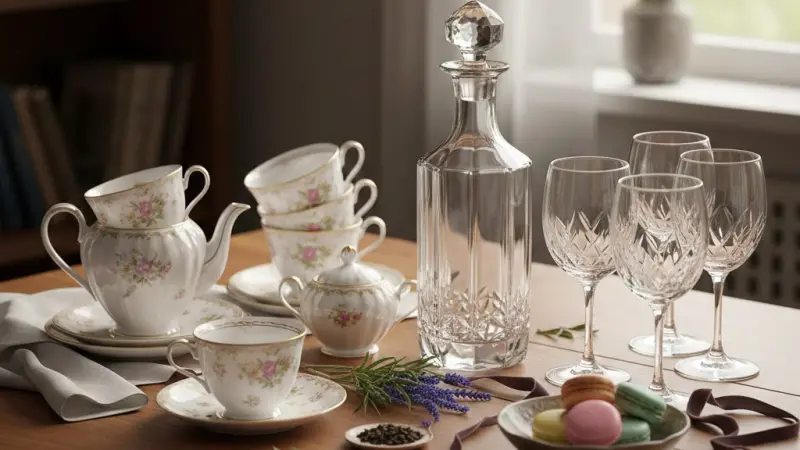
The British retail sector for china and glassware is not merely a segment of the home decor industry; it is a profound reflection of the nation’s cultural heritage and its enduring appreciation for craftsmanship. From the historic kilns of the Staffordshire Potteries to the contemporary crystal studios of the Highlands, this industry represents a vital pillar of the UK’s retail economy. Valued at hundreds of millions of pounds, the market for fine bone china, porcelain, and artisanal glassware continues to thrive, driven by a dual demand for functional domestic items and high-end luxury gifts.
The economic importance of these shops extends beyond simple commerce. They support a complex supply chain involving traditional artisans, logistics experts, and digital marketers. In an era where the "home-as-sanctuary" trend has taken firm root, consumers are increasingly investing in items that elevate their daily rituals. Whether it is a hand-painted tea set for a Sunday afternoon or a set of lead crystal tumblers for a celebratory toast, these products carry significant emotional and monetary value. Furthermore, the sector acts as a gateway for British exports, with brands like Wedgwood, Royal Doulton, and Waterford Crystal maintaining global prestige. For those seeking to navigate this vibrant market, utilizing a uk online business directory can provide the necessary starting point to discover both heritage brands and emerging local boutiques.
As we move deeper into the 2020s, the "Gifting Economy" has become a central revenue stream for these establishments. Weddings, anniversaries, and seasonal holidays remain the primary drivers, but a new trend of "self-gifting"—buying premium items for one's own home improvement—has seen remarkable growth. This shift has forced retailers to reconsider their business models, moving away from purely transactional interactions toward experience-led retail. The modern china and glassware shop is now a place of education, where a consumer learns the difference between soda-lime glass and full-lead crystal, or why bone ash is essential for the translucency of fine china.
The Landscape of China & Glassware Shops in the UK
The landscape of the UK china and glassware market has undergone a significant transformation over the last five years. Historically dominated by large department stores and high-street chains, the industry has seen a resurgence in independent, specialist retailers that offer curated selections and bespoke services. Currently, the UK glass tableware market alone is estimated to be worth over $430 million, with steady growth projected through the end of the decade.
Key regions of activity remain concentrated in traditional hubs like Stoke-on-Trent, often referred to as "The Potteries," where the heritage of British ceramics is kept alive through factory shops and visitor centres. However, metropolitan areas such as London, Manchester, and Edinburgh have seen a rise in "concept stores" that blend traditional materials with modern, minimalist aesthetics. Post-pandemic, the evolution of the industry has been marked by a "hybrid" retail approach. While physical showrooms remain crucial for tactile products—allowing customers to feel the weight of a glass or the smoothness of a glaze—the integration of a business listing uk has allowed even the smallest rural shops to gain national visibility.
The pandemic-induced "stay-at-home" mandates led to a profound reassessment of the home environment. As restaurants closed, the "tablescaping" trend exploded on social media, with consumers looking to recreate fine-dining experiences at home. This has led to a sustained interest in high-quality dinnerware and specialist glassware, such as coupe glasses for cocktails or decanters for aerating vintage wines. Retailers have adapted by enhancing their e-commerce capabilities, offering virtual consultations, and providing more robust "safe-delivery" guarantees for fragile goods. The market is no longer just about utility; it is about the "theatre of the table," and businesses that understand this psychological shift are the ones currently leading the landscape.
Comprehensive Services Breakdown
A modern china and glassware shop offers much more than just a shelf of plates. To remain competitive, these businesses provide a wide array of specialized services that cater to both residential and commercial clients.
1. Curated Collections & Bridal Registries
The cornerstone of the gifting sector remains the bridal or gift registry. Specialist shops offer a personalized service where couples can curate a cohesive "lifetime" set of china and glassware. This often involves a mix-and-match approach, combining classic white bone china with bold, contemporary accent pieces.
2. Bespoke Engraving & Personalization
For the gifting market, personalization is a massive value-add. Many high-end glassware shops provide in-house sandblasting or laser engraving services. This allows customers to add monograms, dates, or even intricate family crests to decanters, vases, and trophies. This service transforms a standard product into a unique heirloom.
3. Glass Repair & Restoration
Sustainability is becoming a core tenet of the industry. Specialist service providers often offer restoration for antique pieces, including grinding down chips in crystal or sourcing replacement lids for discontinued china patterns. This encourages a circular economy and builds long-term trust with collectors.
4. Commercial Supply (HoReCa)
Many local shops serve as the primary suppliers for local boutique hotels, restaurants, and cafes. They provide durable, "catering-grade" glassware and vitrified china that can withstand the rigours of industrial dishwashers while maintaining an upscale appearance. Business owners in this sector often list their company as a business listing uk to attract local B2B contracts.
5. Educational Workshops & Tastings
To drive footfall, some shops have moved into "retail-tainment." This includes wine glass tasting workshops (demonstrating how glass shape affects flavor) or "Paint Your Own" ceramic sessions.
These services build a community around the shop, turning casual visitors into brand advocates.
How to Choose the Right Service Provider
When investing in high-quality china or glassware, the choice of retailer is just as important as the brand of the product. Whether you are looking for a reliable gift for a loved one or a full dinner service for your home, several factors should guide your decision.
Accreditations and Brand Partnerships
Check if the retailer is an "Authorized Stockist" for major brands. This ensures that the products are genuine and that the shop has direct access to the manufacturer’s warranty and replacement services. Heritage brands often have strict requirements for their stockists, so being an authorized dealer is a mark of quality.
Reviews and Local Reputation
In the digital age, a shop’s reputation is transparent. Look for consistent feedback regarding the "arrival condition" of items. For fragile goods, the quality of packaging is paramount. A shop with a reputation for meticulous wrapping and prompt resolution of breakages is worth its weight in gold. Searching through uk verified business listings can help consumers find retailers with high trust ratings and verified customer feedback.
Insurance and Shipping Policies
Always inquire about the shop's policy on "Breakage in Transit." A professional provider should offer fully insured shipping. Furthermore, if you are purchasing expensive crystal or fine china, check if they offer "open-stock" guarantees—the ability to buy a single replacement plate or glass years down the line if one should break.
Local Knowledge vs. National Reach
While large online retailers offer competitive pricing, local specialist shops provide expert advice. A local shopkeeper can tell you if a specific glaze is prone to scratching or if a certain glass is too tall for a standard UK dishwasher. This level of nuanced, local insight is invaluable for long-term satisfaction.
Industry Challenges & Future Outlook
The china and glassware sector is currently navigating a period of significant "tectonic" shifts, ranging from technological disruptions to a radical rethink of environmental responsibility.
The Sustainability Mandate
Perhaps the most significant trend is the move toward "Green Glassware." Consumers are increasingly shunning "disposable" or low-quality items in favor of durable, recyclable materials. Lead crystal, once the industry standard, is being replaced by lead-free crystalline to meet modern health and environmental standards. Furthermore, the manufacturing process—which is traditionally energy-intensive due to the high temperatures required for kilns and furnaces—is under pressure to decarbonize. We are seeing more UK-based potteries investing in electric kilns and hydrogen-powered furnaces. Businesses committed to these shifts often highlight their "Green" credentials on a business listing uk to appeal to eco-conscious shoppers.
Technology Shifts
Augmented Reality (AR) is beginning to play a role in how consumers shop for china. Some high-end retailers now offer apps that allow you to "virtually" place a dinner set on your own dining table to see how it matches your decor. Additionally, 3D printing is being explored for creating molds for limited-edition ceramic runs, allowing for faster prototyping and reduced waste.
Regulatory Changes and Supply Chain Security
Post-Brexit, the UK industry has faced challenges regarding the import of raw materials (like specific clays from Europe) and the export of finished goods. This has led to a "near-shoring" trend, where retailers are looking to source more products from within the UK or nearby European neighbors to reduce carbon footprints and shipping delays. The focus is shifting from "lowest cost" to "most resilient" supply chains.
Business Tips for China & Glassware Professionals
For professionals operating in this niche, the transition from a "hidden gem" to a thriving local business requires a strategic approach to marketing and digital visibility.
1. Visual Storytelling (Social Media)
This is an inherently visual industry. High-quality photography and short-form video content are non-negotiable. Showcase the "unboxing" experience, the "clink" of a high-quality glass,
or the way light refracts through a crystal bowl. Platforms like Instagram and TikTok are perfect for the "tablescaping" community.
2. Local SEO and Digital Presence
Most gift searches begin with "gift shop near me" or "glassware shop [City Name]." If your business doesn't appear in local search results, you are losing more than half of your potential customers. Claiming and optimizing local business listings uk is the most cost-effective way to ensure you appear when local intent is high. Ensure your address, opening hours, and a link to your website are always up to date.
3. Collaboration with Local Artisans
Differentiate your shop from mass-market retailers by hosting "Artist Spotlights." Featuring a local ceramicist or glassblower for a month creates a sense of exclusivity and supports the local creative economy.
4. Email Marketing and Loyalty
The "lifetime value" of a china customer is high. Once someone starts a collection, they are likely to return for add-ons (serving platters, gravy boats, etc.). Implement a loyalty program or a monthly newsletter that offers "Care Guides" (e.g., how to remove wine stains from crystal) to stay top-of-mind.
Wrapping Up & Local Page Integration
The china and glassware industry in the UK is a beautiful blend of the old and the new. It celebrates the artistry of the past while embracing the technological and ethical demands of the future. For the consumer, these shops offer a way to bring beauty, tradition, and personality into the home. For the business owner, it is a sector that rewards passion, expertise, and a commitment to quality.
In a crowded marketplace, the biggest challenge for independent retailers is "discoverability." Even the most exquisite hand-blown vase cannot be sold if the customer doesn't know the shop exists. This is where Local Page serves as a vital bridge. By providing a structured, authoritative, and highly visible platform for UK businesses, it allows specialist shops to compete on a level playing field with national giants. Whether you are a consumer looking to find local businesses uk or a shop owner looking to grow your footprint, digital integration is the key to success.
Boost Your Visibility with Local Page UK
In the specialized world of china and glassware, your local reputation is your most valuable asset. However, in today’s economy, that reputation must be backed by a strong digital presence. Local Page UK is designed specifically to help British retailers and service providers bridge the gap between their physical storefront and the digital consumer.
For businesses in the China & Glassware sector, being found online at the exact moment a customer is searching for a wedding gift or home upgrade is critical. By choosing to business listing uk, you ensure that your shop is indexed, verified, and presented to a targeted local audience. Don't let your craftsmanship go unnoticed—join the premier directory for UK professionals today.
Frequently Asked Questions (FAQs)
What is the difference between Fine China and Bone China?
Fine China is a high-quality porcelain made from kaolin clay, fired at very high temperatures to create a non-porous and durable material. Bone China takes this a step further by adding bone ash (typically from cattle) to the clay mixture. This addition makes the material even stronger, more chip-resistant, and gives it a characteristic milky-white translucency. When you hold bone china up to the light, you can often see the shadow of your fingers through the plate. Because it is harder to produce, bone china is generally more expensive and considered the "gold standard" for formal dining.
Can I put my crystal glassware in the dishwasher?
While many modern "crystalline" glasses are labeled as dishwasher safe, it is generally recommended to hand-wash high-quality lead crystal. The heat and harsh chemicals in dishwasher detergents can eventually cause "clouding" or "etching" on the surface of the glass, which is often irreversible.
Furthermore, the vibration of the machine can cause delicate stems to snap. If you must use a dishwasher, use a delicate cycle with a low-temperature setting and ensure the glasses are spaced far apart so they do not touch during the wash.
Why does some glassware have a "ring" or bell-like sound when tapped?
The distinctive "ping" or "ring" is a hallmark of lead crystal. The lead content (usually 24% or higher) increases the density of the glass, which allows sound waves to vibrate more freely and for a longer duration. Ordinary soda-lime glass, which is used for everyday tumblers, produces a dull "thud" because it is less dense and more brittle. This acoustic property is often used by connoisseurs to test the quality of a piece of glassware before purchase, as a clear, long-lasting ring indicates a high-quality, flaw-free structure.
How should I store my fine china to prevent damage?
Fine china should be stored in a way that minimizes pressure and friction. Avoid stacking more than 4-6 plates high, as the weight can cause the bottom plates to crack or the foot of one plate to scratch the glaze of the one below it. It is highly recommended to use felt or paper plate dividers between each piece. For teacups, avoid hanging them by their handles from hooks, as this puts stress on the weakest part of the cup. Instead, store them upright or on a dedicated saucer rack.
Is it still possible to find replacements for discontinued china patterns?
Yes, there are several specialist "matching services" in the UK that track down discontinued lines from brands like Royal Worcester or Wedgwood. These services act as a secondary market for collectors. Additionally, many local antique shops and specialist glassware retailers keep a "wish list" for their regular customers. To find these specialists, check a reputable directory like Localpage to connect with local vintage and antique dealers who might have the specific piece you are missing to complete your set.
What makes "Hand-Blown" glass different from machine-made glass?
Hand-blown glass is created by a master craftsman using a blowpipe to shape molten glass. Each piece is unique and often features tiny "seeds" (air bubbles) or faint swirl marks, which are considered marks of authenticity rather than flaws. Hand-blown glass often has a more delicate rim and a better weight-to-balance ratio. Machine-made glass is produced in molds at high speeds; while it is perfectly uniform and much cheaper, it often has a visible "seam" line and a thicker, more rounded rim that can affect the wine-tasting experience.
How can I tell if my glassware contains lead?
Unless it is labeled, it can be difficult to tell just by looking. However, lead crystal is significantly heavier than soda-lime glass. It also has a higher refractive index, meaning it sparkles more brilliantly under light, often creating "rainbows" or prisms. As mentioned previously, the "ring test" is also a reliable indicator. If you are concerned about health, modern "Lead-Free Crystal" (often called Crystalline) uses zinc or titanium to achieve similar clarity and weight without the use of lead, making it a popular choice for daily use.
What is "Crazing" on china and can it be fixed?
Crazing refers to the network of fine cracks that appear in the glaze of ceramic ware. It usually happens due to "thermal shock"—moving a plate from a cold fridge to a hot oven—or due to age as the porous body of the ceramic expands at a different rate than the glaze. Unfortunately, crazing cannot be truly "fixed" as it is a structural failure of the glaze. While the piece may still be decorative, crazing can harbor bacteria in the cracks, so it is often advised to stop using crazed items for serving food.
What should I look for when buying a gift for a wedding?
When buying for a wedding, always check if the couple has a registry first. If they don't, opt for "open-stock" items from a reputable brand. This allows the couple to add to the collection or replace broken pieces in the future. Classic choices include a high-quality glass decanter, a set of four premium wine glasses, or a large porcelain serving platter. Neutral colors and timeless designs are usually safer than bold patterns unless you are intimately familiar with the couple’s interior design style.
How do I remove stubborn tea or coffee stains from my china mugs?
For light stains, a rub with a damp cloth dipped in bicarbonate of soda (baking soda) usually does the trick without scratching the glaze. For more stubborn "tannin" stains, you can soak the mug in a mixture of warm water and a small amount of mild oxygen-based bleach (not chlorine bleach). Avoid using abrasive scouring pads or steel wool, as these will permanently scratch the glaze, making the mug even more prone to staining in the future. Always rinse thoroughly after any cleaning treatment.
Why are some wine glasses shaped so differently?
The shape of a wine glass is designed to direct the aroma and the liquid to specific parts of your palate. For example, a Red Wine glass has a larger, rounder bowl to allow more oxygen to contact the wine, "opening up" the complex aromas. A White Wine glass is narrower to keep the wine cool and concentrate the more delicate floral scents. Champagne flutes are tall and thin to minimize the surface area, which helps the bubbles (carbonation) last longer. Using the "correct" glass can significantly enhance the sensory experience of the drink.
Is it safe to use vintage china for daily meals?
It depends on the age and the condition. Some very old vintage china (pre-1960s) used glazes that contained lead or cadmium, which can leach into acidic foods like tomatoes or citrus. If the piece is purely for display, it is fine. If you want to use it for dining, look for "Detergent Proof" or "Dishwasher Safe" marks, which were introduced as standards became more regulated. If the glaze is cracked (crazed) or the gold trim is worn away, it is best kept as a decorative heirloom rather than a dinner plate.
What is the "Staffordshire Knot" mark on the bottom of my plate?
The Staffordshire Knot is a traditional symbol of the Staffordshire region, the heart of the British pottery industry. Many different manufacturers included this knot in their backstamps (the logo on the bottom of the piece) to signify that the item was made in the "Potteries" area. Identifying the specific backstamp can help you date a piece of china and identify the manufacturer. Many collectors use these marks to verify the age and authenticity of antique English ceramics found in local shops.
Can I use my china in the microwave?
Most modern china and porcelain are microwave safe, but there is one major exception: metallic trims. If your plate has a gold, silver, or platinum rim or pattern, it MUST NOT go in the microwave.
The metal will spark (arc), which can ruin the pattern and potentially damage your microwave. Also, earthenware tends to absorb more moisture and can become extremely hot in the microwave, so always use an oven mitt when removing it. Check the backstamp for a "Microwave Safe" symbol before use.
How can I find the best local shop for unique glassware?
The best way to find a specialist retailer is to look beyond the major high-street chains. Many artisanal glassblowers and boutique china shops operate in smaller market towns or creative quarters of big cities. Utilizing a dedicated business directory like Local page allows you to filter by category and location, ensuring you find a shop that offers the specific expertise or "made-in-the-UK" products you are looking for. Local shops often provide a level of service and product knowledge that big-box retailers simply cannot match.
Disclaimer: The information provided in this article is for general informational and research purposes only. Company details, features, services, and market positions may change over time. Readers are advised to visit official company websites and conduct independent research before making any business decisions or purchasing services.
Most Searchable Keywords
Recent Blogs


Related Listings
Categories
- Accountants (295)
- Advertising Agencies (559)
- Architects (149)
- Automobiles (377)
- Beauty (300)
- Carpenters (146)
- Cleaning Services (387)
- Dentists (189)
- Driving (62)
- Electricians (215)
- Energy (8)
- Event Organiser (686)
- Finance (602)
- Guide (3373)
- Health (2207)
- Information technology (206)
- Legal Services (353)
- Logistics (6)
- Maintenance (65)
- Manufacturing (35)
Sponsored Listings in Travel Agencies



Related Blogs

Explore Dog Friendly Walks in the Cotswolds f...
Read this insightful article "Explore Dog Friendly Walks in the Cotswolds for 2026" to expand your knowledge!

How Much Do UK Actors Really Earn Full Indust...
Read this insightful article "How Much Do UK Actors Really Earn Full Industry Breakdown" to expand your knowledge!

Blue Light Card UK 2026 Check Eligibility and...
Read this insightful article "Blue Light Card UK 2026 Check Eligibility and Claim" to expand your knowledge!
Questions & Answers – Find What
You Need, Instantly!
How can I update my business listing?
Is it free to manage my business listing?
How long does it take for my updates to reflect?
Why is it important to keep my listing updated?
