
Chiropodists & Podiatrists for Foot Health: The Definitive British Guide
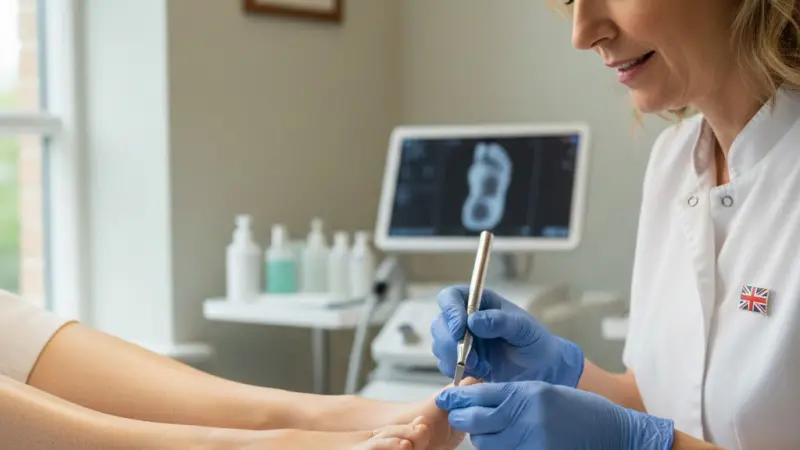
The chiropody and podiatry sector in the United Kingdom represents a vital pillar of the nation’s healthcare infrastructure. Historically, the term "chiropodist" was the standard British designation for foot health experts, but since the late 20th century, "podiatrist" has emerged as the internationally recognised title for professionals specializing in the lower limbs. Today, the two terms are often used interchangeably in common parlance, yet they both represent a highly regulated and economically significant industry.

Economically, foot health services contribute hundreds of millions of pounds to the UK economy annually. Beyond direct revenue, the sector plays a critical role in preventative care, particularly for the NHS. By managing conditions such as diabetic foot ulcers and circulatory issues, podiatrists save the public health system significant costs associated with hospital admissions and surgical interventions. As the British population ages, the demand for these services has skyrocketed, transitioning the niche from a luxury "pedicure" association to an essential medical requirement. For those seeking these specialists, a uk local business directory serves as an invaluable tool for connecting patients with qualified practitioners.
The Landscape of Chiropodists (Podiatrists) in the UK
The current market for podiatry services in the UK is characterized by a robust mix of NHS provision and a rapidly expanding private sector. Estimates suggest the market is valued at over £300 million, with a projected growth rate that mirrors the increasing health awareness of the British public. Activity is most concentrated in regions with higher elderly demographics, such as the South Coast and the East Midlands, though major metropolitan hubs like London and Manchester see significant demand from the active "weekend warrior" demographic and professional athletes.
The industry underwent a profound evolution post-pandemic. During the lockdowns, many routine clinics were forced to close, leading to a backlog of "maintenance" care. However, this period also acted as a catalyst for digital transformation. Tele-podiatry emerged as a viable method for initial consultations and wound monitoring, while private clinics invested heavily in PPE and advanced clinical hygiene protocols. Post-2020, there has been a notable shift toward a "holistic" approach to foot health, where practitioners are no longer just treating corns, but are integral parts of multidisciplinary teams addressing biomechanics and systemic health. To navigate this evolved landscape, consumers and professionals alike rely on a uk business directory to identify the most resilient and modern practices in their vicinity.
Comprehensive Services Breakdown
British podiatry offers a surprisingly wide array of medical and surgical interventions. The core of the profession remains "General Podiatry," which encompasses the treatment of common ailments such as ingrown toenails, fungal infections, verrucae, and the debridement of calluses and corns. These routine treatments are the bread and butter of most local clinics.
However, the niche has expanded into several specialized areas:
Biomechanical Assessments: Utilizing pressure plate technology and 3D gait analysis to identify gait abnormalities that cause knee, hip, and back pain.
Custom Orthotics: The prescription and manufacture of bespoke insoles to correct foot alignment.
Diabetic Foot Care: A high-stakes service involving the management of neuropathy and ulceration to prevent limb-threatening infections.
Podiatric Surgery: Invasive procedures, often performed under local anaesthetic, to correct bunions or hammer toes.
Sports Podiatry: Focused on injury prevention and performance enhancement for athletes.
For those starting a new practice or offering these specialized treatments, securing a business listing uk is the first step in ensuring that patients searching for specific procedures can find their clinic.
Modern foot health isn't just about pain relief; it’s about mobility and quality of life.
How to Choose the Right Service Provider
For the British consumer, choosing a podiatrist involves more than just a quick search. The most critical factor is ensuring the practitioner is registered with the Health and Care Professions Council (HCPC). In the UK, the titles "Chiropodist" and "Podiatrist" are legally protected; it is a criminal offence for someone to use these titles if they are not on the HCPC register.
Beyond legal registration, look for:
Accreditations: Membership in the Royal College of Podiatry (RCPod) or the Institute of Chiropodists and Podiatrists (IOCP).
Insurance: Full professional indemnity insurance is a hallmark of a reputable clinic.
Reviews: Local reputation is everything. Checking local business listings uk can provide insight into the patient experience and clinical outcomes.
Specialism: If you have a sports injury, seek a clinician with a postgraduate qualification in sports medicine rather than a generalist.
Always verify the clinic’s hygiene standards. A professional setting should resemble a minor surgical suite, with autoclaved instruments and a clear focus on infection control.
Industry Challenges & Future Outlook
The path ahead for UK podiatry is marked by both technological excitement and regulatory hurdles. One of the primary challenges is the "workforce gap." The NHS is currently facing a shortage of qualified podiatrists, which has led to longer waiting times and a surge in the private market.
Technologically, the industry is moving toward "Smart Podiatry." We are seeing the rise of AI-driven diagnostic tools that can predict ulcer formation in diabetic patients before they occur. Sustainability is also becoming a core focus; clinics are moving away from single-use plastics and toward biodegradable PPE and eco-friendly orthotic materials. Regulatory changes, particularly around the "Independent Prescribing" rights for podiatrists, have allowed practitioners to offer faster, more comprehensive care without requiring a GP’s intervention for antibiotics or painkillers. As the industry becomes more high-tech, professionals are increasingly seeking a business listing uk to highlight their advanced equipment and modern approaches to a tech-savvy patient base.
Business Tips for Chiropodists (Podiatrists) Professionals
Running a successful clinic in the UK requires more than clinical excellence; it requires savvy marketing. In a competitive local market, digital visibility is the difference between a full diary and an empty waiting room.
Local SEO: Ensure your practice appears in local search results by optimizing your website for "Podiatrist in [Your City]."
Content Marketing: Write blogs about common foot issues like plantar fasciitis to establish authority.
Community Engagement: Partner with local running clubs or elderly care homes to offer workshops.
Directory Presence: Being listed in a uk verified business listings database builds trust and provides high-quality backlinks to your site.
Consistency is key. Modern patients expect to book appointments online, see clear pricing, and read testimonials from people with similar conditions. By leveraging digital tools, even a small solo-practice can compete with larger medical groups.
Wrapping Up & Local Page Integration
The chiropody and podiatry sector is an essential component of the UK's health and economic fabric. As we move further into a decade defined by an aging population and a focus on wellness, the role of the foot health professional will only grow in importance. Whether you are a patient looking for relief or a professional looking to grow your practice, the right connections are vital.
Local Page UK serves as the premier solution for British businesses and consumers. By providing a centralized, authoritative platform, it bridges the gap between high-quality service providers and the people who need them. In an era where digital noise is deafening, being part of a trusted uk online business directory ensures that quality care is never more than a click away.
Boost Your Visibility with Local Page UK
For professionals in the chiropody and podiatry sector, the digital marketplace is your new high street. If your clinic isn't visible where patients are searching, you are losing revenue to competitors who are. We invite you to claim your business listing uk today. By joining our network, you enhance your local SEO, build clinical trust through verified details, and ensure that your expertise reaches the residents in your community who need it most. Don't let your business stay hidden—put your best foot forward with Local Page UK.
Frequently Asked Questions
1. What is the difference between a chiropodist and a podiatrist?
In the UK, there is no professional difference between the two titles. "Chiropodist" is the traditional British term, while "Podiatrist" is the modern, internationally recognized name for the same medical profession. Both must be registered with the HCPC to practice legally.
2. Do I need a GP referral to see a podiatrist privately?
No, you do not need a referral from your doctor to book an appointment with a private podiatrist. You can simply find a local practitioner and book directly.
However, if you are looking for NHS treatment, you usually need a referral from your GP or another health professional.
3. How often should I have my feet checked?
For a healthy adult, an annual check-up is recommended to catch any potential issues early. However, if you have diabetes or circulatory problems, your podiatrist may recommend visits every 6 to 12 weeks to manage risks.
4. Are podiatry treatments covered by health insurance?
Many private health insurance providers in the UK cover podiatry, especially for biomechanical issues or surgical requirements. Always check with your specific provider to see if they reimburse costs for HCPC-registered professionals.
5. How can I find a reliable podiatrist in my local area?
The most efficient way is to use a dedicated platform like Localpage. These directories allow you to filter by location and service type, ensuring you find a verified professional with a strong local reputation.
6. What should I bring to my first podiatry appointment?
It is helpful to bring a list of any medications you are taking, a pair of your most commonly worn shoes, and any previous orthotics. This helps the podiatrist understand your medical history and lifestyle.
7. Can podiatrists prescribe medication?
Yes, many podiatrists have undergone additional training to become "Independent Prescribers," allowing them to prescribe antibiotics, painkillers, and other relevant medications directly to their patients.
8. Is foot pain a normal part of aging?
Absolutely not. While our feet change as we age, pain is always a signal that something is wrong. Most age-related foot pain can be significantly reduced or eliminated with the right podiatric care and footwear advice.
9. What are custom orthotics?
Custom orthotics are bespoke insoles made specifically for your feet following a biomechanical assessment. Unlike over-the-counter inserts, they are designed to correct your specific alignment issues and gait.
10. How do podiatrists treat verrucae?
Treatment options include cryotherapy (freezing), acid treatments, or newer technologies like Swift microwave therapy. The choice depends on the size, location, and persistence of the verruca.
11. Can a podiatrist help with back and knee pain?
Yes. Many back and knee issues stem from poor foot alignment or an abnormal gait. A podiatrist can perform a biomechanical analysis to see if your foot function is contributing to pain elsewhere in your body.
12. Is podiatry treatment painful?
Most routine treatments, such as corn removal or nail cutting, are virtually painless and provide immediate relief. For more invasive procedures, local anaesthetics are used to ensure patient comfort.
13. What is a biomechanical assessment?
This is a comprehensive examination of the way your lower limbs move. It involves looking at your joints, muscles, and the way you walk to identify any irregularities that could cause pain or injury.
14. Why is foot care so important for diabetics?
Diabetes can cause nerve damage (neuropathy) and poor circulation. This means a small cut on the foot might not be
felt and can quickly turn into a serious ulcer or infection. Regular podiatry is life-saving for many diabetics.
15. How can I list my podiatry clinic online for more patients?
The best way to increase your clinical visibility is to sign up for a profile on Local page. This ensures your business information is accurate and easily discoverable by local patients searching for foot health experts.

Disclaimer: The information provided in this article is for general informational and research purposes only. Company details, features, services, and market positions may change over time. Readers are advised to visit official company websites and conduct independent research before making any business decisions or purchasing services.
Most Searchable Keywords

Recent Blogs



Related Listings


Categories
- Accountants (295)
- Advertising Agencies (559)
- Architects (149)
- Automobiles (377)
- Beauty (300)
- Carpenters (146)
- Cleaning Services (386)
- Dentists (189)
- Driving (62)
- Electricians (215)
- Energy (8)
- Event Organiser (685)
- Finance (599)
- Guide (3365)
- Health (2207)
- Information technology (206)
- Legal Services (353)
- Logistics (6)
- Maintenance (65)
- Manufacturing (35)

Sponsored Listings in Locksmith Services


Related Blogs

Gen Z Political Reporters and News Creators i...
Read this insightful article "Gen Z Political Reporters and News Creators in the UK" to expand your knowledge!

Famous Female Social Media Influencers Across...
Read this insightful article "Famous Female Social Media Influencers Across the UK" to expand your knowledge!

Your UK Sponsor Licence 2026 Step by Step Gui...
Read this insightful article "Your UK Sponsor Licence 2026 Step by Step Guide" to expand your knowledge!
Questions & Answers – Find What
You Need, Instantly!
How can I update my business listing?
Is it free to manage my business listing?
How long does it take for my updates to reflect?
Why is it important to keep my listing updated?
