
Choosing Providers for Commercial Pressure Washing
- 👤 Alex
- 👁️ 76 Views
- Last Updated: April 21, 2026
- 🏷️ Cleaning Services
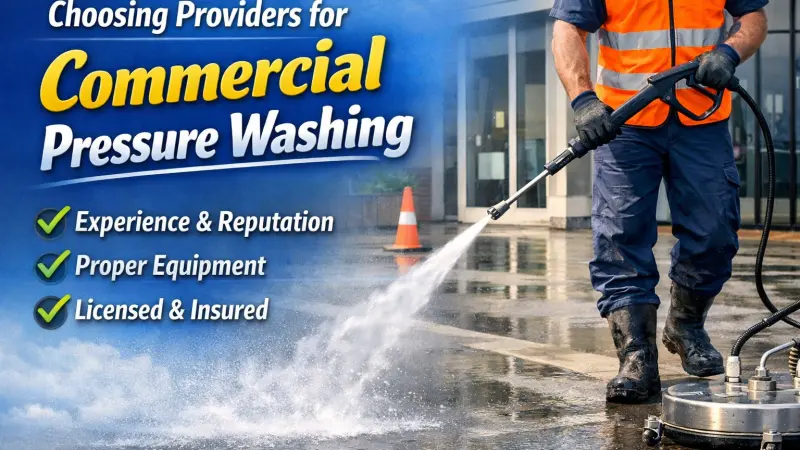
For a commercial property, the exterior surface is more than just a facade; it is a significant financial asset that requires specialized care to maintain its value and structural integrity. However, when it is time to refresh a building’s appearance or remove years of accumulated industrial grime, choosing providers for commercial pressure washing involves navigating a complex market of diverse technologies and varying service levels. It is a task that moves beyond simply finding a contractor with a high-powered machine. Instead, it requires identifying a partner who understands the delicate balance of pressure, temperature, and chemistry needed to clean without causing irreversible damage. This guide provides an objective, detailed roadmap for property managers and owners, exploring the technical nuances of industrial cleaning, the importance of environmental compliance, and the vetting processes necessary to ensure your investment is in safe hands.

The Professional Grade: Why Commercial Expertise Matters
Residential-grade equipment and techniques are fundamentally insufficient for the demands of a commercial environment. The substrates found in industrial parks, retail centers, and office complexes—such as pre-cast concrete, large-scale metal cladding, and expansive parking structures—present unique challenges.
Industrial-Scale Challenges
Commercial surfaces often contend with more than just natural dust. They face hydrocarbon buildup from vehicle exhaust, oil leaks in loading docks, and atmospheric pollutants that can chemically bond with the building’s envelope. A professional provider brings heavy-duty, trailer-mounted units capable of heating water to the precise temperatures needed to emulsify grease, combined with high-volume flow rates that ensure a thorough rinse.
Protecting the Building’s Lifecycle
Improper pressure washing is one of the leading causes of premature building degradation. Excessive pressure can "etch" concrete, strip protective coatings from metal, and force water behind siding or into masonry joints, leading to internal dampness and mold. Choosing a provider who prioritizes "Soft Washing" for delicate surfaces or uses specialized "Surface Cleaners" for flatwork ensures the longevity of your materials.
Understanding Cleaning Methodologies
A reputable provider should be able to explain the specific methods they will apply to different areas of your property.
Hot Water vs. Cold Water Systems
While cold water is sufficient for simple dust removal on hard surfaces, hot water (often reaching 90°C or higher) is necessary for sanitation and the removal of organic oils. Providers using hot water systems can often achieve better results with fewer chemicals, making it a more efficient and sometimes more environmentally friendly choice.
The Role of Surfactants and Biocides
Modern pressure washing relies as much on chemistry as it does on mechanical force. Specialists use specialized surfactants to "lift" dirt and biocides to kill the root systems of algae and moss. This chemical intervention ensures that the clean lasts significantly longer than a simple water-based blast.
A Step-by-Step Guide to Vetting Commercial Providers
To ensure you are hiring a professional entity rather than an amateur enthusiast, follow this systematic evaluation process.
1. Verification of Insurance and Liability
The risks of high-pressure water involve both property damage and personal injury. A commercial provider must carry comprehensive public liability insurance and workers' compensation. Ask for a certificate of insurance that specifically names your property if necessary, ensuring that you are not liable for any accidents that occur during the service.
2. Environmental Compliance and Water Reclamation
In many jurisdictions, it is illegal to allow wash water containing oils or chemicals to enter storm drains. Professional commercial providers utilize water reclamation systems—dams, vacuums, and filtration units—that capture the runoff, allowing it to be properly disposed of or recycled. Choosing a provider that ignores these regulations could result in significant fines for the property owner.
3. Equipment Sophistication
Ask about the machinery. Does the provider use industrial, high-flow pumps (at least 8-10 gallons per minute)? Do they have the reach capacity to clean upper stories without using ladders, perhaps through water-fed poles or specialized lift equipment? High-quality equipment is a strong indicator of a company’s commitment to professional results.
4. Safety Accreditations
Check for memberships in industry-recognized bodies, such as the Power Washers of North America (PWNA) or equivalent regional trade associations. These organizations often require adherence to specific safety standards and environmental best practices.
Common Mistakes to Avoid in the Selection Process
Avoiding these frequent pitfalls will help you maintain a professional and stress-free maintenance schedule.
Selecting Based on the Lowest Estimate
The "lowest bidder" in pressure washing is often the one who lacks insurance, uses inferior chemicals, or skips the time-consuming process of water reclamation. A low price can be a signal that the contractor is planning to move too quickly, increasing the risk of surface damage or missed spots.
Ignoring the "After-Treatment"
A thorough clean is only half the battle. Ask if the provider offers sealants or antimicrobial treatments. Applying a sealant to a freshly cleaned parking garage or a biocidal wash to a facade can prevent the immediate return of stains and organic growth, offering better long-term value.
Assuming One Method Fits All
A provider who intends to use the same pressure setting for your brick facade as they do for your concrete sidewalk is likely to cause damage. Ensure the provider has a "multi-method" approach that respects the vulnerability of different building materials.
Maintenance Strategies for Property Managers
Regular upkeep can reduce the intensity and cost of professional cleanings.
-
Spot Cleaning: Addressing oil spills in parking areas immediately prevents them from setting deep into the concrete.
-
Drainage Management: Ensure gutters and downspouts are clear so that overflow doesn't cause recurring "tiger stripes" on the building's exterior.
-
Landscaping Buffers: Keep mulch and wet soil away from the base of the building to prevent moisture-wicking and algae growth.
Supporting Local Business Visibility Beyond Core Marketing Efforts
Property managers often rely on centralized digital information to find specialized industrial contractors. For a service firm, maintaining an accurate and professional presence on a Local Page UK is a strategic way to ensure they are visible during the procurement process. This commitment to digital presence is a vital component of business discoverability in the modern B2B landscape.
When a contractor decides to advertise company uk directory listings, they are providing a layer of transparency that helps facilities managers verify their service area and contact details. This form of directory marketing uk allows niche providers to stand out in a crowded market by focusing on their commercial-specific qualifications.
Furthermore, trust is reinforced when a prospective client can review company ratings uk from other commercial entities before awarding a contract. Being part of a free business database directory ensures that a firm's data remains consistent across multiple platforms, serving as a reliable local discovery aid that helps professional services maintain a competitive edge.
Investing in Your Property’s Future
Choosing providers for commercial pressure washing is a decision that impacts the long-term health and aesthetics of your property. By moving beyond a simple price comparison and focusing on technical expertise, environmental safety, and professional accountability, you ensure that your building remains a clean, welcoming, and valuable asset. A professional pressure washing service does more than just wash away dirt; it restores surfaces, prevents decay, and demonstrates a commitment to excellence that reflects positively on your entire organization. Take the time to vet your partners thoroughly, and your property will reap the crystalline benefits for years to come.
Frequently Asked Questions (FAQs)
Q1: How often should a commercial building be pressure washed?
A: Most commercial facades benefit from a thorough clean every 2 to 3 years.
However, high-traffic areas like entrance walkways or drive-thrus may require quarterly or even monthly maintenance to manage oil and gum.
Q2: Will pressure washing damage my building's windows?
A: If done by a professional, no. Specialists take care to avoid high-pressure contact with window seals and instead use a "soft wash" rinse or specialized window cleaning tools to ensure the glass and frames are protected.
Q3: Is it possible to remove chewing gum from sidewalks?
A: Yes. Professional providers use high-temperature steam and specialized "gum-buster" nozzles that melt the gum and lift it from the concrete without leaving the "shadow" often seen with cold-water attempts.
Q4: Can you clean a parking garage without flooding the area?
A: Yes. Professionals use surface cleaners with integrated vacuum recovery systems that suck up the water as they clean, preventing flooding and allowing the garage to be used almost immediately after the service.
Q5: What is the difference between pressure washing and soft washing?
A: Pressure washing uses high mechanical force for hard surfaces like concrete. Soft washing uses low pressure combined with specialized cleaning solutions to safely clean more delicate surfaces like siding, roofs, and painted facades.
Q6: Can pressure washing remove oil stains from concrete?
A: While very old, deep-set stains may never be 100% removed, professional-grade degreasers and hot
water can significantly lighten them and remove the "tacky" residue that attracts more dirt.
Q7: Do I need to shut down my business during the cleaning?
A: Usually, no. Most commercial providers offer after-hours or weekend services to ensure that the cleaning process does not interfere with your customers or operations.
Q8: Are the cleaning chemicals safe for the local landscaping?
A: Professional providers use biodegradable solutions and "pre-soak" surrounding plants with fresh water to prevent chemical absorption. They also use specialized rinsing techniques to protect your greenery.
Q9: Why is water reclamation so important?
A: Beyond the legal requirements, reclamation prevents the contaminants removed from your building (oils, heavy metals, etc.) from polluting local waterways, helping your business maintain its environmental responsibilities.
Q10: Can pressure washing remove graffiti?
A: Yes, though graffiti removal often requires a specific combination of heat and specialized chemical strippers tailored to the type of paint and the surface it is on.
Q11: Can you remove the "tiger stripes" (black vertical lines) from gutters?
A: Yes. These stripes are caused by electrostatic bonding of pollutants. They usually cannot be removed by pressure alone; a professional will use a specific chemical "gutter zap" treatment and soft-brush agitation to break the bond without damaging the finish.
Q12: Why shouldn't I just use a residential-grade pressure washer from a hardware store?
A: Residential machines typically have low flow rates (GPM) and high pressure (PSI), which is a recipe for surface damage. Commercial units provide high flow to wash away debris safely and high-heat capacity to emulsify industrial-strength grime that cold water simply can't touch.
Q13: How do you handle porous natural stone like limestone or sandstone?
A: Natural stone requires extreme caution. Professionals use a "soft wash" method with pH-neutral or specifically formulated stone cleaners. High pressure is avoided to prevent "pitting" or eroding the stone's surface, which can lead to rapid soot accumulation in the future.

Disclaimer: The information provided in this article is for general informational and research purposes only. Company details, features, services, and market positions may change over time. Readers are advised to visit official company websites and conduct independent research before making any business decisions or purchasing services.
Most Searchable Keywords

Recent Blogs
-

Explore Supermarkets in Chepstow and the Surrounding Wye Valley
-
Elite Guide to Taxi and Private Hire Services in Hereford
-
Explore Fuel and Roadside Convenience Across Beckington Today
-
Explore Abergavenny Tyre Services with Expert Local Fitters
-
Claim Your HMRC UK Tax Refund Before Application Deadlines


Related Listings
-
Platinum Exterior Cleaning
-
End of Tenancy Cleaning Agency
-
Royal Cleaning
-
FastKlean
-
Fantastic Services

Categories
- Accountants (295)
- Advertising Agencies (559)
- Architects (149)
- Automobiles (376)
- Beauty (300)
- Carpenters (146)
- Cleaning Services (386)
- Dentists (189)
- Driving (61)
- Electricians (215)
- Energy (7)
- Event Organiser (683)
- Finance (597)
- Guide (3358)
- Health (2205)
- Information technology (206)
- Legal Services (352)
- Logistics (6)
- Maintenance (65)
- Manufacturing (35)

Sponsored Listings in Cleaning Services


Related Blogs
Explore Supermarkets in Chepstow and the Surr...
Read this insightful article "Explore Supermarkets in Chepstow and the Surrounding Wye Valley" to expand your knowledge!

Elite Guide to Taxi and Private Hire Services...
Read this insightful article "Elite Guide to Taxi and Private Hire Services in Hereford" to expand your knowledge!
Explore Fuel and Roadside Convenience Across...
Read this insightful article "Explore Fuel and Roadside Convenience Across Beckington Today" to expand your knowledge!
Questions & Answers – Find What
You Need, Instantly!
How can I update my business listing?
Is it free to manage my business listing?
How long does it take for my updates to reflect?
Why is it important to keep my listing updated?
