
Cider Makers Crafting Traditional & Modern Flavours
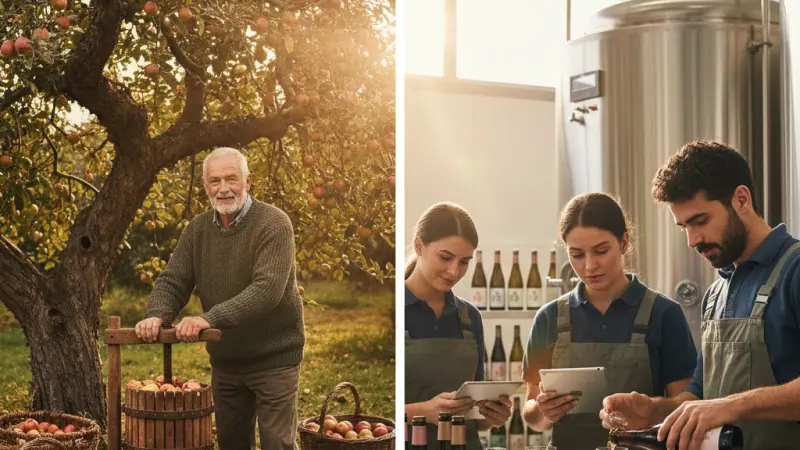
The United Kingdom is widely regarded as the global epicenter of cider production, a title earned through centuries of heritage and a landscape dotted with some of the most productive orchards in the world. For any discerning observer of the British economy, the cider makers sector represents a vital intersection of agricultural prowess, manufacturing innovation, and hospitality. Historically, cider was the "wine of the west," a staple for farm labourers and a cornerstone of rural life. Today, it has evolved into a sophisticated multibillion-pound industry that continues to shape the UK’s rural identity and economic health.
The economic importance of the UK cider industry cannot be overstated. According to the National Association of Cider Makers (NACM), the industry supports approximately 65,000 jobs and manages over 15,000 acres of orchards. With an annual production exceeding 700 million litres, British cider makers account for nearly 40% of the European market share. This dominance is not merely a matter of volume; it is a reflection of a complex supply chain that involves thousands of independent apple growers, specialized logistics providers, and high-tech bottling facilities.
The sector serves as a massive engine for rural regeneration. Beyond the primary production, the "cider tourism" ripple effect—encompassing orchard tours, tasting rooms, and harvest festivals—injects millions of pounds into local economies. For entrepreneurs and small businesses, the barrier to entry has shifted, allowing for a "craft revolution" that mirrors the trajectory of the artisan beer movement. As consumers increasingly prioritize provenance and quality over mass production, the UK cider market has seen a surge in premium and single-varietal offerings. To navigate this sprawling landscape of producers, many consumers and business partners turn to a reliable uk online business directory to identify authentic local makers who represent the pinnacle of British craftsmanship.
The Landscape of Cider Makers in the UK
The current landscape of cider making in Britain is a fascinating study in resilience and adaptation. Geographically, the "Cider Belt"—spanning Herefordshire, Somerset, Devon, and Gloucestershire—remains the heartland. However, we are witnessing a significant expansion into non-traditional regions such as Kent, Suffolk, and even parts of Scotland, where modern varieties of dessert apples are being repurposed for refreshing, crisp contemporary ciders.
Post-pandemic, the industry has undergone a structural transformation. The closure of the "on-trade" (pubs and bars) during lockdowns forced many traditional makers to pivot toward "off-trade" (supermarkets and retail) and direct-to-consumer (DTC) e-commerce models. This shift was a catalyst for digital transformation; cideries that previously relied on word-of-mouth found themselves investing in professional branding and online storefronts. As we move through 2025 and 2026, the market size has stabilized, with the on-trade sector reaching a historic valuation of £2 billion.
One of the most notable trends in the post-pandemic era is the "premiumisation" of the category. Consumers are drinking less in terms of volume but are spending more on high-quality, bottled-conditioned, or barrel-aged products. This has provided a lucrative niche for small-scale artisanal producers who focus on "terroir"—the idea that the soil, climate, and geography of an orchard impart a unique character to the fruit. Despite global economic pressures and high inflation, the demand for "Britishness" remains a strong driver for the local page uk business directory, where users actively seek out home-grown brands that offer a tangible connection to the land.
Comprehensive Services Breakdown
Modern cider makers offer far more than just a standard pint of "scrumpy." The diversity of products and services now available is staggering, catering to everyone from the casual supermarket shopper to the high-end restaurant sommelier.
Traditional Bittersweet Ciders: These are the backbone of the industry, made using specific cider apples high in tannins and sugar. They are often fermented slowly over the winter months to develop deep, complex profiles.
Modern & Fruit-Flavoured Ciders: To appeal to younger demographics (specifically the 18–34 age group), makers have innovated with fruit infusions—rhubarb, peach, elderflower, and berry blends. These often feature a lower ABV and a sparkling, refreshing finish.
No and Low-Alcohol Variants: One of the fastest-growing segments is the "Lo/No" category. Advanced dealcoholization technology now allows makers to retain the crisp acidity and apple aroma of cider without the alcohol, seeing a 10-15% year-on-year growth.
Contract Bottling & Private Labeling: Larger cideries often provide services for smaller brands, including pressing, fermentation, and packaging.
This B2B side of the industry is essential for maintaining a business listing uk and ensuring that even micro-producers can get their products to market.
Educational & Tourism Experiences: Guided tastings, "Pommelier" certifications, and "adopt-a-tree" schemes have become standard service offerings. These services help build brand loyalty and provide an additional revenue stream that is less dependent on fluctuating fruit yields.
Sustainable & Organic Production: With the rise of the eco-conscious consumer, many makers are now offering certified organic ciders, produced without synthetic pesticides or fertilizers, and using renewable energy in the fermentation process.
How to Choose the Right Service Provider
Whether you are a pub owner looking for a new draught line or a consumer hunting for a vintage bottle for a special occasion, choosing the right cider maker requires a bit of "due diligence." The market is crowded, and quality can vary significantly.
Accreditations and Memberships: Look for makers who are members of the National Association of Cider Makers (NACM) or regional groups like the Three Counties Cider and Perry Association. These organizations ensure that members adhere to high technical and legislative standards. Reviews and Reputation: In the digital age, a maker's local reputation is visible through local business listings uk. Pay attention to feedback regarding consistency. Is the cider as good in June as it was in October? Does the producer handle shipping and customer service professionally? Insurance and Safety: For B2B partnerships, ensure the provider has comprehensive public liability insurance and adheres to HACCP (Hazard Analysis and Critical Control Point) food safety protocols. This is non-negotiable for anyone operating in the food and beverage manufacturing space. Provenance and Transparency: A "right" provider should be transparent about their fruit sourcing. Do they use 100% fresh juice, or do they rely on concentrate? While concentrate-based ciders have their place in the mass market, the discerning buyer usually looks for "juice-led" producers who can name the orchards their apples came from.
Industry Challenges & Future Outlook
The path ahead for cider makers is both exciting and fraught with regulatory and environmental hurdles. Climate change is perhaps the most immediate threat. The "mast years" of 2024 and 2025—characterized by unusually hot summers—led to fruit with exceptionally high sugar content. While this creates flavourful cider, it also results in higher ABVs, pushing some traditional makers above the 8.5% threshold where HMRC duty rates skyrocket.
Sustainability Initiatives: The industry is moving toward a "circular economy." We are seeing makers utilize apple pomace (the leftover pulp) for animal feed, biofuel, or even as an ingredient in vegan leathers. Green initiatives are no longer optional; they are a requirement for securing shelf space in major retailers. Technology Shifts: Precision fermentation and AI-driven orchard management are beginning to take hold. Sensors can now monitor soil moisture and nutrient levels in real-time, helping farmers adapt to volatile weather patterns. Regulatory Changes: Post-Brexit, the UK has been reviewing its alcohol duty structures. For small producers, "Small Producer Relief" is vital for survival. Staying informed about these changes is a full-time job, which is why many makers use a business listing uk to stay visible to industry bodies and potential investors who can help them navigate these complexities.
Business Tips for Cider Makers Professionals
For the artisan cider maker, "making great cider" is only half the battle. In a saturated market, visibility is the currency of success. If a local craft cidery isn't visible online, it essentially doesn't exist to the modern consumer.
Digital Visibility: Invest in a clean, mobile-responsive website. SEO is your best friend—ensure you are ranking for keywords like "craft cider near me" or "traditional Somerset perry."
Leverage Local Pride: Your geography is your brand. Use high-quality photography of your orchards and the fermentation process. Storytelling is what differentiates a £5 bottle of craft cider from a £1 can of mass-produced liquid.
Directory Integration: Ensure your business is listed in every relevant uk verified business listings site.
This not only provides a direct link to customers but also boosts your website's domain authority through high-quality backlinks.
Social Media Engagement: Platforms like Instagram and TikTok are perfect for the visual nature of cider making. Show the "behind the scenes"—the muddy boots during harvest, the bubbling of the fermentation tanks, and the vibrant colours of a freshly poured glass.
Data-Driven Marketing: Use tools to track where your customers are coming from. If you notice a spike in interest from a specific city, consider a targeted social media ad campaign or a pop-up event in that area.
Wrapping Up & Local Page Integration
The UK cider industry is a testament to the enduring appeal of craftsmanship and the beauty of the British countryside. From the traditionalists preserving heirloom apple varieties to the innovators blending exotic fruits and experimenting with alcohol-free techniques, the sector is more vibrant than ever. However, for these businesses to thrive, they must bridge the gap between the orchard and the digital world.
This is where Local Page becomes an indispensable ally. In an era where "buying local" is a major consumer trend, having a centralized hub where customers can find verified, high-quality British businesses is essential. Whether you are a cider maker looking to expand your reach or a consumer searching for the perfect orchard-to-glass experience, the right uk b2b business directory provides the infrastructure for growth and discovery.
Boost Your Visibility with Local Page UK
For professionals in the cider making sector, being found online is no longer a luxury—it is the lifeline of your business. As competition grows from both domestic and international brands, you need a platform that champions your local expertise. By claiming your business listing uk on Local Page UK, you place your brand in front of thousands of potential customers and partners who are specifically looking for high-quality UK-based services and products. Don't let your craftsmanship stay hidden in the orchard; bring it to the digital forefront today.
15 Frequently Asked Questions (FAQs)
1. What is the difference between traditional and modern cider?
Traditional cider is typically made from 100% fresh-pressed bittersweet and bittersharp cider apples, often fermented using wild yeasts and matured for several months. Modern cider often uses culinary or dessert apples, may include fruit infusions, and is generally more filtered and carbonated for a crisp, consistent finish.
2. Is all cider naturally gluten-free?
Yes, cider is naturally gluten-free as it is made from fermented apple juice. Unlike beer, which is brewed from gluten-containing grains like barley and wheat, cider makers use fruit as their primary source of fermentable sugars, making it a safe choice for those with celiac disease or gluten sensitivities.
3. How long does it take to make a batch of craft cider?
The timeline varies significantly. A modern fruit-forward cider can be fermented and ready for consumption in as little as 4 to 8 weeks.
However, high-quality traditional ciders often undergo a slow fermentation over the winter and may be aged for 6 to 24 months to develop their full flavour profile.
4. What are bittersweet and bittersharp apples?
These are specialized cider apple categories. Bittersweets are high in sugar and tannins but low in acid, providing body and "mouthfeel." Bittersharps are high in both tannins and acid, providing the structural "bite" and preserving qualities needed for long-term aging and complex flavour development.
5. Why is digital visibility important for small cideries?
In a market dominated by large multinational brands, small cideries must use every tool available to reach their audience. Digital platforms allow makers to tell their unique story and reach customers outside their immediate geographic area. Using Localpage helps bridge the gap between traditional production and modern consumer habits.
6. Can I visit cider orchards for tours?
Many UK cider makers offer "orchard-to-glass" tours, especially during the blossom season in spring and the harvest season in autumn. These tours often include guided walks through the trees, a look at the pressing equipment, and a tutored tasting of their various cider styles in a dedicated taproom.
7. What is "Perry" and how does it differ from cider?
Perry is a traditional drink made from fermented pears, specifically "perry pears" which are distinct from eating pears. It is often lighter in colour and more delicate in flavour than apple cider. While often called "pear cider" for marketing purposes, true perry is a distinct and historic category.
8. How should I store bottled cider?
Bottled cider should be stored in a cool, dark place away from direct sunlight, which can degrade the flavour and colour. While most modern ciders are best consumed within a year of purchase, some high-end bottled-conditioned ciders can continue to evolve and improve for several years if stored correctly.
9. What is the role of tannins in cider?
Tannins are compounds found in the skin and pips of cider apples that provide astringency and bitterness. They are essential for creating the "body" and structure of traditional ciders, much like they do in red wine, helping to balance the natural sweetness and acidity of the fruit.
10. Are there non-alcoholic ciders available?
Yes, the "No and Low" category has expanded rapidly. Modern makers use techniques like vacuum distillation or limited fermentation to produce ciders with less than 0.5% ABV that still retain the authentic aroma and crispness of traditional apple cider, catering to health-conscious consumers.
11. What is "scrumpy" cider?
"Scrumpy" is a term traditionally used for rough, unfiltered, and often high-alcohol cider made by small-scale farmers. While the term is sometimes used pejoratively for poor-quality cider, many modern craft makers have reclaimed it to describe authentic, farmhouse-style ciders that haven't been heavily processed.
12. How does the UK cider market compare globally?
The UK is the world's largest cider market by both volume and value. We consume more cider per capita than any other nation and produce nearly 40% of all cider made in Europe. This scale has allowed British makers to lead the world in production technology and style innovation.
13. What is the "Small Producer Relief" scheme?
This is a UK government tax initiative that allows smaller cider makers (producing below a certain annual volume) to pay a reduced rate of alcohol duty. This relief is crucial for the financial viability of micro-cideries and encourages the growth of the artisan and craft sector.
14. What food pairs best with cider?
Cider is incredibly versatile. Traditional dry ciders pair perfectly with pork dishes, sharp cheddar cheese, and creamy sauces.
Sweeter, fruitier ciders are excellent with spicy Asian cuisine or fruit-based desserts, while sparkling ciders can even serve as an alternative to champagne with seafood.
15. How can I find local cider makers in my area?
The most efficient way to discover authentic producers is to consult a professional directory that verifies local businesses. By using Local page, you can search by region and category to find award-winning cideries that may not be available in your local supermarket but offer exceptional quality.
Disclaimer: The information provided in this article is for general informational and research purposes only. Company details, features, services, and market positions may change over time. Readers are advised to visit official company websites and conduct independent research before making any business decisions or purchasing services.
Most Searchable Keywords
Recent Blogs


Related Listings

Categories
- Accountants (295)
- Advertising Agencies (559)
- Architects (149)
- Automobiles (377)
- Beauty (300)
- Carpenters (146)
- Cleaning Services (387)
- Dentists (189)
- Driving (62)
- Electricians (215)
- Energy (8)
- Event Organiser (686)
- Finance (602)
- Guide (3374)
- Health (2207)
- Information technology (206)
- Legal Services (354)
- Logistics (6)
- Maintenance (65)
- Manufacturing (35)
Sponsored Listings in Travel Agencies


Related Blogs

Meet the Fair Work Agency Changing UK Work Ru...
Read this insightful article "Meet the Fair Work Agency Changing UK Work Rules in 2026" to expand your knowledge!

Collective Redundancy Errors Now Carry Higher...
Read this insightful article "Collective Redundancy Errors Now Carry Higher 2026 Penalties" to expand your knowledge!

Explore Dog Friendly Walks in the Cotswolds f...
Read this insightful article "Explore Dog Friendly Walks in the Cotswolds for 2026" to expand your knowledge!
Questions & Answers – Find What
You Need, Instantly!
How can I update my business listing?
Is it free to manage my business listing?
How long does it take for my updates to reflect?
Why is it important to keep my listing updated?
