
Clay & Clay Products: Uses, Grades and Trusted Suppliers
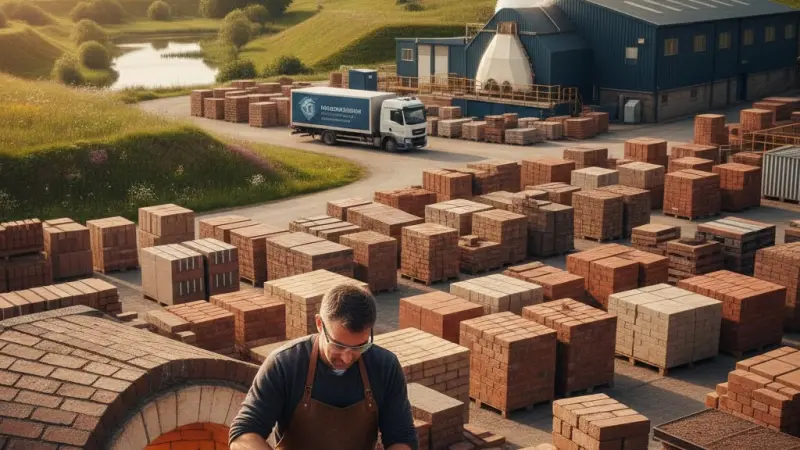
Clay is one of the most fundamental materials in human history, yet its importance in the modern United Kingdom economy remains as vital today as it was during the height of the Industrial Revolution. As a cornerstone of the British construction, manufacturing, and artistic sectors, clay and its derived products represent a multi-billion pound industry that supports thousands of jobs across the supply chain. From the iconic red bricks of Victorian London to the high-tech ceramic heat shields used in aerospace, clay is a versatile, sustainable, and indispensable resource.

In the UK, the extraction and processing of clay—specifically brick clay, china clay (kaolin), and ball clay—are centered in specific geological hotspots, driving regional economies. The economic importance of this sector cannot be overstated; it is the "backbone" of the government’s housing targets, providing the essential materials for residential and commercial development. Furthermore, the UK is a global leader in the export of high-grade ball clay and kaolin, making the sector a significant contributor to the national balance of payments. For those looking to navigate this complex market, a reliable uk business directory website is essential for identifying the manufacturers and suppliers that keep the nation building.
Beyond construction, the sector encompasses a diverse range of applications. Industrial clays are used in paper coating, rubber, plastics, and even pharmaceuticals. The craftsmanship involved in British pottery and ceramics also carries a prestigious international reputation, with brands from the Staffordshire Potteries remaining household names worldwide. As we move towards a more sustainable future, the durability and recyclability of clay products position them as a "green" alternative to carbon-heavy synthetic materials. This guide explores the depths of this industry, providing clarity on grades, uses, and how to source the best partners for your projects.
The Landscape of Clay & Clay Products in the UK
The UK clay industry is a sophisticated landscape defined by geographical specialization and historical expertise. The market size for clay products, particularly heavy clay construction materials like bricks and roof tiles, has shown remarkable resilience. Despite global economic fluctuations, the demand for British-made clay products remains high, driven by a domestic preference for traditional aesthetics and long-lasting building materials. Key regions of activity include the "Potteries" in North Staffordshire, the clay pits of Devon and Cornwall for kaolin, and various brick-making hubs across the East Midlands and South East.
Post-pandemic, the industry has undergone a significant evolution. While the initial lockdowns disrupted supply chains and temporarily halted extraction, the subsequent surge in home improvements and the government’s "Build Back Better" initiative led to a record-breaking demand for clay materials. This period also highlighted the vulnerabilities of relying on imported goods, prompting a renewed focus on domestic production. Many suppliers have since digitised their operations, making it easier for contractors to find local businesses uk that can provide steady stock levels without the logistical delays of international shipping.
Furthermore, the industry has seen a shift towards consolidation, with larger groups acquiring smaller, specialist pits and kilns to ensure a vertical supply chain. However, there is still a thriving ecosystem of independent producers who focus on "specialist" or "heritage" bricks and tiles, essential for the UK's extensive conservation and restoration market. The digital landscape has become the primary arena for these interactions, where a comprehensive uk local business directory serves as the bridge between traditional craftsmen and modern developers.
Comprehensive Services Breakdown
The clay sector is far more diverse than simple masonry. To understand the services offered, one must look at the specific grades and their intended applications.
1. Heavy Clay Construction Products
This is the most visible sub-sector. It includes the manufacture of facing bricks, engineering bricks, and clay roof tiles. Services here often include "brick matching" for extensions and bespoke moulding for architectural features. Suppliers in this niche often offer technical consultations to ensure the structural integrity and thermal performance of the clay units meet modern building regulations. For contractors seeking these specific materials, consulting a business listing uk can reveal regional suppliers who specialize in local clay types.
2. China Clay (Kaolin) and Ball Clay
The UK is home to some of the world's finest deposits of kaolin and ball clay, primarily in the South West. These are not used for bricks but for fine ceramics, sanitaryware, and industrial fillers. Services in this area are highly technical, involving precise chemical processing to ensure the clay meets specific brightness and plasticity standards. This sector is heavily B2B-focused, providing raw materials to other manufacturers.
3. Refractory and Technical Ceramics
This niche involves clay products designed to withstand extreme temperatures or chemical environments. This includes kiln linings, crucibles, and insulators for the energy and chemical sectors. Finding a provider with the right specialized equipment often requires searching through a business listing uk to find verified industrial manufacturers.
4. Heritage and Restoration Services
With thousands of listed buildings in the UK, the demand for "hand-thrown" or "handmade" clay products is significant. These services involve replicating historical textures and colours that modern automated factories cannot achieve.
This is a highly skilled area of the industry where reputation and portfolio are paramount.
How to Choose the Right Service Provider
Choosing a clay product supplier or service provider requires a balance between technical specifications and business reliability. In an industry where a single batch of low-quality bricks can compromise an entire building’s lifespan, due diligence is non-negotiable.
First, look for industry-specific accreditations. Membership in the British Ceramic Confederation (BCC) or the Brick Development Association (BDA) is a strong indicator of a supplier’s commitment to quality and ethical standards. These bodies often require members to adhere to strict manufacturing protocols and sustainability targets. Additionally, ISO certifications (such as ISO 9001 for quality management and ISO 14001 for environmental management) are essential for large-scale commercial contracts.
Second, verify their insurance and liability coverage. This is particularly important if you are hiring a specialist for installation or heritage restoration. Ensuring they have public liability and professional indemnity insurance protects you from potential structural failures or site accidents. Reviews and testimonials are also invaluable; however, ensure you are looking at uk verified business listings to avoid skewed or fraudulent feedback.
Local reputation also plays a massive role in the clay industry. Because clay is heavy and expensive to transport, sourcing from a provider within a 50-mile radius can significantly reduce costs and carbon footprint. A uk home services directory or a trade-specific search can help you identify local pits or kilns that have served your community for generations. Finally, always request samples. Clay is a natural product, and variations in colour and texture are common; seeing the product in person under natural light is the only way to ensure it meets your aesthetic requirements.
Industry Challenges & Future Outlook
The UK clay industry is currently at a crossroads, facing significant challenges that are simultaneously driving innovation. The most pressing issue is the transition to "Net Zero." Brick and ceramic manufacturing are energy-intensive processes, traditionally relying on gas-fired kilns. The industry is now investing heavily in hydrogen-ready kilns, carbon capture technologies, and electric firing systems. Companies that fail to adopt these business listing uk-featured green initiatives may find themselves sidelined by increasingly stringent environmental regulations and carbon taxes.
Technological shifts are also redefining production. Automation and AI are being used to monitor kiln temperatures with unprecedented precision, reducing waste and energy consumption. 3D printing with clay is another emerging field, allowing for complex architectural shapes that were previously impossible or prohibitively expensive to produce. This "Industry 4.0" approach is essential for maintaining the UK’s competitive edge in the global market.
Regulatory changes, particularly surrounding the "Right to Build" and biodiversity net gain requirements for clay extraction sites, are also reshaping how companies operate. Pits are no longer just extraction sites; they are managed landscapes that must be returned to nature after use. This circular economy approach is becoming a selling point for the industry. Professional services in this sector must stay updated on these shifts, often utilizing a business listing uk to highlight their compliance with modern environmental standards to attract eco-conscious developers.
Business Tips for Clay & Clay Products Professionals
For professionals operating in this sector, from small-scale potters to mid-sized brick manufacturers, digital visibility is no longer optional. The way builders and architects source materials has shifted from physical catalogues to search engines. To compete, you must ensure your business appears in every relevant uk local trades directory and industry search.
Marketing a local clay business requires a focus on "Visual Proof" and "Technical Authority." Since clay is a tactile and aesthetic product, high-quality photography of finished projects is your best sales tool. Use social media to show the journey of the clay from the pit to the kiln. However, for B2B contracts, you must provide downloadable technical data sheets (TDS) and safety data sheets (SDS). Being listed on a uk local business search platform allows you to house these details where procurement officers can easily find them.
Networking remains vital, but it has moved online. Engaging with architects on LinkedIn and participating in digital trade forums can help build your brand. Additionally, claiming your profile on a local page uk
listings site ensures that when a local developer searches for "clay suppliers near me," your business is front and centre with updated contact info and professional credentials.
Wrapping Up & Local Page Integration
The UK clay and clay products industry is a testament to the enduring power of natural materials. It is an industry that blends ancient craft with cutting-edge science, providing the literal and figurative foundation for British society. Whether you are a homeowner looking for the perfect roof tile, an architect designing a landmark building, or an industrialist requiring high-grade minerals, the UK market offers world-class solutions.
However, the sheer size and variety of the sector can be overwhelming. This is where Local Page becomes an invaluable tool. By providing a centralized, easy-to-navigate uk online business directory, we empower users to find exactly what they need within their local area. For businesses, it is the premier platform to showcase their expertise, manage their reputation, and connect with a dedicated audience of UK-based customers. As the industry continues to evolve and embrace a digital-first future, staying connected through a trusted directory is the best way to ensure growth and reliability in this historic trade.
Boost Your Visibility with Local Page UK
In the competitive world of Clay & Clay Products, your craftsmanship and quality deserve to be seen. Whether you are a specialist brick maker, a ceramic artist, or a large-scale clay distributor, being found by local contractors and enthusiasts is the key to sustained growth. Don't let your business stay hidden in the shadows of larger, less personal corporations.
By choosing to claim your business listing uk, you are taking a vital step toward digital dominance. Local Page UK provides the platform you need to highlight your unique services, share your location, and collect verified reviews that build trust. In a sector where "local" means everything, we ensure your business is the first choice for your community.
Frequently Asked Questions
1. What are the main types of clay found in the UK?
The UK is geologically rich in three primary types of clay: brick clay, ball clay, and china clay (kaolin). Brick clay is found throughout the country and is used for construction materials. Ball clay, prized for its plasticity, is predominantly found in Devon and Dorset. China clay, used in fine porcelain and paper, is famously extracted from the granite landscapes of Cornwall. Understanding these differences is crucial for sourcing the right material for your specific project or manufacturing process.
2. How can I verify the quality of a clay product supplier?
Quality verification should involve checking for ISO 9001 certification and membership in professional bodies like the British Ceramic Confederation. You should also look for the "CE" or "UKCA" mark on construction products, which indicates they meet essential safety and performance standards. Additionally, checking a reputable directory for verified customer feedback can provide insight into the supplier's reliability and the consistency of their product batches over time.
3. Is clay a sustainable building material?
Yes, clay is considered highly sustainable due to its extreme durability, often lasting over 150 years. It is a natural material with no toxic off-gassing, and clay bricks can be recycled or reclaimed for heritage projects. While the firing process is energy-intensive, the UK industry is rapidly transitioning to renewable energy sources and hydrogen technology to significantly reduce its carbon footprint, making it a frontrunner in green construction.
4. Can I get custom-shaped clay bricks for a unique architectural design?
Absolutely. Many UK manufacturers offer specialist moulding services where bricks are hand-carved or pressed into bespoke shapes. This is common for decorative arches, plinths, and unique corner pieces.
This level of craftsmanship is often provided by smaller, heritage-focused kilns. If you are struggling to find a specialist, using a Localpage search can help you locate artisan brickworks that handle custom commissions.
5. What is the difference between facing bricks and engineering bricks?
Facing bricks are designed primarily for their aesthetic appearance, used on the exterior of buildings to provide colour and texture. Engineering bricks, however, are manufactured for their physical performance; they have high compressive strength and low water absorption. Engineering bricks are typically used for groundworks, manholes, and damp-proof courses where structural integrity and moisture resistance are more important than visual appeal.
6. Why is transport cost so high for clay products?
Clay is a dense, heavy material, which makes logistics a significant portion of the total cost. Haulage rates are calculated by weight and distance, and because specialized equipment is often needed for unloading (like crane-arm hiabs), prices can rise quickly. Sourcing from a local supplier is the most effective way to keep these costs down and minimize the environmental impact associated with long-distance road haulage.
7. How do I match existing bricks for an extension?
Brick matching involves comparing the size, colour, texture, and "frog" (the indentation in the brick) of your existing masonry. Many suppliers offer a free brick-matching service where you can send a photo or a physical sample. They will then search their current stock or historical archives to find the closest possible match, ensuring your extension blends seamlessly with the original structure.
8. What are refractory clays used for?
Refractory clays are specialized materials that can withstand temperatures exceeding 1,500°C without melting or losing structural integrity. They are essential for lining industrial furnaces, kilns, and fireplaces. These clays have high alumina content and are a critical component in the UK’s metal processing and glass manufacturing industries, where thermal resistance is a primary safety and operational requirement.
9. Are British clay products exported globally?
Yes, the UK is a major global exporter, particularly of high-quality ball clay and china clay. These minerals are highly sought after by international manufacturers for the production of high-end ceramics, sanitaryware, and even electronics. British-made bricks and roof tiles also have a niche market in North America and Asia, where the traditional "English look" is highly valued for luxury residential developments.
10. How has the pandemic affected clay supply chains?
The pandemic caused a dual-sided disruption: production slowed due to lockdowns, while demand spiked due to a "DIY boom." This led to significant lead times, sometimes exceeding 20 weeks for certain brick types. While production has largely recovered, the industry has shifted toward better inventory management and a greater reliance on digital platforms to provide real-time stock updates to contractors and developers.
11. Can clay products be used in modern "Passivhaus" designs?
Yes, clay products are excellent for Passivhaus and high-performance buildings. Clay blocks (like cellular clay blocks) provide high thermal mass, which helps regulate indoor temperatures, keeping buildings cool in summer and warm in winter. Their breathability also helps manage indoor humidity, contributing to a healthier living environment. When combined with modern insulation, clay creates a robust, energy-efficient building envelope.
12. What is "Ball Clay" and why is it important?
Ball clay is a rare variety of kaolinitic sedimentary clay. It is valued for its high plasticity and its ability to fire to a white or near-white colour. It is called "ball" clay because it was originally extracted in hand-dug cubes that became rounded into balls during transport. It is a vital ingredient in almost all ceramic tableware and sanitaryware produced today, providing the strength needed for shaping and firing.
13. How do I find a trusted clay supplier in my specific town?
The most efficient way to find a local supplier is to use a dedicated directory that allows for geographical filtering. By entering your postcode or town into a Local page search, you can bypass national wholesalers and find the local pits or merchants that understand the specific geological needs of your area. This often results in better prices and more tailored advice for your project.
14. What regulations govern clay extraction in the UK?
Clay extraction is subject to strict planning permissions, environmental impact assessments (EIA), and Mineral Planning Authority regulations. Operators must have clear plans for site restoration, noise control, and dust management.
They must also contribute to biodiversity net gain, ensuring that once the clay is extracted, the land is repurposed for wildlife, recreation, or agriculture, adhering to the UK's commitment to sustainable land use.
15. Are there different grades of clay for pottery?
Yes, potters choose clay based on their firing method and desired outcome. Earthenware is fired at lower temperatures and remains porous unless glazed. Stoneware is fired at higher temperatures, becoming vitrified and dense. Porcelain is the highest grade, made from kaolin, and is prized for its translucency and strength. Each grade requires different handling techniques and kiln settings, making the choice of supplier critical for the artist's success.

Disclaimer: The information provided in this article is for general informational and research purposes only. Company details, features, services, and market positions may change over time. Readers are advised to visit official company websites and conduct independent research before making any business decisions or purchasing services.
Most Searchable Keywords

Recent Blogs



Related Listings


Categories
- Accountants (295)
- Advertising Agencies (559)
- Architects (149)
- Automobiles (377)
- Beauty (300)
- Carpenters (146)
- Cleaning Services (386)
- Dentists (189)
- Driving (62)
- Electricians (215)
- Energy (8)
- Event Organiser (685)
- Finance (599)
- Guide (3365)
- Health (2207)
- Information technology (206)
- Legal Services (353)
- Logistics (6)
- Maintenance (65)
- Manufacturing (35)

Sponsored Listings in Locksmith Services


Related Blogs

Gen Z Political Reporters and News Creators i...
Read this insightful article "Gen Z Political Reporters and News Creators in the UK" to expand your knowledge!

Famous Female Social Media Influencers Across...
Read this insightful article "Famous Female Social Media Influencers Across the UK" to expand your knowledge!

Your UK Sponsor Licence 2026 Step by Step Gui...
Read this insightful article "Your UK Sponsor Licence 2026 Step by Step Guide" to expand your knowledge!
Questions & Answers – Find What
You Need, Instantly!
How can I update my business listing?
Is it free to manage my business listing?
How long does it take for my updates to reflect?
Why is it important to keep my listing updated?
