
Abrasive Products Manufacturing UK: Suppliers, Trends & Sourcing Guide
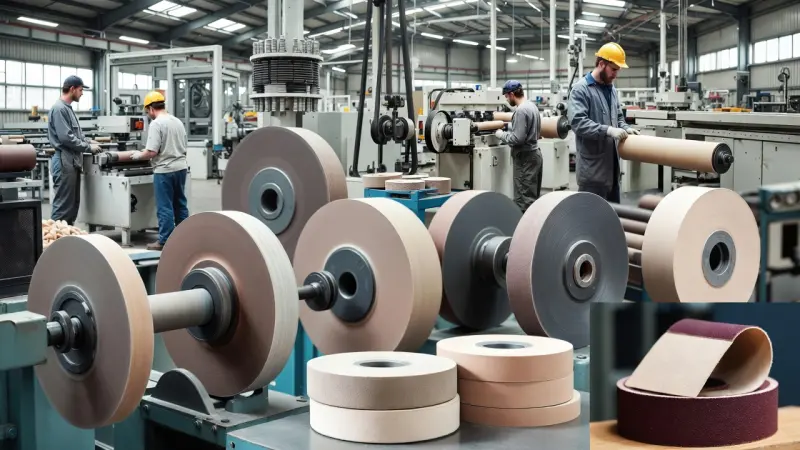
The Abrasive Products – Mnfrs & Distributors sector in the UK plays a pivotal role in supporting a wide array of industries, from automotive and aerospace to construction and metal fabrication. Abrasives are essential materials used for grinding, polishing, cutting, and finishing surfaces, enabling precision manufacturing and maintenance across the economy. This sector encompasses the production and distribution of bonded, coated, non-woven, and superabrasives, which are critical for achieving high-quality finishes and efficient material removal.
Economically, the industry contributes significantly to the UK's manufacturing landscape, which accounts for around 8% of the national GDP. With a market size estimated at £170.6 million in 2026, the sector has shown resilience despite challenges like supply chain disruptions and fluctuating raw material costs. It employs over 1,100 people and supports downstream sectors by providing tools that enhance productivity and product quality. Post-Brexit, the focus has shifted towards domestic sourcing and innovation, bolstering the UK's industrial self-sufficiency.
In an era of rapid technological advancement, abrasives manufacturers are adapting to demands for sustainability and efficiency. Businesses in this niche benefit from resources like the uk online business directory to connect with suppliers and clients. This guide explores the sector's landscape, services, selection criteria, challenges, business strategies, and future prospects, serving as an authoritative resource for sourcing and understanding trends in the UK abrasives market.
The Landscape of Abrasive Products – Mnfrs & Distributors in the UK
The UK abrasives manufacturing and distribution sector has evolved into a compact yet vital component of the broader manufacturing ecosystem. Current market size stands at approximately £170.6 million, reflecting a compound annual decline of 0.8% over the past five years through 2025-26. Broader estimates place the UK abrasives market value between USD 1.2 billion and 1.6 billion by 2028, growing at a CAGR of 3.7%, driven by demand in automotive, aerospace, and construction. This discrepancy highlights the distinction between manufacturing-specific figures and the inclusive market encompassing imports and distribution.
Key regions of activity are concentrated in industrial heartlands. The West Midlands emerges as a primary hub, leveraging its historical manufacturing ties for automotive and metalworking applications. Other significant areas include the North West, with companies like Washington Mills in Manchester focusing on electro-minerals, and the South East, where proximity to London facilitates distribution. Scotland and Wales host niche players in oil & gas and renewable energy sectors, utilizing abrasives for maintenance and fabrication.
Post-pandemic, the industry has undergone notable evolution. The COVID-19 crisis disrupted supply chains, leading to temporary slowdowns in 2020-21 due to reduced manufacturing output and logistics issues. However, recovery has been bolstered by government investments in infrastructure and aerospace, stabilizing revenue. Automotive manufacturing struggles have impacted bonded abrasives demand, but growth in construction—projected to drive future expansion—has offset losses. Sustainability initiatives have accelerated, with firms adopting eco-friendly materials amid rising energy costs.
Major players dominate the landscape: Saint-Gobain High Performance Solutions UK leads with innovative solutions, followed by 3M United Kingdom, Washington Mills Electro Minerals, and Sia Abrasives. Smaller distributors like Master Abrasives and Tyrolit provide specialized products. The sector's SME-heavy structure fosters agility, but consolidation trends post-Brexit emphasize local sourcing. Platforms such as the uk business directory aid in discovering regional suppliers, enhancing visibility for distributors.
Overall, the post-pandemic shift towards digital integration and green practices positions the UK abrasives sector for modest growth, supported by resilient downstream industries and export opportunities within Europe.
Comprehensive Services Breakdown
The Abrasive Products – Mnfrs & Distributors sector offers a diverse range of products and services tailored to industrial needs. At its core are bonded abrasives, which include grinding wheels, segments, and mounted points made from materials like aluminum oxide or silicon carbide, bonded with vitrified or resin agents. These are essential for heavy-duty applications in metalworking, such as precision grinding in automotive engine components or aerospace turbine blades.
Coated abrasives form another major category, encompassing sandpaper, belts, discs, and sheets where abrasive grains are adhered to flexible backings like paper or cloth. Ideal for surface preparation, they are used in woodworking for smoothing furniture or in construction for drywall finishing. Ceramic and zirconia alumina variants provide enhanced durability for high-pressure tasks.
Non-woven abrasives, such as pads and wheels, offer gentle cleaning and blending without aggressive material removal, suitable for deburring and satin finishing in stainless steel fabrication. Superabrasives, including diamond and cubic boron nitride (CBN) tools, cater to ultra-hard materials like ceramics or superalloys, prevalent in electronics and medical device manufacturing.
Services extend beyond products to include custom manufacturing, where suppliers like Roxor Abrasives design bespoke grinding wheels for automated machining. Distribution networks ensure timely supply, often with technical support for application optimization. Training programs, aligned with British Abrasives Federation (BAF) standards, educate users on safe handling and efficiency.
In the UK, companies like Kayson Green provide vitrified and resin grinding wheels, while SAIT Abrasives specializes in coated and bonded solutions crafted in Italy but distributed locally.
Klingspor offers innovative discs, emphasizing quality for metal fabrication. For blasting applications, United Abrasives supplies machinery and media.
Sustainability-focused services are emerging, with recycled abrasives and low-VOC bonds reducing environmental impact. Digital tools, like belt calculators from Mirka, assist in product selection. Businesses can leverage the uk local business directory to find specialized providers offering these comprehensive solutions, ensuring seamless integration into operations.
This breakdown underscores the sector's versatility, supporting everything from rough grinding to fine polishing across UK industries.
How to Choose the Right Service Provider
Selecting the ideal abrasive products manufacturer or distributor in the UK requires careful evaluation to ensure quality, reliability, and value. Start with accreditations: Look for BAF membership, which guarantees adherence to safety and quality standards, or ISO certifications like 9001 for quality management and 14001 for environmental practices. These indicate compliance with regulations such as REACH for chemical safety.
Reviews and testimonials are crucial. Platforms like Approved Business compile genuine customer feedback on suppliers' performance in delivery and product efficacy. Check for consistent positive ratings on durability and customer service. Insurance coverage, including product liability, protects against defects; verify providers carry adequate policies.
Local reputation matters—opt for suppliers with strong regional ties, such as those in the West Midlands for manufacturing proximity. Use directories like the business listing uk to identify verified local options.
Assess product range and customization capabilities. Providers like Master Abrasives offer tailored solutions; ensure they match your application needs. Evaluate technical support—reputable firms provide guidance on abrasive selection based on material, grit size, and objective.
Sustainability credentials are increasingly important; choose those using eco-friendly materials to align with UK regulations. Finally, compare pricing with long-term value, factoring in durability to minimize downtime.
By prioritizing these criteria, businesses can secure reliable partners through resources like the local business listings uk.
Industry Challenges & Future Outlook
The UK abrasives sector faces multifaceted challenges, including raw material price volatility for aluminum oxide and synthetic diamonds, exacerbated by global supply issues. High energy costs and labor expenses in Western Europe hinder competitiveness, leading to increased imports.
Technology shifts towards automation and IoT-enabled tools optimize usage but require investment. Sustainability demands eco-friendly abrasives, with regulations like REACH and RoHS pushing for reduced environmental impact. Post-pandemic, supply disruptions persist, but green initiatives like recyclable materials gain traction.
Future outlook is optimistic, with growth projected at 3.7-4.4% CAGR to 2028, driven by aerospace and EV manufacturing. Innovations in smart abrasives and nanofluids enhance efficiency. Regulatory changes emphasize circular economy practices.
Businesses can navigate these via platforms like the find local businesses uk for sustainable suppliers.
Business Tips for Abrasive Products – Mnfrs & Distributors Professionals
Marketing a local abrasives business in the UK demands a blend of traditional and digital strategies. Emphasize digital visibility through SEO-optimized websites showcasing products and case studies. Content marketing, like blogs on abrasive trends, builds authority.
Social media platforms like LinkedIn connect with B2B clients; share demos and testimonials. Email campaigns offer promotions, while Google My Business enhances local search visibility.
Leverage directories such as the business listing uk for free listings to boost online presence. Attend trade shows and collaborate for exposure.
Track analytics to refine strategies, ensuring sustained growth in a competitive market.
Local Page Integration
The UK abrasives sector remains indispensable, driving efficiency and innovation across industries. From resilient market recovery to sustainable advancements, it offers substantial value for manufacturers and distributors alike.
For enhanced connectivity, Local Page stands as the premier local businesses list uk, facilitating seamless sourcing and networking.
Boost Your Visibility with Local Page UK
For businesses in the Abrasive Products – Mnfrs & Distributors sector, being found online is critical in a competitive market where digital presence drives customer acquisition and growth. Local Page UK offers a user-friendly platform to showcase your services, connect with potential clients, and improve search rankings. Encourage your business to claim a business listing uk today to reach more customers, enhance credibility, and expand your reach across the UK.
Frequently Asked Questions (FAQs)
1. What is the current market size of the UK abrasives industry?
The Abrasive Product Manufacturing sector in the UK is valued at approximately £170.6 million in 2026, according to industry analysis. This figure reflects a modest compound annual decline of about 0.8% over the past five years, influenced by factors such as raw material costs and downstream sector performance.
Broader estimates for the inclusive UK abrasives market (including imports, distribution, and related segments) place it higher, often in the range of USD 1.2–2.5 billion, with projections for steady growth driven by aerospace, automotive, and construction demand.
2. Who are the top abrasive manufacturers in the UK?
The UK abrasives sector is dominated by a mix of large global players with strong local presence and specialized SMEs. Leading companies include Saint-Gobain High Performance Solutions UK (a major force in bonded and coated abrasives), 3M United Kingdom, Washington Mills Electro Minerals (specializing in electro-minerals), and Sia Abrasives. Other notable players are Master Abrasives, Klingspor, Tyrolit, SAIT Abrasives (UK), and niche manufacturers like Marrose Abrasives (rubber-bonded products) and Phoenix Abrasives.
3. What types of abrasive products are commonly manufactured in the UK?
UK manufacturers produce a wide variety of abrasive products to serve industrial applications. Key categories include:
- Bonded abrasives — grinding wheels, segments, mounted points, and cutting discs (vitrified or resin-bonded).
- Coated abrasives — sandpaper, belts, discs, sheets, and rolls (using aluminum oxide, silicon carbide, zirconia, or ceramic grains).
- Non-woven abrasives — pads, wheels, and hand pads for blending, cleaning, and finishing.
- Superabrasives — diamond and CBN wheels for precision work on hard materials.
- Specialized products like rubber-bonded wheels for polishing glass/metal, rail grinding wheels, and custom solutions for aerospace and automotive sectors.
4. How has the abrasives sector evolved post-pandemic?
Post-pandemic (from 2021 onward), the UK abrasives industry experienced initial disruptions from supply chain issues and reduced manufacturing output in 2020–2021. Recovery has been supported by government infrastructure investments, aerospace resurgence, and growing construction activity. The sector has shifted toward sustainability (eco-friendly materials and recycling), digital integration (automation and IoT tools), and domestic sourcing to enhance resilience. While automotive demand faced challenges, growth in precision engineering and green initiatives has stabilized and modestly expanded the market.
5. What are the key regions for abrasives manufacturing in the UK?
The industry is concentrated in traditional industrial heartlands. The West Midlands stands out as a primary hub due to its strong manufacturing base, particularly for automotive and metalworking applications. Other key areas include the North West (e.g., Manchester for electro-minerals), the South East (distribution proximity to London), and pockets in Scotland and Wales for specialized sectors like oil & gas and renewables. These regions benefit from skilled labor, supply chains, and downstream industry clusters.
6. How do I choose the right abrasive supplier?
Select a supplier based on accreditations (e.g., BAF membership, ISO 9001/14001), genuine customer reviews, adequate insurance (product liability), and strong local reputation. Evaluate their product range, customization capabilities, technical support, sustainability credentials, and value-for-money (durability vs. cost). Proximity for faster delivery and alignment with your specific application (material type, grit, pressure) are also key.
7. What accreditations should I look for in an abrasives provider?
Prioritize British Abrasives Federation (BAF) membership for safety and quality standards, ISO 9001 (quality management), ISO 14001 (environmental practices), and compliance with REACH (chemical regulations) and RoHS. These ensure product reliability, safety, and environmental responsibility.
8. What challenges does the UK abrasives industry face?
Key challenges include raw material price volatility (e.g., aluminum oxide, synthetic diamonds), high energy and labor costs in Western Europe, competition from low-cost imports, and ongoing supply chain disruptions. Regulatory pressures (REACH, sustainability mandates) and the need for investment in automation add complexity, though these are offset by domestic demand growth.
9. What is the future outlook for the abrasives market in the UK?
The outlook remains positive, with projected CAGR of 3.7–4.4% through 2028–2033, driven by aerospace, electric vehicles, precision engineering, and construction. Innovations in smart abrasives, eco-friendly materials, and automation will fuel growth, supported by sustainability trends and infrastructure projects.
10. How can technology impact the abrasives sector?
Technology drives efficiency through automation, IoT-enabled tools for usage monitoring, precision engineering (e.g., CNC compatibility), and nanofluids/smart abrasives. These reduce waste, improve safety, and enable high-performance applications in EV and aerospace manufacturing.
11. What sustainability initiatives are in the UK abrasives industry?
Initiatives focus on recyclable and low-VOC materials, eco-friendly bonds, reduced particulate emissions, and circular economy practices to comply with regulations like REACH and RoHS. Many manufacturers are adopting greener production and recycled abrasives to meet environmental demands.
12. How to market an abrasives business effectively?
Use SEO-optimized websites, content marketing (blogs on trends), LinkedIn for B2B networking, Google My Business for local visibility, email campaigns, and trade shows. Free or paid directory listings significantly boost discoverability.
13. Why is digital visibility important for abrasives distributors?
In a competitive B2B sector, strong online presence (SEO, directories, reviews) ensures customers find suppliers quickly, builds credibility, drives leads, and supports growth amid increasing digital sourcing.
14. What role do directories play in business growth?
Directories enhance online discoverability, improve local search rankings, provide verified listings, and connect businesses
with clients/suppliers, making them essential for visibility and networking in niche industries.
15. How can Local Page UK help my abrasives business?
Local Page UK offers a premier platform for free business listings, verified profiles, and enhanced online visibility. It helps abrasives manufacturers and distributors reach more customers, improve search rankings, and connect with regional networks effectively. Claim your free business listing to boost credibility and growth.
Disclaimer: The information provided in this article is for general informational and research purposes only. Company details, features, services, and market positions may change over time. Readers are advised to visit official company websites and conduct independent research before making any business decisions or purchasing services.
Most Searchable Keywords
Recent Blogs


Related Listings
Categories
- Accountants (295)
- Advertising Agencies (559)
- Architects (149)
- Automobiles (377)
- Beauty (300)
- Carpenters (146)
- Cleaning Services (387)
- Dentists (189)
- Driving (62)
- Electricians (215)
- Energy (8)
- Event Organiser (686)
- Finance (602)
- Guide (3374)
- Health (2207)
- Information technology (206)
- Legal Services (354)
- Logistics (6)
- Maintenance (65)
- Manufacturing (35)
Sponsored Listings in Travel Agencies



Related Blogs

Meet the Fair Work Agency Changing UK Work Ru...
Read this insightful article "Meet the Fair Work Agency Changing UK Work Rules in 2026" to expand your knowledge!

Collective Redundancy Errors Now Carry Higher...
Read this insightful article "Collective Redundancy Errors Now Carry Higher 2026 Penalties" to expand your knowledge!

Explore Dog Friendly Walks in the Cotswolds f...
Read this insightful article "Explore Dog Friendly Walks in the Cotswolds for 2026" to expand your knowledge!
Questions & Answers – Find What
You Need, Instantly!
How can I update my business listing?
Is it free to manage my business listing?
How long does it take for my updates to reflect?
Why is it important to keep my listing updated?
