
Custom Cabinet Makers: How to Choose Craftsmanship Over Cost
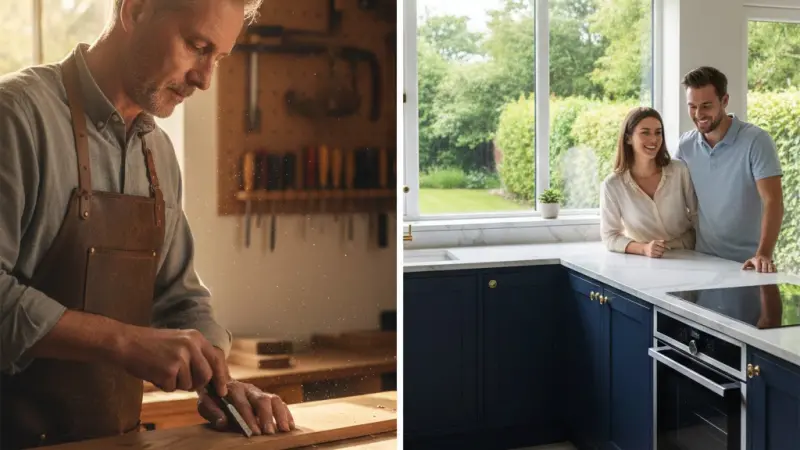
The British custom cabinet making sector is more than just a subset of the construction industry; it is a vital pillar of the United Kingdom’s heritage and modern economic fabric. For centuries, British joinery has set global benchmarks for quality, and today, the sector contributes significantly to the national GDP. From the traditional workshops of the Cotswolds to high-tech studios in London, custom cabinet makers embody the transition from raw materials to functional art.
In a world increasingly dominated by "fast furniture" and flat-pack convenience, the discerning British consumer is returning to the roots of bespoke craftsmanship. The economic importance of this sector cannot be overstated. It supports thousands of skilled tradespeople, apprentices, and local supply chains. Investing in bespoke cabinetry is not merely a purchase; it is an investment in British manufacturing resilience. As we navigate a shifting economic landscape, the emphasis on "built to last" has replaced the "throwaway culture" of the previous decade.
Choosing craftsmanship over cost is a strategic decision for any homeowner or commercial developer. While off-the-shelf solutions offer immediate gratification and lower entry prices, they often lack the structural integrity and aesthetic soul of handmade pieces. A custom cabinet maker provides a level of personalization that mass production simply cannot replicate—tailoring dimensions to awkward architectural nooks and selecting timber species that complement the unique light of a specific room.
To navigate this artisanal market effectively, consumers and professionals alike must understand the digital ecosystem that supports these trades. Utilizing a high-quality uk local business directory is the first step in identifying the master craftsmen who operate within specific counties and boroughs, ensuring that the economic benefits of a project remain within the local community.
The Landscape of Cabinet Makers in the UK
The current market for bespoke joinery in the UK is experiencing a renaissance. Current estimates suggest that the bespoke furniture and kitchen market is worth billions, with a growth trajectory that defies broader retail trends. Key regions of activity include the South East, where luxury residential developments drive demand, and the North West, where a rich industrial history has evolved into a hub for modern furniture design and high-end fit-outs.
Post-pandemic, the industry has undergone a radical evolution. The "Stay at Home" mandates of 2020 and 2021 forced a national reassessment of our living spaces. Home offices, pantry rooms, and outdoor kitchens shifted from luxury "nice-to-haves" to essential functional requirements. This surge in demand initially outpaced supply, leading to longer lead times but also allowing cabinet makers to raise their standards of craftsmanship. Many makers transitioned from small-scale repairs to full-room commissions as consumers redirected travel budgets into home improvements.
Furthermore, the "flight to quality" has become a defining characteristic of the post-pandemic era. Consumers are now more informed than ever, researching sustainable timber sourcing and the longevity of finishes. This shift has necessitated a more robust online presence for traditional workshops. It is no longer enough to have a workshop in a rural village; a cabinet maker must be visible where the modern consumer searches. For many, being listed in a uk business directory website has become the primary bridge between traditional skill and modern demand.
Digital transformation has also played a role in how these businesses operate. CAD (Computer-Aided Design) and CNC (Computer Numerical Control) machining are now frequently used alongside traditional hand planes and chisels. This hybrid approach allows for greater precision and efficiency while maintaining the "hand-finished" quality that defines the sector. The modern UK cabinet maker is as likely to be found on a tablet screen as they are at a workbench, managing their reputation through verified local businesses list uk.
Comprehensive Services Breakdown
The scope of services offered by custom cabinet makers in the UK is vast, ranging from heritage restoration to ultra-modern minimalism. Understanding these niches is crucial for selecting the right professional for your specific requirements.
Bespoke Kitchens
The heart of the home remains the primary driver for the industry. Bespoke kitchen makers provide a "full-service" experience, encompassing design, manufacture, and installation. Unlike modular kitchens, these are built to the millimetre, maximizing storage in period properties with uneven walls. Services often include hand-painting, integrated lighting solutions, and the sourcing of rare stone or timber worktops.
Built-in Wardrobes and Dressing Rooms
Maximizing vertical space is a hallmark of British craftsmanship. Custom makers specialize in floor-to-ceiling storage that follows the contours of a room. This service often involves complex internal configurations—pull-out shoe racks, velvet-lined jewellery drawers, and climate-controlled storage for delicate fabrics.
Home Libraries and Studies
With the rise of hybrid work, the home office has become a masterpiece of cabinetry. Full-height bookcases with rolling ladders, integrated cable management, and desks tailored to the user’s ergonomic needs are in high demand.
Freestanding Furniture
While "fitted" furniture is popular, many craftsmen still produce exquisite freestanding pieces—dining tables, sideboards, and bed frames. These are often the pieces where a maker’s individual "signature" style is most evident.
Commercial Fit-outs
Cabinet makers are also essential for high-end retail, hospitality, and corporate environments. From reception desks to bespoke bar displays, their work defines the brand identity of many UK businesses.
For artisans looking to expand into this B2B sector, securing a business listing uk entry can significantly enhance their profile with interior designers and architects looking for reliable partners.
By diversifying their offerings, UK cabinet makers ensure they remain resilient to market fluctuations. Whether it is a small repair or a million-pound mansion fit-out, the commitment to quality remains constant. Those looking for specific niche expertise often turn to a free business listing site uk to find specialists in fields like marquetry, woodturning, or heritage French polishing.
How to Choose the Right Service Provider
Choosing a cabinet maker is a high-stakes decision. The difference between a master craftsman and a mediocre contractor can result in thousands of pounds in lost value and years of frustration. A rigorous vetting process is essential.
Accreditations and Professional Bodies
Look for memberships in organizations such as the British Woodworking Federation (BWF) or the Guild of Master Craftsmen. These memberships indicate a commitment to professional standards and a willingness to be held accountable by peers.
Portfolios and Previous Work
A genuine craftsman will always have a portfolio of completed projects. Look for detailed photos of "the guts" of the furniture—dovetail joints, the underside of tables, and the finish inside drawers. These details reveal the true quality of the work.
Insurance and Guarantees
Always verify that the service provider holds public liability insurance and professional indemnity insurance. Furthermore, ask about the guarantees provided on the timber and the hardware (hinges, runners, etc.). A confident maker will often provide a multi-year or even a lifetime guarantee on the structural integrity of their work.
Local Reputation and Reviews
Word of mouth remains powerful, but digital reviews provide a broader perspective. Check uk service listings to see how a business interacts with its clients. Are they responsive? Do they handle issues professionally? A high ranking in a uk local trades directory is often a more reliable indicator of quality than a flashy social media feed.
The Consultation Process
The initial meeting should be a two-way conversation. A good maker will ask about your lifestyle, your aesthetic preferences, and your budget. They should offer advice on material selection, explaining why certain timbers may be more suitable for your environment than others. If a maker seems uninterested in these details and only wants to "talk price," they may be prioritizing volume over value.
Finally, trust your instincts. You will be working closely with this individual or team for several months. Clear communication and mutual respect are just as important as technical skill. To find a vetted professional near you, searching through uk verified business listings is a proven method for filtering out fly-by-night operators and finding established local masters.
Industry Challenges & Future Outlook
The UK cabinet making industry faces a complex array of challenges, but also exciting opportunities. One of the primary hurdles is the soaring cost of raw materials. Hardwoods like oak and walnut have seen significant price increases due to global supply chain disruptions and environmental regulations.
Sustainability and Green Initiatives
Environmental responsibility is no longer optional. The modern British cabinet maker must navigate FSC (Forest Stewardship Council) and PEFC (Programme for the Endorsement of Forest Certification) standards to ensure their timber is ethically sourced. There is also a growing movement towards "circular cabinetry"—designing pieces that can be easily repaired, refinished, or repurposed decades down the line, reducing the carbon footprint of the home.
Technological Shifts
While the heart of the craft remains manual, technology is changing the landscape. 3D printing for bespoke hardware and VR (Virtual Reality) for client walkthroughs are becoming more common in high-end studios. This allows clients to "stand" in their new kitchen before a single piece of wood is cut, reducing errors and waste.
The Skills Gap
Perhaps the greatest challenge is the recruitment of the next generation. Apprenticeships are vital to ensure that traditional skills like hand-cut joinery and veneering are not lost. Many businesses are now focusing on internal training programs to bridge this gap.
Regulatory Changes
Changes in building regulations, particularly regarding fire safety and VOC (Volatile Organic Compound) emissions from finishes, require constant vigilance. Professionals must stay updated to ensure their installations remain compliant.
Despite these challenges, the outlook remains positive. The demand for "unique" and "authentic" products is at an all-time high. As people spend more time at home, the value placed on craftsmanship continues to rise.
For businesses to thrive in this evolving landscape, they must utilize every tool at their disposal, including maintaining an updated business listing uk to stay visible to eco-conscious and tech-savvy consumers. The future belongs to those who can marry ancient skills with a modern business listing uk strategy.
Business Tips for Cabinet Makers Professionals
For the craftsman, the workshop is a place of solace, but the business office is where survival is determined. In a competitive UK market, marketing your local business requires a blend of traditional networking and modern digital visibility.
The Importance of Digital Visibility
You may be the finest joiner in the county, but if a homeowner cannot find you when they search for "bespoke wardrobes near me," your skill is wasted. Digital visibility is the cornerstone of modern lead generation. This starts with a professional website, but it extends far beyond that. Local SEO (Search Engine Optimization) is critical. Ensuring your business appears in uk home services directory results is the most cost-effective way to find high-intent customers.
Content Marketing
Showcase your process. People love to see how things are made. Take photos of raw timber arriving, the precision of a joint being cut, and the final glow of an oiled finish. Posting these to your profiles on a uk professional services listings site builds trust before you even speak to the client.
Networking with Complementary Trades
Build relationships with interior designers, architects, and high-end builders. They are often the gatekeepers to large-scale projects. When they look for subcontractors, they often rely on a uk local business search to find verified partners who have a track record of reliability.
Managing Your Reputation
Encourage happy clients to leave reviews. A collection of five-star ratings on a local page uk listings page acts as a digital "seal of approval," reducing the friction for new customers.
Financial Management
Bespoke work often involves long lead times and high material costs. Managing cash flow through staged payments (deposit, mid-point, and final installation) is essential. Investing in quality tools is a given, but investing in your marketing via a uk top rated local businesses platform is an investment in your future pipeline.
Wrapping Up & Local Page Integration
The British cabinet making industry stands as a testament to the enduring power of quality. In an era of mass-produced mediocrity, the craftsman offers something irreplaceable: a legacy. Choosing craftsmanship over cost is a decision that pays dividends in daily joy, functional efficiency, and long-term property value.
For the consumer, finding these hidden gems requires the right tools. For the business owner, being found is the key to longevity. This is where Local Page UK serves as the ultimate industry partner. As the premier uk business directory, we specialize in connecting local expertise with the people who value it most. Whether you are looking for a master of the lathe or a specialist in modern kitchen design, our platform provides a curated, verified environment for the best of British trade.
In the digital age, a business's reputation is its most valuable asset. By leveraging the power of a find local businesses uk search engine, consumers can avoid the pitfalls of the "cheap and fast" market. Simultaneously, by joining our uk small business directory, craftsmen can ensure their skills are seen by the right audience. The synergy between traditional craft and modern connectivity is what will keep the UK cabinet making sector thriving for generations to come. Trust in the hand-made, support your local artisan, and use Local Page to bridge the gap between your vision and reality.
Boost Your Visibility with Local Page UK
For businesses in the Cabinet Makers sector, being found online is no longer a luxury—it is a critical requirement for survival and growth. While your craftsmanship happens in the workshop, your customer’s journey starts on a screen.
Competition for high-end cabinetry projects in the UK is fierce, and your potential clients are looking for verified, local experts who they can trust with their homes.
Don’t let your expertise remain hidden. By joining our platform, you place your business in front of homeowners, architects, and designers who are actively seeking quality over a bargain. Take the first step in modernizing your business's outreach and claim your business listing uk today. Join the ranks of the UK’s finest tradespeople and ensure that when someone searches for excellence, they find you.
Frequently Asked Questions
1. What is the average lead time for a custom kitchen in the UK?
The average lead time for a bespoke kitchen typically ranges from 8 to 16 weeks, depending on the complexity of the design and the availability of specific materials. High-end craftsmen often have waiting lists, as they prioritize quality over volume. This timeframe includes the design phase, material procurement, workshop manufacturing, and final installation. While it may seem long compared to off-the-shelf options, this period ensures that every cabinet is built to exact specifications and hand-finished to perfection. Choosing a local maker via a uk b2b business directory can sometimes streamline the process by reducing shipping distances for materials.
2. Is bespoke furniture significantly more expensive than high-end retail brands?
Bespoke furniture often carries a higher initial price point than mass-produced retail brands, but the value proposition is different. Retail brands include massive markups for marketing, showrooms, and logistics. When you pay a custom cabinet maker, your investment goes directly into high-grade materials and skilled labour. Furthermore, bespoke pieces are designed to fit your space perfectly, eliminating the need for fillers or compromises. In the long run, the durability of custom pieces often makes them more cost-effective. To compare options, you can browse a uk b2c business directory to find local makers who offer competitive pricing for handmade quality.
3. What are the best woods for kitchen cabinets in the British climate?
In the UK, hardwoods like Oak, Walnut, and Ash are highly recommended due to their stability and resistance to the varying humidity levels found in British homes. Oak is particularly popular for its strength and beautiful grain. For those seeking a painted finish, high-quality Birch plywood or moisture-resistant MDF (MR-MDF) is often used for the carcasses to ensure they don't warp over time. A professional maker found through Localpage will be able to advise you on the specific moisture content of the timber and how it will react to your home’s heating system.
4. How do I verify if a cabinet maker is truly "bespoke" or just using standard units?
A truly bespoke maker builds everything from scratch in their workshop. You can verify this by asking to visit their workshop during the manufacturing phase. Look for raw timber and machinery rather than stacks of pre-boxed white melamine units. Ask if they can change the depth or height of a cabinet by a few millimetres; a bespoke maker will say "yes" without hesitation, while a "trade-fit" installer will struggle. Checking a business directory uk online for detailed business descriptions and photos of their workshop can also provide clues to their authentic process.
5. Why should I use a directory to find a cabinet maker instead of just searching Google?
While Google provides a wide range of results, a dedicated directory like Localpage filters for relevance and local intent. General search engines often prioritize large national companies with massive SEO budgets, potentially burying the talented local craftsman in your village or town. Our directory focuses on connecting you with verified service providers in your specific geographic area, ensuring that you support local businesses and benefit from shorter travel distances for the tradespeople. This local focus often leads to better communication and a more personalized service experience throughout the duration of your project.
6. Do custom cabinet makers provide 3D renderings of designs?
Most modern bespoke studios now provide 3D CAD renderings as part of their design service. This allows you to visualize the layout, the flow of the room, and the impact of different finishes before production begins. Some high-end makers even offer VR walkthroughs. This technological step is crucial for ensuring that the final product meets your expectations and avoids costly changes once the wood has been cut. You can find tech-forward makers by looking through the uk service providers directory and checking their listed services and portfolio capabilities.
7. What kind of maintenance does handmade wooden furniture require?
Maintenance depends on the finish used. Waxed or oiled furniture requires periodic re-application (usually once or twice a year) to maintain its lustre and protection. Lacquered or painted finishes are more "set and forget" but are harder to repair if deeply scratched. Generally, avoiding direct sunlight and extreme heat sources (like radiators) will prevent the wood from cracking or fading. A local craftsman will usually provide a care guide tailored to the specific materials used in your piece. For maintenance supplies or specialists, check the uk business listings online.
8. Can I provide my own timber for a project?
Many cabinet makers are happy to work with timber provided by the client, especially if it has sentimental value, such as a tree felled from your own garden. However, the wood must be properly seasoned and kiln-dried to the correct moisture content (usually around 8-10% for indoor furniture). If the wood is too wet, it will warp and crack once moved into a heated home. Your maker will need to inspect and test the wood before agreeing to use it. Specialists in "green wood" or air-dried timber can be found via the local page uk business directory.
9. Are bespoke cabinets better for the environment?
Yes, generally they are. Bespoke cabinetry is built to last a lifetime, reducing the volume of furniture that ends up in landfills. Most UK makers source timber from sustainable forests and use fewer toxic adhesives than mass-production factories. Because the furniture is made locally, the "furniture miles" are significantly reduced. Choosing a maker who prioritizes eco-friendly finishes further enhances these benefits. Look for businesses with "sustainability" in their profile on the uk online business directory to find environmentally conscious partners for your home.
10. How do I handle a dispute with a custom furniture maker?
Most disputes arise from a lack of a clear, written contract. Always ensure you have a signed agreement detailing the design, materials, timeline, and payment stages. If a problem occurs, first attempt to resolve it directly with the maker. Most professionals value their reputation and will strive to fix any genuine errors. If this fails, you can contact the professional body they are affiliated with for mediation. Using a verified maker from a reputable platform helps ensure you are dealing with a legitimate business that cares about its standing.
11. Can cabinet makers work with materials other than wood?
Absolutely. Modern cabinet making often involves a mix of materials, including brass, steel, glass, leather, and composite stones. Many makers specialize in "mixed media" pieces that combine traditional joinery with industrial aesthetics. This versatility allows for truly unique designs that reflect modern interior trends. When searching for a provider, look for those who mention metalworking or upholstery in their service descriptions to ensure they have the multi-disciplinary skills required for your specific design vision.
12. Is it possible to get bespoke cabinetry for a small apartment?
Bespoke cabinetry is actually most beneficial in small spaces. It allows you to utilize every inch of space, including floor-to-ceiling storage and furniture that folds away when not in use. A custom maker can design multi-functional pieces, such as a bed with integrated storage or a dining table that expands from a small console. By maximizing the utility of a small footprint, bespoke furniture can make a modest apartment feel significantly more spacious and organized.
13. What is the difference between a joiner and a cabinet maker?
While the terms are often used interchangeably, there is a traditional distinction. A joiner typically works on the "fixed" elements of a building, such as doors, window frames, and staircases. A cabinet maker focuses on the finer details of furniture, such as drawers, intricate joints, and high-quality finishes. For a kitchen or wardrobe project, you generally want someone with cabinet making skills, as the level of precision required is higher. You can filter for these specific skills on most trade platforms.
14. Should I pay a deposit for custom furniture?
Yes, a deposit is standard practice in the industry. It covers the cost of materials and secures your "slot" in the maker's production schedule. A typical deposit is between 25% and 50% of the total project cost.
You should never pay 100% upfront. A reputable maker will have a clear payment structure, often with a mid-point payment once the carcasses are built and a final payment upon successful installation and client sign-off.
15. How can I find the best cabinet maker in my specific town?
The most efficient way to find a high-quality local craftsman is to use a dedicated directory. By searching for "cabinet makers" followed by your town or county on Local page, you can access a curated list of professionals in your immediate area. Look for those with complete profiles, clear photos of their work, and positive customer feedback. This targeted search saves you time and ensures that you are supporting the local economy while getting the craftsmanship your home deserves.
Disclaimer: The information provided in this article is for general informational and research purposes only. Company details, features, services, and market positions may change over time. Readers are advised to visit official company websites and conduct independent research before making any business decisions or purchasing services.
Most Searchable Keywords
Recent Blogs


Related Listings
Categories
- Accountants (295)
- Advertising Agencies (559)
- Architects (149)
- Automobiles (377)
- Beauty (300)
- Carpenters (146)
- Cleaning Services (387)
- Dentists (189)
- Driving (62)
- Electricians (215)
- Energy (8)
- Event Organiser (686)
- Finance (602)
- Guide (3376)
- Health (2207)
- Information technology (206)
- Legal Services (356)
- Logistics (6)
- Maintenance (65)
- Manufacturing (35)
Sponsored Listings in Travel Agencies

Related Blogs

Sexual Harassment Rules Tighten Across UK Fro...
Read this insightful article "Sexual Harassment Rules Tighten Across UK From October 2026" to expand your knowledge!

Employment Tribunal Claim Deadline Extends Fr...
Read this insightful article "Employment Tribunal Claim Deadline Extends From October 2026" to expand your knowledge!

Rainy Day Activities in Cheltenham Hidden Gem...
Read this insightful article "Rainy Day Activities in Cheltenham Hidden Gems for 2026" to expand your knowledge!
Questions & Answers – Find What
You Need, Instantly!
How can I update my business listing?
Is it free to manage my business listing?
How long does it take for my updates to reflect?
Why is it important to keep my listing updated?
