
Discover Hidden Gems: Your Local UK Events Calendar for This Weekend and Beyond
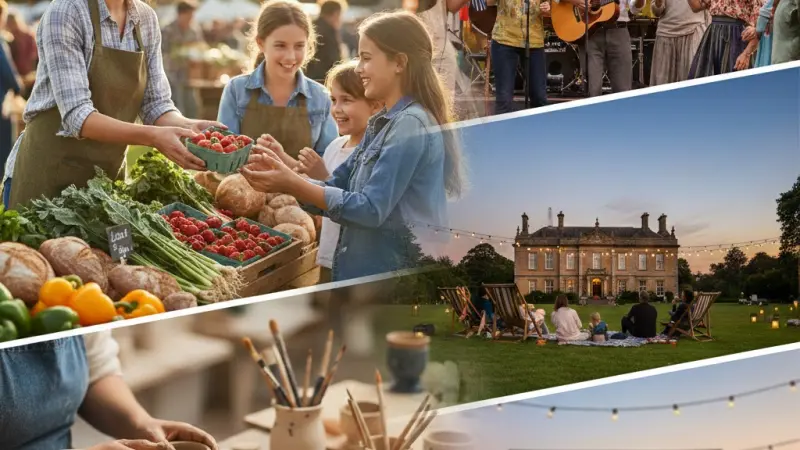
Finding local events near you in the UK is a fantastic way to connect with your community, support regional businesses, and explore the rich cultural tapestry of the British Isles. Whether you are looking for bustling farmers' markets in the Cotswolds, live music in Manchester's Northern Quarter, or traditional village fêtes in the heart of Norfolk, there is always something happening just around the corner. To find local events near you in the UK, use regional community hubs, check local council websites, and follow social media groups dedicated to your specific town or city. These platforms provide real-time updates on seasonal festivals, workshops, and family activities. By engaging with these local happenings, you not only enrich your own social life but also contribute to the economic and social vitality of your immediate area, ensuring that unique regional traditions and modern creative ventures continue to thrive for years to come.

In the modern digital age, the search for meaningful connection often starts with a simple query for local happenings. Across England, Scotland, Wales, and Northern Ireland, the landscape of social gatherings has evolved from simple town hall posters to sophisticated digital ecosystems. Understanding how to navigate these resources is key to ensuring you never miss out on the diverse array of entertainment and education available on your doorstep. From high-octane sporting fixtures to quiet, contemplative art exhibitions, the UK offers a breadth of experience that caters to every interest and age group.
Discovering Hidden Gems Within Your Local Community
The beauty of the United Kingdom lies in its local diversity, where every county offers a distinct flavour of entertainment. Often, the most rewarding experiences are the ones that do not make the national headlines. Small-scale theatre productions, independent craft fairs, and niche hobbyist meetups provide an intimate atmosphere that large-scale festivals often lack. Finding these requires a proactive approach to research, looking beyond the major ticketing platforms and into the heart of community noticeboards. These gatherings are the lifeblood of local social circles, fostering a sense of belonging and pride in one’s hometown.
Regional Markets and Artisanal Gatherings
Artisan markets have seen a massive resurgence across the UK, reflecting a growing desire for sustainable and locally sourced goods. From the famous Borough Market to smaller weekly markets in rural towns like Ludlow or Skipton, these events offer more than just shopping. They are social hubs where residents can meet the makers, enjoy street food, and experience the seasonal changes through local produce. Attending these markets regularly helps you understand the local economy and build relationships with independent traders who are passionate about their craft.
Traditional Village Fêtes
The classic British village fête remains a staple of the summer calendar, offering a nostalgic and charming day out. These events typically feature tombolas, dog shows, and homemade cake stalls, representing the quintessence of rural community life and providing a wholesome environment for families to enjoy the outdoors together while raising funds for local causes.
Major Regional Festivals and Seasonal Celebrations
While small events offer intimacy, the UK’s calendar is also punctuated by major regional festivals that draw crowds from far and wide. Whether it is the world-renowned Edinburgh Fringe, the vibrant Notting Hill Carnival, or the historical celebrations of Guy Fawkes Night, these large-scale events define the British cultural landscape. Planning for these events often requires early booking, as they become the focal point for tourism and local pride alike. They offer a chance to see world-class talent and participate in traditions that have, in some cases, spanned centuries, creating lasting memories for all who attend.
Music and Performance Arts Across the Counties
From the mud of Glastonbury to the refined halls of the Proms, music is a central pillar of UK event culture. Every region has its own signature sound and dedicated venues that host everything from grassroots indie bands to international superstars. Local music festivals often serve as a launching pad for new talent, providing an accessible way for residents to experience live performances without travelling to major cities. These events create a vibrant nighttime economy and support the creative industries that are so vital to the UK's global reputation.
Outdoor Cinema and Theatre
During the warmer months, many stately homes and public parks across Britain transform into open-air cinemas or theatrical stages. Watching a Shakespearean play or a classic film under
the stars provides a unique perspective on local landmarks, blending historical architecture with contemporary entertainment for an unforgettable evening under the British sky.
Supporting Local Independent Businesses Through Events
Every ticket bought for a local event is an investment in your immediate surroundings. When you attend a workshop at a local pottery studio or a beer festival hosted by a regional brewery, you are directly supporting the livelihoods of your neighbours. This circular economy is vital for maintaining the character of British high streets and rural communities. Events often act as a showcase for independent businesses, giving them a platform to reach new customers who might otherwise stick to larger chains. This synergy between event organisers and local business owners creates a resilient and vibrant community atmosphere.
Food and Drink Experiences
The UK's culinary scene is showcased brilliantly through regional food and drink festivals. Whether celebrating the Cornish pasty, Kentish hops, or Scottish seafood, these events highlight the geographical specialities of the British Isles. Visitors can often partake in masterclasses, tastings, and live cooking demonstrations led by local chefs. This not only promotes regional identity but also educates the public on the importance of food provenance and supporting British agriculture, all while providing a delicious day out for food enthusiasts of all stripes.
Pop Up Dining Events
Temporary dining experiences, or 'pop-ups', have become a staple in urban areas like London, Bristol, and Birmingham. These events allow chefs to experiment with new concepts in unusual locations, such as disused warehouses or rooftop gardens, offering a sense of exclusivity and innovation that keeps the local food scene exciting and unpredictable for residents.
Practical Guidance for Planning Your Local Outings
To make the most of what is happening nearby, a bit of strategic planning goes a long way. Start by creating a dedicated folder in your digital calendar for local events, and subscribe to newsletters from your local council and regional magazines. Many events offer 'early bird' pricing, which can save you a significant amount of money, especially for family outings. It is also worth checking transport links in advance, as local events can sometimes lead to road closures or increased demand for public transport. Being prepared ensures that your experience is stress-free and enjoyable from start to finish.
Navigating Digital Event Platforms
Websites like Eventbrite, Meetup, and local Facebook groups are invaluable tools for the modern event-seeker. By setting up alerts for specific keywords related to your interests, you can receive notifications the moment a new event is listed. However, do not overlook the power of word-of-mouth; often the best community gatherings are shared via local WhatsApp groups or school newsletters. Combining digital tools with local networking ensures you have a comprehensive view of all available opportunities, from professional networking sessions to casual weekend strolls.
Checking Accessibility and Facilities
Before heading out, it is important to verify the facilities available at the venue, particularly if you are attending with children or have specific accessibility needs. Most reputable organisers will provide details on parking, toilets, and disabled access on their website. Taking five minutes to check these details can prevent disappointment and ensure that the event is inclusive and accessible for every member of your group.
Common Mistakes to Avoid When Searching for Events
One of the most frequent errors people make is relying solely on the first page of search engine results, which often highlights national events rather than the truly local ones. Another mistake is forgetting to check the weather forecast; in the UK, an outdoor event can change character entirely within minutes.
Additionally, many people miss out because they assume events will have tickets available on the door. In the post-pandemic era, many organisers have moved to a pre-booking only model to manage capacities effectively. Avoiding these pitfalls will significantly improve your success rate in finding and enjoying local activities.
Overlooking Midweek Activities
Many people focus their search purely on weekends, but the UK has a thriving midweek event culture. From pub quizzes and evening lectures to morning yoga in the park, there are plenty of ways to break up the working week. These events are often less crowded and more affordable, providing a great way to socialise without the weekend rush. Keeping an eye on the full weekly calendar allows for a more balanced and active social life, making the most of the facilities available in your area every day.
Relying on Outdated Information
Always verify the date and time of an event on the organiser's official social media or website on the day of the gathering. Information found on third-party listing sites can occasionally be outdated or incorrect. A quick check of the 'latest posts' section on a Facebook page can confirm that an event is still going ahead, saving you a wasted journey and ensuring your plans remain solid.
The Future Outlook for Local Events in Britain
The landscape of local events is shifting towards more sustainable and technology-integrated experiences. We are seeing a rise in 'hybrid' events that offer both in-person and digital components, allowing for greater inclusivity. Environmental considerations are also becoming paramount, with many festivals aiming for zero-waste status and banning single-use plastics. As we look forward, the emphasis on localism is expected to grow, with communities taking more ownership of their regional celebrations. This evolution ensures that the UK's event culture remains relevant, responsible, and deeply connected to the needs of its people.
The Rise of Immersive Technology
Augmented reality (AR) is beginning to play a role in local heritage trails and outdoor events, providing an extra layer of engagement for visitors. Imagine walking through a local park and using your phone to see a historical reenactment or an interactive art installation. This blend of the physical and digital worlds is set to make local explorations even more educational and entertaining for younger generations, ensuring that local history and culture are preserved in a way that resonates with a modern audience.
Community Led Sustainability Initiatives
Future events will likely be judged as much on their carbon footprint as their entertainment value. Local organisers are increasingly partnering with regional transport providers to offer discounted travel and setting up 'repair cafés' or swap shops as part of larger community festivals. This shift reflects a broader societal move towards the circular economy, where local events serve as a platform for environmental education and collective action against climate change.
Step by Step Guide to Hosting Your Own Event
If you find that there is a gap in the local calendar for something you are passionate about, why not host it yourself? The first step is to define your concept and identify a suitable local venue, such as a community centre, pub back room, or park.
Next, check with your local council regarding any necessary licences, such as a Temporary Event Notice (TEN) if you plan to sell alcohol or have loud music. Once the logistics are in place, use free digital tools and local social media groups to promote your event. Starting small and gathering feedback is the best way to build a successful recurring gathering.
Securing Funding and Sponsorship
For larger community projects, you might look into local grants or sponsorship from nearby businesses. Many UK councils have small pots of money dedicated to community cohesion and cultural projects. Presenting a clear plan that shows how your event benefits the local area can help you secure the necessary funds. Additionally, local businesses are often happy to provide prizes or services in exchange for promotion at the event, creating a mutually beneficial partnership that strengthens the ties between different sectors of the community.
Building a Volunteer Team
Successful local events are rarely a one-person job. Recruiting a small team of enthusiastic volunteers can help share the workload and bring different skills to the table. Use local volunteer centres or social media to find people who share your vision. A well-organised team ensures that everything runs smoothly on the day, from setting up stalls to managing the crowd, allowing you as the organiser to also enjoy the fruits of your hard work.
Engaging with local events near you in the UK is about more than just finding something to do on a Saturday afternoon; it is about participating in the ongoing story of your community. By making a conscious effort to seek out and support regional gatherings, you help preserve the unique character of your area. The diversity, creativity, and resilience shown in local events across the UK are a testament to the strength of its people. So, take a look at the local listings today, step out of your front door, and discover the incredible experiences waiting for you just down the road.
FAQ
How can I find out about free events near me?
To find free events, start by visiting your local council’s official website, as they often list community-funded activities, park events, and library workshops. Social media platforms like Facebook have dedicated "Events" sections where you can filter by "Free." Additionally, local community centres and supermarkets often have physical noticeboards where grassroots organisations advertise free clubs, meetups, and seasonal festivals that don't require an entry fee.
Are local events usually family-friendly in the UK?
The vast majority of local community events in the UK, such as village fêtes, food markets, and seasonal fairs, are designed with families in mind. Many organisers provide specific facilities like baby-changing areas, kid-friendly food options, and dedicated entertainment zones. However, it is always wise to check the event description or the organiser's website beforehand to ensure the environment is suitable for the ages of your children.
What is a Temporary Event Notice and do I need one?
A Temporary Event Notice (TEN) is a notification you send to your local council if you plan on holding an event that involves "licensable activities" on a premises that isn't currently licensed. This includes selling alcohol, providing late-night refreshment, or puting on regulated entertainment. If your event is small-scale (under 499 people) and lasts no more than 168 hours, a TEN is usually the standard legal requirement in the UK.
How do I sell tickets for my own local event?
Selling tickets has become much simpler with digital platforms like Eventbrite, TicketSource, or Fatsoma, which allow you to create an event page and take payments securely. For very small community events, you might prefer a "suggested donation" on the door or using a simple PayPal QR code.
Ensure you factor in the platform's booking fees when setting your ticket price so that your event remains financially viable for your needs.
Where can I find events for specific hobbies or interests?
For niche interests, the website Meetup is an excellent resource for finding groups dedicated to everything from coding and photography to hiking and book clubs. Specialist shops in your area, such as craft stores or music shops, often act as hubs for their respective communities and may host their own in-store events or workshops. Joining regional forums and interest-based Facebook groups is also a highly effective way to stay informed.

Disclaimer: The information provided in this article is for general informational and research purposes only. Company details, features, services, and market positions may change over time. Readers are advised to visit official company websites and conduct independent research before making any business decisions or purchasing services.
Most Searchable Keywords

Recent Blogs
-

Explore Supermarkets in Chepstow and the Surrounding Wye Valley
-
Elite Guide to Taxi and Private Hire Services in Hereford
-
Explore Fuel and Roadside Convenience Across Beckington Today
-
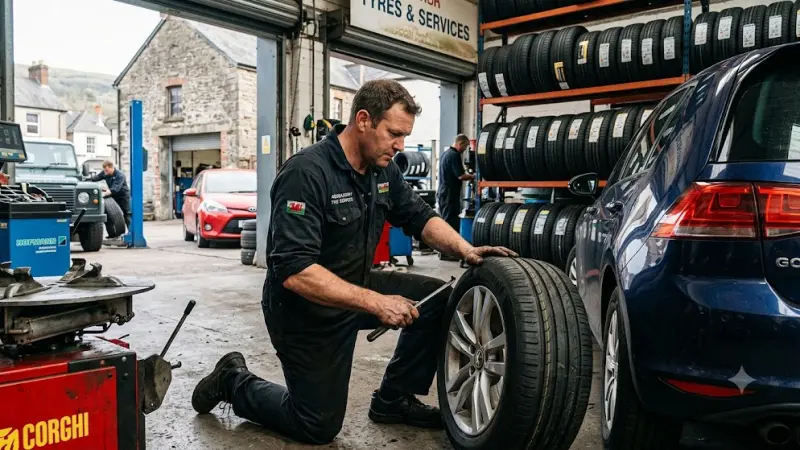
Explore Abergavenny Tyre Services with Expert Local Fitters
-
Claim Your HMRC UK Tax Refund Before Application Deadlines




Categories
- Accountants (295)
- Advertising Agencies (559)
- Architects (149)
- Automobiles (376)
- Beauty (300)
- Carpenters (146)
- Cleaning Services (386)
- Dentists (189)
- Driving (61)
- Electricians (215)
- Energy (7)
- Event Organiser (683)
- Finance (597)
- Guide (3358)
- Health (2205)
- Information technology (206)
- Legal Services (352)
- Logistics (6)
- Maintenance (65)
- Manufacturing (35)

Sponsored Listings in Property Maintenance


Related Blogs
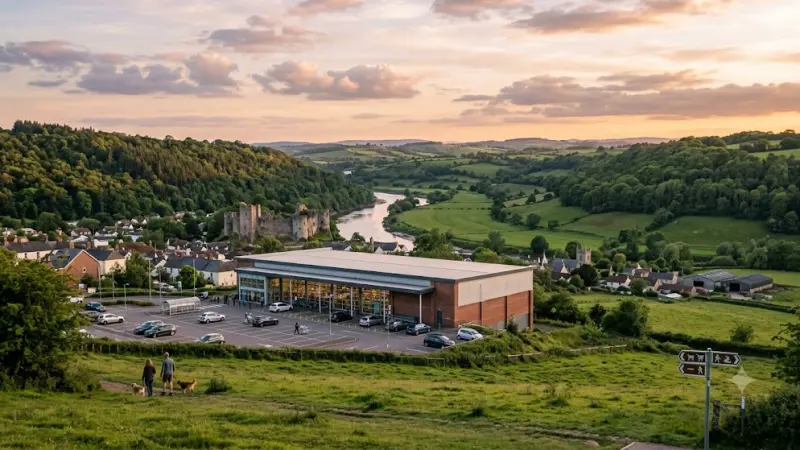
Explore Supermarkets in Chepstow and the Surr...
Read this insightful article "Explore Supermarkets in Chepstow and the Surrounding Wye Valley" to expand your knowledge!

Elite Guide to Taxi and Private Hire Services...
Read this insightful article "Elite Guide to Taxi and Private Hire Services in Hereford" to expand your knowledge!
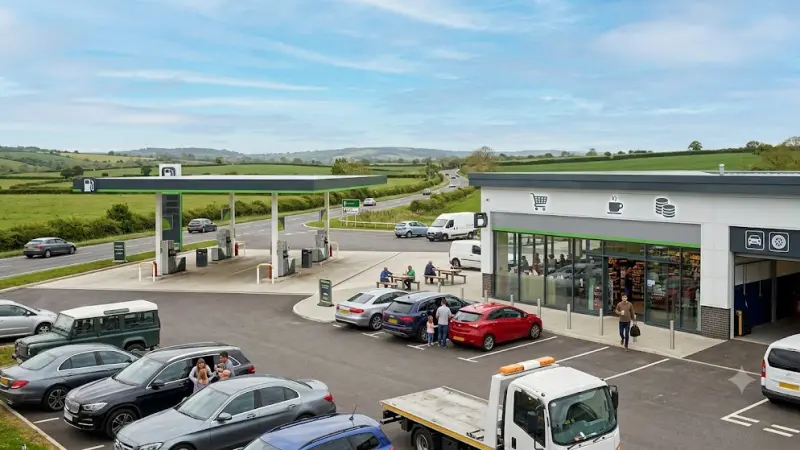
Explore Fuel and Roadside Convenience Across...
Read this insightful article "Explore Fuel and Roadside Convenience Across Beckington Today" to expand your knowledge!
Questions & Answers – Find What
You Need, Instantly!
How can I update my business listing?
Is it free to manage my business listing?
How long does it take for my updates to reflect?
Why is it important to keep my listing updated?
