
EDF Energy: Navigating the Future of British Power and Low Carbon Solutions
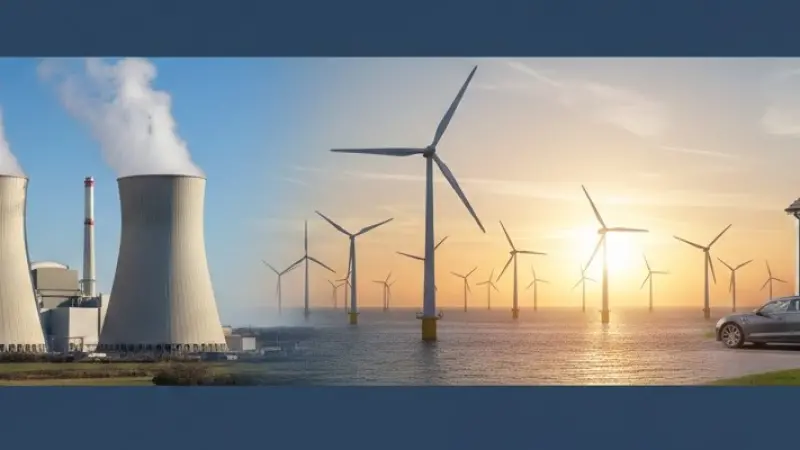
EDF Energy stands as one of the United Kingdom's largest electricity producers and a leading supplier of gas and electricity to millions of homes and businesses across the country. As a subsidiary of the French state-owned Électricité de France, the company has integrated itself deeply into the British infrastructure, primarily through its significant role in the nuclear power sector. For consumers seeking stability, EDF offers a variety of fixed and variable tariffs designed to meet diverse household needs while maintaining a focus on reducing carbon emissions. By operating the majority of the UK’s nuclear fleet and investing heavily in wind and solar projects, the provider positions itself as a central pillar in the nation’s quest for energy security and environmental sustainability.
If you are looking for an energy provider that prioritises low-carbon generation, EDF Energy is a primary choice in the UK. They are the country's largest producer of zero-carbon electricity, generated through a mix of nuclear, wind, and solar power. Choosing their services typically involves selecting between fixed-price contracts for long-term budget certainty or flexible standard variable tariffs that track the national price cap.
Leading the Charge Toward Sustainable British Power
The landscape of British energy is undergoing a seismic shift as the nation pivots away from fossil fuels toward a greener future. EDF Energy has positioned itself at the vanguard of this transition, leveraging its massive generating capacity to provide a stable foundation for the grid. Unlike many smaller suppliers that rely solely on purchasing power from the wholesale market, this generator produces much of the electricity it sells. This vertical integration allows for a level of resilience that proved vital during recent global energy price volatility.
The Role of Nuclear in Modern Electricity Generation
Nuclear power remains the backbone of the company’s generating portfolio in the United Kingdom. While renewables like wind and solar are weather-dependent, nuclear provides a consistent "baseload" of electricity that keeps the lights on twenty-four hours a day. By maintaining existing plants and investing in new projects like Hinkley Point C, the firm ensures that the UK has a reliable source of power that does not emit carbon dioxide during operation, bridging the gap between old coal-fired stations and the future grid.
Expanding Renewables Portfolio Beyond Nuclear
Beyond its famous nuclear heritage, the company is rapidly scaling its investments in renewable technologies. Large-scale offshore wind farms and expansive solar arrays are being integrated into the supply chain. This diversification ensures that the company can offer truly green tariffs to customers who are conscious of their personal carbon footprint and wish to support the UK’s ecological targets.
Understanding Your Domestic Energy Options
Selecting the right tariff is essential for managing household finances, especially given the rising cost of living in recent years. British consumers have the right to choose from a variety of structures, and EDF provides several paths. From standard variable rates that fluctuate with the Ofgem price cap to fixed-term deals that lock in a price for twelve or twenty-four months, there is a configuration for every type of budget. Understanding the standing charge and the unit rate is the first step in making an informed decision about your home utility.
Comparing Fixed versus Variable Rate Structures
Fixed-rate tariffs offer the peace of mind that your unit price will not change for the duration of the contract. This is particularly attractive for families who need to budget strictly and want to avoid the shocks of market increases. Conversely, variable tariffs allow for more flexibility, often with no exit fees, meaning you can switch to a better deal as soon as one becomes available. However, these are subject to the price cap, which can rise significantly based on global wholesale trends.
The Benefit of Smart Meter Integration
Modern energy management relies heavily on the installation of smart meters. These devices provide real-time data to both the consumer and the supplier, eliminating the need for estimated bills. By seeing exactly how much GBP is being spent on heating or appliances in real-time, households can adjust their habits to save money and reduce waste effectively.
The Future of Nuclear Energy in the United Kingdom
The UK government has identified nuclear power as a critical component of its Net Zero strategy, and EDF is the primary partner in delivering this vision. The development of Hinkley Point C in Somerset represents one of the largest infrastructure projects in Europe. Once completed, it is expected to provide reliable, low-carbon electricity for around six million homes. This project is not just about power; it is about creating thousands of high-skilled jobs and revitalising the British engineering sector for decades to come.
Overcoming Infrastructure Challenges and Project Timelines
Building new nuclear capacity is an immense undertaking fraught with engineering and financial complexities. Challenges such as supply chain disruptions and strict safety regulations mean that timelines are often extended.
Despite these hurdles, the commitment to completing these stations remains firm, as they are seen as the only viable way to replace aging infrastructure while meeting the soaring demand for electricity driven by the rise of electric vehicles and heat pumps.
Investing in Small Modular Reactor Technology
In addition to massive "gigawatt-scale" plants, there is growing interest in Small Modular Reactors. These smaller units can be built more quickly and at a lower cost, potentially being deployed across various sites in Britain. This innovation represents the next chapter in nuclear evolution, offering a more flexible approach to power generation that can adapt to the specific needs of local grids and industrial clusters.
Customer Service Standards and Support Systems
For any large utility provider, the quality of customer support is a major differentiator. EDF Energy has invested heavily in digital tools to allow customers to manage their accounts via mobile apps and online portals. However, maintaining a human touch remains important, especially for vulnerable customers who may struggle with digital-only platforms. The company participates in various government schemes designed to provide financial relief to those who need it most during the colder winter months.
Accessing Financial Assistance and Rebate Schemes
There are several paths for customers facing financial hardship. The Warm Home Discount is a key initiative where eligible households receive a one-off payment toward their electricity bill. Furthermore, the company offers advice on energy efficiency, helping residents insulate their homes and install more efficient heating systems. These measures are designed to tackle the root causes of high bills rather than just providing temporary relief.
Managing Your Account via Digital Platforms
The official app allows users to submit meter readings, pay bills, and track usage trends with ease. For the modern consumer, this level of control is expected. The platform provides insights into which appliances are consuming the most power, allowing for proactive changes in behavior that can lead to significant savings over the course of a year, particularly when combined with a smart meter.
Common Mistakes to Avoid When Choosing Energy
Many consumers fall into the trap of staying on a standard variable tariff for years without checking if a cheaper fixed deal is available. While the price cap provides some protection, it is rarely the cheapest option on the market. Another mistake is ignoring the importance of meter reading accuracy. Without a smart meter or regular manual submissions, you risk being overcharged based on estimates, which can cause significant issues for monthly cash flow and budgeting.
Neglecting to Review Annual Energy Statements
Your annual statement is a goldmine of information. It tells you exactly how much energy you used over the last twelve months and predicts your future costs. Many people ignore these documents, but reviewing them can highlight if your monthly direct debit is set too low—leading to a large debt at the end of the year—or too high, meaning you are effectively giving the supplier an interest-free loan.
Failing to Optimise Home Efficiency Measures
Switching suppliers is only half the battle; reducing the amount of energy you actually use is the most effective way to lower costs. Failing to check for draughts, neglecting loft insulation, or leaving appliances on standby are small oversights that add up to hundreds of pounds in wasted expenditure. Taking a holistic approach to home energy is the best way to ensure long-term financial stability.
Strategic Steps to Switching Your Supply Successfully
If you have decided that a change is necessary, the process is now more streamlined than ever thanks to the Energy Switch Guarantee. The first step is to gather your current usage data from a recent bill. Next, use an accredited comparison service to see how EDF's offerings stack up against the competition. Once you select a tariff, the new supplier handles the communication with your old one, ensuring there is no interruption to your power or gas supply during the transition.
Gathering Necessary Documentation for a Smooth Move
Before starting the switch, ensure you have your latest bill to hand, which includes your MPAN and MPRN numbers. These unique identifiers for your electricity and gas meters ensure that the switch happens for the correct property.
You should also take a final meter reading on the day of the switch to ensure that your closing bill from the old provider and your opening bill from the new one are perfectly aligned.
Finalising Your Transition and Setting Up Payments
Once the switch is initiated, it typically takes a few weeks to complete. You will receive a welcome pack outlining your new rates and the date of your first payment. It is highly recommended to set up a Direct Debit, as many suppliers offer a discount for this payment method compared to paying on receipt of a bill. This also ensures you never miss a payment and can build up credit during the summer to cover higher winter costs.
The Business Perspective on Industrial Energy Supply
It is not just domestic households that rely on EDF; the business sector represents a massive portion of their operations. From small high-street shops to large industrial manufacturing plants, the energy needs of UK commerce are vast and varied. Business contracts operate differently than domestic ones, often involving bespoke pricing based on peak usage times and total volume. For companies looking to meet their own ESG (Environmental, Social, and Governance) targets, sourcing power from a low-carbon provider is a strategic necessity.
Customised Energy Solutions for Large Enterprises
Large-scale organisations often require complex energy management strategies, including Power Purchase Agreements (PPAs) that allow them to buy renewable energy directly from specific projects. The company provides consultancy services to help these firms reduce their environmental impact while managing their costs in a volatile market. This partnership approach helps businesses remain competitive while contributing to the broader national goal of decarbonisation.
Supporting Small Business Growth with Flexible Deals
Small and Medium Enterprises (SMEs) are the lifeblood of the British economy but are often the most vulnerable to price spikes. Providing flexible contracts that allow these businesses to adapt to changing economic conditions is vital. By offering smart tools tailored for business owners, the supplier helps them monitor their overheads and find efficiencies that can be reinvested back into the growth of their enterprises.
Technological Innovation and the Smart Grid Evolution
The future of energy is not just about generation; it is about intelligence. The transition to a "smart grid" involves creating a two-way dialogue between the supplier and the consumer. This allows the grid to balance supply and demand more effectively, using stored energy from electric vehicles or home batteries to shave off peak demand. EDF is at the heart of this research, testing new technologies that will eventually make the British energy system more efficient and resilient.
The Rise of Electric Vehicle Infrastructure Integration
As the UK moves toward the ban on new petrol and diesel cars, the demand for home charging solutions is skyrocketing. Specialised EV tariffs allow drivers to charge their vehicles at significantly lower rates during the night when demand on the grid is low. This not only saves the consumer money but also helps balance the load on the national infrastructure, preventing the need for expensive upgrades to local substations.
Home Battery Storage and Solar Synergy
Combining solar panels with battery storage is becoming an increasingly popular choice for British homeowners. This setup allows you to store the energy generated during the day for use in the evening, further reducing reliance on the national grid.
The company provides support and installation services for these technologies, helping households move closer to energy independence while significantly lowering their long-term utility costs and carbon output.
FAQ
How do I submit a meter reading to EDF Energy?
Submitting a meter reading is most efficiently done through the official mobile app or your online account portal. Simply log in, navigate to the meter section, and enter the digits shown on your meter display. Doing this monthly ensures your bills remain accurate and prevents the accumulation of debt based on estimated usage. If you have a smart meter, these readings are usually sent automatically to the supplier.
What should I do if I am struggling to pay my energy bill?
If you find yourself unable to cover your energy costs, the first step is to contact the supplier immediately to discuss a payment plan. They can offer various forms of support, including the Warm Home Discount or access to the EDF Customer Support Fund. Additionally, charities like Citizens Advice can provide independent guidance on managing debt and ensuring you are receiving all the government benefits you are entitled to.
Is EDF Energy a green energy supplier in the UK?
EDF is the UK's largest producer of low-carbon electricity. While they do supply gas, which is a fossil fuel, their electricity generation is heavily focused on nuclear and renewable sources such as wind and solar. Many of their specific tariffs are backed by 100% renewable electricity certificates, making them a strong contender for consumers who want to reduce their environmental impact and support the transition to Net Zero.
How does the Ofgem price cap affect my EDF tariff?
The Ofgem price cap sets a limit on the maximum amount suppliers can charge for each unit of gas and electricity on a standard variable tariff. If you are on such a tariff with EDF, your prices will rise or fall in line with these quarterly adjustments. It is important to remember that the cap is not a limit on your total bill, but rather a limit on the rates you pay.
Can I switch to EDF if I have a prepayment meter?
Yes, you can switch to EDF with a prepayment meter. They offer specific PAYG (Pay As You Go) plans that allow you to top up your credit via local shops, the app, or online. Many customers also choose to use this opportunity to request a switch to a credit meter or a smart prepayment meter, which offers more convenience and often access to cheaper tariff rates than traditional key or card meters.
Disclaimer: The information provided in this article is for general informational and research purposes only. Company details, features, services, and market positions may change over time. Readers are advised to visit official company websites and conduct independent research before making any business decisions or purchasing services.
Most Searchable Keywords
Recent Blogs


Related Listings
Categories
- Accountants (295)
- Advertising Agencies (559)
- Architects (149)
- Automobiles (377)
- Beauty (300)
- Carpenters (146)
- Cleaning Services (387)
- Dentists (189)
- Driving (62)
- Electricians (215)
- Energy (8)
- Event Organiser (686)
- Finance (602)
- Guide (3375)
- Health (2207)
- Information technology (206)
- Legal Services (354)
- Logistics (6)
- Maintenance (65)
- Manufacturing (35)
Sponsored Listings in Travel Agencies


Related Blogs

Step-by-Step Guide to Claiming a TV Licence D...
Read this insightful article "Step-by-Step Guide to Claiming a TV Licence Discount or Exemption" to expand your knowledge!

Meet the Fair Work Agency Changing UK Work Ru...
Read this insightful article "Meet the Fair Work Agency Changing UK Work Rules in 2026" to expand your knowledge!
Collective Redundancy Errors Now Carry Higher...
Read this insightful article "Collective Redundancy Errors Now Carry Higher 2026 Penalties" to expand your knowledge!
Questions & Answers – Find What
You Need, Instantly!
How can I update my business listing?
Is it free to manage my business listing?
How long does it take for my updates to reflect?
Why is it important to keep my listing updated?
