
Environmental Impact of Water Purification Services for UK Homes
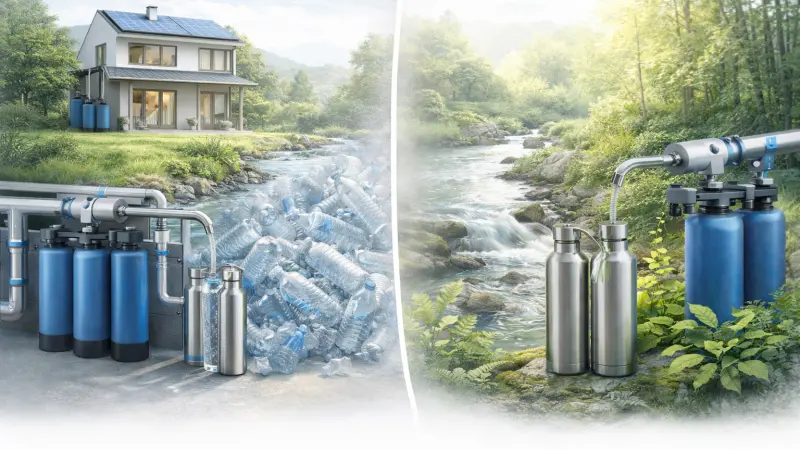
Did you know that the average British household contributes significantly to plastic waste through the consumption of bottled water despite having access to one of the safest tap water systems in the world. The environmental impact of water purification services has become a focal point for sustainability advocates across the United Kingdom as citizens seek ways to reduce their ecological footprint while maintaining high standards of health and hygiene. By shifting from single use plastic bottles to advanced domestic filtration systems individuals can play a pivotal role in protecting natural resources and lowering carbon emissions associated with industrial water processing and transportation.

The Growing Importance of Sustainable Water Solutions
In the modern era the demand for clean drinking water continues to rise alongside a growing awareness of environmental preservation. Many residents in the UK are turning toward professional water purification services to ensure their domestic supply is free from common contaminants such as limescale heavy metals and microplastics. However the transition to these services requires a deep understanding of their long term ecological consequences. When we evaluate the broader spectrum of environmental health it is clear that domestic purification offers a much more sustainable alternative to the commercial bottling industry which relies heavily on petroleum based packaging and global shipping routes.
Water purification services involve the installation and maintenance of systems designed to treat water at the point of entry or point of use. These technologies range from simple carbon block filters to sophisticated reverse osmosis units and ultraviolet sterilisers. Each of these systems has a unique relationship with the environment. For instance while reverse osmosis is highly effective at removing impurities it often results in a certain volume of wastewater. Conversely modern innovations are focusing on high recovery membranes that minimise waste making these services increasingly eco friendly for the conscientious British consumer.
Reducing the Carbon Footprint of Daily Hydration
One of the most significant benefits of adopting local water purification services is the immediate reduction in carbon emissions. The traditional supply chain for bottled water involves energy intensive manufacturing processes for plastic containers followed by large scale logistics operations to transport heavy pallets across the country. By filtering water directly from the mains supply a household eliminates the need for these transport links. This reduction in vehicle movements leads to lower levels of nitrogen dioxide and particulate matter in the atmosphere contributing to cleaner air in urban centres and rural communities alike.
Furthermore the energy required to operate domestic water softeners and filters is often negligible compared to the industrial energy consumption of large scale bottling plants. Many UK service providers now offer energy efficient models that use smart technology to monitor water flow and only activate filtration stages when necessary. This precision helps in conserving electricity and ensures that the overall carbon cost of maintaining a clean water supply remains as low as possible for the end user.
The Plastic Crisis and the Role of Domestic Filtration
Plastic pollution remains one of the most pressing environmental challenges of our time. Every year millions of plastic bottles end up in UK landfills or pollute the surrounding marine environments. Water purification services provide a permanent solution to this crisis by making tap water more palatable and safer to drink. When the taste and quality of tap water are improved through professional filtration the incentive to purchase prepackaged water diminishes. This change in consumer behaviour is essential for achieving the UK targets for waste reduction and circular economy participation.
Moreover the components used in modern water purification systems are increasingly designed with recyclability in mind. Leading service providers are implementing take back schemes for used filter cartridges ensuring that the plastic shells and carbon media are processed responsibly rather than discarded. This closed loop approach significantly mitigates the environmental impact of the hardware itself. By choosing a service that prioritises equipment recycling homeowners can be confident that their quest for pure water does not come at the expense of the planet.
Impact on Local Water Infrastructure and Resources
The UK water infrastructure is under constant pressure from population growth and climate change. Water purification services can help alleviate some of this pressure by reducing the demand for ultra processed commercial water and encouraging the efficient use of local supplies.
When households invest in water softening services they also protect their internal plumbing and appliances from the damaging effects of hard water. This leads to a longer lifespan for boilers washing machines and dishwashers which in turn reduces the environmental burden of manufacturing and disposing of large household appliances.
Efficient water use is a cornerstone of environmental stewardship. While some purification methods like reverse osmosis have been criticised in the past for water wastage newer technologies provided by professional services are much more efficient. Many systems now feature automatic shut off valves and low waste ratios ensuring that every drop of water is used effectively. By supporting the development and installation of these high efficiency systems purification services are helping to preserve the UK finite freshwater reserves for future generations.
Chemical Usage and Wastewater Management
A critical aspect of the environmental impact of water purification services is the management of chemicals and the resulting wastewater. Many traditional water treatment methods involve the use of chlorine or other disinfectants which can leave trace residues. Domestic purification systems often use physical barriers like ceramic filters or activated carbon to remove these chemicals without adding new substances to the water. This results in a cleaner output that is better for human health and less disruptive to the natural nitrogen and phosphorus cycles when it eventually enters the sewage system.
For systems that require salt such as traditional ion exchange water softeners the environmental impact is managed through careful calibration. Modern services ensure that brine discharge is kept to a minimum and that the system only regenerates when the resin is fully exhausted. This prevents excess sodium from entering the wastewater stream where it could potentially affect the soil quality or aquatic life in local waterways. The expertise provided by professional service technicians is vital in maintaining this balance between effective treatment and environmental protection.
The Life Cycle of Purification Equipment
To fully understand the environmental impact of water purification services one must consider the entire life cycle of the equipment. This includes the extraction of raw materials the manufacturing process the installation phase and the eventual decommissioning of the system. Sustainable service providers often source components from manufacturers who adhere to strict environmental standards. This might involve using recycled metals for housing or sustainably sourced coconut husks for activated carbon filters.
Professional installation also ensures that systems are set up correctly to avoid leaks or inefficiencies that could lead to water loss. Regular maintenance provided as part of a service agreement keeps the system running at peak performance which maximises its environmental benefits over time. When a system reaches the end of its functional life a responsible service provider will manage the dismantling and recycling of the various parts including the electronic components found in smart filtration units. This comprehensive management of the equipment life cycle is what sets professional services apart from disposable consumer products.
Biodiversity and the Protection of Natural Habitats
By reducing the reliance on large scale water extraction for the bottling industry domestic water purification services indirectly support local biodiversity. Excessive extraction from aquifers and rivers can lower water tables and dry up sensitive wetlands which are vital habitats for British wildlife. When communities rely more on their regulated mains supply and use it efficiently through domestic treatment there is less pressure to tap into new or fragile water sources.
Furthermore the reduction in plastic litter facilitated by these services protects birds fish and mammals from ingestion or entanglement. Microplastics which are often shed from low quality plastic bottles are also filtered out by advanced domestic systems preventing them from entering the human food chain and the wider environment.
The cumulative effect of thousands of households switching to purified tap water can have a profound positive impact on the health of the UK ecosystems.
Economic Sustainability and Local Communities
Environmental health is intrinsically linked to economic sustainability. Water purification services support local economies by creating jobs for skilled technicians and consultants across the UK. By investing in these services homeowners are supporting a green industry that prioritises long term resource management over short term profit from disposable goods. This shift supports a more resilient economy that is better equipped to handle the challenges of resource scarcity and climate variability.
Additionally the cost savings achieved by households through the elimination of bottled water purchases can be redirected into other areas of the local economy. While there is an initial investment for the purification system and the ongoing service fees the long term financial and environmental returns are substantial. A more self sufficient household is a more sustainable household and the widespread adoption of domestic purification is a step toward a more resource efficient society.
Technological Innovations Driving Sustainability
The field of water treatment is rapidly evolving with new technologies that further reduce the environmental impact of water purification services. Researchers are developing graphene based filters that require less pressure and energy to operate as well as bio based resins for water softening that are fully biodegradable. Many UK service providers are at the forefront of adopting these innovations ensuring that their customers have access to the most eco friendly solutions available.
Smart monitoring systems are another significant advancement. These devices can detect minor leaks in the home plumbing system that might otherwise go unnoticed for months saving thousands of litres of water. They also provide real time data on water quality and filter life allowing for precisely timed maintenance visits that reduce the need for unnecessary travel by service technicians. This integration of digital technology and environmental science is creating a new standard for sustainable living in the British home.
Choosing the Right Service for a Greener Future
When selecting water purification services consumers should look for companies that demonstrate a clear commitment to environmental responsibility. This includes checking for certifications regarding energy efficiency and waste management practices.
A transparent provider will be happy to discuss the origin of their filters the recyclability of their components and the water efficiency of their systems. By making informed choices the public can drive the industry toward even higher standards of sustainability.
The journey toward a more sustainable UK begins with small changes in the home. Purifying your own water is more than just a health choice it is a declaration of support for a cleaner greener world. As more people recognise the hidden costs of bottled water and the benefits of professional filtration the environmental impact of water purification services will continue to be a positive force for change across the nation.
A Practical Guide to Maximising Environmental Benefits
- Opt for high recovery reverse osmosis systems to minimise wastewater.
- Ensure your service provider has a robust recycling programme for used filters.
- Choose locally based technicians to reduce the carbon footprint of service visits.
- Select systems with low energy consumption and smart monitoring features.
- Maintain your system regularly to ensure it operates at maximum efficiency.
- Educate family members on the benefits of drinking filtered tap water over bottled options.
- Use the filtered water for cooking and pets to further reduce the need for external purchases.
Conclusion and Sustainable Business Growth
Ultimately the environmental impact of water purification services is overwhelmingly positive when compared to the alternatives. By reducing plastic waste lowering carbon emissions and protecting local infrastructure these services provide a clear pathway for UK residents to live more sustainably. As we move forward the integration of better technology and more responsible business practices will only enhance these benefits. For those looking to support a healthy environment and local prosperity it is worth exploring how these solutions fit into a modern lifestyle. Facilitating connections between consumers and reputable providers is essential for a thriving green economy. Many people find success by searching through a business listing uk to locate experts in their area. These platforms play a vital role in increasing the online business directory uk free options for small enterprises. By utilizing a uk business directory free service companies can improve their reach while promoting eco friendly services. Local page UK serves as a hub for these interactions helping to build a community focused on sustainability and transparency. Using free business directories uk or a online business directory uk free can simplify the process of finding the right partner for your environmental goals while ensuring that high quality water purification services remain accessible to everyone across the country.
Frequently Asked Questions
What is the main environmental benefit of water purification services
The primary benefit is the significant reduction in single use plastic bottle waste and the associated carbon emissions from manufacturing and transporting bottled water.
Do water purification systems waste a lot of water
While some older systems were less efficient modern professional services provide high recovery models that minimise wastewater through advanced membrane technology.
Are water filter cartridges recyclable
Many reputable UK service providers offer recycling schemes where they take back used cartridges to process the plastic and carbon media responsibly.
How do purification services help my home appliances
By removing limescale and other minerals through water softening services you extend the lifespan of your boiler and appliances which reduces the environmental impact of manufacturing replacements.
Is filtered tap water as safe as bottled water
Yes professional water purification services can produce water that meets or exceeds the
quality of bottled water while being more environmentally friendly and cost effective.
What should I look for in an eco friendly water service provider
Look for providers with clear recycling policies energy efficient equipment certifications and a commitment to using sustainable materials in their filtration components.

Disclaimer: The information provided in this article is for general informational and research purposes only. Company details, features, services, and market positions may change over time. Readers are advised to visit official company websites and conduct independent research before making any business decisions or purchasing services.
Most Searchable Keywords

Recent Blogs



Related Listings



Categories
- Accountants (295)
- Advertising Agencies (559)
- Architects (149)
- Automobiles (376)
- Beauty (300)
- Carpenters (146)
- Cleaning Services (386)
- Dentists (189)
- Driving (61)
- Electricians (215)
- Energy (8)
- Event Organiser (684)
- Finance (598)
- Guide (3363)
- Health (2205)
- Information technology (206)
- Legal Services (352)
- Logistics (6)
- Maintenance (65)
- Manufacturing (35)

Sponsored Listings in Plumbers
Related Blogs

Bristol Firework Displays Every Local Should...
Read this insightful article "Bristol Firework Displays Every Local Should Experience" to expand your knowledge!
Self Assessment Registration 2026 Common Erro...
Read this insightful article "Self Assessment Registration 2026 Common Errors and Rules" to expand your knowledge!
Calculate Your 2026 Employer National Insuran...
Read this insightful article "Calculate Your 2026 Employer National Insurance Bill Easily" to expand your knowledge!
Questions & Answers – Find What
You Need, Instantly!
How can I update my business listing?
Is it free to manage my business listing?
How long does it take for my updates to reflect?
Why is it important to keep my listing updated?
