
Essential Butchers’ Equipment & Supplies: A Professional Buyer’s Guide
The British butchery sector is far more than just a retail niche; it is a cornerstone of the UK’s culinary heritage and a vital component of the national food supply chain. From the traditional high-street family butcher to high-volume industrial processing units, the demand for precision-engineered equipment and high-quality supplies remains constant. For the modern meat professional, the choice of equipment is not merely a matter of convenience; it is a critical business decision that impacts safety, yield, hygiene, and ultimately, profitability.
In the current economic climate, UK butchers are facing a unique set of challenges and opportunities. While the rise of supermarket dominance initially threatened the independent butcher, a significant cultural shift toward "buying local" and valuing provenance has revitalized the industry. However, to compete effectively, professionals must invest in the right infrastructure. This guide serves as an authoritative resource for navigating the complex market of butchers' equipment and supplies. We will explore the technical requirements of the trade, the economic landscape of the UK market, and how savvy business owners can leverage a uk business directory website to find the most reliable suppliers in their region.
The importance of the equipment sector cannot be overstated. A single inefficiency in a mincing machine or a failure in cold storage can lead to significant stock loss and safety risks. As such, the relationship between a butcher and their equipment supplier is a strategic partnership. This guide aims to empower buyers with the knowledge needed to make informed investments, ensuring their operations meet the rigorous standards expected by British consumers and regulatory bodies alike.
The Landscape of Butchers’ Equipment & Supplies in the UK
The UK market for butchery equipment is a multi-million-pound industry that supports thousands of jobs across the manufacturing, distribution, and maintenance sectors. Historically centered in industrial heartlands like the West Midlands and Yorkshire—where steel production and engineering expertise are concentrated—the supply chain now spans the entire country. Modern logistics and digital platforms have made it easier than ever to find local businesses uk that specialize in niche meat-processing machinery.
Post-pandemic, the industry has undergone a radical evolution. During the lockdowns, local butchers saw a surge in demand as consumers avoided large supermarkets and sought out reliable, local food sources. This "bounce back" led to a renewed investment in shop-front aesthetics and back-room efficiency. Many butchers used this period to upgrade to more energy-efficient refrigeration units and automated vacuum packers to handle increased home-delivery volumes.
The market size is currently influenced by the dual pressures of rising energy costs and the necessity for automation. With labor shortages affecting many manual trades, British butchers are increasingly looking toward equipment that can reduce "man-hours" without compromising on the quality of the cut. For instance, high-speed bandsaws and automated sausage linkers have moved from being "luxury" items for large processors to becoming essential tools for the medium-sized independent.
Geographically, London and the South East remain significant hubs due to the high density of premium gastropubs and artisan delis requiring bespoke equipment. However, the agricultural centers of Scotland, Wales, and the South West continue to drive demand for heavy-duty primary processing gear. To navigate this diverse geographic spread, professionals often consult a uk local business directory to identify regional specialists who can provide rapid on-site maintenance and emergency repairs, which are critical in a sector dealing with perishable goods.
Comprehensive Services Breakdown
The world of butchery supplies is vast, ranging from heavy machinery to the smallest consumables. Understanding the breakdown of these services is essential for any professional buyer.
1. Primary Processing Machinery
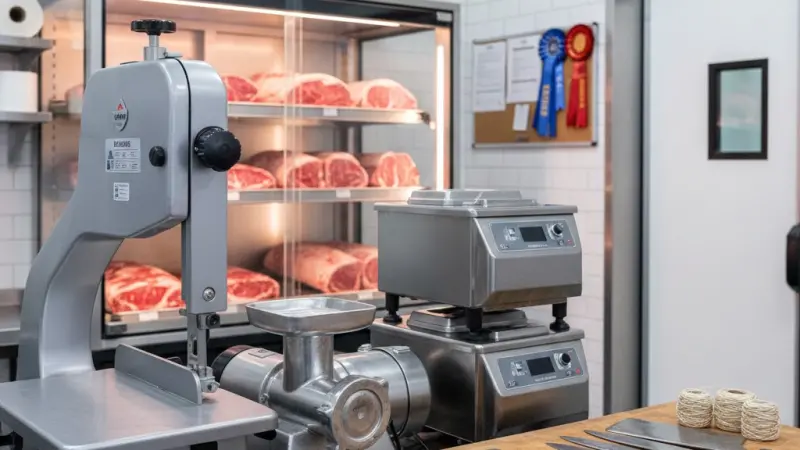
This category includes the "workhorses" of the shop. Mincers, mixers, and bandsaws are the foundation of meat preparation. When sourcing these, the focus must be on motor durability and ease of sanitization. Stainless steel construction is non-negotiable in the UK, adhering to strict food safety standards. Professionals often look for business listing uk options to find suppliers offering refurbished machinery, which can be a cost-effective route for startups.
2. Refrigeration and Cold Storage
Temperature control is the most critical aspect of the meat trade. This includes walk-in cold rooms, display counters, and dry-aging cabinets. Dry-aging, in particular, has seen a massive rise in popularity in the UK, requiring specialized cabinets that manage humidity and airflow with extreme precision.
3. Cutting Tools and Sharpness Services
A butcher is only as good as their knife. The market provides a staggering array of boning, skinning, and steak knives.
Beyond the initial purchase, many suppliers offer professional sharpening services. Maintaining a relationship with a local sharpener ensures that expensive German or Japanese steel blades last for decades rather than years.
4. Consumables and Packaging
From natural sausage casings and bespoke spice blends to vacuum pouches and butcher’s twine, consumables are the recurring costs of the business. Sustainability is a growing trend here, with many shops moving toward compostable packaging and recyclable trays to satisfy the eco-conscious British consumer.
5. Hygiene and PPE
In the wake of heightened health awareness, hygiene equipment—including boot washers, knife sterilizers, and high-grade aprons—has become a top priority. Suppliers in this niche often offer comprehensive cleaning chemical solutions tailored to the meat industry’s specific needs.
How to Choose the Right Service Provider
Selecting a supplier for your butchery equipment is a decision that will affect your daily operations for years. It is not simply about finding the lowest price; it is about reliability and support.
First, check for industry-specific accreditations. In the UK, look for suppliers who are members of trade bodies or who can demonstrate compliance with CE (or the new UKCA) marking for machinery. This ensures the equipment meets safety and environmental standards. Secondly, local reputation is paramount. A supplier located 200 miles away might offer a cheaper bandsaw, but if that bandsaw breaks down on a Saturday morning, the cost of the downtime will far outweigh the initial savings. Using uk service listings allows you to filter providers by location and check their standing within the local community.
Insurance and warranties are the third pillar of a good provider. Always ask for a detailed breakdown of the warranty: Does it include parts and labor? What is the guaranteed response time? A provider who offers a "service level agreement" (SLA) is usually a safer bet for a busy commercial butcher. Finally, read reviews from other meat professionals. The butchery world is tight-knit; if a supplier has let someone down, the news travels fast. Conversely, a provider found via uk top rated local businesses who has consistently positive feedback is a valuable asset to your supply chain.
Industry Challenges & Future Outlook
The UK butchery industry is currently at a crossroads, facing significant regulatory and technological shifts. The most pressing challenge is the drive toward Net Zero. Refrigeration accounts for a massive portion of a butcher's energy bill, and with fluctuating electricity prices, the transition to "Green Refrigeration" using natural refrigerants like CO2 or ammonia is accelerating.
Furthermore, the "Smart Butchery" trend is introducing IoT (Internet of Things) into the shop. Imagine a cold room that sends an alert to your phone if the temperature rises by two degrees, or a mincer that tracks its own usage to predict when the blades need sharpening. These technologies are no longer science fiction; they are becoming available to high-end UK retailers. For those looking to upgrade, searching for a business listing uk can lead to innovative tech startups specializing in food-tech solutions.
Regulatory changes post-Brexit also continue to impact the sector, particularly regarding the import of European machinery and the export of processed meat products. Navigating these "Red Tape" challenges requires equipment that can provide high-quality data logging for traceability. The future outlook, however, remains positive. The demand for "craft" butchery and transparency in the food chain is at an all-time high, providing a fertile ground for businesses that invest in the right tools and maintain a strong presence in a uk b2b business directory.
Business Tips for Professionals
In a digital-first world, even the most traditional butcher must embrace online visibility. While your physical shop window is important, your "digital shop window" is often where the first contact is made.
To market a local butchery equipment or supply business, you must focus on local SEO. Ensure your business is listed in a uk local trades directory so that when a local shop owner searches for "butcher supplies near me," your name appears.
Content marketing is also highly effective; sharing videos of your equipment in action or providing "how-to" guides on knife maintenance can establish you as an authority in the field.
Networking remains a powerful tool. Participate in local trade shows and agricultural fairs, but supplement this with a strong profile on a uk online business directory. This ensures that even when you aren't physically present at an event, your business is working for you 24/7. High-quality photography of your products and transparent pricing can set you apart from competitors who rely solely on old-fashioned word-of-mouth.
Wrapping Up & Local Page Integration
The butchers' equipment and supplies sector is a vibrant, essential part of the UK's economy. Whether you are a supplier of heavy machinery or a butcher looking to outfit a new shop, the quality of your equipment determines the quality of your product. As we have explored, the industry is moving toward a future of high-tech, sustainable, and highly efficient operations.
For businesses looking to thrive in this competitive landscape, visibility is the key to success. This is where Local Page UK comes in. As the premier uk business directory, it provides the perfect platform for suppliers to showcase their expertise and for butchers to find the high-quality services they need. By bridging the gap between local providers and professional buyers, it ensures that the British butchery tradition continues to flourish in the modern age.
Boost Your Visibility with Local Page UK
If you operate within the Butchers’ Equipment & Supplies sector, you know that your customers value reliability and local presence. To ensure your business reaches the meat professionals who need your products, claiming your business listing uk on Local Page is a vital step. Our platform is designed to help UK businesses grow by increasing their digital footprint and connecting them with a targeted, local audience. Don't let your competitors take the lead—join our community of verified professionals today.
FAQs for Butchers' Equipment Buyers
1. What are the most essential pieces of equipment for a startup butcher shop?
Starting a butcher shop requires a few core "workhorse" items. At a minimum, you will need a heavy-duty meat mincer, a high-quality bandsaw for cutting through bone, a vacuum packing machine for shelf-life extension, and reliable refrigeration. Additionally, a sturdy chopping block and a set of professional-grade knives (boning, skinning, and steak knives) are fundamental. Many startups find their initial suppliers by searching through a local businesses list uk to compare regional pricing and service levels.
2. How often should butchery machinery be serviced?
For commercial operations, a major service should be conducted at least once or twice a year by a qualified engineer. However, daily maintenance—such as cleaning and checking for loose parts—must be performed by staff. Regular servicing prevents costly breakdowns and ensures compliance with UK health and safety regulations. You can find specialized engineers via uk professional services listings who offer maintenance contracts tailored to meat-processing equipment.
3. What is the difference between CE and UKCA markings on equipment?
The CE mark indicates that equipment meets European safety, health, and environmental standards. Following Brexit, the UK introduced the UKCA (UK Conformity Assessed) marking. While they are currently similar, it is important to ensure any new equipment purchased for use in Great Britain carries the UKCA mark where required by law. Always verify this with your supplier when browsing a uk b2c business directory.
4. Why is vacuum packing important for modern butchers?
Vacuum packing removes oxygen from the packaging, which significantly slows down the spoilage process and prevents freezer burn. This allows butchers to offer a wider
variety of pre-cut meats and supports the growing trend of home-delivery meal kits. It also improves hygiene by preventing cross-contamination during transport.
5. How can I find reliable local suppliers for my butchery business?
The most efficient way to find trustworthy local suppliers is to use a dedicated platform like Localpage. By using a structured directory, you can filter by location and service type, ensuring you find a partner who can provide quick deliveries and on-site support when needed.
6. What should I look for in a meat mincer?
Look for a mincer with a high "throughput" (kg per hour) that matches your expected volume. Stainless steel construction is essential for hygiene. Ensure the head is easily removable for cleaning. If you plan on mincing semi-frozen meat, you will need a more powerful motor than if you are only processing fresh cuts.
7. Are used or refurbished machines a good investment?
Yes, high-quality butchery machines are built to last. A refurbished machine from a reputable dealer can save you 40-60% off the price of a new one. However, ensure it comes with a warranty. Many dealers list their refurbished stock on a business listing uk to reach cost-conscious business owners.
8. What is the best way to maintain knife sharpness?
While daily honing with a steel is necessary, knives should be professionally sharpened periodically. Using an electric sharpener in-shop is an option, but for the best results, many butchers use a mobile sharpening service found via uk trade services listings.
9. How does dry-aging equipment work?
Dry-aging cabinets control three main variables: temperature (usually 1-3°C), humidity (60-85%), and airflow. This environment allows natural enzymes to break down connective tissue, resulting in a more tender and flavorful meat. It is a premium service that requires high-end, reliable equipment.
10. What are the current trends in butchery packaging?
Sustainability is the biggest trend. Many UK butchers are switching to paper-based leak-proof trays, compostable vacuum bags, and traditional wax paper. This helps reduce plastic waste and appeals to the modern, eco-conscious shopper.
11. Is it worth investing in an automated sausage filler?
If you produce more than 50kg of sausages a week, automation will pay for itself in labor savings within months. Automated fillers provide consistent sizing and faster production, allowing you to focus on developing unique flavors.
12. How do I ensure my shop meets UK food hygiene ratings?
Beyond staff training, your equipment plays a huge role. Use non-porous surfaces (stainless steel or high-density plastic), ensure all equipment is easy to dismantle for deep cleaning, and use a digital temperature monitoring system for your fridges. You can find hygiene consultants through uk verified business listings.
13. What insurance do I need for my equipment?
You should have "Business Interruption" insurance in addition to "Public and Product Liability." If a main freezer fails, business interruption insurance can cover the cost of the lost stock and the loss of income while you wait for repairs.
14. Can I get a free listing for my butchery supply business?
Absolutely. Most modern directories offer options for small businesses to gain visibility. For example, you can look for
a business listing uk to start building your online presence without an initial financial outlay.
15. How do I improve my business's local search ranking?
To be found by local butchers, you need to be listed where they are looking. Ensure your business information is consistent across all platforms and that you are active on a Local Page listing to improve your local SEO and credibility.
Disclaimer: The information provided in this article is for general informational and research purposes only. Company details, features, services, and market positions may change over time. Readers are advised to visit official company websites and conduct independent research before making any business decisions or purchasing services.
Most Searchable Keywords
Recent Blogs


Related Listings
Categories
- Accountants (295)
- Advertising Agencies (559)
- Architects (149)
- Automobiles (377)
- Beauty (300)
- Carpenters (146)
- Cleaning Services (387)
- Dentists (189)
- Driving (62)
- Electricians (215)
- Energy (8)
- Event Organiser (686)
- Finance (602)
- Guide (3376)
- Health (2207)
- Information technology (206)
- Legal Services (356)
- Logistics (6)
- Maintenance (65)
- Manufacturing (35)
Sponsored Listings in Travel Agencies

Related Blogs

Sexual Harassment Rules Tighten Across UK Fro...
Read this insightful article "Sexual Harassment Rules Tighten Across UK From October 2026" to expand your knowledge!

Employment Tribunal Claim Deadline Extends Fr...
Read this insightful article "Employment Tribunal Claim Deadline Extends From October 2026" to expand your knowledge!

Rainy Day Activities in Cheltenham Hidden Gem...
Read this insightful article "Rainy Day Activities in Cheltenham Hidden Gems for 2026" to expand your knowledge!
Questions & Answers – Find What
You Need, Instantly!
How can I update my business listing?
Is it free to manage my business listing?
How long does it take for my updates to reflect?
Why is it important to keep my listing updated?
