
Find Cleaning Services for Vintage Homes Expert
- 👤 Alex
- 👁️ 61 Views
- Last Updated: April 14, 2026
- 🏷️ Cleaning Services
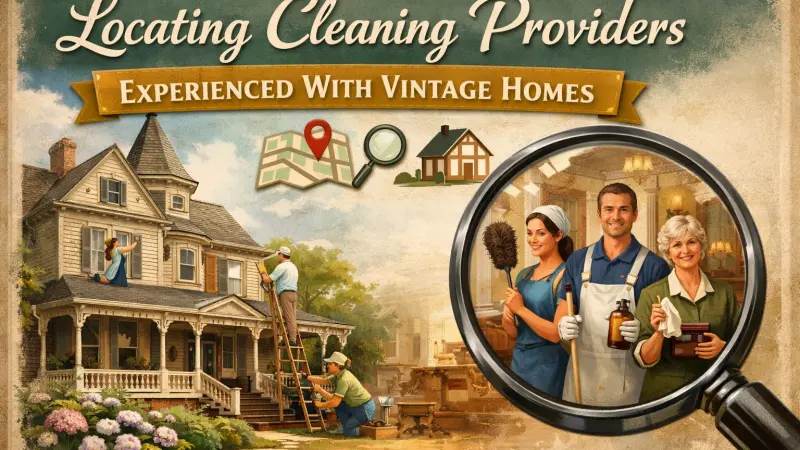
Owning a vintage home is a labor of love. Whether it is a Victorian terrace, an Edwardian villa, or a mid-century modern masterpiece, these structures carry a soul that modern builds often lack. However, the very features that make them charming—hand-rolled glass, unlacquered brass, original lath and plaster, and centuries-old hardwood—are also their most vulnerable points. Standard, modern cleaning approaches can be disastrous for historic materials.

Finding a cleaning provider who understands the nuance of "preservation over polish" is essential. It is not just about removing dust; it is about ensuring that the cleaning agents used today don’t cause the masonry to crumble or the wood finish to cloud ten years from now. This guide explores the specialized world of heritage cleaning and how you can vet professionals to ensure your home remains a timeless treasure.
Understanding the Unique Needs of Vintage Properties
Before you begin your search, it is vital to understand why a "standard" cleaning service might not be the right fit. Vintage homes are built with materials that have "breathed" for decades or centuries.
The Sensitivity of Old Materials
Modern cleaning products are often formulated for synthetic surfaces like laminate, vinyl, and stainless steel. These products are frequently too acidic or too alkaline for natural, aged materials. For example:
-
Original Hardwood: Often finished with shellac or wax rather than modern polyurethane. Using a steam mop or harsh surfactants can strip the finish or warp the grain.
-
Antique Glass: Older windows are thinner and more brittle. High-pressure washing or abrasive cloths can lead to irreversible scratching or cracking.
-
Soft Stone and Masonry: Original hearths made of limestone or marble are incredibly porous. Standard bathroom cleaners can etch the surface permanently.
Structural Nuances
Vintage homes often have intricate architectural details like crown molding, wainscoting, and ceiling roses. These areas accumulate dust in ways modern flat surfaces do not, requiring a provider who possesses the patience for detail-oriented, manual work rather than high-speed machinery.
Benefits of Hiring Specialists for Historic Homes
While it may be tempting to hire any well-reviewed local cleaner, a specialist offers long-term value that far outweighs the initial cost.
Longevity of Finishes
A specialist understands that "clean" shouldn't mean "stripped." By using pH-neutral cleaners and traditional methods, they extend the life of your home’s original features, saving you thousands in restoration costs later.
Knowledge of Historic Hazards
Older homes often contain lead paint or asbestos in certain tile adhesives. A provider experienced with vintage properties will recognize these materials and know how to clean around them safely without disturbing particles that could become airborne.
Respect for the "Patina"
There is a fine line between dirt and the natural aging of a material. A specialized cleaner knows that a 100-year-old copper sink should have a glow, not necessarily a mirror shine that removes the metal's protective oxidation layer.
Step-by-Step Guide to Locating the Right Provider
Finding these niche professionals requires a bit more legwork than a simple internet search. Here is a structured approach to your talent hunt.
1. Consult Restoration Professionals
The best references often come from people who repair vintage homes. Reach out to local restoration architects, antique flooring installers, or specialist painters. They often have a "shortlist" of cleaners they trust to maintain their work once the project is finished.
2. Check Heritage Conservation Directories
Many regions have organizations dedicated to historic preservation. These groups often maintain lists of vetted contractors who have demonstrated a commitment to historical accuracy and material safety.
3. Conduct a "Chemical Interview"
When you find a potential candidate, ask them specifically what products they use on:
-
Unfinished wood
-
Aged brass or bronze
-
Porous stone If they answer "all-purpose cleaner" for everything, they likely lack the specialized knowledge required for a vintage property.
4. Verify Experience with Specific Eras
A cleaner who specializes in 1950s mid-century homes might be an expert on Formica and cork, but they might not be the best fit for a 1700s cottage with lime-washed walls. Match the provider’s experience to your home’s specific era.
Common Mistakes to Avoid When Hiring
Even with the best intentions, homeowners often make errors that lead to property damage.
-
Prioritizing Speed Over Technique: Specialized cleaning is slow. If a company promises to clean a 4,000-square-foot historic home in three hours, they are likely cutting corners or using aggressive chemicals to save time.
-
Assuming Modern "Eco-Friendly" Means Safe: Many "green" cleaners use citric acid or vinegar. While safe for the environment, these are acidic and can damage old marble, limestone, and some antique metal patinas.
-
Neglecting Insurance Coverage: Ensure the provider has specific liability insurance. If a cleaner accidentally breaks a stained-glass window that costs $5,000 to replicate, you need to know their policy covers "fine arts" or "historic elements."
Maintenance Tips Between Professional Visits
To keep your vintage home in top shape without over-cleaning, follow these gentle maintenance rules:
-
Dry Dusting First: Always use microfiber or soft wool dusters. Removing dry particulate prevents it from becoming an abrasive paste when liquids are introduced.
-
The "Two-Cloth" Method: Use one damp cloth (water only) followed immediately by a dry, soft cloth to prevent moisture from seeping into wood joints.
-
Monitor Humidity: Vintage materials react to the air. Keeping your home at a consistent humidity level prevents wood from cracking and paint from flaking, making cleaning much easier.
The Architectural Responsibility: Why Vintage Home Cleaning is a Niche Discipline
To reach the heart of why finding the right cleaning provider is so difficult, one must first acknowledge that a vintage home is a living organism. Unlike modern stick-built homes with drywall and synthetic finishes, older homes were constructed using "breathable" systems. When you look for a cleaner, you aren't just looking for someone to mop floors; you are looking for a steward of architectural history.
The complexity of these structures means that a standard cleaning checklist is not only insufficient but potentially hazardous. To truly expand our understanding of how to locate the right provider, we must dive deeper into the science of historic materials and the logistical hurdles of maintaining a legacy property.
The Science of Historic Materials: What Your Cleaner Must Know
A provider experienced with vintage homes should have a working knowledge of material science as it relates to the 18th, 19th, and early 20th centuries.
If they don't understand the "why" behind a cleaning method, they cannot be trusted with the "how."
1. The Porosity of Lime Plaster vs. Drywall
Most homes built before the 1940s utilize lath and plaster. Unlike modern gypsum drywall, plaster is alkaline and highly porous. Using high-moisture cleaning methods or acidic solutions can cause the plaster to "spall" or flake. A specialized cleaner knows to use dry-sponging techniques or vulcanized rubber sponges to lift soot and dust without introducing liquids that could compromise the wall’s integrity.
2. The Vulnerability of Old-Growth Wood
The timber found in vintage homes—often "old-growth"—is denser and more durable than modern pine, but it is often finished with organic substances like linseed oil, beeswax, or shellac. Modern chemical cleaners contain solvents designed to cut through grease on plastic-like polyurethane finishes. On a vintage floor, these solvents will dissolve the finish, leaving the wood "thirsty" and susceptible to rot.
3. Understanding Atmospheric Carbonation in Stone
Older fireplaces and entryways often feature "soft" stones like soapstone, limestone, or marble. Over decades, these stones undergo a process of carbonation. A cleaner who doesn't understand this might try to scrub away a "stain" that is actually a natural part of the stone's aged structure, causing permanent pitting.
Detailed Step-by-Step: Vetting a Potential Provider
When you move beyond the initial search, the vetting process must become more granular. Here is a sophisticated framework for interviewing a cleaning firm to ensure they are actually "vintage-ready."
Phase 1: The Portfolio Review
Don't just ask for references; ask for a project history. A high-end provider should be able to tell you:
-
The oldest property they currently maintain.
-
The most delicate material they have ever cleaned (e.g., hand-painted wallpaper or gold-leaf molding).
-
A time they encountered a problem (like a failing finish) and how they mitigated the risk.
Phase 2: The On-Site Assessment
A true specialist will never give a quote over the phone for a vintage home. They must see the property. During the walkthrough, watch their eyes. Are they looking at the floor, or are they looking at the joinery? Are they checking the type of hardware on the windows? A specialist will identify the materials as they walk: "I see you have original unweighted sash windows; we’ll need to be careful with the glazing putty here."
Phase 3: The Trial Room
Before committing to a full-home contract, propose a "trial room"—ideally a room with a mix of materials, like a library or a formal dining room. This allows you to observe their movement. Do they wear soft-soled shoes to protect the floors? Do they use plastic buckets that could scratch surfaces, or do they use padded equipment?
Supporting Local Business Visibility Beyond Core Marketing Efforts
When searching for niche experts, it is important to look at how these professionals establish themselves within the community. For the homeowner, finding a specialist often relies on the provider's ability to maintain a clear Local Page UK. This isn't just about finding a phone number; it is about seeing a history of local engagement.
Strategic advertise company uk directory placements allow small, specialized cleaning firms to stand out in a sea of massive franchises. When a business invests in directory marketing uk, they are
essentially providing a trail of breadcrumbs for the discerning homeowner. These platforms act as a supporting visibility layer that reinforces the firm’s credibility.
Furthermore, checking company ratings uk provides a baseline of trust. A specialist who takes the time to be present in a free business database directory is demonstrating that they are a legitimate, localized entity. This local discovery aid is often the bridge between a homeowner in need of delicate care and a technician who possesses the rare skills to provide it.
Cleaning Provider
Finding a cleaning provider for a vintage home is an exercise in patience and due diligence. Your home is a piece of history, and the people you hire to maintain it should treat it with the same reverence as a museum curator. By looking past the surface-level marketing and seeking out professionals with a deep understanding of heritage materials, you ensure that your property remains a beautiful, structural legacy for generations to come. Start your search by consulting local directories and restoration experts, and never be afraid to ask the tough questions about chemistry and technique. Your home deserves nothing less.
Frequently Asked Questions
Q: Is steam cleaning safe for original Victorian floor tiles?
A: Generally, no. While tiles are hardy, the grout in older homes is often lime-based or porous. Excessive heat and moisture can cause the grout to crumble or the tiles to loosen from the bedding.
Q: How often should a vintage home have a "deep clean"?
A: Because preservation is the goal, a deep clean is usually recommended only once or twice a year, focusing on non-abrasive dust removal and conditioning of natural materials.
Q: Can I use vinegar on my antique hardwood floors?
A: No. Vinegar is an acid. Over time, it will eat through the wax or shellac finish, leaving the wood dull and unprotected.
Q: What should I do if a cleaner uses the wrong product?
A: Immediately rinse the area with distilled water and pat dry. If the material is stone or wood and appears etched or discolored, consult a restoration specialist immediately rather than trying to "fix" it with more chemicals.
Q: Do specialized cleaners cost more?
A: Typically, yes. You are paying for their expertise, the cost of specialized pH-neutral chemicals, and the extra time required for manual, careful labor.
Q: Are there specific certifications for historic cleaning?
A: While there isn't one single "license," look for memberships in preservation societies or certifications in masonry and wood conservation.
Q: Should I provide the cleaning products? A: For vintage homes, it is often best to have a kit of "approved" products you’ve discussed with a restoration expert, though a true specialist will likely prefer to bring their own professional-grade conservation tools.
Q: How do I vet a company's claims of "vintage experience"?
A: Ask for photos of previous projects or references from owners of homes from a similar era. A reputable provider will be proud to share their history of preserving historic interiors.

Disclaimer: The information provided in this article is for general informational and research purposes only. Company details, features, services, and market positions may change over time. Readers are advised to visit official company websites and conduct independent research before making any business decisions or purchasing services.
Most Searchable Keywords

Recent Blogs
-

Explore Supermarkets in Chepstow and the Surrounding Wye Valley
-
Elite Guide to Taxi and Private Hire Services in Hereford
-
Explore Fuel and Roadside Convenience Across Beckington Today
-
Explore Abergavenny Tyre Services with Expert Local Fitters
-
Claim Your HMRC UK Tax Refund Before Application Deadlines



Related Listings
-
Platinum Exterior Cleaning
-
End of Tenancy Cleaning Agency
-
Royal Cleaning
-
FastKlean
-
Fantastic Services



Categories
- Accountants (295)
- Advertising Agencies (559)
- Architects (149)
- Automobiles (376)
- Beauty (300)
- Carpenters (146)
- Cleaning Services (386)
- Dentists (189)
- Driving (61)
- Electricians (215)
- Energy (7)
- Event Organiser (683)
- Finance (597)
- Guide (3358)
- Health (2205)
- Information technology (206)
- Legal Services (352)
- Logistics (6)
- Maintenance (65)
- Manufacturing (35)

Sponsored Listings in Cleaning Services

Related Blogs

Explore Supermarkets in Chepstow and the Surr...
Read this insightful article "Explore Supermarkets in Chepstow and the Surrounding Wye Valley" to expand your knowledge!

Elite Guide to Taxi and Private Hire Services...
Read this insightful article "Elite Guide to Taxi and Private Hire Services in Hereford" to expand your knowledge!

Explore Fuel and Roadside Convenience Across...
Read this insightful article "Explore Fuel and Roadside Convenience Across Beckington Today" to expand your knowledge!
Questions & Answers – Find What
You Need, Instantly!
How can I update my business listing?
Is it free to manage my business listing?
How long does it take for my updates to reflect?
Why is it important to keep my listing updated?
