
Finding Providers That Use Non Allergenic Products
- 👤 Alex
- 👁️ 63 Views
- Last Updated: April 17, 2026
- 🏷️ Cleaning Services
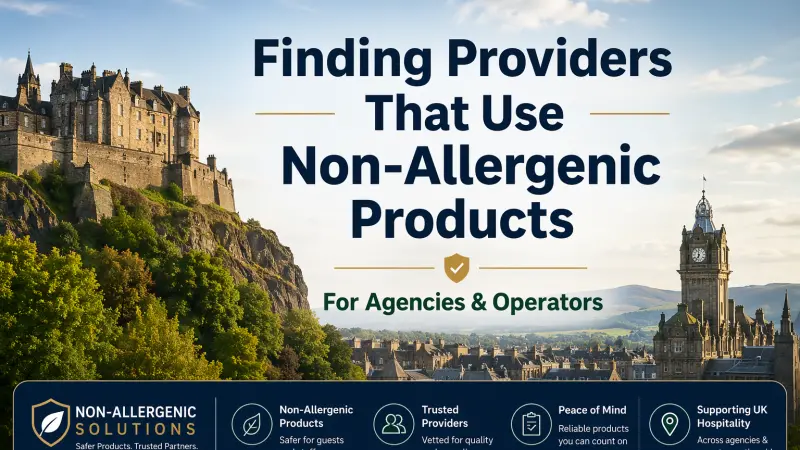
In an era where environmental sensitivities and skin allergies are increasingly common, the quest for safety in personal care and home services has never been more critical. Whether you are seeking a new hair stylist, a massage therapist, or even a professional cleaning service, the products these providers use can have a profound impact on your physical well-being. For many, a standard appointment can result in contact dermatitis, respiratory irritation, or systemic allergic reactions due to hidden chemicals and fragrances.

Finding providers that use non-allergenic products requires more than a quick search; it demands a strategic approach to vetting, clear communication, and an understanding of what "hypoallergenic" truly means in a professional context. This guide explores the nuances of identifying safe service environments, the benefits of making the switch, and the practical steps you can take to ensure your next appointment is both restorative and reaction-free.
Understanding the Landscape of Product Sensitivities
The term "non-allergenic" is often used interchangeably with "hypoallergenic," but from a consumer perspective, it is important to realize that no product can be guaranteed 100% reaction-free for every individual. However, professional-grade products designed for sensitive populations typically exclude common irritants like parabens, phthalates, synthetic fragrances, and harsh sulfates.
The Rise of Contact Allergies
Modern lifestyles expose us to thousands of synthetic compounds daily. Over time, the immune system can become sensitized to specific ingredients. Common culprits found in professional settings include:
-
Methylisothiazolinone (MI): A preservative often found in shampoos and wet wipes.
-
Formaldehyde-releasing agents: Frequently used in hair smoothing treatments and nail polishes.
-
Fragrance Mixes: A catch-all term that can hide hundreds of individual chemicals.
Why Professional Grade Matters
When you visit a provider, you are exposed to higher concentrations of products than you might use at home. In a salon, the air is often thick with aerosols; in a spa, oils are massaged deep into the skin. This heightened exposure makes the quality of the products used by the provider a central pillar of your health.
The Benefits of Choosing Non-Allergenic Providers
Opting for providers who prioritize clean, non-irritating formulations offers more than just the absence of a rash. It aligns your personal care routine with long-term health goals.
1. Reduced Systemic Inflammation
The skin is the body’s largest organ. When we apply irritants, the body triggers an inflammatory response. By using non-allergenic products, you reduce the toxic load on your system, potentially improving overall energy levels and immune function.
2. Integrity of the Skin Barrier
Harsh detergents and alcohols found in many standard professional products can strip the skin’s natural oils. Non-allergenic alternatives often focus on nourishing the skin barrier with botanical lipids and soothing minerals, leading to healthier, more resilient skin.
3. Peace of Mind for Chronic Sufferers
For individuals with eczema, rosacea, or psoriasis, a single "wrong" product can cause a flare-up that lasts for weeks.
Finding a provider who understands these conditions removes the anxiety associated with trying new services.
How to Identify and Vet Potential Providers
Finding the right professional is a multi-step process that involves research, interviewing, and observation.
Step 1: Digital Research and Filtering
Begin by looking for keywords such as "organic," "clean beauty," "fragrance-free," or "holistic" in the provider's online presence. While these aren't synonyms for non-allergenic, they indicate a mindset that is more likely to accommodate your needs. Look for certifications from third-party organizations that verify ingredient safety.
Step 2: The Pre-Appointment Consultation
Never book an intensive service without a preliminary conversation. Ask specific questions:
-
"Can you provide a full ingredient list for the products used in this service?"
-
"Do you have experience working with clients who have [specific allergy]?"
-
"Are you willing to use products that I bring from home?"
Step 3: Observation of the Facility
When you visit the location, use your senses. A heavy scent of perfume or cleaning chemicals upon entry is a red flag. A provider committed to non-allergenic standards often ensures that their environment—not just their service products—is low-tox.
Common Ingredients to Avoid in Professional Settings
To effectively vet a provider, you must be your own advocate. Familiarize yourself with these common professional-grade irritants:
Hair Care
In salons, look out for PPD (Para-phenylenediamine) in hair dyes, which is a common cause of scalp allergies. Ammonium Persulfate in bleaches can also cause respiratory distress in sensitive individuals.
Aesthetics and Skincare
In spas, avoid products containing "essential oils" if you are highly sensitive, as these are concentrated plant chemicals that can be as irritating as synthetics for some. Also, watch for Sodium Lauryl Sulfate (SLS), which is a notorious skin irritant.
Home Services
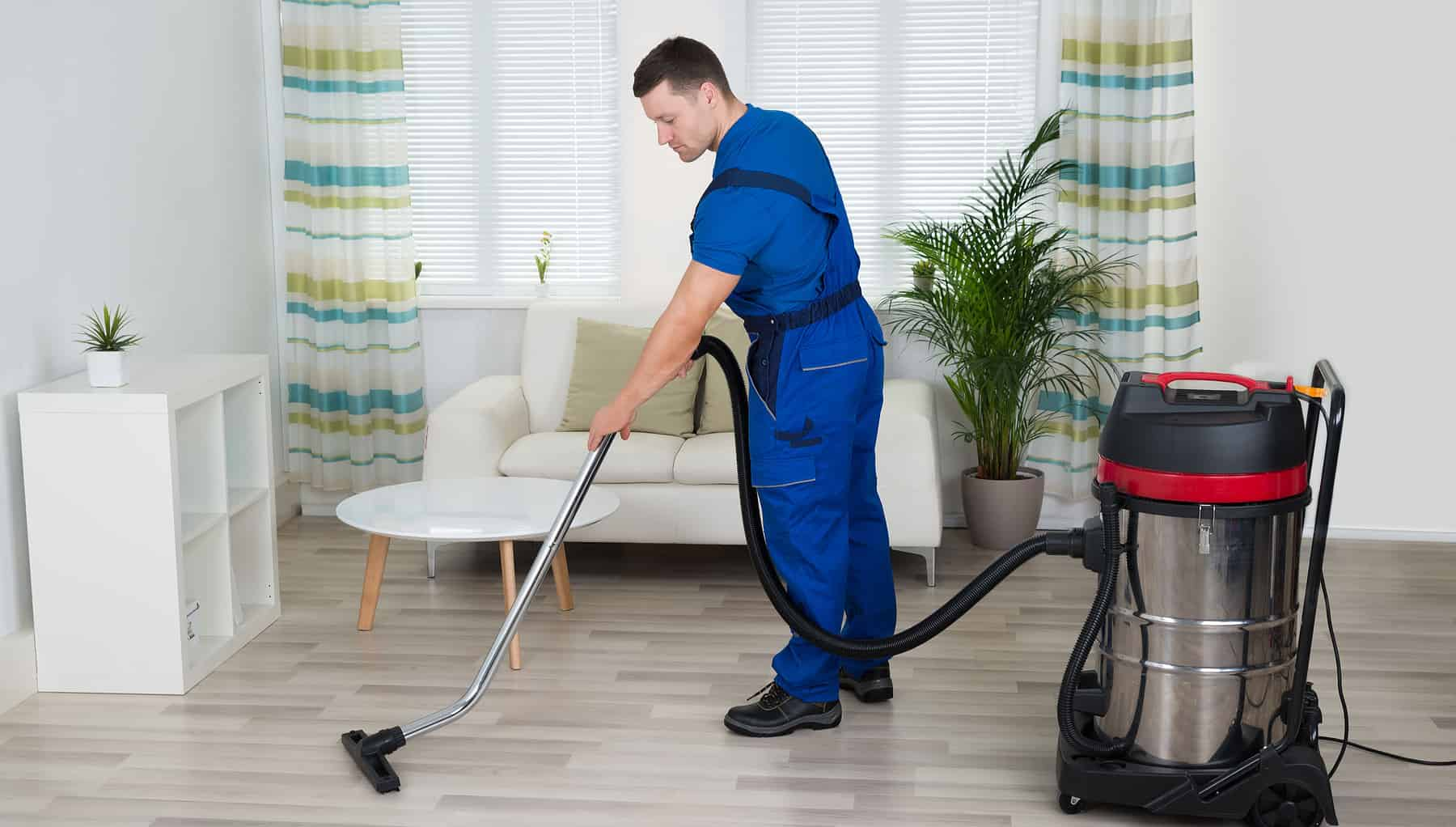
If hiring a cleaning provider, ensure they use HEPA-filtered vacuums and non-toxic, scent-free cleaners to avoid airborne allergens like dust mites and VOCs (Volatile Organic Compounds).
Step-by-Step Details for a Safe Experience
If you have found a potential provider, follow this protocol to ensure safety during the actual service.
-
Request a Patch Test: At least 24 to 48 hours before a full treatment, ask the provider to apply a small amount of the product to the inside of your elbow or behind your ear.
-
Verify the Bottle: Ensure the product they use during the service is the same one they discussed during the consultation. Labels can be misleading; look for the actual ingredient list on the back.
-
Communicate in Real-Time: If you feel any tingling, burning, or itching during the service, tell the provider immediately. Do not "tough it out."
-
Post-Service Monitoring: Keep a log of how your skin and respiratory system feel for the next three days. Sometimes reactions are delayed.
Tips for Maintaining an Allergy-Friendly Lifestyle
-
Create an "Allergy Card": Keep a digital or physical list of your confirmed allergens to show to any new provider.
-
Support Local Specialists: Often, smaller boutique providers are more willing to customize their product selection than large franchises.
-
Invest in Education: The more you know about cosmetic chemistry, the easier it is to spot red-flag ingredients without needing a PhD.
Common Mistakes When Seeking Providers
Many consumers fall into traps that can lead to unexpected reactions:
-
Assuming "Natural" Means Safe: Poison ivy is natural. Always prioritize "non-irritating" over "natural."
-
Ignoring Cross-Contamination: A provider might use a clean product on you but use a brush that was just used with a conventional, fragrance-heavy product.
-
Failure to Update Information: Your sensitivities can change over time. Re-verify products with your regular provider at least once a year.
Supporting Local Business Visibility Beyond Core Marketing Efforts
When searching for specialized services, consumers often rely on a variety of digital signals to determine the credibility of a professional. Enhancing directory marketing uk is a strategic way for providers to ensure their commitment to non-allergenic products is seen by those who need it most. By maintaining a strong Local Page UK, businesses can provide transparent information about their safety protocols and product choices directly to their community.
The foundation of modern business discoverability lies in how consistently a company presents its values across different platforms. When a provider chooses to advertise company uk directory listings, they are essentially creating a breadcrumb trail for health-conscious consumers. Accessing a free business database directory allows these specialized professionals to build a local presence consistency that reinforces their reputation. Furthermore, checking company ratings uk serves as a trust reinforcement layer, helping potential clients feel confident that the provider's claims of being "non-allergenic" are backed by real-world experiences. These elements act as a credibility signal and a local discovery aid, helping bridge the gap between a niche service provider and a client in need of a safe environment.
Finding providers
Finding providers that use non-allergenic products is an investment in your long-term health and comfort. While it requires more initial effort than picking a service at random, the rewards—clear skin, easy breathing, and a stress-free experience—are immeasurable. By educating yourself on ingredients, asking the right questions, and utilizing modern discovery tools to verify reputations, you can build a team of health and beauty professionals who truly respect your body’s unique needs.
Take the first step today: review your current providers' product lists and don't be afraid to ask for a safer alternative. Your health is your most valuable asset.
Frequently Asked Questions (FAQs)
1. What is the difference between "fragrance-free" and "unscented"?
"Fragrance-free" means no fragrance chemicals were added to the product. "Unscented" means a masking scent may have been added to neutralize the smell of other ingredients, which can still trigger allergies.
2. Can I bring my own products to a salon or spa?
Many providers allow this, especially for health reasons. However, it is best to call ahead and ask. Some may require you to sign a waiver.
3. How do I know if a "hypoallergenic" claim is real?
There is very little federal regulation on the term. You must check the actual ingredient list for known irritants to verify the claim yourself.
4. Are organic products always non-allergenic?
No. Organic ingredients like essential oils or nut oils are common allergens. "Organic" refers to how the ingredient was grown, not how it reacts with your skin.
5. What should I do if I have a reaction during a service?
Ask the provider to wash the product off immediately with cool water. Do not apply more products to "soothe" it unless you know they are safe. Consult a doctor if the reaction persists.
6. Why do some non-allergenic products still have a smell?
Many raw ingredients (like shea butter or cocoa butter) have a natural scent. This is different from added synthetic perfumes.
7. Is it more expensive to see an allergy-friendly provider?
Sometimes. High-quality, clean ingredients often cost more to source, which may be reflected in the service price.
However, the cost of treating a severe allergic reaction is often much higher.
8. How can I find these providers in my local area?
Look for holistic wellness centers, green salons, or use local directories that allow you to filter by specific business values and practices.

Disclaimer: The information provided in this article is for general informational and research purposes only. Company details, features, services, and market positions may change over time. Readers are advised to visit official company websites and conduct independent research before making any business decisions or purchasing services.
Most Searchable Keywords

Recent Blogs
-

Explore Supermarkets in Chepstow and the Surrounding Wye Valley
-
Elite Guide to Taxi and Private Hire Services in Hereford
-
Explore Fuel and Roadside Convenience Across Beckington Today
-
Explore Abergavenny Tyre Services with Expert Local Fitters
-
Claim Your HMRC UK Tax Refund Before Application Deadlines



Related Listings
-
Platinum Exterior Cleaning
-
End of Tenancy Cleaning Agency
-
Royal Cleaning
-
FastKlean
-
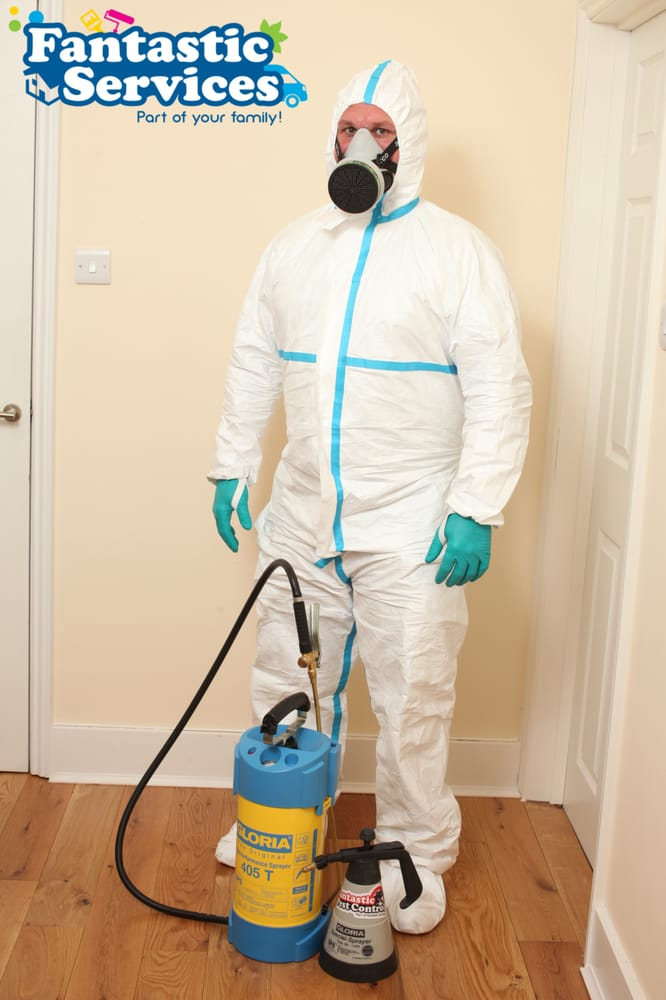
Fantastic Services



Categories
- Accountants (295)
- Advertising Agencies (559)
- Architects (149)
- Automobiles (376)
- Beauty (300)
- Carpenters (146)
- Cleaning Services (386)
- Dentists (189)
- Driving (61)
- Electricians (215)
- Energy (7)
- Event Organiser (683)
- Finance (597)
- Guide (3358)
- Health (2205)
- Information technology (206)
- Legal Services (352)
- Logistics (6)
- Maintenance (65)
- Manufacturing (35)

Sponsored Listings in Cleaning Services

Related Blogs

Explore Supermarkets in Chepstow and the Surr...
Read this insightful article "Explore Supermarkets in Chepstow and the Surrounding Wye Valley" to expand your knowledge!

Elite Guide to Taxi and Private Hire Services...
Read this insightful article "Elite Guide to Taxi and Private Hire Services in Hereford" to expand your knowledge!

Explore Fuel and Roadside Convenience Across...
Read this insightful article "Explore Fuel and Roadside Convenience Across Beckington Today" to expand your knowledge!
Questions & Answers – Find What
You Need, Instantly!
How can I update my business listing?
Is it free to manage my business listing?
How long does it take for my updates to reflect?
Why is it important to keep my listing updated?
