
Graduate Recruitment Events UK
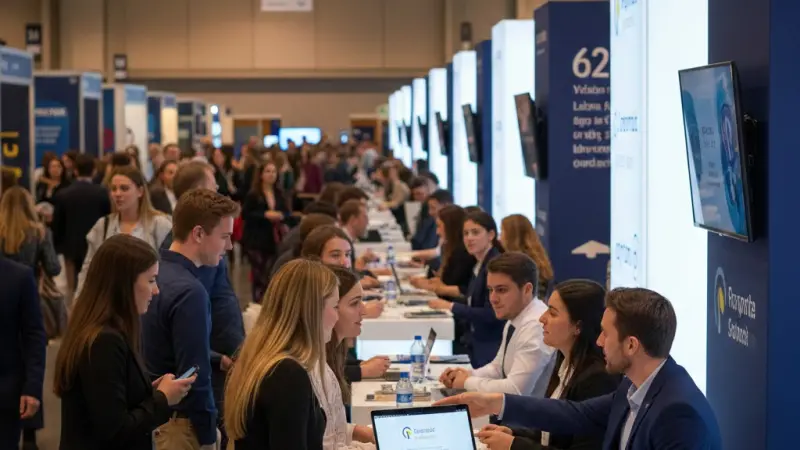
The transition from university life to a professional career is one of the most significant leaps a young person will make. In the United Kingdom, the graduate recruitment landscape is a multi-billion pound industry, underpinned by a sophisticated network of events designed to bridge the gap between academia and the boardroom. Whether you are a final-year student at a Russell Group university or a recent graduate looking for a career pivot, understanding the mechanics of graduate recruitment events in the UK is essential for success.

The "Milkround"—a traditional term for employer visits to campuses—has evolved into a complex hybrid of physical exhibitions, virtual webinars, and exclusive insight days. According to recent data from High Fliers Research, the UK’s leading graduate employers are set to increase their recruitment targets, making participation in these events more competitive yet more rewarding than ever.
Navigating the National Graduate Recruitment Landscape
The Evolution of the UK Career Fair Circuit
From Physical Stalls to Digital Engagement Platforms
In decades past, graduate recruitment was largely confined to dusty sports halls filled with brochures and branded pens. Today, the landscape is unrecognisably modern. While physical fairs like those held at London’s Olympia or the NEC Birmingham remain cornerstones of the recruitment calendar, digital integration has become the standard.
Employers now use sophisticated tracking software and QR codes to instantly capture candidate data, allowing for immediate follow-up. This shift means that your "performance" at a fair is no longer just about a brief chat; it is the first data point in a long recruitment funnel. Professionalism from the moment you scan a code is paramount.
Research Insight: The Institute of Student Employers (ISE) reported that over 70% of UK graduate employers now utilise a hybrid approach, combining in-person campus presence with virtual screening events to broaden their geographical reach.
Strategic Preparation for Major UK Recruitment Exhibitions
Researching Exhibitors and Tailoring Your Pitch
Building a Shortlist of Tier-One Employer Prospects
Walking into a national exhibition without a plan is a recipe for overwhelm. With hundreds of firms—from the 'Big Four' accountancy firms to niche boutique consultancies—vying for attention, you must be selective. Before the doors even open, you should have identified your top ten "must-visit" stalls.
Your "elevator pitch" needs to be more than just your degree title. It should reflect an understanding of the company’s recent UK market activities. For instance, if you are approaching a firm like Deloitte or PwC, referencing their latest sustainability initiatives or digital transformation projects in the UK public sector demonstrates a level of commercial awareness that sets you apart from the crowd.
- Check the exhibitor list at least 48 hours in advance.
- Download the event app (e.g., GradJobs or TARGETjobs).
- Prepare three specific questions for each employer that cannot be answered by their website.
Mastering the Art of In-Person Networking
Professional Etiquette at UK Campus Events
First Impressions and the Psychology of the Recruiter
In the UK, the "soft sell" is often more effective than aggressive self-promotion. Recruiters at these events are often looking for "cultural fit"—a nebulous term that essentially means they are checking if you are someone they could spend 40 hours a week with in an office. This starts with the fundamentals: a firm handshake (where appropriate), sustained eye contact, and active listening.
Dress code at UK graduate recruitment events has relaxed slightly, but "business casual" remains the safest bet. Think chinos and a crisp shirt or a smart blouse and trousers.
Avoid trainers unless the event is specifically focused on creative or tech startups, where the culture may be more informal.
Remember that the person behind the stall might be a recent graduate themselves. They are your best source of "insider info" regarding the actual day-to-day reality of the graduate scheme. Use this to your advantage by asking about the challenges they faced in their first six months.
The Rise of Virtual Graduate Recruitment Fairs
Maximising Impact in Digital Professional Environments
Optimising Your Home Tech Setup for Video Networking
Virtual fairs have democratised access to top-tier employers, allowing students from every corner of the UK to engage with London-based firms without the cost of a train ticket. However, the lack of physical presence makes it harder to stand out. Your digital presence must be flawless.
Ensure your background is neutral, your lighting is front-facing, and your internet connection is stable. Use a high-quality headset rather than built-in laptop microphones to ensure clarity. In a virtual breakout room, the silence can be awkward; be the first to introduce yourself and facilitate a conversation. This shows leadership and confidence—traits highly valued in graduate hires.
Furthermore, virtual events often offer one-to-one "speed networking" slots. These are gold dust. Treat these as mini-interviews. Have your LinkedIn URL ready to paste into the chat, and ensure your profile is up-to-date with a professional headshot and a summary of your key skills.
Exclusive Insight Days and Employer Workshops
Securing Invitations to Niche Industry Seminars
Leveraging Diversity and Inclusion Initiatives for Access
Beyond the large fairs, "Insight Days" are perhaps the most valuable recruitment events in the UK. These are usually held at the employer’s headquarters and offer a "deep dive" into the firm's culture. Attendance is often by application only, making them an informal first stage of the recruitment process.
Many UK firms now run specific insight days for underrepresented groups, including women in STEM, BAME candidates, and social mobility programmes. These initiatives are designed to level the playing field and provide direct pipelines into graduate schemes. If you qualify for these, they represent an unparalleled opportunity to get your CV in front of decision-makers early in the cycle.
During these workshops, you will likely participate in group exercises. In the UK recruitment context, recruiters aren't always looking for the person who talks the most. They are looking for the person who ensures the group stays on task, listens to others, and synthesises different ideas into a coherent solution. This is the essence of modern professional collaboration.
Post-Event Strategy: The Follow-Up
Converting Conversations into Formal Applications
Crafting Personalised LinkedIn Connection Requests
The event doesn't end when you leave the venue. The real work begins in the 24 hours following the fair.
In a sea of hundreds of candidates, a personalised follow-up is what anchors you in a recruiter's memory. Avoid generic "Thank you for your time" messages.
Instead, reference a specific part of your conversation. "I particularly enjoyed our discussion about the upcoming merger in the retail sector" or "Thank you for the advice on the situational judgement test." This proves you were engaged and that your interest is genuine. If the recruiter mentioned a specific role, ensure your application is submitted within the week while your name is still fresh.
- Connect on LinkedIn within 24 hours.
- Attach a digital copy of your CV if you didn't provide one in person.
- Note down the names of everyone you spoke to in a spreadsheet.
UK Industry-Specific Recruitment Calendars
Timing Your Engagement with the Graduate Milkround
Autumn vs Spring Cycles: When to Attend Which Events
The timing of graduate recruitment in the UK is highly cyclical. The "Autumn Milkround" (September to November) is dominated by the heavyweights: Law, Finance, and Management Consulting. If you are targeting these sectors, missing the October fairs could mean waiting an entire year for the next intake.
The "Spring Circle" (January to March) tends to be more varied, featuring smaller SMEs, creative agencies, and public sector roles like the Civil Service Fast Stream or Teach First. Understanding this timeline allows you to manage your academic workload alongside your job search. Never leave your networking until after your final exams; by May, most of the top schemes are already filled.
Strategic Tip: Don't ignore the "Hidden Job Market." Many smaller UK tech firms don't attend the massive NEC fairs but instead host local "Meetups" or "Hackathons." These informal events often lead to faster hiring decisions.
Building a Career Through Connection
Graduate recruitment events in the UK are far more than just information-gathering exercises; they are the front line of your professional journey. Success requires a blend of traditional British professionalism, modern digital savvy, and a proactive follow-up strategy. By treating every fair, webinar, and insight day as a networking opportunity rather than a chore, you position yourself as a candidate who is not just looking for a job, but building a career.
Stay resilient. The UK market is competitive, and you will likely face rejection. However, the data gained and the connections made at these events are cumulative. Each event builds your confidence and refines your "market fit," ultimately leading you to the right role within the UK’s vibrant economy.
Frequently Asked Questions
Are graduate recruitment events in the UK free to attend?
Yes, the vast majority of university-led and national graduate recruitment fairs are free for students and recent graduates.
Some specialised professional conferences may have a fee, but general recruitment events are funded by the exhibiting employers.
Should I bring physical copies of my CV to a career fair?
While some firms still take paper CVs, most UK recruiters now prefer digital interactions. It is wise to have 5-10 copies in a smart folder just in case, but prioritize having a digital version ready and a polished LinkedIn profile.
What is the 'Milkround'?
The 'Milkround' is a traditional UK term for the period when major employers visit universities across the country to recruit final-year students, typically occurring in the autumn term.
Can I attend a career fair at a university I don't attend?
Many UK university career fairs are restricted to their own students, but some "regional" fairs are open to all. Always check the event website's "Entry Requirements" before travelling.
How long should I spend at each employer's stall?
Aim for 5 to 10 minutes. This is enough time to introduce yourself, ask two or three meaningful questions, and get a business card or contact details without holding up the queue.
What are 'Insight Days'?
Insight Days are short, one-to-two-day events hosted by employers at their offices to give students a taste of the work environment and culture. They often serve as a "fast-track" to the interview stage.
Are virtual fairs as effective as in-person ones?
They are effective for information gathering and initial contact, but they lack the personal "vibe" of in-person events. However, for many UK students, they are a vital tool for accessing London-based firms remotely.
Is there a specific dress code for UK recruitment events?
Business casual is the standard. Avoid suits unless you are targeting high-finance or magic circle law firms. A neat, professional appearance is always better than being overly casual.
What should I do if I missed the Autumn recruitment cycle?
Don't panic. Many firms have rolling applications, and the Spring cycle still offers
thousands of opportunities, especially in SMEs, tech, and the public sector.
How do I find out about upcoming events?
Check your University Careers Service portal (like Handshake), follow TargetJobs, Prospects, and Bright Network, and sign up for newsletters from the National Graduate Recruitment Exhibition.

Disclaimer: The information provided in this article is for general informational and research purposes only. Company details, features, services, and market positions may change over time. Readers are advised to visit official company websites and conduct independent research before making any business decisions or purchasing services.
Most Searchable Keywords

Recent Blogs


Related Listings
Categories
- Accountants (295)
- Advertising Agencies (559)
- Architects (149)
- Automobiles (377)
- Beauty (300)
- Carpenters (146)
- Cleaning Services (386)
- Dentists (189)
- Driving (62)
- Electricians (215)
- Energy (8)
- Event Organiser (685)
- Finance (599)
- Guide (3365)
- Health (2207)
- Information technology (206)
- Legal Services (353)
- Logistics (6)
- Maintenance (65)
- Manufacturing (35)

Sponsored Listings in Locksmith Services


Related Blogs

Gen Z Political Reporters and News Creators i...
Read this insightful article "Gen Z Political Reporters and News Creators in the UK" to expand your knowledge!

Famous Female Social Media Influencers Across...
Read this insightful article "Famous Female Social Media Influencers Across the UK" to expand your knowledge!

Your UK Sponsor Licence 2026 Step by Step Gui...
Read this insightful article "Your UK Sponsor Licence 2026 Step by Step Guide" to expand your knowledge!
Questions & Answers – Find What
You Need, Instantly!
How can I update my business listing?
Is it free to manage my business listing?
How long does it take for my updates to reflect?
Why is it important to keep my listing updated?
