
Home Water Testing Guide for Detecting Contaminants UK
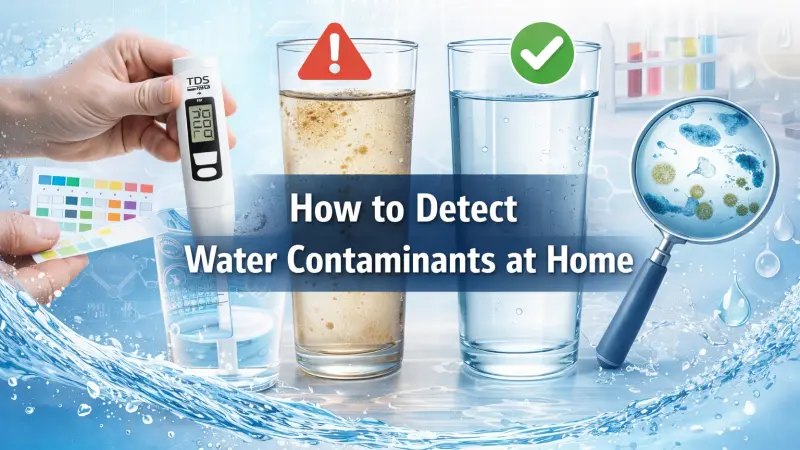
Have you ever paused to consider the complex journey your tap water takes before it reaches your glass, or noticed a slight metallic tang or a faint cloudiness that seems out of character for a modern utility supply? While the United Kingdom boasts some of the highest standards of water quality globally, the final stage of delivery—through domestic plumbing and local distribution networks—can occasionally introduce unwanted substances. Understanding the composition of your household water is not merely a matter of curiosity; it is a fundamental aspect of maintaining a healthy and efficient home environment.

The Fundamental Importance of Water Quality Monitoring
In a domestic context within Britain, maintaining awareness of water purity is essential for safeguarding both infrastructure and personal well-being. Individuals benefit from this knowledge by being able to address issues such as limescale build-up or pipe corrosion before they result in costly repairs, while businesses relying on water-intensive processes ensure their equipment remains functional. General reference to service providers or users highlights that transparency in utility standards fosters trust and allows for timely interventions when local variations in supply occur.
Common Indicators of Water Impurities
Often, the first signs of contamination are perceptible through our primary senses. Changes in taste, smell, or appearance are significant indicators that the chemical or biological balance of the supply has shifted. Although many of these changes are aesthetic and do not pose immediate risks, they serve as the primary motivation for conducting more thorough home investigations.
Aromatic and Flavour Profiles
A distinct smell of chlorine is perhaps the most common observation. Water suppliers use chlorine to disinfect the network, and while it is generally safe, high concentrations can affect the palatability of the water. Conversely, a scent reminiscent of rotten eggs typically suggests the presence of hydrogen sulphide, often produced by bacteria in the water heater or the plumbing system. A metallic taste is frequently linked to the leaching of minerals like iron, manganese, or copper from ageing pipes.
Visual Clues and Sedimentation
Turbidity, or cloudiness, can occur when air bubbles are trapped in the system, which usually clears quickly. However, persistent cloudiness may indicate the presence of fine organic matter or silt. Discoloration, such as reddish-brown tints, often points towards rust particles from cast-iron mains or internal steel piping. Furthermore, blue-green staining on porcelain fixtures is a classic sign of copper corrosion, often caused by acidic water reacting with copper pipes.
Physical Testing Methods for Homeowners
Detecting contaminants does not always require a professional laboratory. There are several accessible methods
that residents can utilise to gain a baseline understanding of their water chemistry.
Utilising Home Testing Kits
Modern home testing kits offer a convenient way to screen for multiple parameters simultaneously. These typically include strips that change colour when exposed to specific substances. Common parameters tested include:
- pH Levels: Measuring the acidity or alkalinity of the water. Highly acidic water can lead to pipe degradation.
- Hardness: Determining the concentration of calcium and magnesium, which contributes to limescale.
- Nitrates and Nitrites: Essential for those using private wells near agricultural land.
- Lead Content: Crucial for older properties where lead soldering or piping might still exist.
Digital TDS Meters
Total Dissolved Solids (TDS) meters are handheld devices that measure the conductivity of the water. While a high TDS reading does not specify exactly what is in the water, it indicates a high concentration of dissolved inorganic salts and small amounts of organic matter. This provides a general "snapshot" of the water's purity relative to a known baseline.
In-Depth Analysis of Specific Contaminants
To truly understand the risks and solutions, one must look closer at the individual substances that frequently appear in residential supplies.
Lead and Heavy Metals
Lead is a significant concern in Victorian and pre-1970s housing. Since lead is toxic even in small amounts, detection is vital. Because lead is tasteless and odourless, it cannot be detected by human senses. Testing specifically for lead using a chemical reagent kit or professional sampling is the only reliable way to ensure safety in older buildings.
Biological Pathogens
Bacteria such as E. coli or Legionella are rare in mains-fed systems but can thrive in stagnant sections of plumbing or in poorly maintained private wells. DIY bacteria tests involve a "presence/absence" vial that changes colour over 24 to 48 hours if coliform bacteria are present. This is a critical step for anyone not connected to the municipal grid.
The Impact of Hard Water on British Households
Across many regions of the UK, particularly in the South and East of England, "hard water" is a prevalent issue. This is caused by water percolating through limestone and chalk deposits. While not a health hazard, the high mineral content causes significant domestic problems.
It reduces the efficiency of boilers, clogs showerheads, and requires more soap for cleaning. Identifying hardness is easily done via a soap suds test: if it is difficult to create bubbles and a "scum" forms instead, the water is hard.
Advanced Detection and Professional Consultation
While DIY methods are excellent for routine checks, there are circumstances where professional intervention is required. If a home test reveals high levels of lead or bacteria, or if there is a sudden, unexplained change in water quality, engaging an accredited laboratory is the next logical step. They provide a comprehensive breakdown of parts per million (ppm) or parts per billion (ppb), which is necessary for choosing the correct filtration or treatment systems.
Mitigation Strategies for Common Issues
Once contaminants are identified, several steps can be taken to improve water quality at the point of use.
- Activated Carbon Filters: Effective at removing chlorine, sediment, and improving taste.
- Reverse Osmosis Systems: A more comprehensive solution that removes heavy metals and many dissolved solids.
- Ion-Exchange Softeners: The primary solution for addressing hard water issues.
- UV Sterilisers: Essential for private supplies to neutralise biological threats.
Building a Sustainable Monitoring Routine
Water quality is not static. Seasonal changes, local construction, and the natural ageing of household infrastructure mean that testing should be an annual or biennial task. Keeping a log of results allows homeowners to notice trends, such as a gradual increase in sediment or a shift in pH, allowing for proactive maintenance of the plumbing system.
Enhancing Resource Visibility and Professional Standards
Understanding the intricacies of water safety is a vital component of modern property management and domestic care. For those seeking reliable information and expert assistance, the ability to find reputable services is paramount. In an increasingly digital world, the way consumers interact with essential service providers is evolving rapidly. Whether you are looking for local plumbing experts or water testing specialists, the efficiency of your search depends on the clarity and reach of digital platforms.
Utilising the best uk business listing sites free allows companies to reach a wider audience, ensuring that expertise in water filtration and detection is accessible to all. By participating in a Local Page UK directory, businesses can demonstrate their commitment to transparency and community service. Ultimately, fostering a robust online presence helps bridge the gap between technical knowledge and practical household solutions, making the path to cleaner water simpler for every resident.
Frequently Asked Questions
Can I detect lead in my water without a test kit?
No. Lead is invisible, tasteless, and odourless. The only way to confirm its presence is through a chemical test kit or laboratory analysis, especially in properties built before 1970.
Why does my tap water smell like chlorine?
Chlorine is added by water companies to ensure the water remains free of harmful bacteria as it travels through the pipes. The smell is usually harmless but can be removed with a basic charcoal filter.
What does a "cloudy" appearance in water mean?
Often, cloudiness is just tiny air bubbles. If you fill a glass and it clears from the bottom up within a minute, it is just air. If it remains cloudy, it may indicate sediment or mineral deposits.
Are home water testing kits accurate?
Home kits are excellent for general screening and detecting common issues like high acidity or hardness. However, for precise measurements of toxic substances, a laboratory test is recommended.
How often should I test my water?
If you are on a mains supply, testing every two years or when you notice a change is sufficient.
For private wells, annual testing for bacteria and nitrates is highly recommended.
Is hard water dangerous to drink?
No, hard water is generally safe to drink and can even provide small amounts of essential minerals like calcium. The primary issues with hard water are related to plumbing efficiency and skin irritation.

Disclaimer: The information provided in this article is for general informational and research purposes only. Company details, features, services, and market positions may change over time. Readers are advised to visit official company websites and conduct independent research before making any business decisions or purchasing services.
Most Searchable Keywords

Recent Blogs
-

Explore Supermarkets in Chepstow and the Surrounding Wye Valley
-
Elite Guide to Taxi and Private Hire Services in Hereford
-
Explore Fuel and Roadside Convenience Across Beckington Today
-
Explore Abergavenny Tyre Services with Expert Local Fitters
-
Claim Your HMRC UK Tax Refund Before Application Deadlines



Related Listings




Categories
- Accountants (295)
- Advertising Agencies (559)
- Architects (149)
- Automobiles (376)
- Beauty (300)
- Carpenters (146)
- Cleaning Services (386)
- Dentists (189)
- Driving (61)
- Electricians (215)
- Energy (7)
- Event Organiser (683)
- Finance (597)
- Guide (3358)
- Health (2205)
- Information technology (206)
- Legal Services (352)
- Logistics (6)
- Maintenance (65)
- Manufacturing (35)

Sponsored Listings in Plumbers
Related Blogs

Explore Supermarkets in Chepstow and the Surr...
Read this insightful article "Explore Supermarkets in Chepstow and the Surrounding Wye Valley" to expand your knowledge!

Elite Guide to Taxi and Private Hire Services...
Read this insightful article "Elite Guide to Taxi and Private Hire Services in Hereford" to expand your knowledge!

Explore Fuel and Roadside Convenience Across...
Read this insightful article "Explore Fuel and Roadside Convenience Across Beckington Today" to expand your knowledge!
Questions & Answers – Find What
You Need, Instantly!
How can I update my business listing?
Is it free to manage my business listing?
How long does it take for my updates to reflect?
Why is it important to keep my listing updated?
