
How Charities & Voluntary Organisations Create Social Impact: A Comprehensive Guide
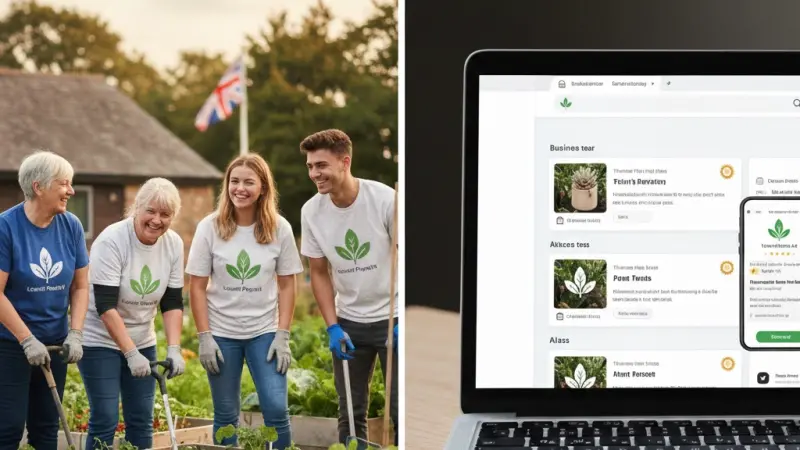
The United Kingdom possesses one of the most sophisticated and historic third sectors in the world. Charities and voluntary organisations are not merely peripheral "good-will" entities; they are the bedrock of British civil society and a primary driver of social cohesion. From local community groups to global NGOs, this sector serves as a vital bridge where the state and the private sector often fall short. For any uk online business directory, the sheer volume of these organisations highlights their ubiquity in every town and city across the country.
The economic importance of the voluntary sector is frequently underestimated. Recent data indicates that registered charities in the UK have a combined annual income exceeding £100 billion, with a workforce that rivals many of our major industries. Over 1.2 million people are employed by charities, representing roughly 3% of the UK workforce, while millions more contribute through formal and informal volunteering. This ecosystem creates an immense "social value" that extends far beyond simple balance sheets. By addressing issues such as social isolation, health inequality, and environmental degradation, these organisations prevent more costly interventions later, effectively acting as a preventative shield for the UK economy.
In a modern Britain grappling with the "cost of living" crisis and the long-tail effects of global instability, the resilience of the voluntary sector has never been more critical. As we explore the mechanisms of social impact, we must acknowledge that these organisations are professional businesses in their own right, requiring robust management, strategic marketing, and high-level digital visibility to survive.
The Landscape of Charities & Voluntary Organisations in the UK
The current landscape of the UK’s voluntary sector is one of stark contrasts. On one hand, we have "super-major" charities with incomes exceeding £10 million—the likes of Cancer Research UK and the National Trust—which command the lion's share of public attention. On the other hand, the vast majority of the sector (over 80%) is comprised of micro and small charities with annual incomes under £100,000. These grassroots organisations are the lifeblood of local communities, providing hyper-local support that larger entities cannot replicate.
Post-pandemic, the industry has undergone a fundamental evolution. The initial crisis forced a rapid acceleration of digital adoption, shifting many services online and introducing "hybrid" volunteering models. However, 2024 and 2025 have presented new hurdles. While income has grown in absolute terms, expenditure has often outpaced it due to rampant inflation and a surge in demand for social services. This "financial squeeze" means that for a charity to remain viable, it must be easily discoverable by donors and beneficiaries alike. This is where being listed on a uk business directory becomes a strategic necessity for even the smallest community interest company (CIC).
Geographically, activity remains concentrated in England (roughly 80% of registered charities), with London and the South East serving as major hubs. However, there has been a notable rise in voluntary activity in the North East and Scotland, driven by devolved funding initiatives and local "levelling up" projects. The sector has also become more "selective" in its partnerships. While informal collaboration remains high (over 70%), formal government contracting has seen a decline as organisations move away from restrictive, underfunded public service contracts in favour of more autonomous, mission-led activities.
Comprehensive Services Breakdown
The services provided by UK charities are as diverse as the population they serve. To understand their social impact, one must look at the niche categories that define the sector.
1. Social Services and Welfare
This is the largest sub-sector, accounting for nearly 20% of all organisations. These providers offer everything from food banks and homeless shelters to elder care and disability support. In an era of shrinking local authority budgets, these charities have become the primary providers of "safety net" services. Many of these organisations offer a business listing uk on local platforms to ensure that those in crisis can find them at their moment of greatest need.
2. Health and Medical Research
Health-related charities receive the highest level of public donations, approximately £2.2 billion annually. This includes hospices, mental health support lines, and world-leading medical research institutes. Their impact is measured in lives extended and the advancement of global medical science.
3. Culture, Sport, and Recreation
Often overlooked in terms of "utility," these organisations are essential for mental wellbeing and community identity. They manage local museums, community sports leagues, and youth clubs. By fostering social capital, they reduce the long-term burden on the NHS and social services.
4. Environmental and Animal Welfare
With the UK’s commitment to Net Zero, environmental charities have transitioned from advocacy to active service delivery—managing nature reserves, coordinating urban greening projects, and leading carbon reduction initiatives.
5. Education and Grant-Making
Thousands of trusts exist solely to provide educational grants and funding to other smaller charities. This "funder" layer of the ecosystem
is crucial for the sustainability of grassroots projects that lack the infrastructure to fundraise directly from the public.
How to Choose the Right Service Provider
For consumers, donors, or partner businesses, selecting which charity to support or which voluntary service to engage with requires due diligence. In a sector built on trust, verification is everything.
First, check the local business listings uk to ensure the organisation is active and has a verifiable presence. Look for registration numbers with the Charity Commission (England and Wales), OSCR (Scotland), or the Charity Commission for Northern Ireland. These regulators ensure the organisation adheres to strict financial reporting and governance standards.
Accreditations are the next tier of verification. For social care providers, a high rating from the Care Quality Commission (CQC) is essential. For youth services, look for "Safeguarding" certifications. Reputation and reviews are also vital. While "customer reviews" are standard for tradespeople, they are increasingly relevant for charities. A charity with a strong local reputation and transparent impact reports is far more likely to deliver on its promises.
Insurance is another non-negotiable factor. Any voluntary organisation delivering public services should have Public Liability Insurance and, if they employ staff or volunteers, Employers' Liability Insurance. Finally, check their digital footprint. A professional, updated profile on a uk verified business listings site suggests a level of operational maturity and a commitment to transparency that builds confidence in potential stakeholders.
Industry Challenges & Future Outlook
The "Third Sector" is currently navigating a period of profound transformation. The primary challenge is financial sustainability. With the gap between income and expenditure narrowing, charities are being forced to adopt "commercial" mindsets. This includes diversifying revenue streams through charity shops, ticketed events, and social enterprise models where they sell products or services to fund their core mission.
Technology shifts, specifically Artificial Intelligence (AI), are both a threat and an opportunity. AI is being used to streamline donor management (CRM) and even provide first-tier mental health support through chatbots. However, the "digital divide" remains a concern; smaller charities often lack the capital to invest in these technologies, risking being left behind. Furthermore, regulatory changes like the "Failure to Prevent Fraud" offence (coming into force in late 2025) will require charities to implement even more robust internal controls.
Sustainability is no longer optional. Charities are now expected to report on their own carbon footprint and social value. "Green giving" is a rising trend, where donors specifically target organisations with strong environmental credentials. To keep up, organisations must ensure their digital presence is professional and accessible. Claiming a business listing uk profile allows these organisations to showcase their sustainability credentials to a wider, more conscious audience.
Business Tips for Charities & Voluntary Organisations Professionals
Running a charity is, in many ways, more difficult than running a traditional business. You have the same overheads and regulatory requirements, but your "product" is a social outcome that is often hard to quantify. To succeed, professionals must master local marketing.
Digital visibility is the most important tool in a modern charity’s arsenal. Most people looking to volunteer or donate will start with a search for "charities near me" or a uk local business search. If your organisation doesn't appear in these local directories, you are effectively invisible.
Marketing Strategies for the Third Sector:
Storytelling over Statistics: While data is important for grant applications, donors respond to human stories. Use your online profiles to share the impact of your work on individuals.
Local SEO: Optimise your website and directory listings for local keywords. Mentioning specific
boroughs or towns in your descriptions helps you appear in hyper-local searches.
Transparency: Publish your impact reports and financial summaries openly. Trust is the currency of the voluntary sector.
Volunteer Engagement: Treat your volunteers as your best brand ambassadors. Encourage them to leave reviews on your uk professional services listings to build social proof.
Wrapping Up & Local Page Integration
The charities and voluntary organisations of the UK are the silent engines of our national progress. Their ability to innovate, adapt, and provide compassion in the face of adversity is what makes the British third sector a global gold standard. However, for these organisations to maximise their social impact, they must be supported by a robust digital infrastructure.
The "disconnectedness" of local services is a major barrier to social impact. When a person in need cannot find a local food bank, or a donor cannot find a local animal shelter, the system fails. This is why Local Page UK has become an indispensable resource. By providing a centralised, high-authority uk online business directory, Local Page ensures that the vital services offered by the voluntary sector are just a click away for every UK resident.
In conclusion, as we look toward 2026 and beyond, the integration of social mission with professional digital visibility will define the winners in the charity sector. By leveraging platforms like Local Page, charities can ensure their voices are heard, their services are found, and their social impact is felt exactly where it is needed most.
Boost Your Visibility with Local Page UK
For organisations in the Charities & Voluntary Organisations sector, being found online is critical to fulfilling your mission. Whether you are seeking new volunteers, looking for corporate partners, or trying to reach beneficiaries in your local area, your digital presence is your most valuable asset.
Don't let your hard work go unnoticed. We encourage all charity trustees and voluntary sector managers to reach out and claim their business listing uk today. Joining the premier uk business directory website will give your organisation the reach and authority it deserves, helping you turn local interest into lasting social impact.
Frequently Asked Questions (FAQs)
1. What is the main difference between a charity and a voluntary organisation?
While the terms are often used interchangeably, a charity is a specific legal status registered with the Charity Commission, requiring a "public benefit" purpose. A voluntary organisation is a broader term encompassing any non-profit group managed by volunteers, including community groups that may not have formal charitable status. Both play a vital role in the social fabric of the UK.
2. How can I verify if a UK charity is legitimate?
You should always check the official Register of Charities for England and Wales, or the equivalent registers in Scotland (OSCR) and Northern Ireland.
Legitimate charities will clearly display their registration number on their website and promotional materials. Additionally, checking verified listings on a reputable platform can provide further peace of mind.
3. Do charities pay tax in the UK?
Charities are eligible for various tax reliefs, including exemptions from Corporation Tax on most types of income if it is used for charitable purposes. They can also claim Gift Aid, which adds 25p to every £1 donated by UK taxpayers. However, they are still subject to certain taxes like VAT, depending on their activities.
4. How much of the UK workforce is employed by charities?
As of early 2025, approximately 1.28 million people are employed by the charity sector. This accounts for roughly 3% of the total UK workforce. The sector is a significant employer, particularly in the social care, health, and education sectors, providing diverse career paths from frontline work to executive management.
5. Why is digital visibility important for small local charities?
Most people searching for help or looking to donate begin their journey online. If a small charity is not visible in a local search, they miss out on vital support. Using a platform like Localpage ensures that even micro-charities can compete for visibility with larger national organisations by appearing in hyper-local search results.
6. What is "Social Value" and how is it measured?
Social Value refers to the broader benefits an organisation provides to society, such as improved health, reduced crime, or better environmental outcomes. Unlike financial profit, it is measured through impact reports, social return on investment (SROI) calculations, and qualitative feedback from the communities being served.
7. Can a business donate services instead of money to a charity?
Yes, this is known as "in-kind" support. Businesses can provide pro bono professional services (like legal or marketing advice), donate products, or allow charities to use their facilities for free. This type of support is invaluable for charities looking to reduce their operational overheads.
8. What are the biggest challenges facing UK charities in 2026?
The "triple threat" of inflation, increased service demand, and donor fatigue remains the primary challenge. Additionally, charities are navigating the complexities of AI adoption, new anti-fraud regulations, and the ongoing struggle to recruit and retain a diverse board of trustees.
9. How can I find volunteering opportunities in my local area?
The best way to find opportunities is to use a uk local business search to identify organisations near you. Many charities list their current needs for volunteers on their directory profiles. You can also contact local "Volunteer Centres" which act as hubs for local opportunities.
10. Do I need insurance to volunteer for a charity?
Individual volunteers usually do not need to purchase their own insurance. The charity you are volunteering for should have Public Liability Insurance that covers the actions of their volunteers while they are performing their duties. Always ask the organisation about their insurance coverage before starting.
11. What is a Community Interest Company (CIC)?
A CIC is a special type of limited company which exists to benefit the community rather than shareholders. While not a charity, it is a "social enterprise" that must pass a "community interest test" and has an "asset lock" to ensure its assets are used for social good.
12. How has the pandemic changed the way charities operate?
The pandemic triggered a "digital revolution" in the sector. Many services shifted to remote delivery, and fundraising became heavily reliant on digital platforms. While face-to-face services have returned, the "hybrid" model of service delivery and remote volunteering has become a permanent fixture.
13. Is it better to donate to large national charities or small local ones?
Both are necessary. Large charities tackle systemic issues and fund major research, while small local ones provide immediate, tailored support in your specific community. If you want to see the direct impact of your donation in your own town, supporting a local organisation is often the best choice.
14. What are the new "Failure to Prevent Fraud" regulations?
Coming into effect in late 2025, these regulations hold large organisations, including large charities, accountable if a person associated with them commits fraud for the organisation's benefit.
It requires charities to have "reasonable procedures" in place to prevent such activities.
15. How can I get my charity listed on a UK business directory?
Getting listed is a simple process that can significantly boost your outreach. You can visit the Local page website to submit your details. Providing a thorough description of your mission and contact information will help you connect with the people who need your services most.
Disclaimer: The information provided in this article is for general informational and research purposes only. Company details, features, services, and market positions may change over time. Readers are advised to visit official company websites and conduct independent research before making any business decisions or purchasing services.
Most Searchable Keywords
Recent Blogs


Related Listings
Categories
- Accountants (295)
- Advertising Agencies (559)
- Architects (149)
- Automobiles (377)
- Beauty (300)
- Carpenters (146)
- Cleaning Services (387)
- Dentists (189)
- Driving (62)
- Electricians (215)
- Energy (8)
- Event Organiser (686)
- Finance (602)
- Guide (3374)
- Health (2207)
- Information technology (206)
- Legal Services (354)
- Logistics (6)
- Maintenance (65)
- Manufacturing (35)
Sponsored Listings in Travel Agencies



Related Blogs

Meet the Fair Work Agency Changing UK Work Ru...
Read this insightful article "Meet the Fair Work Agency Changing UK Work Rules in 2026" to expand your knowledge!

Collective Redundancy Errors Now Carry Higher...
Read this insightful article "Collective Redundancy Errors Now Carry Higher 2026 Penalties" to expand your knowledge!

Explore Dog Friendly Walks in the Cotswolds f...
Read this insightful article "Explore Dog Friendly Walks in the Cotswolds for 2026" to expand your knowledge!
Questions & Answers – Find What
You Need, Instantly!
How can I update my business listing?
Is it free to manage my business listing?
How long does it take for my updates to reflect?
Why is it important to keep my listing updated?
