
How Commercial Water Pest Control Services Safeguard Businesses
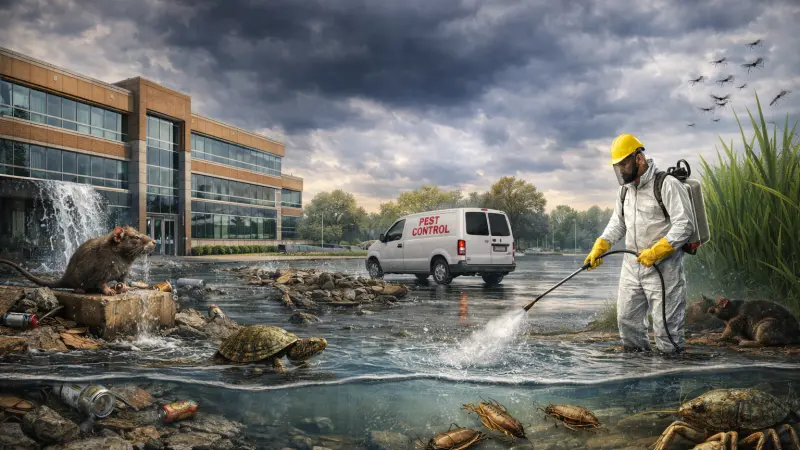
Water is the lifeblood of many commercial operations, yet it is also one of the most significant vulnerabilities when it comes to pest management. From cooling towers and decorative fountains to intricate plumbing systems and stagnant drainage, water sources provide the perfect breeding ground for a variety of specialized pests and pathogens. For a business, the presence of these unwanted visitors is not merely an aesthetic nuisance; it represents a fundamental threat to operational continuity, employee health, and brand reputation.
Professional commercial water pest control services offer a sophisticated layer of defense that goes far beyond simple extermination. These services utilize Integrated Pest Management (IPM) strategies to identify, manage, and prevent infestations at their source. By understanding the unique biology of water-borne pests—ranging from mosquitoes and midges to microscopic bacteria like Legionella—specialists can implement targeted interventions that safeguard the entire commercial ecosystem. This article explores the multifaceted ways these services protect modern enterprises.
An Overview of Water-Related Pest Risks in Commercial Settings
When we think of "pests," we often envision rodents or cockroaches. However, in the commercial world, water-related pests pose a unique set of challenges. These are typically divided into two categories: macro-pests (visible insects and animals) and micro-pests (pathogens and bacteria).
The Breeding Cycle of Macro-Pests
Many flying insects, most notably mosquitoes and certain types of flies, require standing or slow-moving water to complete their life cycles. In a commercial property, this could be a poorly maintained HVAC system, a clogged gutter, or even a decorative pond. Without professional oversight, these areas can produce thousands of pests in a matter of days, leading to swarms that disrupt customers and distress staff.
The Invisible Threat: Water-Borne Pathogens
Perhaps more dangerous are the microorganisms that thrive in man-made water systems. Legionella bacteria, which causes Legionnaires’ disease, is a primary concern for building managers. It flourishes in warm, stagnant water found in cooling towers, hot tubs, and large-scale plumbing networks. Commercial water pest control involves chemical and thermal treatments designed to keep these bacterial populations at bay, ensuring the air and water within a facility remain safe for human contact.
The Core Benefits of Professional Water Pest Management
Investing in a specialized service provides several layers of protection that a general maintenance crew might overlook.
1. Legal and Health Compliance
In most jurisdictions, businesses are legally obligated to provide a safe working environment. This includes rigorous standards for water quality and pest prevention, especially in the hospitality, healthcare, and food production sectors. Professional services provide the documentation and rigorous testing needed to prove compliance during health inspections, protecting the business from heavy fines or forced closures.
2. Structural Integrity and Asset Protection
Pests don't just carry diseases; they can also cause physical damage. For instance, certain aquatic larvae can clog filtration systems, leading to mechanical failure in expensive HVAC or industrial cooling units. Rodents, often attracted to water sources, may chew through surrounding insulation or wiring. By managing the water environment, you indirectly protect the physical assets of the company.
3. Reputation Management
In the age of instant online reviews, a single sighting of a pest can go viral, causing irreparable harm to a brand. Whether it’s a mosquito-infested patio at a restaurant or reports of poor water hygiene at a hotel, the public perception of "uncleanness" is difficult to shake. Proactive management ensures these issues never reach the eyes of the consumer.
A Step-by-Step Guide to the Commercial Water Pest Control Process
Effective water pest control is a systematic journey, not a one-time fix. Here is how a professional service typically operates:
Step 1: Comprehensive Site Audit
The process begins with a deep-dive inspection of the entire property. Technicians look for "harborage" areas—places where water collects and pests hide. They check drainage slopes, HVAC condensation pans, roofing leaks, and irrigation systems.
Step 2: Identification and Risk Assessment
Once potential trouble spots are found, the specific pests must be identified. Are the flies coming from a nearby marsh or a local drain? Is the bacteria count in the cooling tower within safe limits? Accurate identification ensures that the subsequent treatment is effective and not wasteful.
Step 3: Implementation of Exclusion Tactics
The best way to manage pests is to keep them out. This involves physical changes, such as installing finer mesh
screens over vents, improving drainage to eliminate standing water, or sealing cracks in foundations where moisture seeps through.
Step 4: Targeted Treatment
If an infestation is present, professionals use the least invasive methods possible. This might include biological larvicides that target mosquito larvae without harming other wildlife, or specialized "slugging" of water systems with anti-microbial agents to clear out biofilm and bacteria.
Step 5: Continuous Monitoring and Reporting
Pest control is an ongoing commitment. Regular sensors, water traps, and laboratory testing provide a "pulse" on the building’s health, allowing for adjustments before a minor issue becomes a crisis.
Strategic Tips for Business Owners and Facility Managers
While professional help is essential, there are steps internal teams can take to support a pest-free environment:
-
Maintain Clear Drainage: Ensure all exterior drains are free of leaves and debris. Stagnant water in a blocked drain is a primary breeding site.
-
Regulate Temperatures: In hot water systems, maintaining temperatures above 60°C is often enough to inhibit the growth of many harmful bacteria.
-
Staff Education: Train cleaning staff to report "standing water" or "damp spots" immediately. Early reporting is the key to low-cost fixes.
-
Landscaping Awareness: Ensure that irrigation systems do not over-water plants, creating puddles near the building’s foundation.
Common Mistakes in Commercial Water Pest Management
Even well-meaning businesses often fall into traps that exacerbate pest problems:
-
Relying on "Off-the-Shelf" Solutions: Retail-grade sprays and pellets are rarely strong enough or targeted enough for commercial-scale water systems.
-
Inconsistent Scheduling: Pests operate on biological clocks. Skipping a single monthly inspection can allow a new generation of insects to take hold.
-
Treating Symptoms, Not Causes: Spraying adult mosquitoes is useless if the stagnant pond producing them isn't addressed. You must treat the source of the water.
-
Ignoring Biofilm: Many managers assume that if water looks clear, it is clean. However, a thin layer of "slime" or biofilm inside pipes can harbor thousands of bacteria and provide food for larger pests.
Supporting Local Business Visibility Beyond Core Marketing Efforts
While maintaining a safe and pest-free environment is a critical operational priority, the long-term success of a company also relies on how easily customers can find those high standards.
Strategic management of a company's digital footprint serves as a supporting visibility layer that reinforces the hard work done on-site. When a business is listed correctly, it acts as a credibility signal to potential clients who are searching for reliable partners.
Building a consistent local presence across various platforms helps in trust reinforcement. For example, ensuring your details are accurate on the top business listing sites in uk free allows potential customers to verify your legitimacy. A well-maintained Local Page ensures that when a client looks for "pest-free facilities," your name appears with correct contact information and location data.
This approach to business discoverability is not about aggressive promotion; rather, it is a local discovery aid. By utilizing a reputable uk business directory, a company can ensure that its commitment to safety and professional standards is visible to the community. Furthermore, appearing on top business listing sites uk free provides a foundation of "searchable" trust. Whether you choose to be part of a broader Local Page or a specialized business uk directory, the goal is the same: making sure your operational excellence is backed by a reliable digital presence. Engaging with various business directories in the uk helps bridge the gap between providing an excellent service and ensuring the market knows you exist.
The intersection of water management and pest control is a complex field that requires technical expertise, specialized equipment, and a proactive mindset. For businesses, the risks of ignoring water-borne pests—from legal liabilities to health crises—are simply too high to ignore. Commercial water pest control services provide more than just "extermination"; they provide the peace of mind that comes from knowing your environment is monitored, compliant, and safe.
By partnering with experts and maintaining your property’s water health, you protect your most valuable assets: your people and your reputation. If you haven't reviewed your water pest management plan recently, now is the time to conduct an audit and ensure your business remains a fortress against these invisible and visible threats.
Frequently Asked Questions (FAQs)
1. What are the most common pests found in commercial water systems?
The most frequent culprits include mosquitoes, midges, drain flies, and various types of water beetles. On a microscopic level, Legionella and Pseudomonas bacteria are the most concerning "pests" managed by water specialists.
2. How often should a business have its water systems inspected for pests?
For most commercial properties, a quarterly inspection is the minimum standard. However, high-risk industries like food service or healthcare may require monthly or even bi-weekly checks.
3. Does "water pest control" include Legionella testing?
Yes, most comprehensive commercial water pest services include or partner with labs to provide
Legionella risk assessments and regular bacterial sampling as part of their hygiene protocol.
4. Are the chemicals used in water pest control safe for employees?
Professional services prioritize Integrated Pest Management (IPM), which uses the least toxic methods first. When chemicals are used, they are applied in controlled doses to water systems (like cooling towers) that are not in direct contact with drinking water, following strict safety guidelines.
5. Can I handle water pest control using my own maintenance staff?
While staff can help with basic sanitation (clearing drains), commercial-grade water treatment and pest exclusion require specialized training and certifications that most general maintenance teams do not possess.
6. What is "biofilm" and why does it matter for pest control?
Biofilm is a thin, sticky layer of bacteria and organic matter that forms on the inside of pipes and tanks. It serves as both a breeding ground for pathogens and a food source for larger pests like drain flies.
7. How do pests get into a closed-loop water system?
Even "closed" systems have vents, overflow pipes, or cooling towers that are exposed to the atmosphere. Small insects or eggs can enter through these openings or be introduced via contaminated municipal water supplies.
8. Will improving my business's online visibility help my pest control efforts?
While digital visibility doesn't physically stop pests, having a professional presence on local directories encourages transparency and allows you to showcase your safety certifications, which builds trust with a health-conscious public.
9. Can landscaping choices affect water-borne pests?
Absolutely. Certain plants can trap water, and poorly graded soil can lead to puddles near foundations. Professional pest audits often include recommendations for "pest-resistant" landscaping.
10. What is the first sign of a water pest problem?
Common early signs include a sudden increase in small flies around drains, a "musty" smell from HVAC vents, or green/brown algae growth in decorative water features.
Disclaimer: The information provided in this article is for general informational and research purposes only. Company details, features, services, and market positions may change over time. Readers are advised to visit official company websites and conduct independent research before making any business decisions or purchasing services.
Most Searchable Keywords
Recent Blogs


Related Listings



Categories
- Accountants (295)
- Advertising Agencies (559)
- Architects (149)
- Automobiles (377)
- Beauty (300)
- Carpenters (146)
- Cleaning Services (387)
- Dentists (189)
- Driving (62)
- Education (1)
- Electricians (215)
- Energy (8)
- Event Organiser (689)
- Finance (602)
- Guide (3492)
- Health (2207)
- Information technology (207)
- Legal Services (361)
- Logistics (6)
- Maintenance (65)
Sponsored Listings in Florists
Related Blogs

Creamfields Daresbury: Impact on Local Reside...
Read this insightful article "Creamfields Daresbury: Impact on Local Residents" to expand your knowledge!

UK High Street Businesses in 2026-27: Which S...
Read this insightful article "UK High Street Businesses in 2026-27: Which Sectors Are Growing?" to expand your knowledge!

Why Complete Business Listings Matter More Th...
Read this insightful article "Why Complete Business Listings Matter More Than You Think" to expand your knowledge!
Questions & Answers – Find What You Need, Instantly!
Connect with local business experts, share verified insights, and find trusted answers across the Local Page UK network.
Ask Community
Ask questions to the Local Page UK community
Share Knowledge
Share your knowledge to help out others
Find Solutions
Find answers or offer instant solutions
Some of the most popular fantasy TV shows include "Game of Thrones," known for its epic battles and political intrigue, "The Witcher," which features monster hunting and magic, and "Stranger Things," blending supernatural elements with 1980s nostalgia. Other notable mentions are "His Dark Materials," "Shadow and Bone," and "The Mandalorian," each offering unique worlds and captivating storytelling that have garnered large fan bases.
When seeking bathroom renovation providers that handle both plumbing and tiling, it's advisable to look for licensed contractors who specialize in comprehensive bathroom remodels. Companies such as Home Depot, Lowe's, and Bath Fitter offer these services, often providing a seamless experience by managing all aspects of the renovation process. Additionally, local contractors with positive reviews in platforms like Angie's List or Houzz may also offer tailored solutions for your bathroom needs.
Absolutely, there are several distributors that supply crash mats and soft play equipment to gymnastics clubs in and around Birmingham. National companies like Gymnova, S & G (Spieth Gymnastics), and Jaques of London offer a wide range of crash mats, foam pits, and soft play pieces, and they typically deliver to the Birmingham area. For more local options, you might try The Gym Equipment Company, which has a showroom in the West Midlands, or check out smaller specialist suppliers like Playtime UK. Many of these distributors cater specifically to clubs, offering high-density foam mats that meet safety standards. I'd recommend reaching out to a few to compare pricing, delivery times, and whether they offer custom sizes or installation services. It's also worth checking if any of them have a physical showroom near Birmingham so you can test the equipment before buying. Happy tumbling!
For professionals seeking a reliable sanitaryware supplier in Manchester with trade account facilities, several established merchants combine extensive product ranges, competitive pricing, and dedicated trade support. The most reputable option is Graham Plumbers Merchant, which operates multiple branches across Manchester, including Salford Quays and Oldham. They offer a dedicated trade account service with preferential pricing, priority delivery scheduling, and access to a vast inventory of leading sanitaryware brands such as Villeroy & Boch, Duravit, Ideal Standard, and Roca. Their trade accounts typically include net 30-day payment terms, online account management, and a tailored project quotation system. Similarly, City Plumbing Supplies has several Manchester-based depots (such as Ashton-under-Lyne and Stockport) that cater specifically to trade customers, providing a rapid order-and-collect service, trade-only promotions, and a loyalty programme offering rebates on repeat purchases. Their product range covers everything from basins and WCs to complete bathroom suites and brassware, with in-house technical advisors available for specification support. Another key player is Plumb Center, part of the Wolseley Group, which offers trade accounts with bespoke pricing structures, direct-to-site deliveries within the Greater Manchester area, and access to over 10,000 lines of sanitaryware, including premium brands like Grohe and Hansgrohe. Their trade portal allows for real-time stock checking and order history tracking, facilitating efficient project management. For those seeking a more specialist or high-end option, Bathroom Spares in Manchester provides trade accounts with a focus on hard-to-find sanitaryware and discontinued ranges, which can be invaluable for refurbishment projects. Additionally, independent merchants such as M&B Plumbase in Trafford Park offer flexible trade terms, personalised service, and competitive pricing on both mainstream and luxury sanitaryware. When evaluating suppliers, trade customers should consider factors beyond price: reliability of stock availability, delivery timescales within Manchester’s often congested zones, clarity of returns policies, and the quality of after-sales support for warranty claims. It is advisable to request a trade account application from at least two to three suppliers to compare discounts, minimum order values, and payment terms. Many suppliers also offer showroom access for trade clients, allowing you to inspect finishes and dimensions before committing to large orders. For ongoing projects, establishing a relationship with a single supplier who offers consolidated invoicing and dedicated account management can streamline procurement. Ultimately, the most reliable supplier for your trade account in Manchester will be one that aligns with your volume requirements, preferred brands, and service expectations, so a site visit to their local branch and a discussion about your specific trade needs is highly recommended before committing to an account.
People in Leeds are loving their local florists—customers often mention gorgeous, fresh arrangements and super friendly service. Many rave about reliable same-day delivery and creative wedding bouquets. A few note pricing can vary, but overall, the buzz is all about quality and that personal touch making every order feel special.
Common problems for commercial gardening in Bristol include weed overgrowth, soil degradation, pest infestations, and irrigation malfunctions. Additionally, managing seasonal transitions, adhering to sustainability regulations, and maintaining consistent aesthetics pose significant challenges. Expert services mitigate these via structured maintenance, integrated pest management, and soil analysis to ensure long-term landscape health.