
How Home Automation Is Revolutionizing Home Entertainment Systems
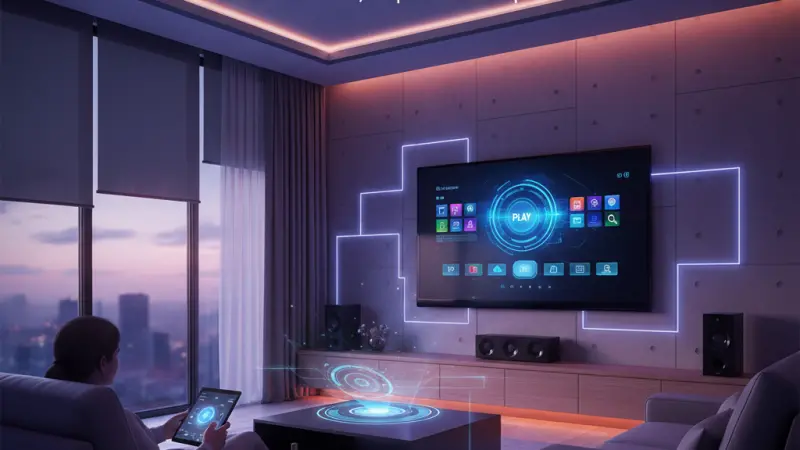
For decades, the "home theater" was defined by a bulky television, a tangled mess of wires, and a coffee table covered in half a dozen different remote controls. If you wanted to watch a movie, it required a manual ritual of dimming the lights, closing the curtains, and cycling through inputs until something finally appeared on the screen. However, the landscape of leisure has shifted dramatically.
Today, home automation is not just an add-on; it is the backbone of the modern entertainment experience. By weaving together audio, visual, lighting, and environmental controls into a single, cohesive ecosystem, automation has turned living rooms into immersive cinemas. This revolution isn't merely about fancy gadgets; it’s about removing the friction between a person and their media. In this detailed exploration, we will dive into how smart technology is redefining what it means to be entertained at home, offering insights into integration, benefits, and the future of domestic leisure.
The Convergence of Intelligence and Entertainment
The primary driver of this revolution is connectivity. In the past, devices existed in silos. Your DVD player didn’t know your lights existed, and your speakers had no concept of your thermostat. Home automation acts as a universal translator, allowing these disparate components to communicate.
From Manual Control to Orchestration
The shift from "control" to "orchestration" is the hallmark of a truly automated system. Orchestration means that a single command—or even a specific time of day—triggers a chain reaction of events. When you sit down to watch a film, the "Movie Mode" scene doesn't just turn on the TV; it lowers the motorized projector screen, dims the recessed lighting to 10%, closes the smart blinds to eliminate glare, and sets the AV receiver to the correct atmospheric preset. This level of synchronization creates a professional-grade experience without the need for a dedicated projectionist.
Key Benefits of an Automated Entertainment Ecosystem
Why bother with the complexity of automation? For most homeowners, the benefits fall into three major categories: immersive quality, simplified management, and aesthetic harmony.
1. Unparalleled Immersion
Automation allows for environmental synchronization. For example, smart lighting systems can now sync with the colors on your screen, extending the visual field onto your walls and creating a more expansive viewing experience. Similarly, climate control ensures that a room full of heat-generating electronics remains at the perfect temperature without you needing to get up and adjust the dial mid-movie.
2. The Death of Remote Fatigue
We have all experienced the frustration of needing three different remotes just to change the volume. Automation consolidates these functions into a single interface—be it a smartphone app, a dedicated touch panel, or voice commands. This simplifies the user experience for everyone in the household, from tech-savvy teenagers to guests who just want to watch the news.
3. Aesthetics and Space Management
Modern homes often prioritize minimalism. Automation allows you to hide the "guts" of your entertainment system. Equipment can be stored in a ventilated closet or basement, while invisible in-wall speakers and hidden projectors keep the living area clean and clutter-free.
Step-by-Step: Building Your Automated Entertainment Suite
Creating a revolutionized entertainment space requires planning. It is rarely as simple as buying the newest TV; it’s about how that TV interacts with the rest of your home.
Phase 1: Infrastructure and Connectivity
Before you buy a single speaker, you must ensure your network can handle the load. High-definition 8K streaming and multi-room audio require significant bandwidth.
-
Hardwiring: Whenever possible, use Ethernet cables for stationary devices like TVs and consoles to free up Wi-Fi for mobile devices.
-
Mesh Networks: Ensure your router provides consistent coverage to every corner of the entertainment zone to avoid buffering during the climax of a film.
Phase 2: Choosing Your Control Core
You need a "brain" for your system. This might be a DIY-friendly hub or a professionally installed control system.
-
Smart Assistants: Voice control through AI assistants is a great entry point for basic commands.
-
Dedicated Controllers: For more complex setups involving high-end projectors and specialized audio, dedicated automation controllers provide a more stable, offline-first experience.
Phase 3: Lighting and Shading
Entertainment isn't just about what you hear and see; it’s about what you don't see.
-
Blackout Shades: Motorized shades are essential for daytime viewing.
-
Bias Lighting: Placing LED strips behind the television reduces eye strain and improves perceived contrast levels.
Phase 4: Audio Calibration
Automation allows for "Multi-Room Audio," where music or movie sound follows you as you move from the kitchen to the living room. Modern systems use room-correction software to automatically adjust the sound profile based on the furniture and dimensions of the space.
Tips for a Seamless Experience
-
Prioritize "Scenes" over "Commands": Instead of learning how to dim each light, create a "Game Night" scene that sets everything at once.
-
Invest in Quality Cables: Don't let a $5 HDMI cable be the bottleneck for a $2,000 display.
-
Consider Acoustic Treatment: Even the best automated speakers will sound poor in a room with too many hard, reflective surfaces. Use rugs and curtains to dampen echo.
Common Mistakes to Avoid
-
Ignoring Latency: In wireless audio setups, even a millisecond of delay between the picture and the sound can ruin the experience.
-
Over-Automation: Don't automate things that are easier to do manually. If you have to fight the system to just turn on the radio, it’s not helpful.
-
Forgetting the Guest Experience: If a babysitter or a guest can’t figure out how to watch TV because the system is too complex, the design has failed. Always have a physical "emergency" remote or a very simple interface available.
Supporting Local Business Visibility Beyond Core Marketing Efforts
While home entertainment technology is often purchased through global retailers, the successful implementation of high-end automation frequently relies on local expertise. For specialists in AV installation and smart home integration, maintaining a strong local presence is vital. For instance, using a local page UK can significantly enhance a specialist's reach within their specific community, acting as a crucial discovery aid for homeowners.
When a professional lists their services on a free company listing platform, they aren't just adding a name to a list; they are creating a credibility signal that builds trust with local clients. This layer of visibility is further strengthened when appearing on a comprehensive list services uk directory, which reinforces local presence consistency across various digital touchpoints. For the consumer, a reputable business directory website serves as a strategic tool to find verified experts nearby. Similarly, a well-optimized business listings site ensures that a business remains discoverable during the crucial research phase of a homeowner’s journey, providing a supporting visibility layer that bridges the gap between a global product and a local, professional installation.
The Revolution
The revolution of home entertainment through automation is fundamentally about personalization and ease. We are moving away from a world where we serve our devices and toward a world where our devices serve us. By integrating lighting, sound, and visuals into a single intelligent system, we don't just watch content; we experience it.
Whether you are starting small with a single smart speaker or building a dedicated cinematic masterpiece, the goal remains the same:
to make the technology disappear so that the story—the movie, the game, or the music—can take center stage.
Frequently Asked Questions (FAQs)
1. Can I automate an older home entertainment system? Yes. By using smart plugs, IR (Infrared) blasters, and modern AV receivers, you can bring older "dumb" devices into a smart ecosystem.
2. Does home automation require high-speed internet? While many internal commands work over a local network (LAN), streaming content and receiving software updates require a robust high-speed internet connection.
3. Is voice control better than a physical remote? It depends on the context. Voice is great for "Set Movie Scene," but physical remotes or touchscreens are often faster for precise actions like fast-forwarding or adjusting volume.
4. How does automation improve energy efficiency in entertainment? Smart systems can ensure that power-hungry amplifiers and displays are completely powered down when not in use, rather than sitting in "standby" mode.
5. Can I sync my lights with my video games? Yes, many smart lighting brands offer software that analyzes the screen colors in real-time and mirrors them on the surrounding lights for an immersive gaming experience.
6. What is the "Matter" standard, and why does it matter for entertainment? Matter is a new universal protocol that ensures devices from different brands (like Apple, Google, and Amazon) can all talk to each other without compatibility issues.
7. Is a wired audio system better than a wireless one? For the highest fidelity and zero latency, wired is still king. However, modern wireless systems have improved significantly and are more than adequate for most casual users.
8. Can I control my home theater from another room? Yes, most automated systems allow you to control everything via a smartphone app from anywhere with an internet connection.
9. Do I need a professional to install an automated system? Basic setups can be DIY, but complex multi-room systems with hidden wiring and acoustic calibration usually benefit from professional installation.
10. How much does it cost to automate a home theater? Costs vary wildly. You can start with a smart hub and a few bulbs for under $200, while high-end custom-integrated theaters can cost tens of thousands.
11. Will my automated system become obsolete quickly? While hardware evolves, choosing systems that support
over-the-air (OTA) updates and universal standards like Matter will help protect your investment.
12. Can smart entertainment systems help with accessibility? Absolutely. Voice commands and simplified interfaces are incredibly helpful for individuals with visual or motor impairments.
Disclaimer: The information provided in this article is for general informational and research purposes only. Company details, features, services, and market positions may change over time. Readers are advised to visit official company websites and conduct independent research before making any business decisions or purchasing services.
Most Searchable Keywords
Recent Blogs


Related Listings
Categories
- Accountants (295)
- Advertising Agencies (559)
- Architects (149)
- Automobiles (377)
- Beauty (300)
- Carpenters (146)
- Cleaning Services (387)
- Dentists (189)
- Driving (62)
- Education (1)
- Electricians (215)
- Energy (8)
- Event Organiser (687)
- Finance (602)
- Guide (3482)
- Health (2207)
- Information technology (206)
- Legal Services (361)
- Logistics (6)
- Maintenance (65)
Sponsored Listings in Cleaning Services



Related Blogs

Ghost Brokers Fake Car Insurance Scam Explain...
Read this insightful article "Ghost Brokers Fake Car Insurance Scam Explained" to expand your knowledge!

UK Baby Names Fastest Rising and Falling Name...
Read this insightful article "UK Baby Names Fastest Rising and Falling Names" to expand your knowledge!

How to Claim for Pothole Damage From Your Cou...
Read this insightful article "How to Claim for Pothole Damage From Your Council" to expand your knowledge!
Questions & Answers – Find What You Need, Instantly!
Connect with local business experts, share verified insights, and find trusted answers across the Local Page UK network.
Ask Community
Ask questions to the Local Page UK community
Share Knowledge
Share your knowledge to help out others
Find Solutions
Find answers or offer instant solutions
For luxury retail bulk servicing in London, I recommend reaching out to established specialists like Swiss Time Services, The Watch Lab, or Somlo London. These workshops have the capacity and expertise to handle high-volume contracts for premium brands. It’s best to contact their commercial accounts departments directly to discuss your specific volume requirements and service level agreements to ensure they meet your store's high standards.
Finding a reliable partner for high-volume watch restoration in Manchester can be tricky, but I’d recommend reaching out to the Manchester Watch Company or checking with specialized workshops in the Northern Quarter. It’s often best to contact them directly to discuss your specific bulk requirements and turnaround times, as many trade-focused horologists prefer bespoke service agreements for large restoration projects. Good luck with your search!
Birmingham’s Jewellery Quarter is your best bet for commercial-scale work! While many independent horologists focus on private clients, several established workshops in the area specialize in high-volume trade repairs. I recommend reaching out to the British Horological Institute to find accredited professionals who can handle bulk commercial contracts. Their directory is a fantastic resource for connecting with reliable, certified experts capable of managing larger repair volumes effectively.
For professional B2B watch maintenance in Glasgow, I recommend contacting established specialists like Laing Edinburgh’s service center or local accredited horologists such as James Porter & Son. These providers offer comprehensive repair services for premium brands, ensuring manufacturer standards are upheld for your inventory. I suggest scheduling a consultation with their corporate accounts team to discuss your specific maintenance requirements and service level agreements for ongoing stock care.
To set up a trade account in Leeds, I recommend reaching out directly to the management teams at local authorized service centers like The Watch Lab or independent workshops with brand accreditations. Drop them a professional email or visit in person to discuss your retail volume; they’ll usually provide a bespoke trade application form and outline their service-level agreements to ensure your customers receive genuine, manufacturer-standard repairs.
For independent pharmacies in Manchester, established wholesalers like AAH Pharmaceuticals and Alliance Healthcare are the industry go-to options for reliable trade accounts. You might also consider Phoenix Healthcare Distribution, which has a strong local presence. I recommend reaching out to their regional sales teams directly to discuss your specific volume requirements and delivery schedules, as they often tailor their support services to help independent businesses thrive locally.
Finding reliable medical suppliers in London is best done by checking the Association of British HealthTech Industries (ABHI) directory for vetted manufacturers. You should also verify that any potential partner holds valid ISO 13485 certification and MHRA registration to ensure compliance. Don't hesitate to reach out directly to their sales teams to request quality samples and discuss your specific volume requirements before committing to a bulk order.
Hi there! Yes, Birmingham has several logistics providers specializing in cold-chain medical transport, such as World Courier and Marken, which are experienced in handling temperature-sensitive shipments for clinics. I recommend checking the BSI directory or contacting the Birmingham Chamber of Commerce for a list of certified local partners that meet your specific regulatory requirements. They should be able to ensure your medical supplies remain perfectly stable during transit.