
How Insurance Marketers Tailor Messaging Across Different Cultural Demographics
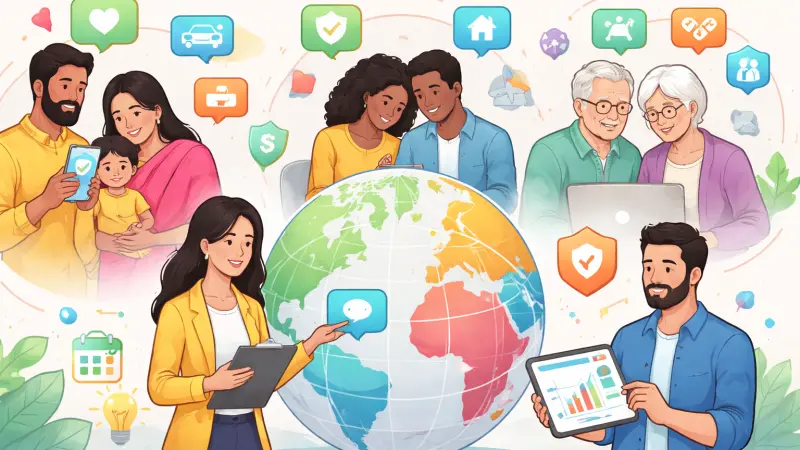

How does a multi-billion pound industry ensure that its protective promise resonates with a population as diverse as that of the United Kingdom? In an era where "one size fits all" communication is no longer viable, insurance marketers are increasingly refining their strategies to engage with a myriad of cultural demographics. The challenge lies in moving beyond simple translation and into the realm of cultural nuance, where values, traditions, and community structures dictate how financial security is perceived. By understanding these underlying drivers, firms can bridge the gap between complex policy wording and the lived experiences of different communities, ensuring that insurance remains a relevant and accessible tool for all sections of modern British society.
The primary keyword of insurance marketing in a multicultural context involves a deep dive into the socio-economic and psychological profiles of various ethnic and cultural groups. In the UK, where urban centres like London, Birmingham, and Manchester are melting pots of global heritage, the necessity for tailored messaging is paramount. Marketers must navigate a landscape where secondary keywords such as targeted insurance messaging, multicultural marketing, and inclusive insurance are not just buzzwords but essential components of a robust business strategy. The ultimate goal is to foster an environment where every individual, regardless of their cultural background, feels that their specific risks and aspirations are understood and valued by their provider. This requires a shift from transactional interactions to relationship-based engagement, underpinned by semantic keywords like financial literacy, community trust, and linguistic precision.
The Evolution of Cultural Segmentation in UK Insurance
Historically, the insurance sector has been criticised for being overly traditional and somewhat opaque. However, the last decade has seen a significant shift toward more sophisticated demographic segmentation. Marketers now recognise that a second-generation British Asian family may have entirely different priorities and media consumption habits compared to a recently arrived European professional or a long-established Afro-Caribbean household. Tailoring messaging is not merely about using different imagery in advertisements; it is about aligning the core value proposition of an insurance product with the specific cultural priorities of the target audience. For instance, in some cultures, the concept of "intergenerational wealth" is the primary driver for life insurance, whereas in others, the focus might be on immediate protection against unforeseen liabilities.
To achieve this, insurance companies are investing heavily in data analytics and ethnographic research. By identifying patterns in policy uptake and claims behaviour across different postcodes and demographic clusters, they can discern which messages resonate most effectively. For example, marketing campaigns focused on "community resilience" often perform better in areas with strong local ties and collective social structures. Conversely, in more individualistic professional circles, messaging that emphasises "personal autonomy" and "bespoke coverage" tends to see higher engagement rates. This level of granularity allows marketers to craft narratives that feel personal rather than generic, significantly reducing the friction often associated with purchasing financial products.
Furthermore, the rise of digital platforms has provided marketers with the tools to implement these tailored strategies at scale. Social media algorithms and programmatic advertising allow for the delivery of specific content to defined cultural niches. However, this technical capability must be matched with creative integrity. A campaign that feels "tokenistic" or relies on stereotypes can do more harm than good, eroding the very trust that the marketer is trying to build. Therefore, the internal culture of the insurance firm itself often needs to reflect the diversity it seeks to serve, ensuring that the perspectives of different cultural demographics are represented at the decision-making table during the creative process.
Linguistic Nuance and the Role of Language
While English remains the dominant language for business in the UK, the role of native languages in insurance marketing cannot be underestimated. For many first-generation immigrants or those living in households where English is a second language, technical financial jargon can be a significant barrier to entry. Forward-thinking insurance marketers are addressing this by providing translated resources that go beyond literal word-for-word conversion. They employ professional transcreation services that adapt the message to ensure it remains culturally relevant and emotionally resonant in the target language. This is particularly important for complex products like critical illness cover or income protection, where the nuances of policy exclusions must be clearly understood to avoid future disputes.
Effective messaging also involves understanding the "language of trust" within a community. In many cultures, financial advice is sought from within trusted social circles or local community leaders rather than from corporate advertisements. Marketers are therefore partnering with community influencers, religious organisations, and local radio stations to deliver their message through voices that are already respected. This indirect approach often carries more weight than a traditional billboard or television spot. By speaking the literal and metaphorical language of the audience, insurance firms can demystify the industry and position themselves as partners in the community's long-term prosperity rather than distant corporate entities.
In addition to translation, the tone of voice used in English-language marketing must also be adjusted. Certain cultural groups may prefer a more formal, authoritative tone that conveys stability and longevity, while younger, more assimilated demographics might respond better to a conversational, peer-to-peer style. The use of idioms, references to cultural festivals (such as Diwali, Eid, or Lunar New Year),
and even the choice of background music in video content are all subtle cues that signal to a consumer that a brand understands their identity. When these elements are combined effectively, they create a sense of belonging and validation that is crucial for building brand loyalty in a competitive marketplace.
Building Trust Through Representation and Inclusion
Representation in insurance marketing is about more than just "putting a face to a name." It is about reflecting the reality of modern Britain in all its complexity. When a consumer sees people who look like them, live in similar housing, and face similar life stages in an insurance advert, it reduces the psychological distance between them and the product. Marketers are moving away from stock imagery of generic "happy families" and toward authentic storytelling that features real people from diverse backgrounds. These stories often highlight how insurance has provided a safety net during specific cultural milestones or unexpected hardships, making the benefits of the policy tangible and relatable.
Inclusivity also extends to the product design itself. Marketers are working closely with product developers to ensure that insurance offerings are compatible with different cultural and religious requirements. A prime example is the growth of Takaful (Islamic insurance) in the UK. Marketing for these products requires a specific focus on Sharia-compliant principles, such as risk-sharing and the prohibition of interest. The messaging here must be precise and transparent, appealing to the ethical and religious values of the Muslim community. By offering and correctly marketing such specialised products, the insurance industry demonstrates a genuine commitment to serving all segments of the population, which in turn enhances its overall reputation.
Moreover, the concept of "inclusion" involves addressing the historical "protection gap" that exists in certain minority communities. Research has shown that some cultural demographics are statistically under-insured compared to the national average. Marketers are tackling this by creating educational content that addresses the specific reasons for this gap, whether it be a lack of awareness, historical mistrust of financial institutions, or perceived cost barriers. By positioning insurance as a tool for social mobility and the protection of hard-earned assets, marketers can shift the perception of insurance from an optional expense to a fundamental pillar of financial security for the whole family.
The Impact of Socio-Economic Factors on Messaging
Cultural identity is often intertwined with socio-economic status, and insurance marketers must be sensitive to this intersectionality. In some communities, there may be a higher prevalence of multi-generational households or self-employment, which impacts the type of insurance needed. For instance, messaging for home insurance in areas with large Victorian terrace houses converted into multiple flats needs to be different from messaging for suburban semi-detached homes. Similarly, cultural groups with a high rate of entrepreneurship require messaging that highlights the importance of business interruption insurance and public liability, tailored to the specific types of businesses common within those communities.
Marketers also need to consider the varying levels of digital literacy and access to technology across different demographics. While a digital-first approach works for many, some cultural groups may still prefer face-to-face interactions or telephone support from people who understand their background. Successful marketing strategies often employ an "omni-channel" approach, where digital ads drive awareness, but local brokers or community-based advisors provide the final "human touch" needed to close the sale. This hybrid model ensures that no one is left behind in the industry's rush toward automation and digitisation.
The timing of marketing campaigns is another critical factor. Aligning insurance promotions with cultural calendars can significantly increase relevance. For example, promoting life insurance or savings plans around times of family gathering and reflection, or highlighting travel insurance before major international festivals when many people visit family abroad, shows a high level of cultural intelligence. This proactive approach demonstrates that the insurer is not just looking for a transaction but is aware of the rhythms of life that define their customers' experiences. It transforms the insurer from a reactive service provider to a proactive partner in the customer's life journey.
Ethical Considerations and the Future of Multicultural Marketing
As insurance marketers become more adept at tailoring messaging, ethical considerations must remain at the forefront. There is a fine line between personalisation and "redlining" or discriminatory practices. Marketers must ensure that their efforts to reach specific cultural demographics do not result in those groups being offered inferior products or higher premiums based on biased data. Transparency in how data is used for segmentation is essential for maintaining public trust. The industry must be able to demonstrate that its marketing practices are designed to increase access and provide better value, rather than to exploit vulnerabilities.
Looking ahead, the future of insurance marketing in the UK will likely be defined by even greater levels of hyper-personalisation. As AI and machine learning continue to evolve, the ability to generate culturally specific content in real-time will become a reality. However, the "human element" will remain indispensable. Marketers will need to balance the efficiency of technology with the empathy and cultural sensitivity that only a deep understanding of human society can provide. The brands that succeed will be those that view cultural diversity not as a challenge to be overcome, but as a vibrant landscape of opportunity to serve a wider range of people more effectively.
In conclusion, the art of tailoring insurance messaging across cultural demographics is a multifaceted discipline that requires a blend of data-driven insight, creative empathy, and ethical integrity. By recognising the unique values and needs of the UK's diverse communities, insurance marketers can create more meaningful connections, drive higher levels of engagement, and ultimately contribute to a more inclusive and resilient financial system.
As the demographics of the UK continue to shift, the ability to communicate effectively across cultural boundaries will become the hallmark of the most successful and respected insurance providers in the country.
Frequently Asked Questions
Why is cultural tailoring important in insurance marketing?
It ensures that messaging is relevant, builds trust with diverse communities, and addresses the specific risks and values of different demographic groups.
Does tailoring messaging mean insurance costs more for certain groups?
No, tailoring is about communication and engagement styles; premium costs are determined by risk factors, though inclusive marketing can help people find better-suited products.
How do insurers avoid stereotypes in their multicultural campaigns?
By involving people from those communities in the creative process and using authentic storytelling based on real-life experiences rather than assumptions.
Is language the only factor in cultural marketing?
No, language is important, but cultural values, traditions, family structures, and trusted communication channels are equally vital.
What is Takaful in the context of UK insurance?
Takaful is a Sharia-compliant insurance model based on mutual assistance and risk-sharing, catering specifically to the values of the Muslim community.
How can insurance marketers reach communities that don't trust big banks?
By partnering with local community leaders, influencers, and grassroots organisations to deliver messages through trusted voices.
Are digital ads effective for all cultural demographics?
While very effective for many, some groups prefer personal interactions, making a multi-channel approach that includes local brokers essential.
How do marketers measure the success of a culturally tailored campaign?
Through metrics such as engagement rates within specific regions, policy uptake among target demographics, and brand sentiment scores.
Ultimately, navigating the complexities of modern UK society requires businesses to be present where their customers are looking. For those seeking to connect with professional services or discover a free business search directory to enhance their own reach, understanding local nuances is key. Whether you are searching a company directory online or looking for a verified business directory, the principle of visibility remains the same. Local Page UK provides a platform for improving online visibility and listing businesses, ensuring that companies from all backgrounds can be found by the communities they serve, much like the inclusive strategies used by the nation's leading insurance marketers. By utilising a free company search directory, businesses can ensure they are part of the broader conversation in the UK's diverse marketplace.

Disclaimer: The information provided in this article is for general informational and research purposes only. Company details, features, services, and market positions may change over time. Readers are advised to visit official company websites and conduct independent research before making any business decisions or purchasing services.
Most Searchable Keywords

Recent Blogs


Related Listings


Categories
- Accountants (295)
- Advertising Agencies (559)
- Architects (149)
- Automobiles (377)
- Beauty (300)
- Carpenters (146)
- Cleaning Services (386)
- Dentists (189)
- Driving (62)
- Electricians (215)
- Energy (8)
- Event Organiser (685)
- Finance (599)
- Guide (3365)
- Health (2207)
- Information technology (206)
- Legal Services (353)
- Logistics (6)
- Maintenance (65)
- Manufacturing (35)

Sponsored Listings in Locksmith Services


Related Blogs

Gen Z Political Reporters and News Creators i...
Read this insightful article "Gen Z Political Reporters and News Creators in the UK" to expand your knowledge!

Famous Female Social Media Influencers Across...
Read this insightful article "Famous Female Social Media Influencers Across the UK" to expand your knowledge!
Your UK Sponsor Licence 2026 Step by Step Gui...
Read this insightful article "Your UK Sponsor Licence 2026 Step by Step Guide" to expand your knowledge!
Questions & Answers – Find What
You Need, Instantly!
How can I update my business listing?
Is it free to manage my business listing?
How long does it take for my updates to reflect?
Why is it important to keep my listing updated?
