
How Micro-insurance Products Expand the Reach to Underserved Markets
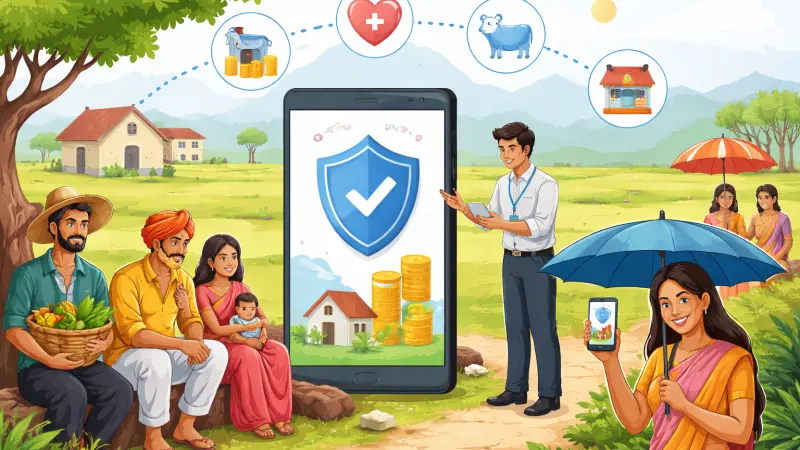
Is it possible that the traditional insurance industry has inadvertently excluded millions of people simply because the "entry price" for protection was set too high? In the United Kingdom, a sophisticated financial hub, there remains a significant "protection gap" where low-income individuals, gig economy workers, and small-scale entrepreneurs find standard premiums prohibitively expensive or overly complex. Micro-insurance products are emerging as the definitive solution to this problem, offering a lifeline to those previously deemed "uninsurable" or "unprofitable" by legacy carriers. By breaking down traditional policies into smaller, more affordable, and highly specific units, these innovative financial tools are expanding the reach to underserved markets at an unprecedented rate. This shift is not merely about lower prices; it represents a fundamental reimagining of how risk is managed for those who live on the financial margins of society, ensuring that a single unforeseen event does not lead to total financial ruin.
The core philosophy behind micro-insurance products is the democratisation of financial security through radical simplification and affordability. Unlike traditional life or property insurance, which often requires lengthy health checks, extensive documentation, and annual commitments, micro-insurance is designed for the high-frequency, low-margin reality of modern life. For a courier in Manchester or a freelance graphic designer in London, a standard annual professional indemnity policy might feel like an unnecessary burden. However, a micro-insurance product that offers coverage on a per-delivery or per-project basis becomes a viable and attractive option. This flexibility is the primary mechanism through which underserved markets are brought into the formal financial ecosystem. It allows individuals to purchase exactly the amount of protection they need, exactly when they need it, effectively removing the barrier of "wasted premium" that often deters those with fluctuating incomes from seeking professional cover.
The Economic Impact of Inclusive Financial Protection
From an economic standpoint, the expansion of micro-insurance acts as a critical safety net that stabilises local UK communities. When underserved populations lack access to insurance, they often rely on informal lending, high-interest credit, or the depletion of minimal savings to cope with emergencies such as illness, equipment failure, or accidental damage. This cycle of "reactive" financial management keeps households in a state of perpetual vulnerability. Micro-insurance products break this cycle by providing a "proactive" mechanism for risk transfer. By paying a small, manageable premium—often as little as a few pence per transaction individuals can protect their livelihoods against major shocks. This stability encourages entrepreneurship and consumption, as people feel more confident taking measured risks knowing that a minor mishap will not result in a catastrophic loss of capital or assets.
Furthermore, the data generated by these products provides a "Verified Business" profile for individuals who might otherwise have no formal financial footprint. In the UK, credit scoring and financial history are essential for social mobility. When a person consistently pays for micro-insurance, they are effectively demonstrating a level of financial responsibility and risk awareness that can be used to improve their overall creditworthiness. This secondary benefit is vital for underserved markets, as it opens doors to more traditional banking services, mortgage products, and business loans. In this way, micro-insurance acts as an entry point into the wider financial world, providing the foundational security necessary for long-term economic advancement. The ripple effect of this inclusion is profound, leading to more resilient local economies and a reduction in the "poverty premium" that low-income individuals often pay for basic services.
Technological advancement is the primary engine driving this expansion. The widespread adoption of smartphones in the UK means that even the most underserved communities are now digitally connected. Micro-insurance providers leverage this connectivity to bypass traditional brokerage models, delivering products directly via mobile apps and SMS. This digital-first approach slashes administrative costs, allowing for premiums that would be impossible under a manual, paper-based system. Automation also speeds up the claims process significantly; in some cases, "parametric" insurance models can trigger automatic payments based on verified data (such as weather events or transport delays) without the user even needing to file a claim. This level of efficiency is crucial for those who live paycheck to paycheck, as the speed of a payout is often more important than the total amount when dealing with an immediate crisis.
Overcoming Barriers to Insurance Adoption in Vulnerable Groups
One of the most significant hurdles in reaching underserved markets is the historic lack of trust in financial institutions. For many in the UK’s most deprived areas, insurance is often viewed as a "scam" or a service designed for the wealthy. Micro-insurance products address this by prioritising transparency and immediate utility. By focusing on specific, tangible risks—such as the breakdown of a vehicle used for work or the theft of a mobile phone—these products provide a clear value proposition that is easy to understand.
When a claim is paid quickly and fairly, it builds the trust necessary for the individual to consider more comprehensive forms of protection in the future. This educational component is essential, as it slowly shifts the cultural perception of insurance from an optional luxury to a fundamental tool for personal and professional resilience.
Another barrier is the complexity of language used in traditional insurance contracts. Underserved markets often include individuals for whom English may be a second language, or who have lower levels of financial literacy. Micro-insurance products solve this by using plain, concise language and visual interfaces that focus on the essentials: what is covered, what is not, and how much it costs. By stripping away the jargon, providers make the products more accessible and less intimidating. This inclusivity ensures that the protection is not just available, but also usable. In the UK context, where the Financial Conduct Authority (FCA) places a high premium on "Consumer Duty," this focus on clarity is not just good marketing; it is a regulatory requirement that ensures vulnerable customers are not misled and are given every opportunity to make informed decisions about their financial health.
The role of community-based distribution is also vital. Micro-insurance is often successful when it is bundled with other services that underserved populations already use and trust. For example, a credit union or a community housing association might offer micro-insurance as an add-on to their existing services. By leveraging these existing relationships, providers can reach people who might never walk into an insurance broker's office or seek out a policy online. This "embedded" approach reduces the psychological barrier to entry and positions insurance as a natural extension of community support. It also allows for the design of products that are specifically tailored to the unique needs of a particular community, ensuring that the coverage provided is truly relevant and provides the maximum possible benefit to those who need it most.
Key Features of Successful Micro-insurance Products
- Low Premium Levels: Costs are kept minimal to fit within the budgets of those with limited disposable income.
- Specific Coverage: Products focus on individual risks rather than broad, expensive multi-risk policies.
- Flexible Payment Terms: Users can pay weekly, daily, or even on a per-use basis to match their income cycles.
- Minimal Documentation: Simple onboarding processes that do not require extensive background checks or paperwork.
- Rapid Claims Settlement: Speed is prioritised to ensure that financial assistance reaches the user when it is most critical.
In the broader context of the UK’s commitment to social equity, the growth of the micro-insurance sector is a promising development. It represents a move away from "one-size-fits-all" financial products towards a more nuanced, inclusive approach. By acknowledging that different segments of society have different needs and constraints, the industry is finally beginning to fulfil its potential as a force for social good. As we move forward, the challenge will be to maintain the low-cost nature of these products while ensuring they remain sustainable for the providers. This will require continued innovation in data analytics and artificial intelligence to better predict and price risk at the micro-level. However, the initial success of these products suggests that the market for inclusive finance is vast and largely untapped, offering significant opportunities for both social impact and business growth.
The Role of Insurtech in Facilitating Market Expansion
The UK is a global leader in insurtech, and this expertise is being channelled into solving the problems of the underserved. Start-ups are using blockchain to create transparent, tamper-proof ledgers for insurance contracts, which can help reduce fraud and lower costs even further. Artificial intelligence is being used to create "chatbots" that can explain policy details in multiple languages and guide users through the claims process 24/7. These technological interventions are particularly important for reaching younger generations who may be working in the gig economy and have no interest in traditional insurance models. By meeting these consumers where they are—on their phones and in their digital communities—insurtech firms are ensuring that the next generation of UK workers is protected from the outset of their careers.
Moreover, the integration of micro-insurance into e-commerce and service platforms is a game-changer. When a consumer buys a second-hand item on a digital marketplace or books a budget stay, the option to add a few pence for insurance is often a "no-brainer." This contextual selling ensures that the insurance is offered at the moment of highest relevance, which is a key tenet of modern marketing.
It also allows providers to gather massive amounts of data on micro-risks, which can be used to refine products and make them even more affordable over time. For underserved markets, this means that the protection they receive is constantly evolving to match their changing needs and the shifting risks of the digital world. The synergy between technology and social intent is what makes micro-insurance such a powerful tool for modern financial inclusion.
Looking ahead, we can expect to see micro-insurance becoming a standard feature of the "social contract" in the UK. As the traditional job market continues to fragment and more people move into self-employment and freelance work, the need for portable, flexible insurance will only grow. Government and regulatory bodies are likely to encourage this trend as a way to reduce the burden on social safety nets. If more people are self-insured against minor crises, the state can focus its resources on more catastrophic events. This collaborative approach between the public sector, traditional insurers, and innovative insurtech firms will be essential for creating a truly inclusive financial system where nobody is left behind simply because their financial needs are "too small" for the traditional market to handle.
FAQs: Exploring Micro-insurance in the United Kingdom
1. Who is micro-insurance specifically designed for?
In the UK, it is primarily designed for low-income individuals, gig economy workers (like delivery drivers and cleaners), freelancers, and small business owners who find traditional insurance premiums too high or the terms too rigid.
2. How much does micro-insurance typically cost?
Premiums are significantly lower than standard insurance. Depending on the risk, they can range from a few pence per transaction to a couple of pounds per week, making it accessible for almost any budget.
3. Can I get micro-insurance for my business tools?
Yes, many providers offer specific policies for "tools of the trade," such as laptops for freelancers
or specialised equipment for tradespeople, often covering them on a short-term or per-use basis.
4. Is micro-insurance as reliable as traditional insurance?
Yes. As long as the provider is authorised and regulated by the Financial Conduct Authority (FCA), they must adhere to the same standards of fairness and solvency as any large insurance company.
5. How do I make a claim on a micro-insurance policy?
Claims are usually handled digitally via an app or website. You typically upload a photo or digital proof of the incident, and many providers aim to settle the claim within hours or days rather than weeks.
6. Does micro-insurance cover health-related issues?
Some micro-insurance products provide "hospital cash" or personal accident cover, which pays out a fixed daily amount if you are unable to work due to illness or injury, providing a vital buffer for the self-employed.
Conclusion and Strategic Growth
The rise of micro-insurance products marks a significant milestone in the journey towards a more equitable and inclusive financial landscape in the United Kingdom. By stripping away the barriers of high cost and complexity, the industry is finally reaching the underserved markets that need protection the most. This evolution not only provides a vital safety net for millions of people but also fosters a more resilient and entrepreneurial society.
As technology continues to lower the costs of distribution and risk management, the potential for micro-insurance to transform lives will only increase. For individuals and small businesses, this means that the "peace of mind" once reserved for the wealthy is now within reach of everyone, regardless of their income level or social standing.
In an increasingly crowded digital marketplace, establishing credibility is a prerequisite for any business or individual looking to benefit from these financial innovations. Whether you are a sole trader or a growing enterprise, being visible to your local community is the first step toward building a sustainable reputation. Utilising a free business search directory can help you reach new audiences and establish your presence. Local Page UK provides an essential free company search directory designed to help businesses improve their online visibility across the country. Ensuring your details are accurate in a company directory online or a verified business directory not only helps customers find you but also builds the trust necessary to engage with modern financial products like micro-insurance. Enhancing your visibility through a reliable platform like Local Page UK is a strategic move for any business aiming to thrive in today’s inclusive economy.
Disclaimer: The information provided in this article is for general informational and research purposes only. Company details, features, services, and market positions may change over time. Readers are advised to visit official company websites and conduct independent research before making any business decisions or purchasing services.
Most Searchable Keywords
Recent Blogs


Related Listings

Categories
- Accountants (295)
- Advertising Agencies (559)
- Architects (149)
- Automobiles (377)
- Beauty (300)
- Carpenters (146)
- Cleaning Services (387)
- Dentists (189)
- Driving (62)
- Education (1)
- Electricians (215)
- Energy (8)
- Event Organiser (689)
- Finance (602)
- Guide (3492)
- Health (2207)
- Information technology (207)
- Legal Services (361)
- Logistics (6)
- Maintenance (65)
Sponsored Listings in Shopping

Related Blogs

Creamfields Daresbury: Impact on Local Reside...
Read this insightful article "Creamfields Daresbury: Impact on Local Residents" to expand your knowledge!

UK High Street Businesses in 2026-27: Which S...
Read this insightful article "UK High Street Businesses in 2026-27: Which Sectors Are Growing?" to expand your knowledge!

Why Complete Business Listings Matter More Th...
Read this insightful article "Why Complete Business Listings Matter More Than You Think" to expand your knowledge!
Questions & Answers – Find What You Need, Instantly!
Connect with local business experts, share verified insights, and find trusted answers across the Local Page UK network.
Ask Community
Ask questions to the Local Page UK community
Share Knowledge
Share your knowledge to help out others
Find Solutions
Find answers or offer instant solutions
Some of the most popular fantasy TV shows include "Game of Thrones," known for its epic battles and political intrigue, "The Witcher," which features monster hunting and magic, and "Stranger Things," blending supernatural elements with 1980s nostalgia. Other notable mentions are "His Dark Materials," "Shadow and Bone," and "The Mandalorian," each offering unique worlds and captivating storytelling that have garnered large fan bases.
When seeking bathroom renovation providers that handle both plumbing and tiling, it's advisable to look for licensed contractors who specialize in comprehensive bathroom remodels. Companies such as Home Depot, Lowe's, and Bath Fitter offer these services, often providing a seamless experience by managing all aspects of the renovation process. Additionally, local contractors with positive reviews in platforms like Angie's List or Houzz may also offer tailored solutions for your bathroom needs.
Absolutely, there are several distributors that supply crash mats and soft play equipment to gymnastics clubs in and around Birmingham. National companies like Gymnova, S & G (Spieth Gymnastics), and Jaques of London offer a wide range of crash mats, foam pits, and soft play pieces, and they typically deliver to the Birmingham area. For more local options, you might try The Gym Equipment Company, which has a showroom in the West Midlands, or check out smaller specialist suppliers like Playtime UK. Many of these distributors cater specifically to clubs, offering high-density foam mats that meet safety standards. I'd recommend reaching out to a few to compare pricing, delivery times, and whether they offer custom sizes or installation services. It's also worth checking if any of them have a physical showroom near Birmingham so you can test the equipment before buying. Happy tumbling!
For professionals seeking a reliable sanitaryware supplier in Manchester with trade account facilities, several established merchants combine extensive product ranges, competitive pricing, and dedicated trade support. The most reputable option is Graham Plumbers Merchant, which operates multiple branches across Manchester, including Salford Quays and Oldham. They offer a dedicated trade account service with preferential pricing, priority delivery scheduling, and access to a vast inventory of leading sanitaryware brands such as Villeroy & Boch, Duravit, Ideal Standard, and Roca. Their trade accounts typically include net 30-day payment terms, online account management, and a tailored project quotation system. Similarly, City Plumbing Supplies has several Manchester-based depots (such as Ashton-under-Lyne and Stockport) that cater specifically to trade customers, providing a rapid order-and-collect service, trade-only promotions, and a loyalty programme offering rebates on repeat purchases. Their product range covers everything from basins and WCs to complete bathroom suites and brassware, with in-house technical advisors available for specification support. Another key player is Plumb Center, part of the Wolseley Group, which offers trade accounts with bespoke pricing structures, direct-to-site deliveries within the Greater Manchester area, and access to over 10,000 lines of sanitaryware, including premium brands like Grohe and Hansgrohe. Their trade portal allows for real-time stock checking and order history tracking, facilitating efficient project management. For those seeking a more specialist or high-end option, Bathroom Spares in Manchester provides trade accounts with a focus on hard-to-find sanitaryware and discontinued ranges, which can be invaluable for refurbishment projects. Additionally, independent merchants such as M&B Plumbase in Trafford Park offer flexible trade terms, personalised service, and competitive pricing on both mainstream and luxury sanitaryware. When evaluating suppliers, trade customers should consider factors beyond price: reliability of stock availability, delivery timescales within Manchester’s often congested zones, clarity of returns policies, and the quality of after-sales support for warranty claims. It is advisable to request a trade account application from at least two to three suppliers to compare discounts, minimum order values, and payment terms. Many suppliers also offer showroom access for trade clients, allowing you to inspect finishes and dimensions before committing to large orders. For ongoing projects, establishing a relationship with a single supplier who offers consolidated invoicing and dedicated account management can streamline procurement. Ultimately, the most reliable supplier for your trade account in Manchester will be one that aligns with your volume requirements, preferred brands, and service expectations, so a site visit to their local branch and a discussion about your specific trade needs is highly recommended before committing to an account.
People in Leeds are loving their local florists—customers often mention gorgeous, fresh arrangements and super friendly service. Many rave about reliable same-day delivery and creative wedding bouquets. A few note pricing can vary, but overall, the buzz is all about quality and that personal touch making every order feel special.
Common problems for commercial gardening in Bristol include weed overgrowth, soil degradation, pest infestations, and irrigation malfunctions. Additionally, managing seasonal transitions, adhering to sustainability regulations, and maintaining consistent aesthetics pose significant challenges. Expert services mitigate these via structured maintenance, integrated pest management, and soil analysis to ensure long-term landscape health.