
How Smart Sensors Enhance Home Safety and Automation
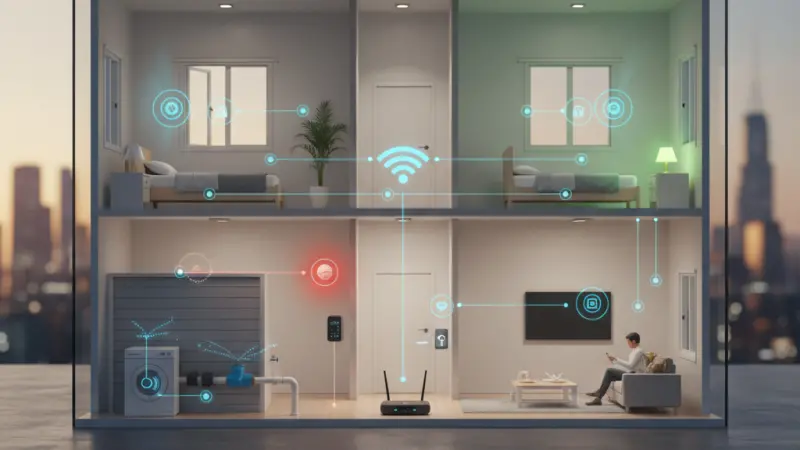
The modern home is undergoing a quiet but profound transformation. While large devices like smart refrigerators and voice-activated speakers often grab the headlines, the true unsung heroes of the connected home are smart sensors. These small, often inconspicuous devices serve as the "nervous system" of a household, constantly monitoring the environment for changes in light, motion, temperature, and moisture. By providing real-time data to a central hub, they allow a home to react autonomously to potential threats or daily routines.

Integrating smart sensors is no longer just about high-tech novelty; it is about building a proactive defense against common household hazards and streamlining the way we live. From preventing catastrophic water damage to ensuring your hallway is lit the moment your foot touches the floor, sensors bridge the gap between manual control and true automation. In this comprehensive guide, we will explore the different types of smart sensors available, how they contribute to a safer living environment, and the best practices for implementing them in your own home.
The Foundation of a Responsive Home
To understand the value of smart sensors, one must first understand the shift from reactive to proactive home management. Traditionally, home safety relied on human intervention—smelling smoke, seeing a puddle, or hearing a window break. Smart sensors remove the "human error" variable by detecting these events at their very inception, often before they are perceptible to our senses.
What Makes a Sensor "Smart"?
Unlike traditional sensors that simply trigger a local alarm (like a standard smoke detector), smart sensors are connected to a network. This connectivity allows them to:
-
Send Instant Notifications: Receive an alert on your smartphone the second a leak is detected, even if you are thousands of miles away.
-
Trigger Interconnected Actions: Program your smart lock to engage if a window sensor is tripped at night.
-
Log Historical Data: Monitor temperature fluctuations or occupancy patterns over time to optimize energy use.
Essential Types of Smart Sensors for Every Home
1. Motion and Occupancy Sensors
Motion sensors are the most versatile tools in the automation toolkit. They serve a dual purpose: security and convenience.
-
Security: When placed near entry points, they can trigger sirens or outdoor floodlights if unexpected movement is detected during "armed" hours.
-
Automation: In daily life, they can manage lighting. Imagine walking into a dark garage with your hands full of groceries and having the lights illuminate automatically, then switch off five minutes after you leave.
2. Contact (Door and Window) Sensors
These sensors consist of two small pieces—one on the frame and one on the door or window. When the magnetic connection is broken, the sensor registers an "open" state.
-
Safety First: Beyond intrusion detection, these are excellent for safety checks. You can receive a notification if a medicine cabinet or a pool gate is opened, protecting children from potential hazards.
-
Climate Control: Some systems can automatically turn off the air conditioning if a window
is left open for more than a few minutes, preventing energy waste.
3. Water Leak and Moisture Sensors
Water damage is one of the most expensive and common home insurance claims. Small leaks behind a washing machine or under a water heater can go unnoticed for weeks, leading to mold and structural rot.
-
Early Detection: Smart leak sensors are placed in high-risk areas. If they detect even a few drops of water, they alert the homeowner immediately.
-
Auto-Shutoff: For maximum safety, these can be paired with a smart water valve that automatically shuts off the main water supply the moment a leak is detected.
4. Environmental Sensors (Smoke, CO2, and Air Quality)
While standard smoke detectors are mandatory, smart versions offer a significant upgrade.
-
Contextual Alerts: A smart smoke detector can tell you exactly which room the smoke is in.
-
Multi-Device Sync: If one alarm goes off, all alarms in the house can sound simultaneously, ensuring everyone is woken up regardless of where the fire started.
-
Air Quality Monitoring: Modern sensors can also track Volatile Organic Compounds (VOCs) and humidity levels, prompting your air purifier or HVAC system to activate when air quality dips.
Step-by-Step Guide to Implementing Sensors
Implementing a sensor network doesn't have to be done all at once. A modular approach is often more effective.
Step 1: Identify Your Primary Pain Points
Start by asking what worries you most. Is it a basement prone to flooding? A teenager who forgets to turn off the lights? Or perhaps a fear of intruders? Your priorities will dictate which sensors you buy first.
Step 2: Ensure Protocol Compatibility
Sensors typically use Zigbee, Z-Wave, or Wi-Fi. Ensure your central hub supports the protocol of the sensors you choose. Using a unified protocol ensures lower latency and better battery life for your devices.
Step 3: Strategic Placement
Placement is critical. A motion sensor placed too close to a heating vent might give false positives, while a leak sensor placed an inch too far from a pipe might miss the initial drip. Follow manufacturer guidelines for "line of sight" and proximity.
Step 4: Create If-This-Then-That (IFTTT) Routines
The magic happens in the "rules."
-
If the contact sensor on the front door opens after sunset...
-
Then turn on the entryway light and the living room lamp.
Benefits of Sensor-Based Automation
The advantages of a sensor-rich home extend far beyond just feeling "techy."
-
Energy Savings: Occupancy sensors ensure that lights and climate control are only active when a room is actually being used. This can lead to a 10–15% reduction in monthly utility bills.
-
Reduced Insurance Premiums: Many insurance providers offer discounts to homeowners who install monitored security and leak detection systems, as they significantly reduce the risk of large-scale claims.
-
Peace of Mind: The ability to check the "state" of your home (e.g., "Is the back door locked?" or "Is the stove off?") via an app eliminates the anxiety of second-guessing yourself after leaving for a trip.
Common Mistakes to Avoid
-
Ignoring Battery Levels: Most sensors are battery-powered. Ensure your app is set to notify you when a battery reaches 10% to avoid "blind spots" in your security.
-
Over-Sensitivity: Setting motion sensors to their highest sensitivity in a home with pets will result in constant false alarms, eventually leading you to ignore the notifications altogether.
-
Lack of Redundancy: While smart sensors are great, they should complement—not entirely replace—traditional safety measures like deadbolts and fire extinguishers.
-
Poor Naming Conventions: When you have 20 sensors, naming them "Sensor 1" and "Sensor 2" is a recipe for confusion. Use specific names like "Kitchen Sink Leak" or "Master Bedroom Window."
Supporting Local Business Visibility Beyond Core Marketing Efforts
While the technical setup of smart sensors can often be a DIY project, complex safety integrations—such as those involving hardwired smoke detectors or automatic water shut-off valves—frequently require professional installation.
For local tradespeople and security experts, ensuring business discoverability is essential for connecting with homeowners who need these specialized services. Leveraging a local page UK allows these professionals to stand out in their specific geographic area, providing a local discovery aid for those seeking reliable help.
Establishing a presence on a free company listing platform serves as a supporting visibility layer that reinforces trust and local presence consistency. When a business is found on a reputable list services uk directory, it acts as a credibility signal to the consumer. Furthermore, being active on a business directory website or maintaining a profile on a business listings site ensures that a company’s information is accurate across all platforms. This strategic approach to visibility helps local experts remain at the forefront when homeowners are looking to enhance their safety through professionally installed smart sensor systems.
Smart Sensors
Smart sensors are the foundation upon which a truly intelligent home is built. By moving beyond manual control and allowing your home to "sense" its own environment, you gain a level of safety and efficiency that was impossible just a decade ago. Whether it’s the peace of mind that comes from leak detection or the simple luxury of automated lighting, these devices offer a tangible return on investment.
As you look to the future of your household, consider sensors not just as gadgets, but as a long-term commitment to a safer, more responsive living space. Start small, focus on your biggest concerns, and watch as your home begins to take care of you.
Frequently Asked Questions (FAQs)
1. Do smart sensors work if the Wi-Fi goes down? It depends on the protocol. Zigbee and Z-Wave sensors communicate with a local hub, so many "local" automations (like motion-triggered lights) will still work. However, you won't receive notifications on your phone until the internet returns.
2. How long do the batteries in smart sensors last? Most sensors are designed for extreme energy efficiency. Depending on the frequency of use, batteries can last anywhere from one to three years.
3. Can pets trigger smart motion sensors? Yes, but many modern sensors have "pet immunity" settings. These are calibrated to ignore movement from objects below a certain weight or height (usually 40–80 lbs).
4. Are smart sensors difficult to install? Most are designed for DIY installation using simple adhesive backing. Only specialized sensors, like in-line water valves or hardwired smoke detectors, require professional assistance.
5. How many sensors do I actually need? There is no set number. Start with high-risk areas: every exterior door, windows on the ground floor, and near major water appliances (fridge, washer, heater).
6. Do I need a subscription for my sensors? Most sensors do not require a subscription for basic alerts. However, some security companies charge a monthly fee for professional 24/7 monitoring services.
7. Can smart sensors detect glass breaking? Yes, specialized "glass break sensors" listen for the specific frequency of shattering glass. These are a great addition to standard contact sensors.
8. Are smart sensors waterproof? Leak sensors are designed to be water-resistant on the bottom where the probes are, but the entire unit should not be submerged unless specified by the manufacturer.
9. Can sensors help with elderly care? Absolutely. Sensors can be programmed to alert a caregiver if a "no motion" state is detected in a home for an unusual amount of time, indicating a potential fall or emergency.
10. What is the difference between an occupancy sensor and a motion sensor? A motion sensor looks for a change in movement. An occupancy sensor is more sensitive and can detect fine movements (like breathing or typing), ensuring the lights don't turn off while you are sitting still reading.
11. Can I use outdoor sensors for my garden? Yes, there are specialized outdoor sensors designed to withstand the elements.
These are perfect for triggering driveway lights or garden irrigation systems.
12. Is my privacy at risk with smart sensors? Unlike cameras or microphones, most sensors (contact, leak, motion) do not collect visual or audio data. They only transmit "on/off" or "true/false" states, making them very low-risk regarding privacy.

Disclaimer: The information provided in this article is for general informational and research purposes only. Company details, features, services, and market positions may change over time. Readers are advised to visit official company websites and conduct independent research before making any business decisions or purchasing services.
Most Searchable Keywords

Recent Blogs



Related Listings


Categories
- Accountants (295)
- Advertising Agencies (559)
- Architects (149)
- Automobiles (377)
- Beauty (300)
- Carpenters (146)
- Cleaning Services (386)
- Dentists (189)
- Driving (62)
- Electricians (215)
- Energy (8)
- Event Organiser (685)
- Finance (599)
- Guide (3365)
- Health (2207)
- Information technology (206)
- Legal Services (353)
- Logistics (6)
- Maintenance (65)
- Manufacturing (35)

Sponsored Listings in Locksmith Services


Related Blogs

Gen Z Political Reporters and News Creators i...
Read this insightful article "Gen Z Political Reporters and News Creators in the UK" to expand your knowledge!

Famous Female Social Media Influencers Across...
Read this insightful article "Famous Female Social Media Influencers Across the UK" to expand your knowledge!

Your UK Sponsor Licence 2026 Step by Step Gui...
Read this insightful article "Your UK Sponsor Licence 2026 Step by Step Guide" to expand your knowledge!
Questions & Answers – Find What
You Need, Instantly!
How can I update my business listing?
Is it free to manage my business listing?
How long does it take for my updates to reflect?
Why is it important to keep my listing updated?
