
How to Choose Clothing Wholesalers for Quality and Profit
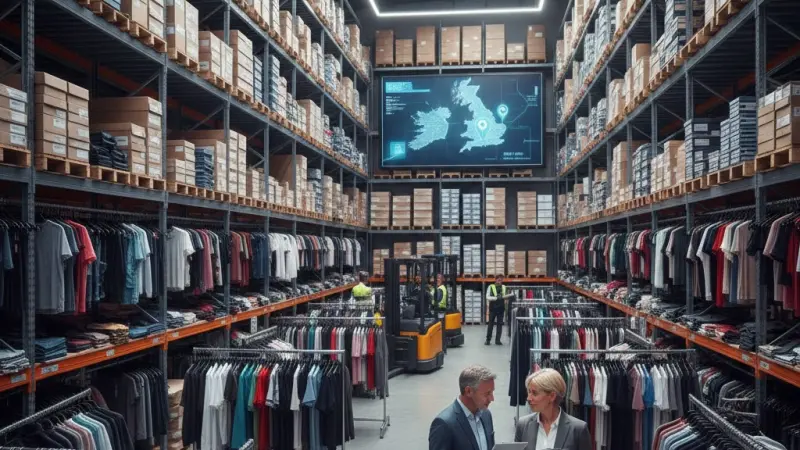
The fashion industry is a cornerstone of the British economy, contributing billions to the GDP and supporting hundreds of thousands of jobs. At the very heart of this vibrant ecosystem lies the clothing wholesale sector. For retailers, boutique owners, and e-commerce entrepreneurs, the ability to source high-quality garments at competitive prices is the primary determinant of commercial longevity. Choosing the right partner from a vast uk local business directory is more than just a procurement task; it is a strategic decision that influences brand reputation, profit margins, and customer satisfaction.
The UK clothing wholesale market has historically been a bridge between global manufacturing hubs and the diverse British high street. From the historic textile districts of Manchester and Leeds to the fast-paced fashion houses of East London, wholesalers provide the essential inventory that fuels consumer demand. However, the sector is currently undergoing a period of significant transformation. Economic pressures, shifting consumer habits, and the rise of digital-first business models have changed the rules of engagement.
In this guide, we will explore the intricate landscape of British clothing wholesalers. We will dissect the services they provide, the criteria for selecting a reliable partner, and the technological shifts defining the future of the trade. Whether you are an established brand or a startup looking to make your mark, understanding how to navigate this niche is vital. By leveraging resources like a comprehensive uk b2b business directory, businesses can find the specialized suppliers needed to thrive in an increasingly competitive marketplace.
The Landscape of Clothing Wholesalers in the UK
The UK’s clothing wholesale landscape is both geographically concentrated and highly diverse. Historically, London, Manchester, and Leicester have served as the "Big Three" hubs. Manchester, often dubbed "Cottonopolis," remains a powerhouse for bulk distribution, while Leicester is renowned for its domestic manufacturing capabilities. London, particularly areas like Fashion Street and Commercial Road, serves as a trend-setting hub for fast fashion and high-end boutique sourcing.
Post-pandemic, the industry has seen a massive shift toward "near-shoring" and digital agility. While many wholesalers still rely on imports from Turkey, China, and India, there is a growing trend of sourcing from local UK manufacturers to mitigate the risks of global supply chain disruptions. This has led to a surge in businesses seeking a uk business directory website to find local partners who can offer quicker turnaround times for seasonal collections.
The market size is substantial. Estimates suggest the wholesale trade in the UK, including apparel, involves thousands of active enterprises. The evolution of the sector has seen traditional "cash and carry" wholesalers move toward sophisticated B2B e-commerce platforms. Today’s wholesalers are not just storage facilities; they are logistics experts and trend forecasters. To navigate this evolved landscape, modern buyers use a find local businesses uk tool to identify wholesalers that align with their specific niche—be it sustainable fashion, luxury evening wear, or high-volume basics.
Comprehensive Services Breakdown
A common misconception is that wholesalers only sell clothes. In reality, the modern UK clothing wholesaler offers a suite of value-added services designed to help retailers succeed. Understanding these services is crucial for any business owner looking to maximize their investment.
Private Label and White Label Manufacturing: Many wholesalers allow retailers to rebrand existing designs or create custom collections. This is a high-margin opportunity for boutiques to build brand equity.
Dropshipping Services: For e-commerce entrepreneurs, some wholesalers now act as fulfillment partners, shipping directly to the end consumer. This eliminates the need for the retailer to hold physical inventory.
Trend Forecasing and Design Assistance: High-tier wholesalers often have in-house designers who help translate international runway trends into commercially viable high-street styles.
Logistics and Distribution: Advanced warehousing solutions ensure that retailers receive stock precisely when they need it, reducing the "dead stock" risk.
When scouting for these services, retailers often look for a business listing uk to identify newer, hungrier wholesale firms that might offer more flexible terms or innovative service models.
Additionally, finding specialized providers often requires looking through a business listing uk to compare niche players against the industry giants.
The equipment involved in modern wholesaling has also modernized. From automated sorting systems to high-end photography studios for digital catalogs, the "behind the scenes" of a wholesale operation is a high-tech environment. Ensuring your supplier uses up-to-date technology is a strong indicator of their reliability and quality control standards.
How to Choose the Right Service Provider
Selecting a wholesaler is a high-stakes endeavor. A single shipment of poor-quality garments can devastate a small retailer's reputation. Therefore, a rigorous vetting process is mandatory. British business analysts recommend focusing on four key pillars:
1. Accreditations and Compliance: Ensure the wholesaler adheres to UK labour laws and ethical manufacturing standards. Look for certifications like SEDEX or OEKO-TEX, which indicate social responsibility and textile safety.
2. Quality of Samples: Never place a bulk order without seeing samples. Check the stitching, fabric weight, and consistency of sizing.
3. Insurance and Financial Stability: A reliable wholesaler should have comprehensive product liability insurance. You want a partner who will be in business for the long term, so check their presence in a uk verified business listings database to ensure they are a legitimate, active entity.
4. Local Reputation: Peer reviews are invaluable. Use a uk local business search to find feedback from other retailers. Look for comments on lead times, communication, and how they handle returns or damaged goods.
By using a uk top rated local businesses resource, you can filter out fly-by-night operations and focus on established partners with a track record of excellence. Reputation in the British wholesale community is built over years, and the most reliable partners are usually those who are transparent about their supply chain.
Industry Challenges & Future Outlook
The clothing wholesale sector faces several headwinds. Inflation has driven up the cost of raw materials like cotton and polyester, while rising energy costs have impacted the operation of large-scale warehouses. Furthermore, Brexit has introduced complexities in cross-border trade, requiring wholesalers to become experts in customs documentation and VAT regulations.
However, the future is bright for those who embrace sustainability. The "Green Revolution" is no longer optional; it is a consumer demand. Wholesalers are increasingly pivoting toward organic fabrics, recycled materials, and plastic-free packaging. Many forward-thinking companies are now seeking a business listing uk to promote their eco-friendly credentials to a new generation of conscious buyers.
Technology will continue to play a pivotal role. We expect to see more AI-driven inventory management and virtual showrooms. Wholesalers who provide digital assets (high-res images and videos) for their products are becoming the preferred choice for online retailers. To stay relevant, these professionals often list themselves on a business listing uk to ensure they are visible to the tech-savvy entrepreneurs entering the market.
Business Tips for Clothing Wholesalers Professionals
If you are operating on the supply side of the industry, your digital visibility is your most potent marketing tool.
The days of relying solely on trade shows and word-of-mouth are over. To capture the attention of modern retailers, you must have a robust online presence.
First, prioritize local SEO. Even if you ship nationwide, your local reputation in hubs like Manchester or London provides a foundation of trust. Ensure your business appears in a uk local trades directory so that nearby retailers can find you for urgent stock needs.
Second, invest in high-quality B2B content marketing. Educational guides on fashion trends or retail pricing strategies can position your wholesale brand as an industry thought leader. Promoting these insights through uk professional services listings helps build authority and attracts higher-quality leads.
Finally, leverage social proof. Case studies of successful retailers you’ve supplied are more persuasive than any sales pitch. Encourage your satisfied clients to mention you in a local page uk listings review section to boost your credibility among prospective buyers.
Wrapping Up & Local Page Integration
The British clothing wholesale industry remains a dynamic and essential component of the UK's commercial fabric. While challenges like economic volatility and supply chain complexities persist, the shift toward digital transparency and sustainable practices offers significant opportunities for growth. For retailers, the key to success lies in meticulous vetting and building long-term relationships with quality-focused suppliers.
To facilitate these connections, Local Page UK serves as the premier platform for discovering and verifying business partners across the country. Whether you are searching for a specialized manufacturer or a high-volume distributor, utilizing a high-authority uk online business directory simplifies the search process and ensures you are dealing with reputable professionals.
By choosing the right partners today, you are not just buying stock; you are investing in the future of your brand. In a market where quality and reliability are the ultimate currencies, having the right information at your fingertips is the greatest competitive advantage.
Boost Your Visibility with Local Page UK
In the fast-moving world of fashion and wholesale, being invisible is the same as being out of business. For clothing wholesalers and service providers, appearing where your customers are searching is critical. Local Page offers a sophisticated platform designed to put your business in front of the people who matter most. By claiming your business listing uk, you can enhance your digital footprint, build trust through verified information, and tap into a network of professional buyers searching for your specific expertise. Don't leave your growth to chance—join the UK's most trusted business community today.
Frequently Asked Questions (FAQ)
1. What are the main benefits of using a UK-based clothing wholesaler?
Sourcing from a UK wholesaler offers several advantages, including significantly faster shipping times, easier communication without time-zone barriers, and simplified returns. Furthermore, it helps avoid the complexities of international customs, duties, and fluctuating exchange rates. UK-based suppliers are also subject to strict British quality standards and consumer protection laws, providing an extra layer of security for your purchase.
2. How can I verify if a wholesaler is legitimate?
Legitimacy can be verified by checking for a registered company number and a physical business address in the UK. You should also look for professional accreditations and their presence on verified platforms.
Checking a uk service providers directory can help confirm they are an active, reputable entity with a history of professional conduct.
3. What is the difference between a wholesaler and a manufacturer?
A manufacturer creates the garments from raw materials, while a wholesaler typically buys these garments in bulk from various manufacturers and resells them in smaller quantities to retailers. However, many modern UK wholesalers now offer "in-house" manufacturing or private-label services, effectively blurring the lines between the two roles to provide a one-stop shop for retailers.
4. What is a "Minimum Order Quantity" (MOQ)?
An MOQ is the lowest number of items or the minimum monetary value a wholesaler requires you to purchase in a single order. This is done to ensure the transaction is profitable for the wholesaler, as they operate on low margins and high volumes. Beginners should look for wholesalers with low MOQs to test the market before committing to large inventory levels.
5. Are there many clothing wholesalers listed on online directories?
Yes, thousands of specialized suppliers use digital platforms to reach new clients. You can find a wide variety of garment suppliers, from high-street fashion to industrial workwear, by browsing a local businesses list uk. Using Localpage allows you to filter these businesses by region and specific service type, making the procurement process far more efficient.
6. Can I buy single items from a clothing wholesaler?
Generally, no. Wholesalers are B2B (Business to Business) entities and do not sell to the general public. However, some "Cash and Carry" wholesalers may allow very small bulk buys, and some dropshipping wholesalers will ship single items directly to your customers if you have a registered trade account with them.
7. How does the "Private Label" process work?
Private labeling involves taking a wholesaler's existing design and adding your own brand's neck labels, hangtags, and packaging. This allows you to sell "exclusive" products without the high cost of custom manufacturing. It is a popular strategy for growing brands looking to establish a unique identity on the high street or online.
8. What payment terms do wholesalers usually offer?
New customers are typically required to pay upfront via "Pro-Forma" invoices. Once a relationship and credit history are established, many UK wholesalers offer 30-day or 60-day credit terms. This allows retailers to sell the stock before they actually have to pay for it, which is excellent for managing business cash flow.
9. Why is "Near-shoring" becoming more popular in the UK?
Near-shoring involves sourcing products from nearby countries or domestically. It has become popular because it reduces the carbon footprint of transport, minimizes the risk of global shipping delays, and allows retailers to react much faster to fast-moving fashion trends, which can change in a matter of weeks.
10. Do wholesalers provide professional photos for my website?
Many modern wholesalers provide high-quality "packshot" photography and lifestyle images that retailers can use on their e-commerce sites. This saves the retailer thousands of pounds in photography costs. Always check the licensing agreement to ensure you have the right to use these images for your specific marketing purposes.
11. What should I do if I receive damaged goods?
Most reputable wholesalers have a clear returns policy for "faulty items." You should inspect your delivery immediately and report any issues within 24 to 48 hours. Ensure you take photos of the damage and keep all original packaging to facilitate a smooth refund or replacement process.
12. How often do wholesalers update their stock?
High-fashion wholesalers often receive new styles weekly to keep up with the fast-paced nature of the industry. Basics and workwear wholesalers might update their core collections seasonally. It is best to sign up for your wholesaler's newsletter to get early notifications of "New Arrivals" and "End of Line" sales.
13. Is it possible to visit a wholesaler's warehouse?
Many wholesalers in districts like Manchester's Cheetham Hill or London's East End have "Cash and Carry" showrooms where you can see the quality of the garments in person before buying. Visiting in person is highly recommended for your first few orders to build a personal relationship with the supplier.
14. How do I handle VAT when buying from a wholesaler?
In the UK, wholesale prices are usually quoted "Ex-VAT." If your business is VAT-registered, you will pay the VAT to the wholesaler but can claim it back on your quarterly return.
If you are not VAT-registered, the VAT represents a cost to your business that you must account for when calculating your retail selling price.
15. Where is the best place to start looking for a wholesale partner?
The best starting point is a comprehensive, localized search of the British market. By using a specialized uk business directory, you can narrow down your options by location and specialization. We recommend checking the verified listings on Local page to find professional partners who are currently active and respected within the UK trade community.
Disclaimer: The information provided in this article is for general informational and research purposes only. Company details, features, services, and market positions may change over time. Readers are advised to visit official company websites and conduct independent research before making any business decisions or purchasing services.
Most Searchable Keywords
Recent Blogs


Related Listings

Categories
- Accountants (295)
- Advertising Agencies (559)
- Architects (149)
- Automobiles (377)
- Beauty (300)
- Carpenters (146)
- Cleaning Services (387)
- Dentists (189)
- Driving (62)
- Electricians (215)
- Energy (8)
- Event Organiser (686)
- Finance (602)
- Guide (3374)
- Health (2207)
- Information technology (206)
- Legal Services (354)
- Logistics (6)
- Maintenance (65)
- Manufacturing (35)
Sponsored Listings in Travel Agencies


Related Blogs

Meet the Fair Work Agency Changing UK Work Ru...
Read this insightful article "Meet the Fair Work Agency Changing UK Work Rules in 2026" to expand your knowledge!

Collective Redundancy Errors Now Carry Higher...
Read this insightful article "Collective Redundancy Errors Now Carry Higher 2026 Penalties" to expand your knowledge!

Explore Dog Friendly Walks in the Cotswolds f...
Read this insightful article "Explore Dog Friendly Walks in the Cotswolds for 2026" to expand your knowledge!
Questions & Answers – Find What
You Need, Instantly!
How can I update my business listing?
Is it free to manage my business listing?
How long does it take for my updates to reflect?
Why is it important to keep my listing updated?
