
How to Choose Ethical Cat Breeders for Healthy Pets
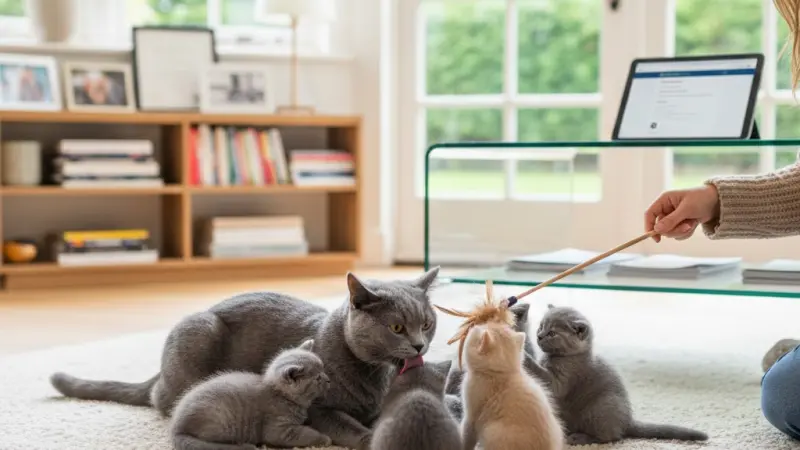
The feline companion sector represents a significant pillar of the UK’s "pet economy," a market that has shown remarkable resilience and growth over the last decade. As we move through 2026, the economic importance of cat breeding and ownership cannot be overstated. Recent data indicates that the pet industry contributes billions to the UK GDP annually, with cat-related expenditures—ranging from initial acquisition to lifelong veterinary care and nutrition—forming a substantial portion of this figure. For many households, a cat is not merely a pet but a family member, a sentiment that has driven the "humanisation" of the sector and sparked a demand for higher welfare standards.

Choosing a cat is a long-term emotional and financial commitment. Consequently, the role of the ethical breeder has moved from the periphery of the hobbyist world to the forefront of a professionalised industry. Ethical breeders are the gatekeepers of feline health, temperament, and genetic integrity. They provide the foundation upon which the subsequent layers of the pet industry—vets, insurers, and food manufacturers—build their services. However, navigating this landscape requires a sophisticated understanding of the market. Prospective owners are no longer just looking for a kitten; they are looking for a transparent, professional service provider who prioritises welfare over profit.
In this high-stakes environment, visibility is everything for legitimate professionals. To support the growth of the UK’s diverse service sectors, businesses often turn to a uk online business directory to ensure their ethical practices are visible to a discerning public. This guide aims to bridge the gap between conscientious consumers and the elite tier of British cat breeders, ensuring that every new feline-human partnership begins with health, ethics, and professional transparency at its heart.
The Landscape of Cat Breeders in the UK
The British cat breeding landscape has undergone a profound evolution, particularly in the post-pandemic era. Currently, there are over 10 million owned cats in the UK, with nearly half of all recent acquisitions being pedigree breeds. This shift towards specific breeds—such as the British Shorthair, Ragdoll, and Maine Coon—has transformed the market into a highly specialized field. Geographically, while breeding activity is spread across the nation, high-density pockets exist in the South East, the Midlands, and the North West, often correlating with areas of higher disposable income where the demand for "premium" pets is greatest.
The pandemic acted as a powerful catalyst for the industry. During the lockdowns, demand for feline companionship surged, leading to a temporary "bubble" in prices and, unfortunately, a rise in opportunistic, low-welfare breeding operations. However, as the market has stabilised in 2024 and 2025, a "flight to quality" has emerged. Today’s cat owners are more affluent and better informed than previous generations. They are increasingly wary of "kitten farms" and are willing to travel across the country to find a breeder who meets the highest standards of the Governing Council of the Cat Fancy (GCCF) or similar regulatory bodies.
The evolution of the industry is also reflected in how consumers find these specialists. The traditional word-of-mouth model has been superseded by digital search. Modern breeders must maintain a professional digital footprint to distinguish themselves from unregulated sellers. For those looking to establish themselves as a trusted local authority, appearing in a uk business directory is no longer optional; it is a critical component of a professional business strategy. This transparency helps combat the "underground" trade by highlighting those who adhere to Lucy’s Law—the landmark legislation that prohibits third-party sales of kittens, ensuring that every buyer interacts directly with the person who raised the animal.
Comprehensive Services Breakdown
Modern ethical breeding is no longer just about the sale of a kitten; it is a comprehensive suite of professional services designed to ensure the lifelong well-being of the animal. A top-tier breeding establishment operates much like a boutique healthcare and consultancy firm.
1. Genetic Screening and Health Diagnostics: The primary service offered by an ethical professional is "risk mitigation." This involves extensive DNA testing of the sire and dam for hereditary conditions such as Hypertrophic Cardiomyopathy (HCM) or Polycystic Kidney Disease (PKD). By providing a business listing uk, many of these diagnostic-focused breeders allow owners to find specialists who guarantee a "genetic clean bill of health" before a kitten even leaves the premises.
2. Socialisation and Behavioural Foundations: Ethical breeders invest hundreds of hours in the "early life socialisation" of kittens. This includes exposure to household noises, various people, and other pets. This service ensures that the product—the cat—is well-adjusted, reducing the likelihood of future behavioural issues that lead to rehoming.
3. Lifetime Aftercare and Consultancy: The relationship does not end at the point of sale. Professional breeders offer a lifetime of support, acting as a first point of contact for nutritional advice, grooming tips, and health concerns. They often provide a "return-to-breeder" contract, ensuring that no cat they produce ever ends up in a rescue centre.
4. Nutritional and Environmental Planning: Many breeders now offer bespoke starter packs that include high-quality, breed-specific nutrition, scent-blankets for transition, and detailed "care bibles."
This holistic approach reflects the professionalisation of the niche, moving away from a simple transaction toward a comprehensive pet-parenting partnership.
How to Choose the Right Service Provider
For the consumer, the process of selection must be rigorous. An ethical breeder is essentially a high-end service provider, and they should be vetted with the same scrutiny one would apply to a solicitor or an accountant.
Key Credentials to Verify:
Registration: Ensure the breeder is registered with the GCCF, TICA, or the Felis Britannica. This ensures they adhere to a strict Code of Ethics regarding the frequency of litters and the age of the mother.
Licensing: Since 2018, any breeder producing three or more litters a year in England must be licensed by their local council. Ask to see their Star Rating; a 4 or 5-star rating indicates higher welfare standards.
Insurance: A professional will provide at least 4-5 weeks of free pet insurance to cover the kitten's transition period.
Digital Reputation and Verification: In the digital age, a breeder’s "local reputation" is quantified through reviews and verified listings. Savvy consumers often search local business listings uk to find breeders who have been vetted and have a history of positive interactions within their community. Avoid any seller who refuses to let you see the kitten with its mother at the place of birth—this is a legal requirement under Lucy’s Law and a non-negotiable red flag.
Industry Challenges & Future Outlook
The cat breeding sector faces several headwinds as we look toward 2030. Regulatory changes continue to tighten, with potential moves toward mandatory licensing for all breeders, regardless of the number of litters. This is a welcome shift for the ethical community as it squeezes out the "backyard" operations that undermine the industry's reputation.
Technology and Sustainability: The integration of technology is a major trend. From "smart" catteries with climate-controlled environments to the use of AI in tracking feline gestation and health metrics, the sector is becoming increasingly high-tech. Furthermore, sustainability is becoming a key differentiator. Ethical breeders are now looking at the "carbon pawprint" of their operations, opting for eco-friendly litters, sustainable food sources, and plastic-free packaging for their kitten packs.
Marketing in a Saturated Market: One of the biggest challenges for ethical professionals is the sheer volume of "noise" on social media. Discerning breeders must find ways to prove their legitimacy in a world of filtered photos and deceptive ads. To remain competitive and reach the right audience, professionals are increasingly using a business listing uk to anchor their digital presence in a trustworthy environment. The future belongs to those who can marry traditional animal husbandry with modern, transparent business practices.
Business Tips for Cat Breeders Professionals
For the professional breeder, "marketing" is often a secondary thought to "welfare," but the two are inextricably linked. If you cannot be found by ethical buyers, those buyers will inadvertently support unethical sellers.
1. Invest in Digital Visibility: Your local reputation is your most valuable asset, but it must be discoverable. Ensure your business is listed in high-traffic, high-authority directories.
Using a uk local business search tool helps potential owners find you specifically when they are searching for "verified breeders in [Your Area]."
2. Content is King: Don't just sell kittens; sell expertise. Write blogs about the specific needs of your breed, the importance of genetic testing, and how to kitten-proof a home. This establishes you as an "Authoritative Figure" in the eyes of both Google and your potential customers.
3. Networking and B2B Relationships: Establish strong links with local vets, groomers, and pet sitters. Being part of a uk online business directory allows you to connect with other local service providers, creating a referral network that benefits everyone in the local pet economy. Professionalism in your business operations—such as having clear contracts and transparent pricing—will set you apart as a premier service provider.
Wrapping Up & Local Page Integration
The UK cat breeding industry is a complex, vital, and emotionally charged sector. As we have explored, the transition from a "hobby" to a "professional service" is nearly complete. For the consumer, the path to a healthy, happy pet lies in choosing breeders who treat their vocation with the professional rigour it deserves. For the breeder, success lies in the transparent demonstration of those high standards.
In an increasingly crowded digital marketplace, the need for a centralised, trusted hub for UK businesses is paramount. Local Page UK serves as this vital link, connecting high-quality service providers with the communities they serve. Whether you are a breeder looking to showcase your 5-star council license or a consumer searching for a verified local professional, Local Page provides the infrastructure for trust and growth in the UK economy. By supporting our local businesses, we ensure the continued prosperity of the feline welfare standards that make the British pet industry a world leader.
Boost Your Visibility with Local Page UK
In the competitive world of feline services, being the "best" is only half the battle—you also have to be the "most found." Local Page UK offers a powerful platform specifically designed to help British small businesses and professionals stand out in their local area. For breeders, groomers, and veterinary professionals, claiming your business listing uk is the first step toward building a robust online presence that attracts high-quality, conscientious clients. Don't let your expertise go unnoticed; join the premier directory that puts UK local businesses first.
Frequently Asked Questions (FAQs)
1. What is Lucy’s Law and how does it affect my search for a kitten?
Lucy’s Law is a piece of landmark legislation in England that makes it illegal for anyone other than the original breeder to sell kittens or puppies under six months of age. This means you can no longer buy a kitten from a pet shop or a third-party dealer. The law was designed to end the cruel practice of "kitten farming," where animals are bred in poor conditions and sold through middle-men. When choosing a breeder, they must be the person who owns the mother and raised the kittens. They are also legally required to show you the kitten interacting with its mother at their place of birth. This ensures transparency and allows you to assess the health and temperament of the kitten's family.
2. How can I verify if a cat breeder is legally licensed?
In England, anyone breeding and selling cats as a business, or anyone producing three or more litters in a 12-month period, must have a license from their local authority. To verify this, you should ask the breeder for their license number and the name of the issuing council. Most reputable breeders will display this on their website or social media profiles. You can also contact the local council's environmental health or animal licensing department directly to confirm the license is valid and to see what "Star Rating" the breeder has achieved. A higher star rating usually indicates that the breeder has met "higher welfare" standards beyond the basic legal requirements.
3. What genetic tests should I ask an ethical breeder for?
The specific tests depend heavily on the breed you are interested in. For example, Maine Coons and Ragdolls should be tested for Hypertrophic Cardiomyopathy (HCM), a serious heart condition. British Shorthairs and Persians should be screened for Polycystic Kidney Disease (PKD). An ethical breeder will proactively provide you with "clear" certificates for both parents.
They may also test for Feline Immunodeficiency Virus (FIV) and Feline Leukaemia Virus (FeLV). If a breeder claims their cats are "vet checked" but cannot produce specific genetic test results for hereditary conditions common to the breed, you should proceed with caution, as a general vet check does not screen for DNA-level markers.
4. Why do ethical breeders wait until 13 weeks to let kittens go home?
While some casual sellers might try to rehome kittens at 8 or 9 weeks, the GCCF and other major cat bodies strongly recommend waiting until 13 weeks. This extra month is critical for a kitten’s social and physical development. By 13 weeks, a kitten has usually completed its full course of vaccinations (given at 9 and 12 weeks) and had time for its immune system to settle. More importantly, this period is when they learn vital social cues and "how to be a cat" from their mother and siblings. Kittens removed too early are significantly more likely to develop behavioural issues, such as aggression or anxiety, later in life.
5. Where is the best place to find a list of verified cat breeders in my area?
Finding a trustworthy professional is made much easier by using a dedicated Localpage search. Unlike social media marketplaces, which are often riddled with unregulated sellers, a professional business directory allows you to filter for established businesses with a physical presence and a track record of service. You should also check the official breeder lists on the websites of the Governing Council of the Cat Fancy (GCCF) or The International Cat Association (TICA). Combining these resources ensures that you are looking at individuals who are not only registered with breed-specific bodies but are also integrated into their local business community.
6. What should be included in a professional kitten sales contract?
A professional contract is a sign of an ethical breeder who stands behind the health of their animals. It should clearly state the kitten's pedigree name and registration number, the parents' details, and the purchase price. Crucially, it should include a "Health Guarantee" for a specific period (often 48 hours to 14 days) allowing you to have the kitten checked by your own vet. It should also include a "Return to Breeder" clause, stating that if you can ever no longer care for the cat, the breeder will take it back. Finally, it should specify whether the cat is on the "Non-Active" register, meaning it is sold as a pet and must be neutered.
7. How can I tell the difference between a hobby breeder and a "kitten farm"?
A kitten farm is a high-volume, low-welfare operation. Warning signs include a breeder having many different breeds available, always having kittens "in stock," or being unwilling to show you where the cats live. An ethical breeder usually specialises in one or two breeds and will have a waiting list. They will ask you as many questions as you ask them, as they want to ensure their kittens are going to the right homes. They will be happy to show you the mother (and sometimes the father if he lives there) and the environment will be clean, enriched, and integrated into the home rather than tucked away in isolated outbuildings.
8. Is it normal for a breeder to ask for a deposit before I meet the kitten?
In the current market, it is common for breeders to ask for a "holding fee" or deposit to secure a kitten, but this should only happen after you have had a conversation (often via video call or in person) and feel comfortable with the breeder’s credentials. You should never send money to someone you haven't "verified" exists. Be wary of anyone putting high pressure on you to pay immediately via non-refundable methods like "Friends and Family" on PayPal. A professional breeder will provide a receipt for any deposit and clearly outline the conditions under which it might be refunded (e.g., if the kitten fails a vet check before pickup).
9. What are the signs of a healthy kitten during a viewing?
A healthy kitten should be bright-eyed, curious, and active. Their eyes should be clear with no discharge, their ears should be clean, and their coat should be soft and free of "black specks" (flea dirt). Their tummy should be slightly rounded but not hard or bloated, which can indicate worms. They should move freely without limping. Perhaps most importantly, look at their temperament; a well-bred kitten from an ethical home will be social and generally comfortable with human touch, even if they are a little shy at first. If all the kittens in a litter seem lethargic or terrified, it is a significant red flag.
10. Do ethical breeders sell kittens on "open" or "non-active" registers?
Most kittens sold as pets are placed on the "Non-Active" register with the GCCF or equivalent. This means that any kittens they might produce in the future cannot be registered. This is done to protect the breed's quality and ensure that only those with the time, knowledge, and high-quality stock are breeding. If you want a cat for breeding, you must discuss this with the breeder beforehand; they may sell you a cat on the "Active" register, but this usually involves a higher price and a mentor-style relationship to ensure you follow ethical guidelines and conduct all necessary health testing for future generations.
11. What vaccinations should a kitten have before leaving the breeder?
In the UK, a standard vaccination course for kittens includes protection against Feline Infectious Enteritis (FIE), Feline Herpesvirus (FHV-1), and Feline Calicivirus (FCV)—the latter two are commonly known as "cat flu." Many breeders also vaccinate against Feline Leukaemia Virus (FeLV). The first dose is typically given at 9 weeks, with a second booster at 12 weeks. An ethical breeder will provide you with a vaccination card signed and stamped by a registered veterinarian. This card is an essential document that you will need to show to your own vet and to any cattery or pet insurance provider in the future.
12. Should an ethical breeder provide a pedigree certificate?
Yes, if a cat is being sold as a "Pedigree," the breeder is legally and ethically obligated to provide a pedigree certificate at the time of sale. This is a family tree, usually showing at least three to five generations of the cat’s ancestry. It should include the registered names, breed numbers, and registration numbers of all the ancestors. This is not just a piece of paper for "show"; it is proof of the cat’s lineage and ensures that the cat is indeed the breed you are paying for. If a breeder says they will "post it on later" or charges extra for the paperwork, it is a sign that something may be wrong with the registration.
13. How do ethical breeders handle the neutering of kittens?
Policies on neutering vary. Some ethical breeders practice "Early Spay/Neuter" (ESN), where the kitten is neutered by the breeder's vet at around 12 weeks, before they go to their new home. This removes the risk of "accidental" litters and ensures the owner doesn't forget. Others sell kittens with a "Neutering Contract," which legally obligates the owner to have the cat neutered by a certain age (usually 6 months). The breeder will then send the registration documents once they receive proof of neutering from a vet. Be wary of any breeder who is indifferent to whether you neuter the cat or not, as this suggests a lack of concern for feline overpopulation.
14. What are the hidden costs of buying from an unethical breeder?
While a "bargain" kitten from an unregulated seller might seem attractive, the hidden costs can be astronomical. Kittens from low-welfare environments are significantly more likely to have chronic health issues, such as cat flu, or parasites like Giardia which can be expensive and difficult to treat.
Even more devastating are the costs of hereditary conditions that appear later, such as heart failure. Furthermore, kittens that haven't been socialised properly often require expensive behavioural therapy. In the long run, paying the "premium" for an ethical breeder who invests in health testing and proper care is almost always the more cost-effective choice for the owner.
15. How can I support the professional cat breeding community in the UK?
The best way to support ethical breeding is to be a discerning customer. By refusing to buy from pet shops, third-party dealers, or unlicensed "backyard" breeders, you help starve the unethical trade of its profits. Additionally, help other prospective owners by recommending verified professionals you have worked with. If you are a breeder yourself, ensure your business is visible to the right people by maintaining a high-quality online presence. Using a trusted Local page to list your services ensures that you are part of a verified network of UK professionals, making it easier for the public to choose ethics over convenience.

Disclaimer: The information provided in this article is for general informational and research purposes only. Company details, features, services, and market positions may change over time. Readers are advised to visit official company websites and conduct independent research before making any business decisions or purchasing services.
Most Searchable Keywords

Recent Blogs


Related Listings


Categories
- Accountants (295)
- Advertising Agencies (559)
- Architects (149)
- Automobiles (376)
- Beauty (300)
- Carpenters (146)
- Cleaning Services (386)
- Dentists (189)
- Driving (61)
- Electricians (215)
- Energy (8)
- Event Organiser (684)
- Finance (598)
- Guide (3363)
- Health (2205)
- Information technology (206)
- Legal Services (352)
- Logistics (6)
- Maintenance (65)
- Manufacturing (35)

Sponsored Listings in Health and Wellbeing

Related Blogs

Bristol Firework Displays Every Local Should...
Read this insightful article "Bristol Firework Displays Every Local Should Experience" to expand your knowledge!

Self Assessment Registration 2026 Common Erro...
Read this insightful article "Self Assessment Registration 2026 Common Errors and Rules" to expand your knowledge!

Calculate Your 2026 Employer National Insuran...
Read this insightful article "Calculate Your 2026 Employer National Insurance Bill Easily" to expand your knowledge!
Questions & Answers – Find What
You Need, Instantly!
How can I update my business listing?
Is it free to manage my business listing?
How long does it take for my updates to reflect?
Why is it important to keep my listing updated?
