
How to Choose Water Purification Systems for New Constructions for UK buildings
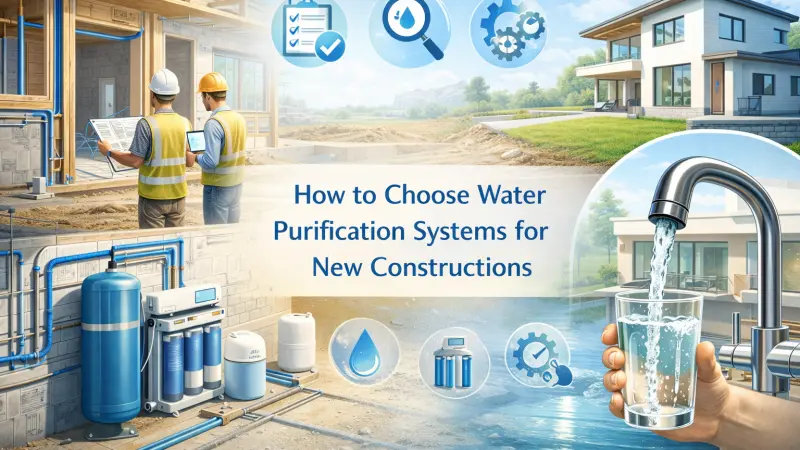
Have you ever considered the complex journey water takes before it reaches the taps of a newly completed residential or commercial building? Selecting the right water purification systems for new constructions is a fundamental step in modern architectural planning that ensures long term health and structural integrity. In the United Kingdom where water hardness levels and mineral content vary significantly from the Scottish Highlands to the South East of England developers must prioritise water quality at the blueprint stage. Incorporating a robust filtration strategy early in the building process prevents costly retrofitting and protects high end plumbing fixtures from the abrasive effects of scale and contaminants.
The Vital Role of Water Treatment in Modern Building Design
Integrating water purification systems for new constructions is no longer a luxury but a technical necessity for modern property developers. As building regulations become more stringent regarding sustainability and efficiency the way we manage our domestic water supply must evolve. A comprehensive purification strategy addresses several key areas including the removal of chlorine byproducts heavy metals and sediment that can accumulate in new pipework. By addressing these concerns during the initial construction phase engineers can ensure that the water delivered to every outlet meets the highest standards of purity and taste.
Furthermore the installation of these systems during the build phase allows for seamless integration into the utility room or plant area. This foresight ensures that the aesthetic of the kitchen and bathrooms remains unblemished by bulky under sink units that might be added later. Designers can plan for adequate drainage power supply and access for maintenance making the system far more efficient than an after-the-fact installation. The focus is on creating a holistic environment where every element of the infrastructure contributes to a superior living experience for the eventual occupants.
Understanding UK Water Quality Profiles
To choose the most effective water purification systems for new constructions one must first understand the specific characteristics of the local water supply. In the United Kingdom water chemistry is largely dictated by the underlying geology of the region. For instance areas with limestone or chalk bedrock such as London and East Anglia typically experience very hard water. This water is rich in calcium and magnesium carbonates which while not harmful to health can be devastating for internal plumbing and appliances.
Conversely regions with igneous rock like parts of Wales and Scotland often have soft water. While this is gentler on pipes it can sometimes be more acidic requiring different types of treatment to prevent pipe corrosion. When planning a new construction project conducting a professional water analysis is the first logical step. This data allows developers to specify equipment that is perfectly calibrated to the local environment ensuring maximum efficiency and a longer lifespan for the purification hardware.
The Impact of Hard Water on New Infrastructure
Hard water is perhaps the most significant challenge for new builds in the UK. When hard water is heated the minerals crystallise to form limescale. This scale builds up inside boilers heat exchangers and solar thermal systems significantly reducing their thermal efficiency. Over time a layer of scale just a few millimetres thick can increase energy consumption by up to twenty five percent. For a new construction aiming for a high energy efficiency rating failing to address water hardness can compromise the entire sustainability profile of the building.
Types of Purification Technologies for New Builds
There are several distinct technologies available when selecting water purification systems for new constructions each serving a unique purpose. The choice often depends on the intended use of the building whether it is a single family home a block of luxury apartments or a commercial office space.
Point of Entry Versus Point of Use Systems
A Point of Entry system is installed where the main water line enters the building. This means every single drop of water used in the property from the garden hose to the shower and the kitchen tap is treated.
This is generally the preferred approach for new constructions as it provides total protection for all plumbing and appliances. Point of Use systems on the other hand are installed at specific locations such as under a kitchen sink. These are often used as secondary measures to provide ultra pure drinking water via reverse osmosis or carbon block filtration.
Ion Exchange Water Softeners
For buildings in hard water areas ion exchange softeners remain the gold standard. These systems replace calcium and magnesium ions with sodium ions effectively eliminating scale formation. In a new build these units can be integrated into the central plumbing manifold. Modern softeners are highly efficient using smart sensors to regenerate only when necessary which minimises salt and water wastage. This is a crucial consideration for developers looking to meet environmental standards while providing a tangible benefit to the homeowner.
Carbon Filtration and Kinetic Degradation Fluxion
Activated carbon filters are exceptional at removing chlorine volatile organic compounds and unpleasant tastes or odours. When combined with Kinetic Degradation Fluxion media these systems can also tackle heavy metals like lead and copper which might be present in older mains infrastructure or leaching from new soldered joints. Incorporating these into a new construction ensures that the drinking water is not only safe but also has a crisp clean taste that rivals bottled water.
Ultraviolet Sterilisation for Private Supplies
In rural areas where a new construction might rely on a private borehole or well UV sterilisation is a mandatory component. These systems use specific wavelengths of light to deactivate bacteria viruses and protozoa without the need for chemicals. For a developer working on a remote site ensuring the microbiological safety of the water is a primary legal and ethical responsibility. UV systems are easy to maintain and provide a chemical free barrier against waterborne pathogens.
Planning the Installation Process
The installation of water purification systems for new constructions should be timed to coincide with the first fix plumbing phase. This is when the main pipe runs are being established but before the walls are closed up. During this stage plumbers can install the necessary bypass valves and pressure reducing valves required for the purification equipment. It is also the ideal time to ensure that there is a dedicated floor drain for backwashing systems and a power outlet for electronic control heads.
Liaising with the design team ensures that the plant room or utility cupboard is sized correctly. Many modern purification systems are modular but they still require space for salt storage or replacement filter cartridges. By designating a specific area for these systems developers can ensure that future maintenance is straightforward and that the equipment is protected from the elements or accidental damage during the final stages of construction.
Environmental and Economic Benefits
Investing in high quality water purification systems for new constructions yields significant long term dividends. From an environmental perspective soft water requires significantly less soap and detergent for cleaning. This reduces the amount of chemicals entering the wastewater system and lessens the environmental footprint of the household. Additionally appliances that run on treated water last significantly longer reducing the frequency of repairs and the amount of electronic waste generated by premature appliance failure.
Economically the benefits are equally compelling. While there is an upfront cost for the equipment and installation the reduction in energy bills and maintenance costs provides a clear return on investment. For commercial developers these systems can be marketed as a premium feature that increases the value of the property. Homeowners are increasingly aware of water quality issues and a pre installed purification system is a highly attractive selling point in a competitive market.
Regulatory Compliance and Standards
In the UK all water fittings must comply with the Water Supply Regulations. This ensures that the systems do not contaminate the public water supply through backflow and that the materials used are safe for contact with drinking water.
When choosing water purification systems for new constructions it is essential to select products that carry the WRAS approval or equivalent certification. This provides peace of mind for the developer and ensures that the building will pass final inspections without issues.
Furthermore the installation should be carried out by a qualified professional who understands the nuances of water pressure and flow rates. A system that is too small for the building will result in pressure drops during peak usage while an oversized system will be inefficient. Proper sizing is a critical part of the engineering process for any new construction project.
Future Proofing the Water Supply
Technology in the water treatment industry is rapidly advancing. Smart water systems now allow homeowners to monitor their water usage and the performance of their purification equipment via smartphone apps. Some systems can even detect leaks and shut off the water supply automatically to prevent flood damage. When designing new constructions incorporating these smart technologies ensures that the building remains modern and functional for decades to come.
Considering the potential for future changes in water quality or regulations is also wise. Installing a system with a modular design allows for easy upgrades if new contaminants become a concern in the future. This level of foresight is what separates high quality construction from standard builds and demonstrates a commitment to the long term welfare of the occupants.
Selecting the Right Partner for Your Project
Choosing the right supplier and installer is just as important as choosing the equipment itself. Developers should look for partners who offer comprehensive support from the initial water analysis through to the final commissioning of the system. A reliable partner will provide detailed technical drawings and performance specifications that can be integrated into the overall building plan. They should also offer ongoing maintenance contracts to ensure that the systems continue to operate at peak efficiency long after the construction is complete.
The Impact on Occupant Health and Wellbeing
Beyond the technical and economic benefits the most important reason to install water purification systems for new constructions is the health of the people who will live and work in the building. High quality water is essential for hydration skin health and overall wellbeing. Removing chlorine and other irritants from shower water can significantly improve skin conditions like eczema and prevent hair from becoming dry and brittle. Providing pure filtered water directly from the tap encourages people to drink more water and reduces the reliance on single use plastic bottles contributing to a healthier and more sustainable lifestyle.
Best Practices for Maintenance and Longevity
Once the water purification systems for new constructions are operational a clear maintenance schedule must be established. This typically involves regular salt top ups for softeners and periodic filter changes for carbon or sediment units. In commercial settings maintenance logs should be kept to ensure compliance with health and safety standards.
Educating the building owners or facility managers on how the system works is a vital part of the handover process. When everyone understands the importance of the purification system it is much more likely to be maintained correctly ensuring years of trouble free service.
Conclusion and Next Steps for Developers
In conclusion the decision to include water purification systems for new constructions is an investment in quality sustainability and health. By addressing water treatment early in the design phase developers can create buildings that are more efficient more durable and more attractive to potential buyers. As we move towards a future where resource management is increasingly critical the role of advanced water treatment in our built environment will only grow in importance.
Enhancing Online Discovery and Industry Connections
Establishing a strong digital presence is essential for professionals in the construction and water treatment sectors who wish to connect with a wider audience. Utilising a free uk directory list for business allows companies to showcase their expertise to local clients and other industry stakeholders. By ensuring your services are visible on a reputable business directory uk free such as Local page UK you can significantly improve your online reach and build valuable relationships within the UK building community. These platforms serve as a vital bridge between high quality service providers and the developers who require their specialized knowledge for the next generation of British architecture.
Frequently Asked Questions
When is the best time to install a water system in a new build?
The ideal time is during the first fix plumbing stage when the main pipework is accessible but before final wall finishes are applied allowing for integrated installation.
Are water softeners necessary in all parts of the UK?
While not mandatory they are highly recommended in hard water areas like the South and Midlands to prevent limescale damage to new appliances and heating systems.
Can I install a purification system myself?
For new constructions it is strongly advised to use a professional installer to ensure compliance with UK water regulations and to guarantee correct system sizing.
How much maintenance do these systems require?
Most modern systems require minimal intervention usually involving annual filter changes or monthly salt additions depending on the specific technology used.
Will a purification system affect water pressure?
If correctly sized and installed a professional grade system will have a
negligible impact on water pressure even during times of high demand.
Is it worth the extra cost to include these in a new build?
Yes the long term savings on energy bills appliance repairs and the added property value far outweigh the initial installation costs.
Disclaimer: The information provided in this article is for general informational and research purposes only. Company details, features, services, and market positions may change over time. Readers are advised to visit official company websites and conduct independent research before making any business decisions or purchasing services.
Most Searchable Keywords
Recent Blogs


Related Listings
Categories
- Accountants (295)
- Advertising Agencies (559)
- Architects (149)
- Automobiles (377)
- Beauty (300)
- Carpenters (146)
- Cleaning Services (387)
- Dentists (189)
- Driving (62)
- Education (1)
- Electricians (215)
- Energy (8)
- Event Organiser (687)
- Finance (602)
- Guide (3482)
- Health (2207)
- Information technology (206)
- Legal Services (361)
- Logistics (6)
- Maintenance (65)
Sponsored Listings in Plumbers

Related Blogs

Ghost Brokers Fake Car Insurance Scam Explain...
Read this insightful article "Ghost Brokers Fake Car Insurance Scam Explained" to expand your knowledge!

UK Baby Names Fastest Rising and Falling Name...
Read this insightful article "UK Baby Names Fastest Rising and Falling Names" to expand your knowledge!

How to Claim for Pothole Damage From Your Cou...
Read this insightful article "How to Claim for Pothole Damage From Your Council" to expand your knowledge!
Questions & Answers – Find What
You Need, Instantly!
How can I update my business listing?
Is it free to manage my business listing?
How long does it take for my updates to reflect?
Why is it important to keep my listing updated?
