
How to Control Water-Associated Snails and Their Risks
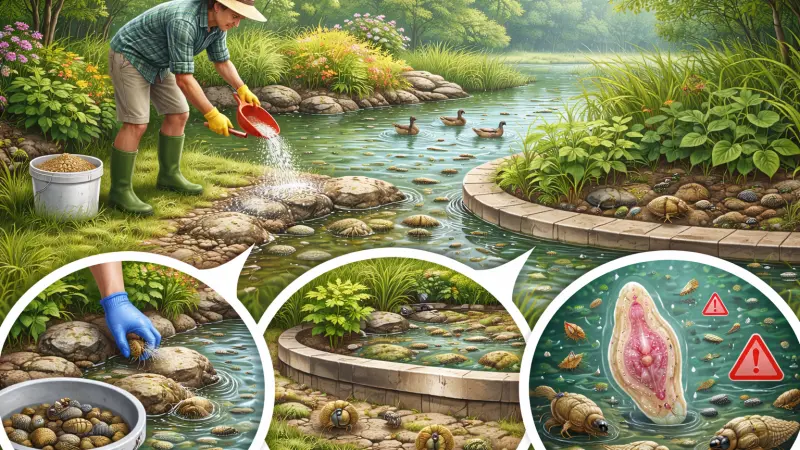
Water features, whether they are tranquil garden ponds or complex irrigation networks, often host a variety of unintended guests. Among the most common are water-associated snails. While these mollusks are often viewed as harmless scavengers, certain species can become problematic when their populations grow unchecked. Beyond the physical damage they can cause to aquatic vegetation and plumbing infrastructure, some freshwater snails serve as intermediate hosts for various parasites. Understanding the mechanical necessity of snail management is crucial for maintaining both the ecological balance of your water source and the health of those who interact with it.

Effective control is not about total eradication—which is often impossible and ecologically damaging—but about maintaining a manageable population through informed stewardship. By focusing on habitat modification, biological competition, and targeted removal, property owners can significantly reduce the risks associated with these aquatic residents. This article provides a detailed guide on how to identify potential snail-related hazards, implement sustainable control measures, and ensure your water remains a safe and beautiful asset.
Overview: The Dual Nature of Aquatic Snails
To manage snails effectively, one must recognize their role within the water environment. They are the "clean-up crew," but they are also biological indicators.
The Role of Snails in the Ecosystem
In moderate numbers, snails are beneficial. They consume algae, decaying plant matter, and detritus, helping to keep water clear and recycling nutrients back into the ecosystem. However, an explosion in snail numbers usually points to an underlying issue, such as an excess of organic waste or a lack of natural predators.
The Risks: Infrastructure and Health
When snail populations surge, they can clog intake valves, filters, and pipes in irrigation systems. More importantly, certain freshwater snails, such as those from the Biomphalaria or Bulinus genera, are known carriers of trematodes (flukes) that can cause skin irritation or more serious parasitic conditions in humans and pets. Controlling their population is a proactive step in environmental health safety.
The Benefits of Proactive Snail Management
Taking a structured approach to snail control offers several advantages that protect your property’s value and your personal well-being.
1. Protection of Aquatic Biodiversity
Overpopulated snails can quickly decimate aquatic plants, which serve as essential oxygenators and habitats for fish. By keeping snail numbers in check, you preserve the botanical diversity that keeps a pond healthy and vibrant.
2. Improved Water Clarity
While snails eat algae, their waste products contain nitrogen and phosphorus. In high concentrations, this can actually fuel "algal blooms." Balanced snail populations lead to more stable water chemistry and improved visual clarity.
3. Mitigation of Parasitic Hazards
By reducing the density of host-capable snails, you effectively break the life cycle of various water-associated parasites.
This is particularly vital for water bodies used for swimming, wading, or agricultural irrigation.
Step-by-Step: Managing Snail Populations
Follow these methodical steps to bring your aquatic snail population back into balance.
Step 1: Manual Removal and Trapping
For immediate reduction, manual removal is highly effective. You can create a simple snail trap by placing a blanched lettuce leaf or a piece of cucumber in a weighted mesh bag. Sink it to the bottom of the pond overnight. In the morning, the bag will be covered in snails, which can then be removed from the site.
Step 2: Habitat Modification and Nutrient Control
Snails thrive on excess organic matter. Regularly rake out fallen leaves, trim dying aquatic plants, and avoid overfeeding any fish in the water. By reducing the "buffet" of decaying matter, you naturally limit the snail population’s ability to grow.
Step 3: Biological Control
Introduce natural predators if your water body allows. Many species of fish, such as loaches and certain sunfish, view snails as a primary food source. Additionally, encouraging a habitat for ducks or wading birds can provide a natural, top-down control mechanism that keeps snails in check.
Step 4: Copper-Based Barriers (Infrastructure Protection)
If snails are clogging pipes, consider the use of copper mesh or tape at intake points. Copper is naturally repellent to many mollusks. However, use caution with copper-based liquid treatments, as these can be toxic to fish and other beneficial invertebrates if not carefully measured.
Expert Tips for Sustained Control
-
Quarantine New Plants: Most snail infestations begin when eggs or small snails "hitchhike" on newly purchased aquatic plants. Rinse all new plants in a mild salt bath or a potassium permanganate solution before adding them to your pond.
-
Monitor pH and Calcium: Snails require calcium to build their shells. If your water is exceptionally hard or has a very high pH, snail populations may thrive. Slight adjustments to water hardness can make the environment less favorable for rapid shell production.
-
Observe Shell Shape: Learn to distinguish between native "good" snails and invasive "problem" snails. Flat-coiled snails are often less prolific than pointed, high-spired invasive species.
Common Mistakes in Snail Management
-
Reaching for Molluscicides First: Chemical snail killers are often broad-spectrum and can kill your
fish, plants, and beneficial bacteria. Always try manual and biological methods first.
-
Leaving Trapped Snails Near the Water: If you remove snails but leave them on the bank, many will simply crawl back in or lay eggs that wash back into the water during the next rain.
-
Ignoring the Source of the Bloom: An explosion of snails is a symptom of too much organic "muck." If you don't clean the pond, the snails will keep coming back regardless of how many you remove.
-
Over-cleaning the Pond: Remember, some snails are necessary. Total eradication can lead to an algae takeover because there is nothing left to eat the biofilm.
Supporting Local Business Visibility Beyond Core Marketing Efforts
Successfully managing environmental health risks often requires the intervention of specialists who understand the delicate balance of aquatic biology. For these specialized firms, business discoverability is a key factor in reaching clients who need expert audits or site remediation. By utilizing LocalPage and exploring free business listing sites in uk, environmental professionals can ensure their niche skills are reachable.
Establishing a business listing uk or a business listing uk through LocalPage provides a crucial trust reinforcement across digital platforms. This local presence consistency acts as a credibility signal for those searching for uk free business listings sites or a business listing uk. Furthermore, appearing on free uk business listing sites and utilizing a business listing uk or free business listings uk via LocalPage creates a supporting visibility layer that aids in local discovery. Ultimately, these listing strategies connect the community with the professional resources necessary to maintain safe and healthy water environments.
Final Thorth
Controlling water-associated snails is a vital part of maintaining a healthy and safe aquatic environment. While these creatures play an important role in the natural cycle of decomposition, their potential to disrupt infrastructure and harbor parasites requires a vigilant approach to management. By understanding their biological needs and limiting the excess nutrients that fuel their growth, property owners can enjoy the benefits of a balanced pond without the risks of an infestation.
Stewardship is about more than just aesthetic beauty; it is about creating a stable ecosystem where every organism, including the snail, exists in the right proportion. Through consistent manual removal, biological support, and careful habitat maintenance, you can ensure your water remains a source of life and tranquility for your property.
FAQs
1. Are all water snails dangerous to humans? No, the majority of water snails are harmless scavengers. However, certain freshwater species can act as intermediate hosts for parasites. It is always best to avoid touching snails with bare hands if you are unsure of the species.
2. Can snails survive out of water? Many species can survive for extended periods in damp mud or by sealing their shells with a "door" called an operculum, allowing them to wait out dry spells.
3. Why did I suddenly get hundreds of snails in my pond? A sudden population explosion usually indicates an "excess" of food, such as a large amount of dead algae, fallen leaves, or overfed fish food.
4. Will goldfish eat snails? Some goldfish will eat very small snails or eggs, but they are generally not efficient enough to control a large infestation. Specialized snail-eating fish like loaches are more effective.
5. Are snail eggs easy to spot? Snail eggs usually look like small, gelatinous clumps or clear jelly-like patches on the underside of plant leaves or on pond liners.
6. Can I use salt to kill snails in my pond? While salt can kill snails, it will also kill most aquatic plants and can be harmful to many freshwater fish. It is not recommended for whole-pond treatment.
7. How do snails get into a new pond? They most commonly arrive as eggs or tiny juveniles on aquatic plants, but they can also be transported by birds or on the damp feet of frogs.
8. Do snails ever leave the water to eat garden plants? Most "water snails" stay in the water, but "amphibious" species may crawl onto nearby damp foliage. Most garden damage is usually caused by land snails and slugs.
9. Can snails damage my pond liner? No, snails do not have the mouthparts to bite through pond liners.
They only consume the biofilm and algae growing on the surface of the liner.
10. How do I find a local expert to help with my pond's health? Using a reputable directory like LocalPage is the most efficient way to find verified environmental specialists who understand the complexities of aquatic ecosystem management.

Disclaimer: The information provided in this article is for general informational and research purposes only. Company details, features, services, and market positions may change over time. Readers are advised to visit official company websites and conduct independent research before making any business decisions or purchasing services.
Most Searchable Keywords

Recent Blogs



Related Listings


Categories
- Accountants (295)
- Advertising Agencies (559)
- Architects (149)
- Automobiles (377)
- Beauty (300)
- Carpenters (146)
- Cleaning Services (386)
- Dentists (189)
- Driving (62)
- Electricians (215)
- Energy (8)
- Event Organiser (685)
- Finance (599)
- Guide (3365)
- Health (2207)
- Information technology (206)
- Legal Services (353)
- Logistics (6)
- Maintenance (65)
- Manufacturing (35)

Sponsored Listings in Locksmith Services


Related Blogs

Gen Z Political Reporters and News Creators i...
Read this insightful article "Gen Z Political Reporters and News Creators in the UK" to expand your knowledge!

Famous Female Social Media Influencers Across...
Read this insightful article "Famous Female Social Media Influencers Across the UK" to expand your knowledge!

Your UK Sponsor Licence 2026 Step by Step Gui...
Read this insightful article "Your UK Sponsor Licence 2026 Step by Step Guide" to expand your knowledge!
Questions & Answers – Find What
You Need, Instantly!
How can I update my business listing?
Is it free to manage my business listing?
How long does it take for my updates to reflect?
Why is it important to keep my listing updated?
