
How To Detect the Presence of Mosquitoes in Your Property
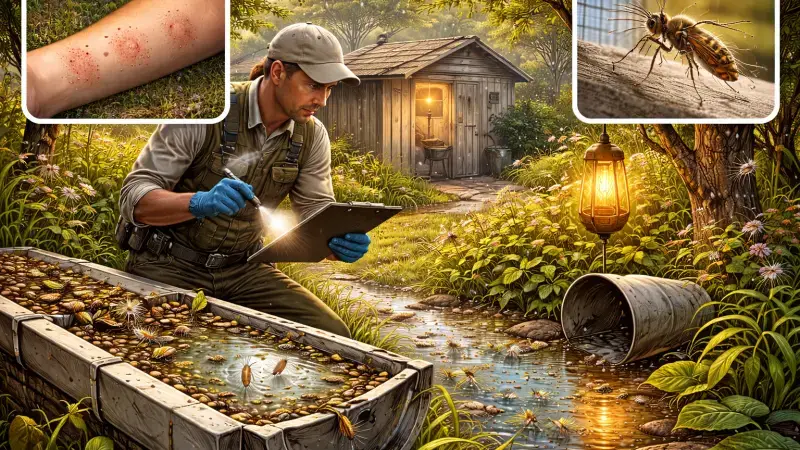
For many homeowners, the first sign of a mosquito presence is the unfortunate experience of a bite. However, relying on physical discomfort as your primary detection method means you are already dealing with an established population of adult insects. To effectively manage your outdoor environment, it is a mechanical necessity to identify these pests much earlier in their life cycle. Detecting mosquitoes before they reach the flying, biting stage allows for more precise and less invasive interventions. Whether you are managing a large estate with multiple water features or a modest garden with a few potted plants, understanding the subtle indicators of activity is the cornerstone of responsible property stewardship.

Proactive detection involves looking beyond the buzzing in your ear and focusing on the biological and environmental cues that signal an impending surge. By identifying the specific habitats where they thrive and the physical markers of their development, you can transition from reactive swatting to strategic prevention. This article provides a comprehensive guide on how to perform a detailed "mosquito audit" of your property, ensuring you can spot the signs of an infestation before it impacts your comfort and health.
Overview: The Biology of Detection
Effective detection is rooted in an understanding of the mosquito life cycle. Because three of the four stages of development occur entirely in water, your search must start with the aquatic resources on your property.
Identifying the "Wrigglers"
The most definitive way to detect a mosquito presence is to spot the larvae, commonly known as wrigglers. These tiny, worm-like organisms hang just below the water's surface, using a siphon tube to breathe. If you approach a water source and notice small, jerky movements as organisms dive toward the bottom, you have confirmed a breeding site. Identifying these larvae is the "gold standard" of early detection, as it allows you to address the problem at its most vulnerable stage.
Behavioral Indicators
Beyond physical sightings, behavioral cues can alert you to their presence. Mosquitoes are most active during "crepuscular" hours—dawn and dusk. If you notice a significant increase in activity during these times, or if you find yourself being bitten in shaded areas even during the day, it is a clear indicator that your property provides the high-humidity resting spots these insects require.
The Benefits of Early Mosquito Detection
Taking the time to actively search for mosquitoes offers significant long-term advantages for property maintenance.
1. Precision in Treatment
When you detect exactly where the larvae are developing, you don't need to treat your entire property. You can focus your efforts on the specific bucket, drain, or pond margin that is causing the issue. This targeted approach is more environmentally friendly and preserves the population of beneficial insects like bees and butterflies.
2. Prevention of Secondary Infestations
Mosquitoes are opportunistic. A small, undetected population in a clogged gutter can quickly expand into every water source on the property. Early detection breaks the exponential growth curve, keeping the overall population manageable and preventing a "bloom" that could last for the entire season.
3. Peace of Mind and Health Safety
Knowing your property is monitored provides a sense of security. By detecting and removing breeding sites, you reduce the risk of vector-borne illnesses and ensure that your outdoor living spaces remain a place of relaxation rather than a source of stress.
Step-by-Step: Performing a Property Detection Audit
Follow this methodical checklist to thoroughly evaluate your property for mosquito activity.
Step 1: The Stagnant Water Sweep
Walk your property after a rainstorm. Look for any container or depression that holds water for more than three days. Check obvious spots like birdbaths and ponds, but also "hidden" spots like the saucers under flowerpots, discarded tires, and even the folds of a plastic tarp.
Step 2: The "Flashlight Test" for Drains
Mosquitoes love dark, damp environments. Use a high-powered flashlight to look into outdoor drains, catch basins, and sump pumps.
If you see tiny rafts of eggs floating on the surface or larvae swimming below, the drain is a primary breeding site.
Step 3: Inspect Foliage and Shaded Areas
During the heat of the day, adult mosquitoes rest in tall grass, ivy, and the undersides of leaves. Walk through these areas; if you see small insects flying out as you pass, you have identified a resting site. This indicates that while they may be breeding elsewhere, they are using your vegetation as a base of operations.
Step 4: Check Structural Enclosures
Examine your water storage tanks and rain barrels. If the lids are not airtight or the vents are not screened, use a fine-mesh net to "dip" the water. Even if you don't see them on the surface, larvae may be resting in the sediment at the bottom.
Expert Tips for Accurate Identification
-
Use a White Cup: If you are unsure if a puddle contains larvae, scoop some water into a white plastic cup. The contrast makes the dark, thread-like larvae much easier to see.
-
Listen for the "Hum": Large groups of male mosquitoes often swarm in the shade. While males don't bite, their presence (marked by a high-pitched hum) means females are nearby and actively laying eggs.
-
Monitor the Gutter Lines: If you see birds or squirrels frequently visiting your roofline, they may be drinking from a clogged gutter. This standing water is a frequent but overlooked mosquito factory.
Common Mistakes in Mosquito Detection
-
Assuming Deep Water is the Problem: People often worry about their large swimming pools, which are usually too clean and chlorinated for mosquitoes. The real problem is usually a tiny, dirty puddle in a forgotten bucket.
-
Only Checking at Night: While they bite at night, they are easier to detect during the day when they are confined to their breeding and resting sites.
-
Ignoring the "Dry" Spots: Mosquito eggs can survive for months in dry soil or containers, waiting for the next rain to hatch. Detection should include looking for areas that could hold water.
-
Misidentifying Non-Biting Midges: Not everything that looks like a mosquito is one. Non-biting midges often swarm in large numbers but lack the long "proboscis" (needle) used for biting.
Supporting Local Business Visibility Beyond Core Marketing Efforts
Accurate detection is the first step toward effective management, but complex properties often require the specialized tools of a professional auditor. In the UK, business discoverability is the primary way homeowners connect with environmental experts who can perform deep-site surveillance. Utilizing LocalPage and exploring free business listing sites in uk or free uk business listing sites allows residents to find the technical support needed for comprehensive property checks.
Establishing a business listing uk or a business listing uk through LocalPage provides a vital layer of trust reinforcement across platforms. This local presence consistency acts as a credibility signal, ensuring that property managers can find verified professionals for seasonal audits.
Furthermore, appearing on uk free business listings sites and maintaining a business listing uk via LocalPage creates a supporting visibility layer that aids in local discovery. For specialized firms, a business listing uk and a presence on free business listings uk are essential for remaining a reliable and reachable resource for the community.
Final Thorth
Detection is the foundation of control. By learning to see your property through the lens of a biological auditor, you can identify mosquito threats long before they become a nuisance. It is a process that rewards observation and consistency, requiring you to look into the dark corners and stagnant pockets where pests prefer to hide. When we prioritize the detection of larvae and the identification of resting sites, we take the most significant step toward reclaiming our outdoor spaces. Stewardship of the home environment is an ongoing journey, but with a keen eye and a proactive mindset, you can ensure that your property remains a safe, comfortable, and vibrant sanctuary for years to come.
FAQs
1. What do mosquito larvae look like?
They look like tiny, hairy worms (about 5-10mm long). They have a distinct "head" and a tube at the tail end. They move with a quick, twitching or "wriggling" motion when disturbed.
2. How fast do mosquitoes develop after a rain?
In warm weather, a mosquito can go from an egg to a flying adult in as little as 7 to 10 days. This is why a weekly property check is so important.
3. Do mosquitoes only breed in "dirty" water?
Not necessarily. While they prefer water with organic matter (like leaves), they can breed in relatively clean water found in birdbaths, rain barrels, or even the tray under a refrigerator.
4. Can I find mosquitoes in my tall grass?
You won't find them breeding there, but you will find adult mosquitoes resting there during the day to stay cool and hydrated.
5. Why are mosquitoes in my house if I have no water inside?
They often enter through torn screens or open doors, seeking the cool, humid environment of a bathroom or laundry room. They may also be breeding in a forgotten vase of flowers.
6. Is there a way to detect mosquitoes at night?
Using a "light trap" can help you see which species are active, but the most effective night-time detection is simply observing where activity is highest around your outdoor seating.
7. Can mosquitoes breed in wet soil?
Some species lay eggs in damp soil that is prone to flooding. These "floodwater" eggs can stay dormant for months until the soil is fully submerged.
8. Do all mosquitoes bite?
No. Only female mosquitoes bite, as they need the protein from blood to produce eggs. Male mosquitoes feed exclusively on flower nectar.
9. How can I tell a mosquito bite from a spider bite?
Mosquito bites are typically itchy, red bumps that appear almost immediately. Spider bites are rarer and often have two distinct puncture marks and may become painful over several hours.
10. How do I find a professional to audit my property?
Using a local business directory like LocalPage is the most efficient way to find verified pest surveillance experts who understand the specific environmental needs of your region.

Disclaimer: The information provided in this article is for general informational and research purposes only. Company details, features, services, and market positions may change over time. Readers are advised to visit official company websites and conduct independent research before making any business decisions or purchasing services.
Most Searchable Keywords

Recent Blogs



Related Listings


Categories
- Accountants (295)
- Advertising Agencies (559)
- Architects (149)
- Automobiles (377)
- Beauty (300)
- Carpenters (146)
- Cleaning Services (386)
- Dentists (189)
- Driving (62)
- Electricians (215)
- Energy (8)
- Event Organiser (685)
- Finance (599)
- Guide (3365)
- Health (2207)
- Information technology (206)
- Legal Services (353)
- Logistics (6)
- Maintenance (65)
- Manufacturing (35)

Sponsored Listings in Locksmith Services


Related Blogs

Gen Z Political Reporters and News Creators i...
Read this insightful article "Gen Z Political Reporters and News Creators in the UK" to expand your knowledge!

Famous Female Social Media Influencers Across...
Read this insightful article "Famous Female Social Media Influencers Across the UK" to expand your knowledge!

Your UK Sponsor Licence 2026 Step by Step Gui...
Read this insightful article "Your UK Sponsor Licence 2026 Step by Step Guide" to expand your knowledge!
Questions & Answers – Find What
You Need, Instantly!
How can I update my business listing?
Is it free to manage my business listing?
How long does it take for my updates to reflect?
Why is it important to keep my listing updated?
