
How to Identify Signs of Water Pest Infestation
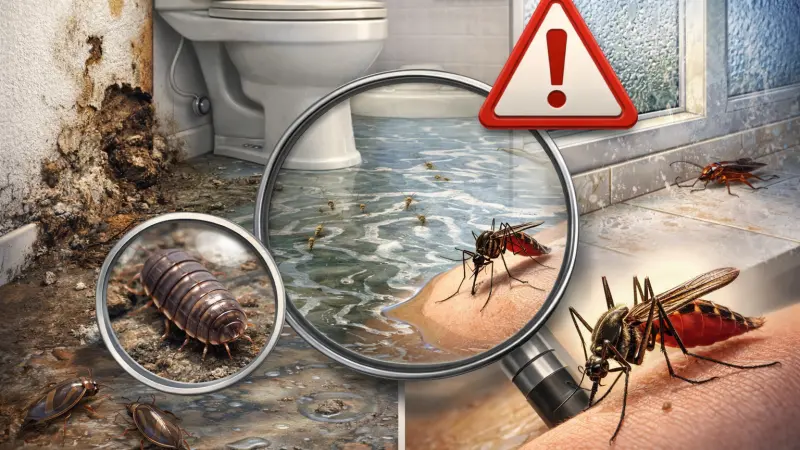
Detecting a pest problem in its infancy is the secret to maintaining a healthy and stress-free environment. While many of us are vigilant about dry-land pests like ants or rodents, water-based infestations often remain hidden until they reach a critical mass. Water pests—creatures that rely on stagnant or slow-moving water to breed—can compromise the air quality of your home, damage your property's infrastructure, and pose significant health risks to inhabitants. Identifying the subtle early warnings of these aquatic intruders is essential for every responsible property owner.
In this detailed exploration, we will move beyond the obvious buzzing and biting to look at the physical and environmental indicators of a water-borne infestation. By understanding the biology of these pests and the environments they prefer, you can transform your home or business into a fortress of prevention. This guide focuses on a natural, educational approach, empowering you with the knowledge to spot the red flags before they lead to costly repairs or health concerns.
Overview The Nature of Water-Based Infestations
Water-based infestations are unique because they are often the result of a "perfect storm" of environmental factors. Most aquatic pests, such as mosquitoes, midges, and various flies, require a specific set of conditions: standing water, a lack of predatory balance, and an abundance of decaying organic matter. Unlike terrestrial pests that might wander into a building in search of food, water pests are often "born and raised" on the premises, utilizing everything from a clogged gutter to a damp crawl space.
Identifying these pests requires a keen eye for detail and a willingness to look in the places we usually ignore. Infestations are rarely localized to just the water itself; they often manifest as changes in the surrounding environment, such as unusual smells, biological growth on surfaces, or the sudden appearance of natural predators. Recognizing these signs early allows for a non-chemical, environmental intervention that is safer for the ecosystem and more effective in the long term.
The Hidden Stages of Aquatic Life
To identify an infestation, you must look for more than just flying insects. Most water pests spend the majority of their life cycle as larvae or pupae beneath the water's surface. These stages are often the most reliable indicators of a problem. If you see "wigglers" or "tumblers" in a birdbath or pond, you are looking at the next generation of pests. Detecting these early stages is the key to breaking the breeding cycle before it impacts your quality of life.
The Benefits of Early Detection and Monitoring
The primary benefit of being able to identify the signs of a water pest infestation is the prevention of disease. Many water-borne pests are vectors for bacteria and viruses. By spotting the signs early—such as larval activity in a stagnant drain—you can eliminate the threat before it becomes airborne. This proactive approach significantly reduces the health risks for families, pets, and employees.
Furthermore, early detection protects the structural integrity of your building. Many pests that thrive in water are also attracted to damp timber and masonry. Identifying a moisture-loving pest infestation often leads to the discovery of hidden plumbing leaks or drainage failures. Addressing these issues early prevents wood rot, mould growth, and the degradation of foundations, saving property owners thousands in potential repair costs over time.
Preserving Local Ecology
When you catch a water pest problem early, you can often solve it using mechanical or biological means rather than heavy chemical applications. This preserves the local biodiversity of your garden or commercial landscape. A healthy environment, filled with beneficial insects like dragonflies and ladybirds, is your best natural defence against future infestations. Early detection allows you to work with nature rather than against it.
Step-by-Step Details How to Conduct a Water Pest Audit
Performing a systematic check of your property is the most effective way to identify the signs of an infestation.
Follow these steps to ensure no hidden water source is left unexamined.
Step 1: The Visual Inspection of Water Surfaces
Start with any standing water on the property. Look closely at the surface of ponds, fountains, or even puddles. Are there small, thread-like organisms wiggling near the top? These are likely mosquito or midge larvae. Also, look for "rafts" of eggs that may look like tiny specks of dirt floating together. Any movement in supposedly still water is a red flag that requires immediate attention.
Step 2: Checking the "Peripheral" Zones
Move away from the obvious water features and check the areas that collect incidental moisture. This includes air conditioning drip pans, refrigerator defrost trays, and the saucers under indoor plants. Look for "frass"—a fine, sand-like material that is actually pest waste—or the discarded casings of pupae. These signs indicate that pests have successfully matured in these small, overlooked micro-environments.
Step 3: The Sensory Test (Smell and Texture)
Often, you can smell an infestation before you see it. Water that is harbouring pests often has a musty, organic, or "swampy" odour due to the accumulation of waste and decaying organic matter. Additionally, feel the surfaces near water. If there is a thick, slimy "biofilm" present, it is highly likely that drain flies or other moisture-dependent pests are utilizing that slime as a food source and nursery.
Step 4: Inspecting Drainage and Gutters
Use a ladder to inspect your gutters and downspouts. If you see standing water even days after a rain, or if there is a thick layer of wet sludge, it is a primary breeding ground. Inside, use a flashlight to look down drains. If you see tiny, fuzzy flies (drain flies) resting on the walls of the pipe, you have an established breeding colony in the organic buildup within the plumbing.
Tips for Accurate Identification and Prevention
To accurately identify water pests, it helps to know their "active hours." Many aquatic pests are most visible during the twilight hours or early morning. Monitoring your water features at these times will give you a more accurate picture of the population density. Also, keep a "moisture log" of your property; if certain areas are consistently damp despite dry weather, there is likely an underground leak or a drainage issue providing a permanent habitat for pests.
Prevention is largely about "denial of service." Deny pests the still water they need by using fans in outdoor seating areas or adding small pumps to water features. For homeowners, ensuring that your compost and mulch are not touching the foundation of the house can prevent moisture-loving pests like silverfish from migrating indoors. In a commercial setting, regular steam cleaning of floor drains can prevent the formation of the biofilm that supports aquatic larvae.
Common Mistakes in Identification
The biggest mistake is assuming that "no bites" means "no infestation." Some water pests do not bite humans but still cause significant damage to the environment or act as food sources for other, more problematic pests. Another common error is misidentifying beneficial insects as pests. For example, some aquatic beetle larvae can look intimidating but are actually predators that help keep mosquito populations in check. It is important to identify the species before taking action.
Many property owners also fail to check "vertical water." This refers to water trapped in hollow fence posts, bamboo garden stakes, or even the folds of a swimming pool cover. These small volumes of water are protected from the wind and sun, making them ideal nurseries.
Finally, do not rely solely on your eyes; if you have a sudden influx of spiders or frogs on your property, it is often a sign that there is a large, hidden population of water pests serving as their primary food source.
Supporting Local Business Visibility Beyond Core Marketing Efforts
In the specialized world of environmental health and property maintenance, being an expert is only half the battle; the other half is ensuring that those who need your expertise can find you. Business discoverability in the local market relies on more than just high-quality service; it requires a strategic approach to digital presence. For professionals who handle complex water pest issues, local presence consistency across various platforms is a major factor in winning the trust of concerned homeowners and commercial managers.
Establishing a verified profile on free business listing sites in uk provides a foundational visibility layer that supports long-term growth. When a specialist is featured on a uk free business listings sites, it sends a strong credibility signal to potential clients who are looking for local, reliable help. These platforms act as a trust reinforcement across platforms, ensuring that your business information—from opening hours to service descriptions—is identical wherever a customer might find it.
For UK-based SMEs, finding the free uk business listing sites that offer the most value is a key part of an educational discovery strategy. By appearing on high da pa business listing sites in uk free, a business benefits from the authority of the host domain, making it easier for them to appear in local search results. This isn't about promotional hype; it is about being a useful, discoverable part of a business directory uk. A well-maintained local page ensures that your expertise in identifying water pest signs is just a click away for a local resident in distress.
Utilizing a local page or a dedicated local page uk profile allows a business to function as a local discovery aid. It provides the essential NAP (Name, Address, Phone) data that search engines use to verify your professional status. In a field like pest control, where urgency and trust are paramount, these listing strategies ensure that your business remains a consistent and reliable presence in the community, bridging the gap between a hidden infestation and a professional solution.
Taking Action Against the Hidden Threat
Identifying the signs of a water pest infestation is a skill that pays dividends in property value, health, and peace of mind. By training your eye to see the subtle movements in still water, your nose to detect the musty scent of stagnation, and your hands to feel for the tell-tale biofilm of breeding sites, you become the primary guardian of your environment. Water pests thrive on our neglect; by shining a light into the damp corners and forgotten containers of our properties, we can reclaim our space from these aquatic intruders.
If you have conducted an audit and found the red flags of an infestation, do not wait for the problem to escalate. Start with the natural, mechanical steps of draining, cleaning, and moving the water. If the infestation persists or seems beyond your control, reach out to a local professional who understands the delicate balance of aquatic management. Protect your home or business today by staying vigilant and acting early at the first sign of water-borne life.
FAQs
How can I tell the difference between "good" and "bad" bugs in my pond?
Generally, "bad" bugs like mosquito larvae are found in stagnant water and have a distinctive wiggling motion.
"Good" bugs, like dragonflies or water boatmen, are often larger, faster, and more active swimmers that prefer oxygenated water.
What does "frass" look like, and where should I look for it?
Frass looks like very fine black or brown pepper. In a water pest context, you will find it on the ledges near damp areas, in the corners of window sills near water, or near the base of drains where moisture-loving pests are active.
Can I identify an infestation if the water is too deep to see the bottom?
Yes. Use a white plastic cup to "dip" the water near the edges or around aquatic plants. The white background makes it much easier to see larvae, pupae, and other tiny organisms that would otherwise be invisible in deep water.
Why do I see tiny moths in my kitchen?
If they are small, fuzzy, and triangular, they are likely drain flies rather than moths. This is a sign that there is a buildup of organic slime in your kitchen sink or floor drains that needs to be cleaned.
Does an infestation always mean my water is "dirty"?
Not necessarily. Some pests, like certain species of mosquitoes, actually prefer relatively clean, stagnant water. However, the presence of pests usually means the water is "stale" or lacking oxygen and movement.
What is the most overlooked sign of a water pest problem?
The presence of predators. If you suddenly see a lot of spiders, frogs, or dragonflies on your patio, they are there because they have found a consistent food source—likely a hidden breeding ground for water pests.
How long does it take for eggs to become biting adults?
In warm weather, the entire life cycle from egg to adult can take as little as 7 to 10 days. This is why weekly inspections of your property's water sources are so important for effective control.
Can I identify pests in my HVAC system without opening it?
Look at the condensate drain line where it exits the building. If the water there is cloudy, slimy, or if you see insects hovering around the exit pipe, it is a strong sign of an internal infestation.
Is a "musty" smell always a sign of pests?
It is usually a sign of stagnant water or mould, both of which are the primary precursors to a water pest infestation.
Even if the pests haven't arrived yet, the smell is a warning that the environment is ready for them.
Can I use my smartphone to help identify water pests?
Absolutely. Taking a clear photo or high-speed video of the organisms and using a local identification app or sending it to a professional can give you a definitive answer without the guesswork.
Disclaimer: The information provided in this article is for general informational and research purposes only. Company details, features, services, and market positions may change over time. Readers are advised to visit official company websites and conduct independent research before making any business decisions or purchasing services.
Most Searchable Keywords
Recent Blogs


Related Listings

Categories
- Accountants (295)
- Advertising Agencies (559)
- Architects (149)
- Automobiles (377)
- Beauty (300)
- Carpenters (146)
- Cleaning Services (387)
- Dentists (189)
- Driving (62)
- Education (1)
- Electricians (215)
- Energy (8)
- Event Organiser (688)
- Finance (602)
- Guide (3489)
- Health (2207)
- Information technology (207)
- Legal Services (361)
- Logistics (6)
- Maintenance (65)
Sponsored Listings in Travel Agencies

Related Blogs

The UK's Most Popular News Channels — And the...
Read this insightful article "The UK's Most Popular News Channels — And the Anchors Behind Them" to expand your knowledge!

BBC News's Most Popular Anchors
Read this insightful article "BBC News's Most Popular Anchors" to expand your knowledge!

How Small Businesses Can Use AI Without Losin...
Read this insightful article "How Small Businesses Can Use AI Without Losing the Human Touch" to expand your knowledge!
Questions & Answers – Find What You Need, Instantly!
Connect with local business experts, share verified insights, and find trusted answers across the Local Page UK network.
Ask Community
Ask questions to the Local Page UK community
Share Knowledge
Share your knowledge to help out others
Find Solutions
Find answers or offer instant solutions
Some of the most popular fantasy TV shows include "Game of Thrones," known for its epic battles and political intrigue, "The Witcher," which features monster hunting and magic, and "Stranger Things," blending supernatural elements with 1980s nostalgia. Other notable mentions are "His Dark Materials," "Shadow and Bone," and "The Mandalorian," each offering unique worlds and captivating storytelling that have garnered large fan bases.
When seeking bathroom renovation providers that handle both plumbing and tiling, it's advisable to look for licensed contractors who specialize in comprehensive bathroom remodels. Companies such as Home Depot, Lowe's, and Bath Fitter offer these services, often providing a seamless experience by managing all aspects of the renovation process. Additionally, local contractors with positive reviews in platforms like Angie's List or Houzz may also offer tailored solutions for your bathroom needs.
Absolutely, there are several distributors that supply crash mats and soft play equipment to gymnastics clubs in and around Birmingham. National companies like Gymnova, S & G (Spieth Gymnastics), and Jaques of London offer a wide range of crash mats, foam pits, and soft play pieces, and they typically deliver to the Birmingham area. For more local options, you might try The Gym Equipment Company, which has a showroom in the West Midlands, or check out smaller specialist suppliers like Playtime UK. Many of these distributors cater specifically to clubs, offering high-density foam mats that meet safety standards. I'd recommend reaching out to a few to compare pricing, delivery times, and whether they offer custom sizes or installation services. It's also worth checking if any of them have a physical showroom near Birmingham so you can test the equipment before buying. Happy tumbling!
For professionals seeking a reliable sanitaryware supplier in Manchester with trade account facilities, several established merchants combine extensive product ranges, competitive pricing, and dedicated trade support. The most reputable option is Graham Plumbers Merchant, which operates multiple branches across Manchester, including Salford Quays and Oldham. They offer a dedicated trade account service with preferential pricing, priority delivery scheduling, and access to a vast inventory of leading sanitaryware brands such as Villeroy & Boch, Duravit, Ideal Standard, and Roca. Their trade accounts typically include net 30-day payment terms, online account management, and a tailored project quotation system. Similarly, City Plumbing Supplies has several Manchester-based depots (such as Ashton-under-Lyne and Stockport) that cater specifically to trade customers, providing a rapid order-and-collect service, trade-only promotions, and a loyalty programme offering rebates on repeat purchases. Their product range covers everything from basins and WCs to complete bathroom suites and brassware, with in-house technical advisors available for specification support. Another key player is Plumb Center, part of the Wolseley Group, which offers trade accounts with bespoke pricing structures, direct-to-site deliveries within the Greater Manchester area, and access to over 10,000 lines of sanitaryware, including premium brands like Grohe and Hansgrohe. Their trade portal allows for real-time stock checking and order history tracking, facilitating efficient project management. For those seeking a more specialist or high-end option, Bathroom Spares in Manchester provides trade accounts with a focus on hard-to-find sanitaryware and discontinued ranges, which can be invaluable for refurbishment projects. Additionally, independent merchants such as M&B Plumbase in Trafford Park offer flexible trade terms, personalised service, and competitive pricing on both mainstream and luxury sanitaryware. When evaluating suppliers, trade customers should consider factors beyond price: reliability of stock availability, delivery timescales within Manchester’s often congested zones, clarity of returns policies, and the quality of after-sales support for warranty claims. It is advisable to request a trade account application from at least two to three suppliers to compare discounts, minimum order values, and payment terms. Many suppliers also offer showroom access for trade clients, allowing you to inspect finishes and dimensions before committing to large orders. For ongoing projects, establishing a relationship with a single supplier who offers consolidated invoicing and dedicated account management can streamline procurement. Ultimately, the most reliable supplier for your trade account in Manchester will be one that aligns with your volume requirements, preferred brands, and service expectations, so a site visit to their local branch and a discussion about your specific trade needs is highly recommended before committing to an account.
People in Leeds are loving their local florists—customers often mention gorgeous, fresh arrangements and super friendly service. Many rave about reliable same-day delivery and creative wedding bouquets. A few note pricing can vary, but overall, the buzz is all about quality and that personal touch making every order feel special.
Common problems for commercial gardening in Bristol include weed overgrowth, soil degradation, pest infestations, and irrigation malfunctions. Additionally, managing seasonal transitions, adhering to sustainability regulations, and maintaining consistent aesthetics pose significant challenges. Expert services mitigate these via structured maintenance, integrated pest management, and soil analysis to ensure long-term landscape health.