
How to Find Cleaning Services for Healthcare Settings
- 👤 Alex
- 👁️ 50 Views
- Last Updated: April 11, 2026
- 🏷️ Cleaning Services
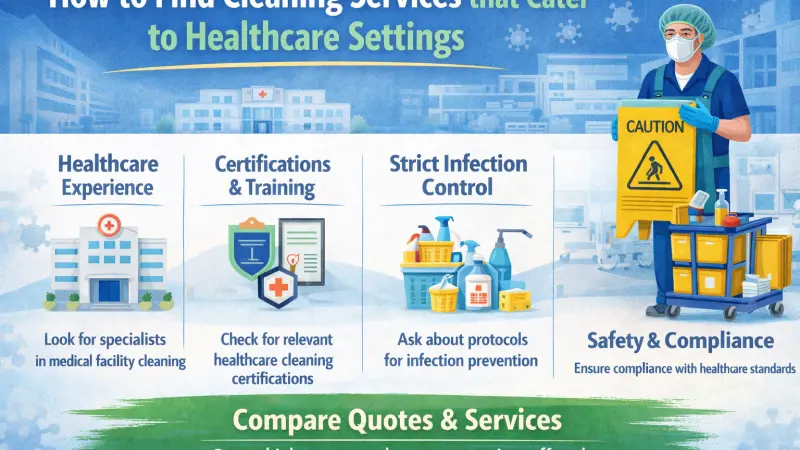
Maintaining cleanliness in a healthcare environment is not merely a matter of aesthetics; it is a fundamental pillar of patient safety and clinical outcomes. Whether it is a small dental practice, a bustling outpatient clinic, or a large-scale hospital, the stakes of sanitation are exceptionally high. In these settings, the "clean" we see with the naked eye is only the beginning. True clinical cleanliness involves the elimination of pathogens, the prevention of Healthcare-Associated Infections (HAIs), and strict adherence to local health regulations.

Finding a cleaning partner that understands these nuances requires a shift in perspective. You are not just hiring a janitorial service; you are selecting a critical member of your infection control team. This guide provides an in-depth exploration of how to identify, vet, and collaborate with specialized cleaning services that possess the technical expertise and ethical commitment required to operate in the medical field.
The Critical Distinction: Janitorial vs. Clinical Sanitation
Before beginning your search, it is vital to understand that "office cleaning" and "healthcare cleaning" are two entirely different disciplines. While a standard janitorial service focuses on organization and surface appearance, a healthcare-specialized service focuses on microbiology and risk mitigation.
The Science of Bio-Burden Reduction
In a standard commercial building, dust is an allergen. In a healthcare facility, dust is a transport mechanism for pathogens. Specialized cleaning services are trained in bio-burden reduction—the process of reducing the number of microorganisms on a surface. This requires an understanding of the chain of infection and how to break it through chemical and mechanical means.
Dwell Time and Chemical Efficacy
One of the most common failures in non-specialized cleaning is the ignoring of "dwell time." Every hospital-grade disinfectant has a specific duration it must remain wet on a surface to kill specific pathogens like MRSA, C. diff, or Norovirus. A specialized provider trains their staff to wait the necessary three to ten minutes before wiping, ensuring the chemical actually performs its intended function.
Defining the Different Zones of Healthcare Cleaning
Not all areas of a medical facility require the same level of intensity. A sophisticated cleaning provider will help you categorize your facility into zones to optimize safety and cost-effectiveness.
Critical Zones: High-Risk Environments
These include operating theaters, sterile processing departments, and intensive care units. Cleaning here is governed by strict surgical-grade protocols. The goal is near-sterility. Technicians in these areas must wear full PPE and follow a "top-to-bottom, back-to-front" cleaning path to ensure no contaminants are dragged into sterile fields.
Semi-Critical Zones: Patient Contact Areas
Exam rooms, laboratories, and dialysis stations fall into this category. These areas require frequent disinfection between every patient visit. The focus here is on high-touch surfaces: exam tables, blood pressure cuffs, sink handles, and door pulls.
Non-Critical Zones: Public and Administrative Spaces
Waiting rooms, corridors, and administrative offices are the first things patients see. While the risk of infection transmission is lower here than in an OR, these areas carry the highest volume of foot traffic. They require constant maintenance to prevent the tracking of outdoor contaminants into the clinical zones.
Essential Qualifications for Healthcare Cleaning Partners
When vetting a company, you must move beyond their marketing brochures and look at their operational DNA. Here are the non-negotiables:
1. Specialized Training and Certification
Does the provider have a formal training program for Bloodborne Pathogen (BBP) standards? Are their employees educated on the Hazard Communication Standard (HazCom)? You should look for certifications from recognized bodies such as the Association for the Healthcare Environment (AHE) or specific ISO standards related to cleaning services.
2. Advanced Disinfection Technology
Modern healthcare cleaning has evolved past the mop and bucket. Inquire about their use of:
-
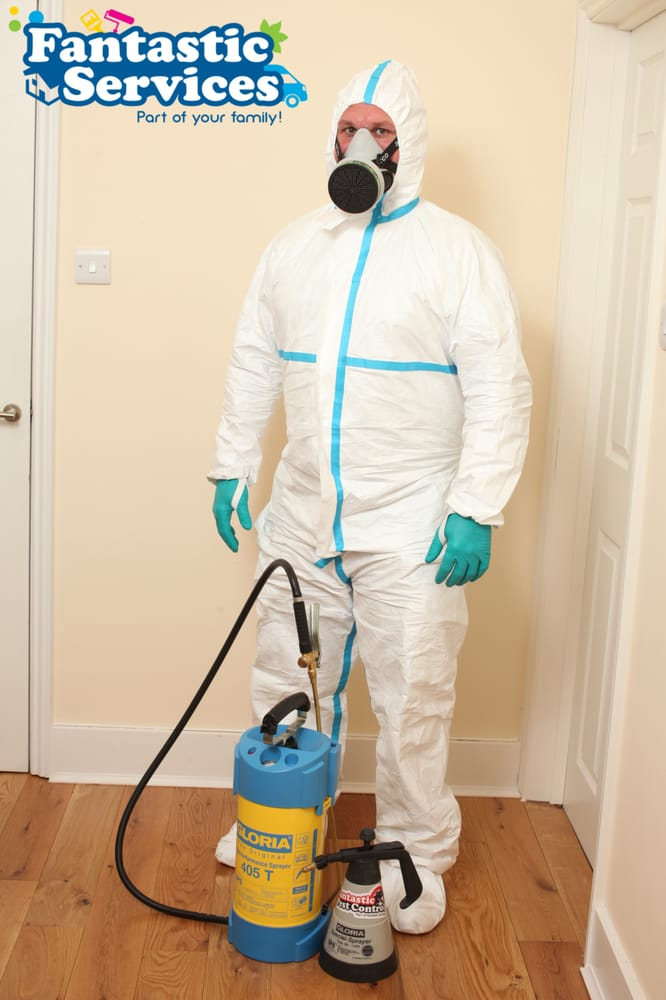
Electrostatic Sprayers: These devices add an electric charge to disinfectant droplets, allowing them to wrap around curved surfaces and reach the undersides of equipment.
-
UV-C Disinfection: Ultraviolet light can reach areas that liquid chemicals might miss, providing a "no-touch" secondary layer of safety.
-
HEPA-Filtered Vacuums: Standard vacuums can blow fine particulates and pathogens back into the air. HEPA filtration ensures that air exhausted from the vacuum is cleaner than the air taken in.
3. Color-Coded Microfiber Systems
To prevent cross-contamination, a world-class cleaning service utilizes a color-coded system. For example:
-
Red: Restrooms only.
-
Yellow: Infectious isolation rooms.
-
Blue: General dusting and administrative areas.
-
Green: Food preparation or break areas. This visual system ensures that a cloth used to clean a toilet is never, under any circumstances, used to wipe down a nurse’s station.
Step-by-Step Selection Process
Step 1: Internal Needs Assessment
Document your facility’s specific challenges. Do you have high turnover in your exam rooms? Do you handle pediatric patients who are more likely to touch floor surfaces? Understanding your specific "pathogen profile" helps you communicate expectations clearly.
Step 2: Requesting a Comprehensive Proposal
A generic quote is a red flag. A proper healthcare cleaning proposal should include:
-
A detailed Scope of Work (SOW) by zone.
-
A list of EPA-registered disinfectants they intend to use.
-
A description of their staff training and background check process.
-
Their emergency response plan for spills or outbreaks.
Step 3: Site Walkthrough and Technical Audit
Invite the potential partner to walk your facility. Watch where they look. Do they notice the dust on the tops of the privacy curtain tracks? Do they check the wheels of the rolling carts? A provider who notices the "invisible" spots during a walkthrough is likely to clean them during the contract.
Step 4: Verification of Audit Support
In healthcare, if it isn’t documented, it didn’t happen. Ensure your cleaning partner provides digital logs or "Service Validation" reports. These are essential when the CQC or other regulatory bodies perform inspections. You need to be able to show exactly when a room was last disinfected and by whom.
The Role of Technology in Validating Cleanliness
We are moving away from the era where "it looks clean" is a sufficient metric. Today, data drives the cleaning industry.
ATP Testing: The Gold Standard
Adenosine Triphosphate (ATP) is a molecule found in all living cells. By using a swab and a luminometer, cleaners can get a numerical reading of the biological matter on a surface within seconds. A specialized healthcare cleaner will use ATP testing to perform random audits of their own work, ensuring that their disinfection protocols are actually working.
Real-Time Reporting Apps
Many top-tier firms now use GPS-enabled apps that allow cleaners to "check in" to specific rooms. They can upload photos of completed tasks, ensuring total transparency and allowing facility managers to monitor progress from their own desks.
Environmental Sustainability in Clinical Settings
There is a common misconception that "green" cleaning isn't strong enough for a hospital. This is no longer true.
Many bio-based disinfectants are now EPA-certified to kill the toughest pathogens while being safer for the environment and the people in the building.
VOC Reduction
Volatile Organic Compounds (VOCs) found in traditional cleaners can trigger asthma or respiratory distress in sensitive patients. Finding a provider that balances high-level disinfection with low-VOC products is essential for maintaining "Healthy Building" standards.
Water and Waste Management
Industrial-grade floor scrubbers now use significantly less water than older models. Additionally, using laundered microfiber rather than disposable wipes reduces the facility’s contribution to landfills, aligning your cleaning protocols with your organization’s ESG (Environmental, Social, and Governance) goals.
Common Mistakes When Hiring Medical Cleaners
-
Failing to Check Medical-Specific References: A company may have a great reputation for cleaning schools, but a school is not an oncology clinic. Always ask for references from similar healthcare facilities.
-
Ignoring Staff Turnover Rates: High turnover in a cleaning crew means constant retraining, which leads to dropped standards. Look for companies that pay a living wage and invest in their staff, as this leads to a more consistent and reliable service.
-
Lack of a Bloodborne Pathogen Protocol: If a cleaner is not trained in how to safely dispose of sharps or handle blood spills, they are a liability to themselves and your facility.
-
Vague Contract Terms: Ensure the contract specifies the frequency of "deep cleans" versus "maintenance cleans."
Supporting Local Business Visibility Beyond Core Marketing Efforts
Finding a reliable cleaning partner involves more than just a quick search; it requires a look into how a company maintains its professional presence within the community. For healthcare administrators, checking a Local Page UK can be a vital first step in verifying that a service provider is truly established in the area. This type of directory marketing uk helps ensure that the business has a verifiable physical footprint, which is essential for accountability in medical settings.
A company's commitment to advertise company uk directory listings often reflects their organizational health and transparency. Furthermore, looking for company ratings uk on a reputable free business database directory provides an extra layer of trust. These listings act as a credibility signal, allowing facility managers to see how others in the community perceive the provider's reliability and professional standards.
Cleaning Service
The search for a cleaning service that caters to healthcare settings is one of the most important administrative decisions a medical facility manager will make. It is an exercise in risk management, patient advocacy, and operational excellence. By focusing on specialized training, high-level technology, and a proven track record of clinical success, you can build a partnership that does more than just shine floors—it saves lives.
Take the time to audit your needs, engage in deep technical conversations with potential providers, and look for those who demonstrate a transparent and professional local presence. When you find the right partner, cleanliness becomes a silent but powerful ally in your mission to provide the highest quality of care. Don't settle for "visibly clean" when your patients deserve "clinically safe." Start your search with a focus on expertise and accountability, and you will ensure your facility remains a sanctuary for healing.
FAQs
1. What is the difference between sanitizing and disinfecting in a clinic?
Sanitizing reduces bacteria on surfaces to levels considered safe by public health codes. Disinfecting involves the use of chemicals to kill nearly
100% of the germs, viruses, and fungi listed on the product’s label. Clinics require disinfection for all patient-contact surfaces.
2. How often should a medical waiting room be cleaned?
While a deep clean should happen daily, high-touch points like door handles, check-in kiosks, and chair arms should be disinfected every 2–4 hours during peak times to prevent the spread of seasonal viruses.
3. What is "Dwell Time" and why does it matter?
Dwell time is the amount of time a disinfectant must remain wet on a surface to be effective. If a cleaner sprays and immediately wipes, they may not be killing the pathogens. Most medical-grade cleaners require 3 to 10 minutes of dwell time.
4. Should healthcare cleaners be vaccinated?
Yes. To protect patients and the cleaners themselves, most facilities require cleaning staff to have up-to-date vaccinations for Influenza, Hepatitis B, and other communicable diseases.
5. How do specialized cleaners handle medical waste?
Specialized cleaners are trained in OSHA or local equivalent protocols for "Red Bag" waste. They understand the difference between general waste and biohazardous waste, ensuring that needles and contaminated materials are never placed in general trash bins.
6. Can we use "green" cleaning products in a surgical setting?
Yes, provided the products are EPA-registered hospital-grade disinfectants. Many hydrogen-peroxide-based cleaners are both eco-friendly and highly effective against a broad spectrum of pathogens.
7. What is a "Terminal Clean"?
A terminal clean is an intensive disinfection of a room following the discharge of a patient. It involves cleaning everything from the ceiling vents to the bed frames and floor, ensuring the room is safe for the next occupant.
8. How do I verify if a cleaning company is actually performing?
In addition to visual inspections, you should ask for ATP testing reports and digital logs that track the time and duration of each cleaning session.
9. What should I look for in a cleaning company's insurance policy?
Ensure they have comprehensive general liability and specifically ask if they have coverage for "Pollution/Contamination," which can be relevant in cases of chemical accidents or infectious outbreaks.
10. How does proper cleaning affect my facility's bottom line?
Proper cleaning reduces the rate of HAIs, which can lead to shorter patient stays and fewer insurance penalties. It also preserves expensive medical equipment and improves staff retention by providing a safe work environment.

Disclaimer: The information provided in this article is for general informational and research purposes only. Company details, features, services, and market positions may change over time. Readers are advised to visit official company websites and conduct independent research before making any business decisions or purchasing services.
Most Searchable Keywords

Recent Blogs



Related Listings
-

Platinum Exterior Cleaning
-
End of Tenancy Cleaning Agency
-
Royal Cleaning
-
FastKlean
-
Fantastic Services


Categories
- Accountants (295)
- Advertising Agencies (559)
- Architects (149)
- Automobiles (376)
- Beauty (300)
- Carpenters (146)
- Cleaning Services (386)
- Dentists (189)
- Driving (61)
- Electricians (215)
- Energy (8)
- Event Organiser (684)
- Finance (598)
- Guide (3363)
- Health (2205)
- Information technology (206)
- Legal Services (352)
- Logistics (6)
- Maintenance (65)
- Manufacturing (35)

Sponsored Listings in Cleaning Services

Related Blogs

Bristol Firework Displays Every Local Should...
Read this insightful article "Bristol Firework Displays Every Local Should Experience" to expand your knowledge!
Self Assessment Registration 2026 Common Erro...
Read this insightful article "Self Assessment Registration 2026 Common Errors and Rules" to expand your knowledge!
Calculate Your 2026 Employer National Insuran...
Read this insightful article "Calculate Your 2026 Employer National Insurance Bill Easily" to expand your knowledge!
Questions & Answers – Find What
You Need, Instantly!
How can I update my business listing?
Is it free to manage my business listing?
How long does it take for my updates to reflect?
Why is it important to keep my listing updated?
