
How to Find Cleaning Services Offering COVID-19 Protocols
- 👤 Alex
- 👁️ 43 Views
- Last Updated: April 13, 2026
- 🏷️ Cleaning Services
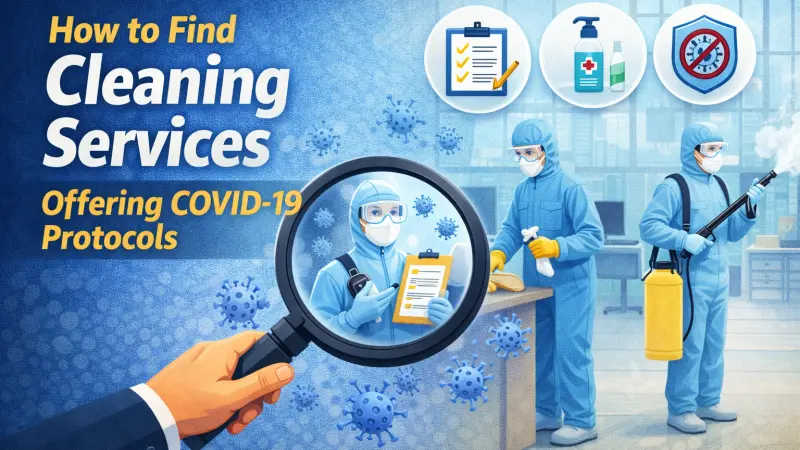
In the years following the global pandemic, the definition of "clean" has undergone a radical transformation. For UK households and businesses, it is no longer enough for a surface to simply look tidy or smell fresh; there is now a fundamental requirement for environments to be biologically safe. While the acute crisis has shifted, the demand for cleaning services that adhere to rigorous COVID-19 and antiviral protocols remains high, particularly for vulnerable individuals, high-traffic offices, and those who prioritize long-term health and hygiene.

Finding a cleaning provider that truly understands and implements these protocols—rather than simply using it as a marketing buzzword—requires a discerning eye. This guide provides a deep dive into the technical standards of antiviral cleaning, the vetting process for safe providers, and the practical steps you can take to ensure your space is treated with the highest level of care.
Overview: The Evolution of Sanitisation Standards
Before the pandemic, domestic cleaning in the UK primarily focused on "visual" cleanliness—removing dust, grease, and clutter. COVID-19 introduced the general public to the science of microbiology and the importance of "log reductions" in bacteria and viruses.
A professional service offering COVID-19 protocols should operate based on the principles of Infection Control. This involves using virucidal disinfectants that meet specific European Standards (such as EN 14476), employing correct "dwell times," and utilizing personal protective equipment (PPE) to prevent cross-contamination. In this landscape, the cleaner acts less like a housekeeper and more like a technician trained in environmental health.
The Benefits of Hiring Services with Strict Antiviral Protocols
1. Risk Mitigation
The primary benefit is the significant reduction in the viral load on high-touch surfaces. Professionally trained cleaners target "hotspots" such as door handles, light switches, and shared electronics using chemicals specifically designed to break down the lipid envelope of viruses.
2. Specialized Chemistry
Generic supermarket cleaners often lack the residual efficacy required for long-term sanitisation. Professional services use hospital-grade disinfectants that are often non-toxic once dry but incredibly potent against pathogens during application.
3. Peace of Mind for Vulnerable Residents
For multi-generational households or homes with immunocompromised individuals, knowing that a service follows strict PPE and social distancing protocols provides an essential layer of psychological comfort and physical safety.
Step-by-Step Guide to Finding a Safe Provider
Step 1: Evaluating Technical Credentials
When searching for a provider, look for specific mentions of chemical standards. A legitimate safe-cleaning service should be able to confirm that their products meet EN 14476 standards. This certification proves the product is effective against enveloped viruses like SARS-CoV-2.
Step 2: Assessing Staff Training
Infection control is only effective if the person performing the task is trained. Ask potential providers:
-
"What specific antiviral training have your technicians received?"
-
"Do you follow the British Institute of Cleaning Science (BICSc) guidelines for sanitisation?"
Step 3: Verifying PPE and Cross-Contamination Policies
A safe service will have a clear policy on PPE. Technicians should use fresh gloves for every room (or follow a strict sanitisation routine for reusable gear) and utilize colour-coded cloths to ensure that the bathroom cloth never touches a kitchen surface.
Step 4: The Consultation Process
Ask for a "Safe Work Method Statement" (SWMS). This document should outline how they enter the property, how they move through the space, and how they dispose of waste. If a company cannot provide a written protocol, they likely aren't following one.
Key Technical Components of COVID-19 Protocols
To identify a genuine professional, you should understand the three pillars of antiviral cleaning:
1. The Dwell Time Principle
Viruses are not killed instantly. Most professional disinfectants require a "dwell time" of between 30 seconds and 10 minutes. An untrained cleaner will "spray and wipe" immediately, which merely moves the virus around. A trained professional sprays, waits for the prescribed time, and then wipes.
2. High-Touch Point Mapping
Professional protocols involve a systematic "map" of your home or office. This includes often-overlooked items like:
-
Remote controls and keyboards.
-
Kettle handles and fridge doors.
-
Stair banisters and window latches.
-
Toilet flush handles and tap heads.
3. Fogging vs. Touch-Point Cleaning
Some companies offer "Antiviral Fogging." This involves dispersing a fine mist of disinfectant into the air and onto all surfaces. While effective for large areas, it should be an addition to—not a replacement for—physical touch-point cleaning. Physical agitation is often necessary to break through the "biofilm" that protects viruses.
Practical Tips for Vetting and Preparation
-
Check for Transparency: Look for a dedicated COVID-19 page on their website that is regularly updated. Stale information from 2021 is a sign that they are no longer prioritizing these protocols.
-
Ask About Health Screening: Does the company perform daily health checks or "fit-to-work" assessments for their staff?
-
Request a Chemical List: Ask for the names of the chemicals they use. You can then look up the Safety Data Sheets (SDS) to ensure they are safe for your specific environment (e.g., pet-safe or food-safe).
-
Prepare the Space: To make the cleaning most effective, clear as much clutter as possible. The more "exposed" surfaces there are, the more effectively the disinfectant can reach potential viral reservoirs.
Common Mistakes to Avoid
1. Confusing "Natural" with "Antiviral"
While vinegar and lemon are great for general cleaning, they are not proven to kill many hardy viruses. For COVID-19 protocols, you need lab-tested chemicals. You can still find eco-friendly virucides, but they must have the EN 14476 stamp.
2. Assuming All Deep Cleans are Antiviral
A "deep clean" often just means more scrubbing. An "antiviral clean" is a specific process.
Always clarify that you are looking for sanitisation, not just a spring clean.
3. Ignoring the "Air" Factor
While cleaners focus on surfaces, a good service will also suggest increasing ventilation during and after the clean. If a cleaner insists on keeping all windows closed while using heavy disinfectants, they may lack basic safety training.
4. Overlooking the Equipment
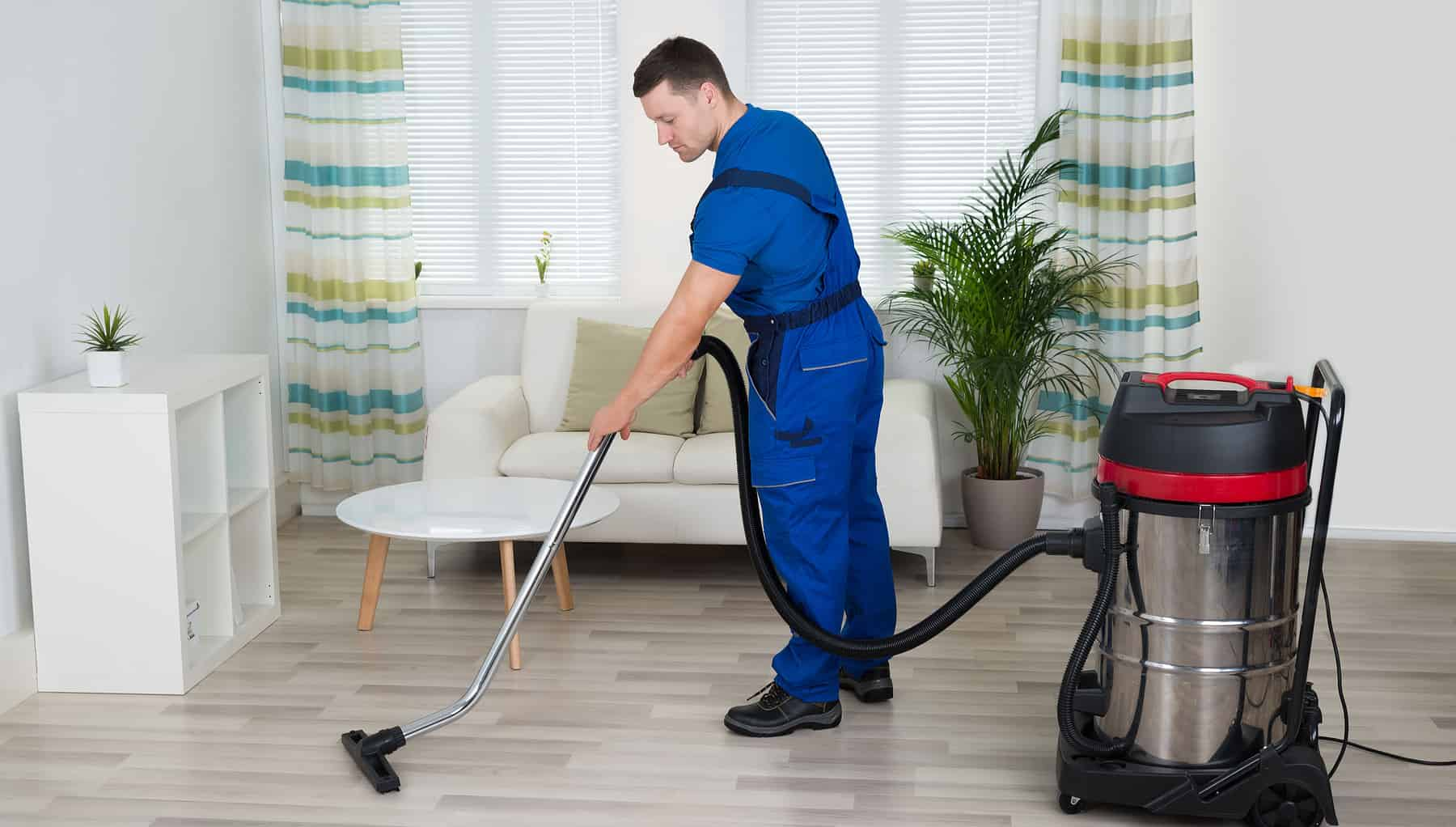
Ask how they clean their own equipment. A vacuum cleaner or a mop bucket that isn't sanitised between jobs can actually transport pathogens from one house to another.
Supporting Local Business Visibility Beyond Core Marketing Efforts
In the current UK service market, finding a provider that adheres to high safety standards often starts with how that business presents itself locally. For a cleaning firm to survive and for a client to find them easily, there needs to be a layer of directory marketing uk that serves as a foundation for their digital reputation. This isn't just about being "on the map"; it’s about providing clear, accessible information regarding their specific health and safety certifications.
Achieving local presence consistency is vital for building trust. If a cleaning company lists their antiviral protocols on their main website but fails to mention them on their Local Page UK profile, it creates a disconnect for the consumer. Consistent messaging across all platforms acts as a supporting visibility layer that reinforces the professional's commitment to safety.
Furthermore, homeowners often look for company ratings uk to see how a business handled safety during previous visits. These reviews act as a credibility signal that can differentiate a technician from an amateur. For smaller businesses, being part of a free business database directory is an essential way to remain discoverable in a competitive landscape. When a firm chooses to advertise company uk directory presence, they are effectively making it easier for health-conscious clients to verify their credentials. This local discovery aid is crucial for connecting specialists with the people who need their expertise most.
Finding a cleaning service
Finding a cleaning service that offers legitimate COVID-19 protocols is an investment in your long-term health and the safety of your community. It is a shift away from the "commodity" mindset of cleaning and toward a "healthcare" approach to the home. By prioritizing EN 14476 certified chemicals, verifying technician training, and looking for businesses that maintain high levels of transparency, you can ensure your living or working space is more than just clean—it is protected. As you begin your search, remember that the best providers are those who are happy to discuss their methods in detail. Take the time to ask the hard questions; your peace of mind is worth the effort.
Frequently Asked Questions (FAQs)
1. What is the difference between sanitising and disinfecting?
Sanitising reduces the number of germs to a safe level, while disinfecting kills virtually everything on a surface. COVID-19 protocols generally require disinfection of high-touch points.
2. How long does an antiviral clean last?
The clean kills what is currently on the surface. Once the cleaner leaves and someone else touches the surface, new germs can be introduced. However, some professional products offer a "residual" barrier that lasts for several days.
3. Are COVID-19 cleaning chemicals safe for pets?
Most are safe once they have dried. However, you should always ask the cleaner for the specific chemical name and ensure they allow for adequate drying time before pets are allowed back into the room.
4. Should I stay in the house while they clean?
For the safety of both you and the cleaner, it is often recommended to stay in a separate room or leave the property to allow for social distancing and to avoid inhaling any fine mists from the disinfectants.
5. How much extra should I expect to pay for antiviral protocols?
Because of the specialized chemicals, PPE, and the extra time required for "dwell times," you may see a premium of 10-20% over standard cleaning rates.
6. Do I need to provide the cleaning products?
No. For professional antiviral protocols, the cleaner should provide their own certified chemicals to ensure the EN 14476 standards are met.
7. Can a standard domestic cleaner offer these protocols?
Only if they have undergone specific training. Using a "bleach spray" is not the same as a professional antiviral protocol.
8. How do I know if the company is "Greenwashing" their safety claims?
If they cannot provide a Safety Data Sheet or explain their "dwell time" process, they are likely not following a professional protocol.
9. What is EN 14476 exactly?
It is a European standard that specifies a test method and the minimum requirements for virucidal activity of chemical disinfectants. It is the gold standard for COVID-safe cleaning.
10. How can I verify a company’s safety ratings?
The best way is to look through company ratings uk specifically looking for reviews from the last 12 months that mention hygiene and safety standards.

Disclaimer: The information provided in this article is for general informational and research purposes only. Company details, features, services, and market positions may change over time. Readers are advised to visit official company websites and conduct independent research before making any business decisions or purchasing services.
Most Searchable Keywords

Recent Blogs

Related Listings
-

Platinum Exterior Cleaning
-
End of Tenancy Cleaning Agency
-
Royal Cleaning
-
FastKlean
-
Fantastic Services
Categories
- Accountants (295)
- Advertising Agencies (559)
- Architects (149)
- Automobiles (376)
- Beauty (300)
- Carpenters (146)
- Cleaning Services (386)
- Dentists (189)
- Driving (61)
- Electricians (215)
- Energy (8)
- Event Organiser (684)
- Finance (598)
- Guide (3363)
- Health (2205)
- Information technology (206)
- Legal Services (352)
- Logistics (6)
- Maintenance (65)
- Manufacturing (35)
Sponsored Listings in Cleaning Services

Related Blogs

Bristol Firework Displays Every Local Should...
Read this insightful article "Bristol Firework Displays Every Local Should Experience" to expand your knowledge!
Self Assessment Registration 2026 Common Erro...
Read this insightful article "Self Assessment Registration 2026 Common Errors and Rules" to expand your knowledge!
Calculate Your 2026 Employer National Insuran...
Read this insightful article "Calculate Your 2026 Employer National Insurance Bill Easily" to expand your knowledge!
Questions & Answers – Find What
You Need, Instantly!
How can I update my business listing?
Is it free to manage my business listing?
How long does it take for my updates to reflect?
Why is it important to keep my listing updated?
