
How to Identify Emergency Plumbing Services Fast Online
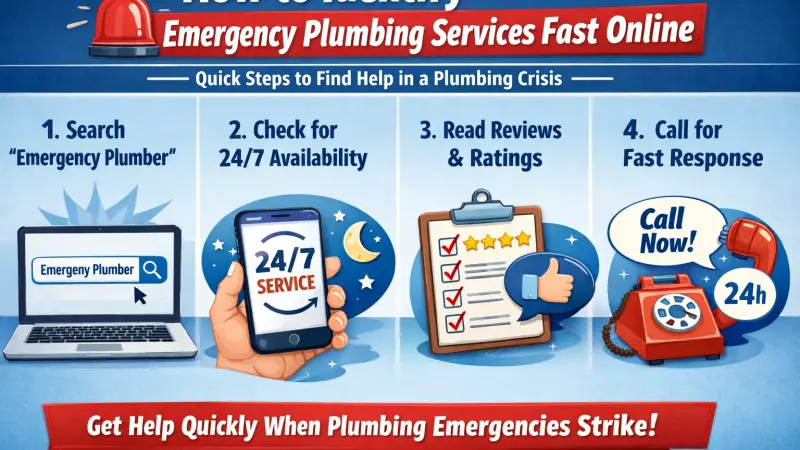
Imagine waking up in the middle of a cold January night to the sound of rushing water, only to discover a burst pipe is rapidly flooding your kitchen. In such a high-pressure scenario, the ability to identify emergency plumbing services fast online becomes more than just a convenience; it is a critical skill for protecting your home and your finances. When water is cascading through light fittings or a boiler failure leaves a vulnerable household without heating, every second spent scrolling through search results matters. The digital landscape in the UK is saturated with service providers, making it essential to know how to distinguish a genuine 24/7 emergency responder from a standard day-rate plumber who may not answer the phone until morning.

In the modern age, the first instinct for any homeowner facing a domestic crisis is to reach for a smartphone. However, the sheer volume of information available can be overwhelming. A simple search for "plumber" might return thousands of results, many of which are not equipped to handle an immediate, out-of-hours crisis. Understanding the nuances of digital search, from the way search engines categorise local businesses to the specific certifications required for different types of repairs, is the only way to ensure that the person you invite into your home at 3:00 AM is qualified, insured, and capable of resolving the issue on the first visit.
The Definition of a True Plumbing Emergency
Before diving into the mechanics of online searches, it is vital to understand what constitutes a genuine emergency. Not every drip requires a premium-rate midnight call-out. Generally, an emergency is defined as any situation that poses an immediate risk to the property's structure, the health of the occupants, or the safety of the electrical system. Distinguishing between a "maintenance" issue and an "emergency" issue can save you hundreds of pounds in unnecessary call-out fees.
- Burst Pipes and Uncontrollable Leaks: These are the most common reasons for emergency calls. A burst pipe can discharge hundreds of gallons of water in minutes, leading to collapsed ceilings, ruined flooring, and potential structural instability. If you cannot stop the flow of water by turning off the internal stopcock, you are in a high-priority emergency situation.
- Gas Leaks and Carbon Monoxide Risks: Any suspicion of a gas leak or a faulty gas appliance is a severe life-safety issue. This requires an immediate response from a Gas Safe registered engineer. Symptoms of carbon monoxide poisoning, such as headaches, dizziness, and nausea, should also be treated as a medical and plumbing emergency simultaneously.
- Total Loss of Water or Heating: Particularly during the British winter, a lack of heat can be dangerous for the elderly, infants, or those with underlying health conditions. While a single radiator not working is a maintenance task, a total boiler lockout in sub-zero temperatures is a legitimate emergency.
- Sewage Backups and Blocked Drains: When foul water cannot leave the property or begins to back up into baths and sinks, it creates a significant health hazard. These situations require specialist drainage equipment that standard plumbers might not always carry.
Starting Your Search Keywords and Local Intent
When you need to find help quickly, your search strategy should be precise. Modern search engines are highly sophisticated at interpreting local intent, but using the right terminology ensures you see the most relevant results. Beyond simply typing "plumber," you should use specific phrases that highlight the urgency of your situation and your specific location.
Effective Search Terms for UK Residents
To narrow down the field, consider using terms such as "24-hour emergency plumber near me" or "rapid response plumbing services [Your Town/City]." Using geographical markers helps the search engine bypass national franchises that might have call centres far away, instead prioritising local tradespeople who can actually reach your doorstep within the hour. Furthermore, including the specific problem in your search—such as "emergency burst pipe repair Manchester"—can lead you to specialists who have the exact tools required for your specific crisis.
The Difference Between Organic Results and Sponsored Ads
When you perform an online search, the top results are often "Sponsored" or "Ads." While many reputable companies use advertising, you must be cautious. Some national lead-generation companies bid on these spots. They are not plumbers themselves but middlemen who take your details and sell the "lead" to a local subcontractor. This can often result in higher prices as the middleman takes a cut. Organic results (those below the ads and the map pack) often represent established local businesses that have earned their ranking through consistent service and local authority.
Vetting Plumbers Online in Minutes
Speed should not come at the expense of due diligence. Even in an emergency, taking three minutes to verify a plumber's credentials can save you from a "cowboy trader" who might exacerbate the problem.
When you land on a plumber's website or directory listing, look for the following markers of professional legitimacy.
1. Check for Gas Safe Registration
In the UK, it is a legal requirement for anyone working on gas appliances to be on the Gas Safe Register. This replaced the old CORGI registration in 2009. If your emergency involves a boiler, gas fire, or gas cooktop, this is non-negotiable. Look for the yellow and black triangle logo on their website. A professional will often display their registration number. You can verify this number on the official Gas Safe Register website to ensure it hasn't expired or been suspended.
2. Review Recent Customer Feedback and Social Proof
Independent review platforms like Trustpilot, Checkatrade, and Google Business Profiles are invaluable. Look for recent reviews—specifically those from the last three to six months—that mention emergency call-outs. A plumber may be excellent at scheduled bathroom installations but poor at responding to late-night emergencies. Pay attention to comments regarding punctuality, the cleanliness of their work, and their "first-time fix" rates. If a company has dozens of five-star reviews but they are all from three years ago, proceed with caution.
3. Insurance and Guarantees
A reputable emergency service provider will hold public liability insurance, typically with a minimum cover of £1 million or £2 million. This protects you if they accidentally drill through a wire or cause further flooding while attempting to fix the leak. Most established UK plumbers will proudly state their insurance status and offer a guarantee on the parts and labour performed during the emergency visit. Never hire a tradesperson who cannot provide proof of insurance upon request.
Understanding Emergency Call-Out Charges in the UK
Transparency is a hallmark of a professional service. Emergency plumbing often carries a higher cost than standard maintenance due to the unsociable hours, the need for immediate dispatch, and the higher overheads of maintaining a 24/7 operation. When you call a prospective plumber, ask for a clear breakdown of their "call-out fee" versus their "hourly rate."
In the UK, many emergency plumbers charge a fixed fee just to attend the property, which may or may not include the first hour of labour. Be wary of any service that refuses to give even a rough estimate of these base costs over the phone. While they cannot diagnose a complex leak behind a wall without seeing it, they should be able to state their standard emergency rates clearly. Typical costs in the UK for an emergency call-out can range from £80 in rural areas to over £250 in central London.
The Role of Technical Diagnostics in Modern Plumbing
Interestingly, some modern plumbing firms use advanced technology that you can identify on their websites. This is particularly useful if the source of your emergency isn't obvious. If you have water appearing on a ceiling but the bathroom above seems dry, you need a firm with diagnostic capabilities. Look for mentions of:
- Thermal Imaging: Cameras that detect temperature differences behind walls to find hot water leaks without tearing down plasterboard.
- Acoustic Leak Detection: Sensitive microphones that "listen" for the sound of pressurized water escaping from pipes underground or within structures.
- CCTV Drain Surveys: Small cameras inserted into pipes to identify blockages or structural collapses that are causing sewage to back up.
Hiring a firm with these tools can often be more cost-effective in the
long run, as it prevents "exploratory" demolition of your home's interior.
Navigating Online Business Directories Effectively
Directories remain one of the most efficient ways to find local tradespeople. However, not all directories are created equal. High-quality directories often vet their members, checking for insurance and qualifications before allowing them to list. Using a well-maintained local business directory in UK allows you to compare multiple providers side-by-side, checking their proximity to your home and their stated service hours.
The Importance of Response Time and Dispatch Systems
When identifying a service, look for "Rapid Response" or "Arrival within 60 minutes" claims. Many larger emergency plumbing firms use GPS tracking on their vans, allowing their dispatchers to send the closest available engineer to your location. In a flooding situation, a plumber who can arrive in 45 minutes is infinitely more valuable than one who is cheaper but two hours away. Many websites now feature live chat or "click-to-call" buttons designed specifically for mobile users in distress. Use these features to get an immediate verbal confirmation of their arrival time.
Preventative Measures: Building a Contact List Before Disaster Strikes
The best time to identify an emergency plumber is before you actually need one. Digital "bookmarking" or saving a contact to your phone during a period of calm allows for much faster action during a crisis. Researching local experts and verifying their credentials ahead of time means that when a pipe bursts, you aren't making a rushed decision under duress. This is especially important for landlords or business owners who have a duty of care to their tenants and employees.
Consider looking for a free service directory UK to find a range of local professionals. By browsing these lists during a weekend, you can read through various company profiles, check their social media presence for recent activity, and even see photos of their previous work. This proactive approach ensures that your chosen professional is someone you already trust. A little bit of digital preparation can prevent a minor leak from becoming a major financial disaster.
Common Mistakes to Avoid During an Online Search
When panic sets in, it is easy to fall for common pitfalls that can lead to poor service or extortionate costs. Avoid clicking on the first "sponsored" ad without checking if they are actually local.
Some national companies bid on keywords for every city but then simply sub-contract the work to whoever is available, which can lead to higher costs and inconsistent quality.
Always verify that the "emergency" service is actually 24/7. Some companies use "24-hour" as a keyword for SEO purposes but actually operate an answering machine after 6 PM. A genuine emergency service will have a human dispatcher or the plumber themselves answering the call at any hour. If you get a voicemail, move on to the next provider immediately.
Summary of the Identification Process
- Search Specifically: Use "emergency" and your specific town name to find local responders.
- Filter by Proximity: Ensure the plumber is based near enough to arrive within the hour.
- Verify Credentials: Check the Gas Safe Register if the issue involves gas or heating.
- Read Recent Reviews: Focus on emergency call-out feedback from the last few months.
- Confirm Fees: Get a verbal agreement on the call-out fee and hourly rate before they set off.
- Check Insurance: Ensure the firm has valid public liability insurance to protect your property.
Frequently Asked Questions
What is the average cost of an emergency plumber in the UK?
Costs vary significantly by region. In northern England and the Midlands, emergency call-outs typically start around £80–£120. In London and the South East, these figures can double. Always clarify if the quoted price includes VAT and if it covers the first hour of work or just the arrival at the property.
Can I fix a burst pipe myself temporarily?
While waiting for a professional, you should immediately turn off the main stopcock (usually located under the kitchen sink or under the stairs) and open all taps to drain the system. You can use "self-amalgamating tape" or a pipe repair clamp as a temporary measure, but these are not permanent solutions and require a professional follow-up to prevent future failures.
How do I know if a plumber is truly local?
Check the "Contact Us" page for a physical address with a local postcode. Many national companies use 0800 or 0333 numbers to appear larger; a local plumber will often have a landline starting with a local area code (e.g., 0161 for Manchester or 0121 for Birmingham), which is a reliable indicator of their actual operational base.
Does home insurance cover emergency plumbing?
Many "Home Emergency" cover policies, often sold as add-ons to standard buildings insurance, include plumbing. If you have this, you should call your insurer's dedicated emergency line first, as they may have a pre-approved list of contractors. However, if you do not have this specific add-on, your standard building insurance may cover the "trace and access" and the damage caused by the water, but not the actual repair of the pipe itself.
What should I do if a plumber arrives and I'm not comfortable?
You have the right to ask for identification and proof of Gas Safe registration (the ID card). If they cannot provide these, or if they demand cash payment upfront before
starting work, you are within your rights to ask them to leave. Genuine professionals will have branded clothing, a sign-written van, and clear invoicing procedures.
The Value of Local Visibility for Tradespeople
For the tradespeople themselves, being easily found during a crisis is a cornerstone of business growth. In an era where most consumers turn to their smartphones the moment a leak is detected, maintaining a strong digital presence is essential. Professional platforms and a free startup business directory UK provide excellent opportunities for new plumbing ventures to establish their reputation. By securing free company listings directory entries, local experts can ensure they appear in relevant searches when homeowners are in urgent need. Navigating the competitive landscape of home services requires both skill on the tools and visibility in the right places. For those looking to discover reputable trades or for businesses seeking to be found, Local Page UK serves as a vital bridge, offering a local business directory in UK that simplifies the process of connecting with reliable help. Ultimately, whether you are a homeowner in distress or a professional offering a free startup business directory UK service, being part of a trusted network ensures that help is always just a few clicks away.

Disclaimer: The information provided in this article is for general informational and research purposes only. Company details, features, services, and market positions may change over time. Readers are advised to visit official company websites and conduct independent research before making any business decisions or purchasing services.
Most Searchable Keywords

Recent Blogs
-

Explore Supermarkets in Chepstow and the Surrounding Wye Valley
-
Elite Guide to Taxi and Private Hire Services in Hereford
-
Explore Fuel and Roadside Convenience Across Beckington Today
-
Explore Abergavenny Tyre Services with Expert Local Fitters
-
Claim Your HMRC UK Tax Refund Before Application Deadlines

Related Listings


Categories
- Accountants (295)
- Advertising Agencies (559)
- Architects (149)
- Automobiles (376)
- Beauty (300)
- Carpenters (146)
- Cleaning Services (386)
- Dentists (189)
- Driving (61)
- Electricians (215)
- Energy (7)
- Event Organiser (683)
- Finance (597)
- Guide (3358)
- Health (2205)
- Information technology (206)
- Legal Services (352)
- Logistics (6)
- Maintenance (65)
- Manufacturing (35)

Sponsored Listings in Plumbers

Related Blogs

Explore Supermarkets in Chepstow and the Surr...
Read this insightful article "Explore Supermarkets in Chepstow and the Surrounding Wye Valley" to expand your knowledge!

Elite Guide to Taxi and Private Hire Services...
Read this insightful article "Elite Guide to Taxi and Private Hire Services in Hereford" to expand your knowledge!

Explore Fuel and Roadside Convenience Across...
Read this insightful article "Explore Fuel and Roadside Convenience Across Beckington Today" to expand your knowledge!
Questions & Answers – Find What
You Need, Instantly!
How can I update my business listing?
Is it free to manage my business listing?
How long does it take for my updates to reflect?
Why is it important to keep my listing updated?
