
How to Identify Quality Butchers for Retail & Wholesale Needs
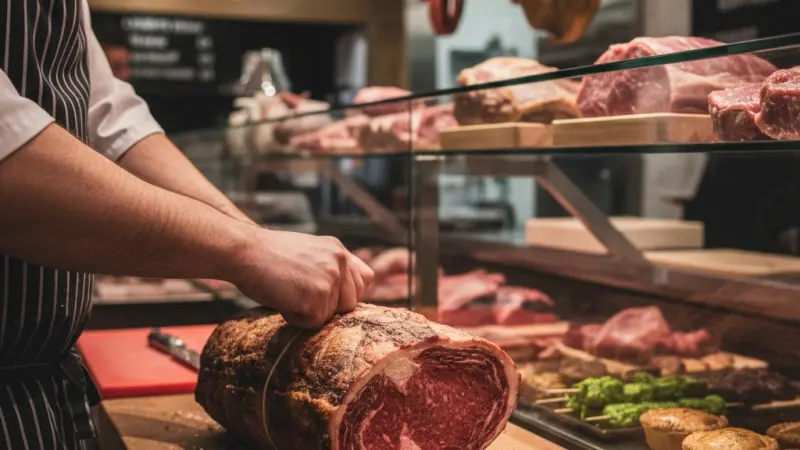
The British butchery sector is far more than a simple retail trade; it is a cornerstone of the UK’s agricultural economy and a vital component of the nation’s food security infrastructure. Traditionally, the "high street butcher" was the heartbeat of the local community, but today, the sector has transformed into a sophisticated multi-channel industry. In the UK, the meat processing and retail industry contributes billions to the national GDP, supporting thousands of jobs from rural farmsteads to urban processing hubs. As consumers become increasingly discerning regarding the provenance, ethics, and quality of their meat, the role of the expert butcher has seen a significant resurgence.

Identifying a quality butcher—whether for a family’s weekly shop or a large-scale restaurant wholesale contract—requires an understanding of the intricate supply chains and craftsmanship involved. A premier butcher is a master of "nose-to-tail" butchery, ensuring that every part of the animal is utilized, minimizing waste and maximizing value. For wholesale needs, consistency and volume are paramount, whereas retail consumers often prioritize bespoke cuts and culinary advice. In an era where "meat-reduction" and "flexitarianism" are on the rise, the quality of meat consumed has become more important than quantity. This guide aims to navigate the complexities of the modern UK butchery landscape, helping stakeholders identify the best partners via the uk business directory website and traditional vetting methods.
The Landscape of Butchers in the UK
The UK butchery market is currently characterized by a fascinating dichotomy: the decline of low-quality high-volume sellers and the explosive growth of premium, craft, and farm-to-table specialists. According to industry data, there are approximately 5,000 to 6,000 independent butchers still operating in the UK, a number that has stabilized after decades of decline due to supermarket dominance. Post-pandemic, the industry has seen a "localism" boom. During lockdowns, many consumers returned to their local tradespeople, discovering that the quality and service provided by a specialist butcher far exceeded the plastic-wrapped offerings of major retailers.
Key regions of activity remain the agricultural heartlands such as Devon, North Yorkshire, and the Scottish Borders, where proximity to livestock markets allows for exceptionally short supply chains. However, urban centers like London and Manchester have seen a rise in "boutique" butchers who focus on dry-aging processes and rare-breed heritage meats. The evolution of the industry post-pandemic has also been marked by a digital revolution. Many traditional butchers who previously relied solely on footfall have now listed themselves on a uk local business directory to facilitate online ordering and nationwide delivery. This shift has democratized access to high-quality meat, allowing a customer in Cornwall to order salt-aged beef from a specialist in the Lake District with ease.
Comprehensive Services Breakdown
A truly high-quality butcher offers services that extend far beyond simply slicing steaks. For the wholesale sector, the requirements are rigorous. Wholesale butchers provide "portion control" services, ensuring that every steak delivered to a restaurant is the exact same weight and thickness, which is critical for professional kitchen margins. They also manage complex logistics, providing refrigerated delivery schedules that align with the high-pressure environment of the hospitality industry.
In the retail sector, the offerings are diverse. Many modern butchers have integrated "deli" services, offering cured meats, homemade pies, and ready-to-cook marinated products. Specialty services such as dry-aging—where beef is kept in humidity-controlled environments for 28 to 90 days—have become a hallmark of quality. Furthermore, the role of the butcher as an educator is vital; they provide advice on cooking temperatures, rest times, and recipe ideas. To find these multifaceted experts, businesses often utilize a business listing uk to compare service offerings and regional specialties.
Moreover, "bespoke butchery" is a growing niche. This involves processing an entire carcass according to the specific requirements of a client, often a farm shop or a high-end gastropub. This requires immense skill and an intimate knowledge of anatomy. Whether it is sourcing Wagyu-cross beef or traditional Gloucester Old Spot pork, the ability of a butcher to source and prepare specific breeds is a clear indicator of their standing in the industry.
How to Choose the Right Service Provider
When selecting a butcher, especially for a long-term wholesale relationship, due diligence is non-negotiable. First and foremost, check for accreditations. In the UK, membership in the "Guild of Fine Food" or the "Q Guild of Butchers" is a badge of excellence. These organizations require members to adhere to strict standards of hygiene, sourcing, and craft. Furthermore, look for Red Tractor or RSPCA Assured certifications, which guarantee that the meat has been produced to high standards of animal welfare and food safety.
Online reputation is the modern-day word-of-mouth. A quality provider will have transparent uk verified business listings that showcase customer reviews and historical reliability. Don't be afraid to ask about their supply chain.
A reputable butcher should be able to tell you not just which county the meat came from, but often the specific farm and even the breed of the animal. Transparency is the ultimate indicator of quality.
Insurance and health and safety compliance are also critical, particularly for B2B contracts. Ensure the butcher has robust Public Liability and Product Liability insurance. For wholesale buyers, a visit to the premises is highly recommended. Look for cleanliness, the temperature of the cold rooms, and the sharpness of the tools. A butcher who takes pride in their equipment usually takes pride in their product. Utilizing a uk local business search can help narrow down providers who have already been vetted by their local communities.
Industry Challenges & Future Outlook
The UK butchery industry faces significant challenges, primarily revolving around the "green agenda" and the rising cost of energy. Sustainability is no longer a buzzword; it is a business imperative. Many butchers are moving toward plastic-free packaging and investing in electric delivery fleets. There is also a shift toward "regenerative agriculture" sourcing, where the focus is on meat that has a positive or neutral impact on soil health and carbon sequestration.
Technology is also playing a role. From blockchain-enabled traceability (where a QR code on a pack of meat can trace it back to the calf's birth) to advanced automated curing chambers, the "old-fashioned" butcher is becoming high-tech. Regulatory changes post-Brexit have also impacted the industry, particularly regarding exports and imports, forcing many to focus more heavily on the domestic UK market. Smart business owners are now ensuring their presence on a business listing uk to stay competitive as consumer habits continue to shift toward digital discovery.
Business Tips for Butchers Professionals
For those operating within the butchery sector, marketing is often the missing piece of the puzzle. You may have the best ribeye in the county, but if no one knows you exist, your business will struggle. Digital visibility is paramount. Local SEO (Search Engine Optimization) is the most cost-effective way to drive traffic. Ensure your business is listed on a uk professional services listings site to improve your local search ranking.
Social media is also a powerful tool for butchers. High-quality photography of marbled meat, "behind the scenes" videos of the butchery process, and customer testimonials create a brand that people trust. Engagement is key; responding to comments and sharing cooking tips builds a loyal community. Furthermore, consider b2b networking. Many butchers find success by listing themselves in a uk b2b business directory to attract local restaurants and caterers who are looking for reliable local suppliers rather than faceless national corporations.
Wrapping Up & Local Page Integration
The British butchery industry is a resilient, skilled, and essential sector that bridges the gap between the pasture and the plate. Whether you are a consumer seeking the perfect Sunday roast or a business owner looking for a wholesale partner, the hallmarks of quality remain the same: traceability, craftsmanship, and a commitment to service. In a crowded digital marketplace, finding these gems requires the right tools.
Local Page UK serves as the premier bridge between quality British butchers and the customers who need them. By consolidating the best local talent into an accessible, searchable format, it ensures that excellence in the trade is rewarded with visibility. As we look to the future, the integration of traditional skills with modern digital networking will define the success of the UK’s most respected butchers.
Boost Your Visibility with Local Page UK
In today’s competitive market, being the best butcher in town isn't enough if you're invisible online. To thrive, you need to be where your customers are searching. Whether you’re a retail butcher or a wholesale specialist, claiming your business
listing uk on Local Page UK is the first step toward dominating your local market. Don't let your competitors take your place in the search results—join the UK’s most trusted directory today.
FAQ
1. What is the difference between a retail and a wholesale butcher?
Retail butchers primarily serve individual consumers, offering smaller cuts and personalized advice over a counter. Wholesale butchers provide bulk quantities to businesses like restaurants, schools, and hospitals, focusing on volume, portion control, and consistent delivery schedules. Many high-quality butchers now operate in both spheres to maximize their revenue streams.
2. How can I verify the provenance of the meat I am buying?
You should ask your butcher for the "passport" or farm details of the animal. A quality butcher will be able to provide the farm name, the breed, and the slaughter date. Look for labels like the Red Tractor or specific regional markers like Scotch Beef or Welsh Lamb which are legally protected indicators of origin.
3. Why is dry-aged beef more expensive than wet-aged meat?
Dry-aging involves hanging meat in a controlled environment for several weeks. During this time, moisture evaporates (concentrating the flavor) and natural enzymes break down connective tissue (increasing tenderness). The higher price reflects the loss of weight from evaporation and the skilled labor and storage costs involved in the process.
4. What accreditations should I look for in a UK butcher?
Look for the Q Guild of Butchers, which represents the top tier of the trade. Other important markers include membership in the Agriculture and Horticulture Development Board (AHDB) schemes and hygiene ratings from the Food Standards Agency (FSA). A 5-star hygiene rating is the minimum standard you should expect.
5. Is it better to buy meat from a local butcher or a supermarket?
While supermarkets offer convenience, local butchers almost always provide superior quality, better welfare standards, and specific cuts that supermarkets don't stock. Furthermore, listing your business on Localpage helps customers find you easily, proving that local butchers can be just as accessible as large chains.
6. Can a butcher help with special dietary requirements or allergies?
Yes, a professional butcher can provide precise information on the ingredients in their processed goods (like sausages or burgers) and can often create
bespoke batches that are gluten-free or nitrate-free upon request. This level of customization is rarely available in mass-market retail.
7. How often should a wholesale butcher deliver to a restaurant?
This depends on the restaurant's storage capacity and turnover, but most quality wholesalers offer daily or every-other-day delivery. This ensures the kitchen is working with the freshest possible product while minimizing the amount of refrigerated storage space required on-site.
8. What are "heritage breeds" and why do they matter?
Heritage breeds, such as Longhorn cattle or Tamworth pigs, are traditional livestock that haven't been cross-bred for intensive farming. They often grow slower and have more intramuscular fat (marbling), leading to a vastly superior flavor and texture compared to commercial breeds.
9. How do I find a reputable butcher for my business in a new area?
The most efficient way is to consult a verified directory. Using a platform like Local Page allows you to see businesses that have an established presence and positive reputation within their specific geographic location, saving you hours of manual research.
10. What is "nose-to-tail" butchery?
This is the ethical practice of using every part of the animal, including offal, bones for stock, and fat for tallow. It reduces waste and honors the animal’s life. A butcher who practices this is usually more skilled and offers better value, as they can provide cheaper, delicious "secondary" cuts.
11. Are there specific insurance requirements for butchers?
Yes, butchers must carry Public Liability insurance to protect against accidents in the shop and Product Liability insurance in case a customer becomes ill from the product. Wholesale butchers also need Goods in Transit insurance to cover their stock during delivery.
12. How has the butchery industry changed since Brexit?
Brexit has introduced more paperwork for those importing or exporting meat, leading to a greater emphasis on "British-only" sourcing. This has benefited local farmers and increased the demand for domestic butchery skills as the supply of imported meat has become more volatile.
13. What should I look for when visiting a wholesale butcher's facility?
Check the temperature logs, the flow of the "dirty" to "clean" areas to prevent cross-contamination, and the organization of the cold store. A well-run facility will be clean, odor-free, and have staff who are clearly trained in modern food safety protocols.
14. Do butchers offer pre-marinated or ready-to-cook meals?
Many modern butchers have expanded into "added-value" products. These include stir-fry mixes, stuffed roasts, and marinated kebabs.
This caters to the modern consumer who wants high-quality meat but has limited time for preparation.
15. How can digital directories help my local butchery business grow?
Digital directories provide a backlink to your website, improve your local SEO, and make it easier for mobile users to find your shop. By ensuring your profile is complete on Local page, you tap into a wider audience that values local, quality service over corporate alternatives.

Disclaimer: The information provided in this article is for general informational and research purposes only. Company details, features, services, and market positions may change over time. Readers are advised to visit official company websites and conduct independent research before making any business decisions or purchasing services.
Most Searchable Keywords

Recent Blogs


Related Listings
Categories
- Accountants (295)
- Advertising Agencies (559)
- Architects (149)
- Automobiles (377)
- Beauty (300)
- Carpenters (146)
- Cleaning Services (386)
- Dentists (189)
- Driving (62)
- Electricians (215)
- Energy (8)
- Event Organiser (685)
- Finance (599)
- Guide (3365)
- Health (2207)
- Information technology (206)
- Legal Services (353)
- Logistics (6)
- Maintenance (65)
- Manufacturing (35)
Sponsored Listings in Locksmith Services


Related Blogs

Gen Z Political Reporters and News Creators i...
Read this insightful article "Gen Z Political Reporters and News Creators in the UK" to expand your knowledge!

Famous Female Social Media Influencers Across...
Read this insightful article "Famous Female Social Media Influencers Across the UK" to expand your knowledge!

Your UK Sponsor Licence 2026 Step by Step Gui...
Read this insightful article "Your UK Sponsor Licence 2026 Step by Step Guide" to expand your knowledge!
Questions & Answers – Find What
You Need, Instantly!
How can I update my business listing?
Is it free to manage my business listing?
How long does it take for my updates to reflect?
Why is it important to keep my listing updated?
