
How to login in Facebook
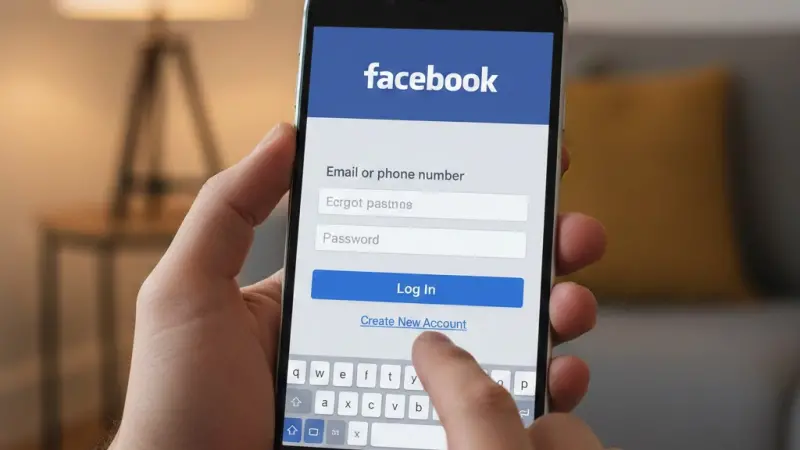
To login to Facebook, navigate to the official website or open the mobile app and enter your registered email address or mobile phone number followed by your password. Clicking the 'Log In' button will grant you immediate access to your news feed and profile. For those using the mobile application on iOS or Android, the process remains identical, though you may benefit from saved biometric data like FaceID or fingerprint scanning to expedite future sessions. If you are struggling to gain entry, ensuring your caps lock is off and your internet connection is stable is the first port of call for most British users.

Accessing your social profile should be a seamless experience regardless of whether you are using a high-end desktop in a London office or a smartphone while commuting on the Underground. Security remains a paramount concern for users across the United Kingdom, making it essential to understand not just the 'how' of logging in, but also the 'where' and 'when'. By following established digital hygiene practices, you can ensure that your personal data, messages, and photographs remain private while enjoying the connectivity that this global platform provides to millions of residents across the country.
Primary methods for accessing your social profile
The most common way to access the platform is through a standard web browser such as Chrome, Safari, or Microsoft Edge. By typing the main URL into your address bar, you are presented with a clear interface designed for quick entry. British users often prefer this method when managing complex privacy settings or viewing high-resolution media. It is vital to ensure that the URL begins with 'https', indicating a secure connection that encrypts your credentials during the transit between your device and the servers.
Using the official mobile application
The mobile application offers a more integrated experience for those on the move. Once downloaded from the App Store or Google Play, the app stays resident on your device, often keeping you logged in for extended periods. This convenience is balanced by the need for robust device security, such as a PIN or biometric lock, to prevent unauthorised access if your handset is lost or stolen. The app is optimised for UK data networks, ensuring that even on a modest 4G connection, your login remains snappy and responsive.
Optimising app performance for login
Regularly updating your application ensures that you have the latest security patches and login protocols. Clearing the app cache can also resolve persistent issues where the login screen appears frozen or fails to recognise valid credentials during a busy session.
Essential steps for a secure authentication process
Security is the cornerstone of a positive social media experience. When you initiate a login, the system verifies your identity against its encrypted database. It is highly recommended to avoid using public Wi-Fi networks, such as those found in cafes or libraries, without a reputable VPN. Hackers often frequent these unencrypted networks to intercept login data. Instead, rely on your home broadband or a trusted mobile data provider to ensure that your password and username are never exposed to prying eyes during the handshake process.
Implementing two factor authentication
For an added layer of protection, every UK user should enable two-factor authentication (2FA). This requires a secondary code, usually sent via SMS or generated by an authenticator app, before access is granted. While it adds a few seconds to the login journey, it effectively renders stolen passwords useless. Even if a malicious actor acquires your primary credentials, they cannot bypass the physical requirement of the secondary device in your pocket. It is a small price to pay for significant peace of mind in an era of increasing digital fraud.
Selecting the right authenticator app
While SMS codes are convenient, using an app like Google Authenticator or Authy is generally considered more secure in Britain. These apps generate time-sensitive codes locally on your device, bypassing the risks associated with SIM-swapping or mobile network interceptions.
Common hurdles during the sign in journey
It is not uncommon to encounter a 'Login Failed' message, which can be frustrating when you are trying to check in with friends or family. Often, the culprit is a simple typographical error. Check for extra spaces at the end of your email address or ensure that your keyboard has not switched to a different regional layout. In the UK, the difference between a 'GB' and 'US' keyboard layout can occasionally swap the positions of symbols, leading to incorrect password entry for those using special characters in their security strings.
Resetting a forgotten password
If you have genuinely forgotten your credentials, the 'Forgot Password' link is your lifeline. You will be asked to provide your email or phone number to receive a reset link. It is imperative that the email account associated with your social profile is also secure and accessible. Many users find themselves locked out permanently because they no longer have access to an old university or work email address they used when they first created their account over a decade ago. Keeping these contact details updated is a vital part of account maintenance.
Handling account locks for security
Sometimes the system will proactively lock an account if it detects a login attempt from an unusual location or a new device.
If this happens, you may need to identify friends' photos or provide a government-issued ID to prove your identity and regain access to the platform.
Logging in via third party devices and browsers
Many websites and apps now offer the option to 'Log in with Facebook'. This single sign-on (SSO) feature allows you to use your credentials to access other services without creating new passwords. While convenient, it creates a central point of failure; if your main account is compromised, the linked services may also be at risk. In the UK, this feature is widely used for everything from news sites to delivery apps. Always review the permissions you are granting to these third parties to ensure you aren't sharing more personal data than is strictly necessary.
Managing active sessions and remote logout
A powerful but underused feature is the ability to see where you are currently logged in. Within the security settings, you can view a list of every device and location that has an active session. If you see a login from a city you haven't visited or a device you don't own, you can instantly terminate that session remotely. This is particularly useful if you suspect you left your account logged in on a friend's computer or a public terminal. It provides an immediate kill-switch to protect your digital footprint.
Understanding location tracking in logs
The location data shown in your active sessions is often based on IP addresses, which might show a nearby city rather than your exact street. This is normal for UK ISPs and shouldn't immediately cause alarm unless the region is entirely foreign to you.
Browser extensions and password managers
To streamline the login process, many users turn to browser extensions. While these can be helpful, some poorly coded extensions can interfere with the login scripts, causing the page to loop or fail to load. If you experience persistent issues, try disabling your extensions or opening an 'Incognito' or 'InPrivate' window to see if the problem persists. This clean environment bypasses stored cookies and extensions, allowing you to isolate whether the issue lies with the platform itself or your specific browser configuration.
Benefits of using a dedicated password manager
Password managers like Bitwarden or 1Password are highly recommended by the UK's National Cyber Security Centre. These tools not only store your credentials securely but can also auto-fill the login fields for you. This eliminates the risk of keyloggers recording your keystrokes and ensures that you are using complex, unique passwords for every site. By centralising your login data in an encrypted vault, you remove the temptation to use '123456' or your pet's name, significantly hardening your account against brute-force attacks.
Syncing credentials across your devices
A major advantage of these managers is their ability to sync across your laptop, tablet, and phone. This means your Facebook credentials are always at your fingertips, regardless of the hardware you are currently using to browse the web.
Troubleshooting persistent connectivity issues
Occasionally, the problem isn't your password but the internet itself. If the login page fails to load, check if other websites are working. Sometimes, a simple router restart can clear up DNS issues that prevent your computer from reaching the social media servers. In the UK, certain parental filters or 'Safe Search' settings provided by ISPs can also inadvertently block social media platforms if they are configured too aggressively. Checking your account settings with your provider can often resolve these invisible barriers to entry.
Clearing cookies and site data
Browsers store small fragments of data called cookies to help pages load faster. However, if these cookies become corrupted, they can prevent you from logging in. Clearing your browser's 'Cache and Cookies' for the specific domain can often fix issues where the 'Log In' button doesn't seem to do anything. It forces the browser to fetch a fresh version of the login page and start a new session from scratch. This is a standard 'fix-all' for many minor web-based glitches encountered by daily users.
Hard refreshing your browser window
By pressing Ctrl + F5 (or Cmd + Shift + R on Mac), you can perform a hard refresh. This ignores the cached version of the page and downloads everything anew, which is often enough to fix a glitched login form.
Protecting against phishing and spoofing
Phishing remains one of the biggest threats to UK social media users. This involves receiving an email or message that looks like it's from the platform, claiming there is an issue with your account and asking you to log in via a link.
These links lead to fake websites designed to steal your credentials. Always look at the sender's email address and the URL of the page you are on. If it isn't the exact, official domain, do not enter your details. The platform will never ask for your password via an unsolicited email or direct message.
Identifying suspicious login alerts
The platform will often send you an email if a login occurs from an unrecognised device. While these are usually legitimate warnings, hackers sometimes send fake 'Unrecognised Login' alerts to panic you into clicking a malicious link. Instead of clicking any buttons in the email, navigate directly to the official website in a new browser tab and check your security settings there. This 'side-channel' verification is the safest way to handle any security alerts you receive in your inbox.
Reporting fraudulent login attempts
If you do encounter a phishing site, you can report it to the platform and the UK's 'Action Fraud' service. Helping to take down these sites protects the wider community from falling victim to the same scams.
Mistakes to avoid when signing in
One of the most common errors is checking the 'Keep Me Logged In' box on a shared or public computer. This allows anyone who uses the computer after you to access your personal messages and data without needing a password. Another mistake is using the same password for your social media as you do for your online banking or primary email. If one service is breached, all your accounts become vulnerable. Lastly, avoid sharing your login credentials with 'profile viewer' apps or services that promise to show you who has been looking at your page; these are almost always scams.
The risks of saved browser passwords
While browsers offer to save your passwords, this is only safe if your computer account itself is password-protected and encrypted. If someone else has access to your Windows or Mac user profile, they can easily view your saved passwords in the browser settings. For those living in shared accommodation or using family PCs, it is much safer to use a dedicated password manager with its own master password or to simply manually enter your details each time you wish to browse.
Handling shared family devices safely
On shared tablets, consider using the 'Switch Account' feature rather than staying logged in. This allows multiple family members to have their profiles ready to go while still requiring a quick PIN or password to swap between them.
Future outlook for social authentication
The landscape of logging in is shifting towards a 'passwordless' future. We are likely to see an increase in 'Passkeys', a new standard that uses your device's own security (like your phone's fingerprint reader) to log you into websites. This removes the need to remember complex strings of characters and makes phishing nearly impossible, as there is no password to steal. Many major tech firms are already rolling this out across the UK, and it won't be long before the traditional login box becomes a relic of the past, replaced by seamless, hardware-based verification.
Integration with digital identity wallets
There is also talk of integrating social logins with emerging digital identity frameworks. This could mean that your login is verified by a secure digital wallet on your smartphone, potentially linked to your UK driving licence or passport for high-security actions. While this raises privacy questions, the goal is to make the digital world as secure as the physical one. For now, staying informed about these changes and maintaining strong traditional security habits is the best way to ensure your social media presence remains under your total control.
Adapting to biometric login standards
As laptops increasingly come with fingerprint readers and infrared cameras for facial recognition, the desktop login experience will become just as fluid as the mobile one.
Embracing these technologies early can provide both better security and a much faster way to check your notifications each morning.
Why is my Facebook login not working today?
If your login fails, first check your internet connection and ensure your password is correct, paying close attention to capital letters. If the credentials are right, the platform might be experiencing a temporary outage. You can check service status websites to see if others in the UK are reporting similar issues. Alternatively, clearing your browser cache or trying a different device can often bypass local software glitches.
How can I recover my account without an email?
If you lose access to your email, you can try to log in using a mobile phone number previously linked to your account. The system will send a verification code via SMS to reset your password. If you have neither, you may need to use the 'Trusted Contacts' feature if you set it up previously, or go through the official identity verification process by uploading a photo of your ID.
What should I do if my account was hacked?
If you suspect an unauthorised person has accessed your account, navigate immediately to the 'Hacked Accounts' section of the Help Centre. You will be guided through a series of steps to secure your account, change your password, and review recent activity. It is also wise to check your linked email and bank accounts for any suspicious activity, as hackers often target multiple platforms simultaneously once they gain entry.
Is it safe to stay logged in on my phone?
Staying logged in on a personal mobile device is generally safe, provided your phone is secured with a passcode, face recognition, or a fingerprint. The convenience of instant access usually outweighs the risks for most users. However, if you lose your phone, you should immediately use another device to log into your account settings and select 'Log Out of All Sessions' to prevent the finder from accessing your profile.
Can I see who tried to log into my account?
While you cannot see the specific name of a person who attempted to log in, you can view the 'Login Alerts' and 'Where You're Logged In' sections in your security settings.
This shows the device type, approximate location, and time of successful logins. If the platform blocks a suspicious attempt, they will usually send you a notification with details about the device and location involved in the blocked entry attempt.
For further information on digital security and social media safety in the UK, please refer to the following authoritative sources:
- National Cyber Security Centre (NCSC) - www.ncsc.gov.uk

Disclaimer: The information provided in this article is for general informational and research purposes only. Company details, features, services, and market positions may change over time. Readers are advised to visit official company websites and conduct independent research before making any business decisions or purchasing services.
Most Searchable Keywords

Recent Blogs


Related Listings

Categories
- Accountants (295)
- Advertising Agencies (559)
- Architects (149)
- Automobiles (377)
- Beauty (300)
- Carpenters (146)
- Cleaning Services (386)
- Dentists (189)
- Driving (62)
- Electricians (215)
- Energy (8)
- Event Organiser (685)
- Finance (599)
- Guide (3365)
- Health (2207)
- Information technology (206)
- Legal Services (353)
- Logistics (6)
- Maintenance (65)
- Manufacturing (35)

Sponsored Listings in Locksmith Services


Related Blogs

Gen Z Political Reporters and News Creators i...
Read this insightful article "Gen Z Political Reporters and News Creators in the UK" to expand your knowledge!

Famous Female Social Media Influencers Across...
Read this insightful article "Famous Female Social Media Influencers Across the UK" to expand your knowledge!

Your UK Sponsor Licence 2026 Step by Step Gui...
Read this insightful article "Your UK Sponsor Licence 2026 Step by Step Guide" to expand your knowledge!
Questions & Answers – Find What
You Need, Instantly!
How can I update my business listing?
Is it free to manage my business listing?
How long does it take for my updates to reflect?
Why is it important to keep my listing updated?
