
How to Never Pay Full Price at Asda Again: The Definitive British Supermarket Strategy
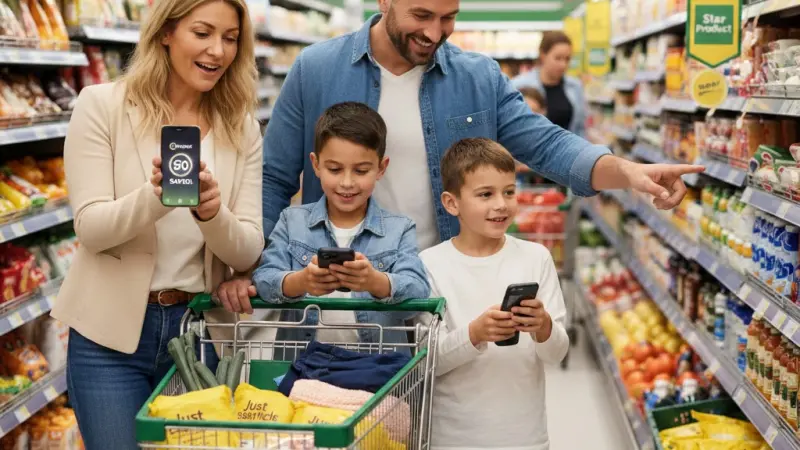
Asda remains a cornerstone of the British retail landscape, serving as a primary destination for millions of households seeking quality groceries, fashion, and home goods at competitive prices. Founded in Yorkshire, the retailer has grown from its humble beginnings as a dairy cooperative into a multi-billion pound enterprise that consistently challenges the status quo of the UK grocery market. By prioritising the "Everyday Low Cost" model, Asda has positioned itself as a champion for the consumer, particularly during periods of economic fluctuation. Whether through its expansive supercentres or its innovative digital loyalty programmes, the brand maintains a reputation for accessibility and community focus. In short, Asda is a value-led retail giant that integrates grocery shopping with lifestyle services like the George clothing brand and comprehensive optical and pharmacy departments, ensuring it remains a one-stop shop for diverse British demographics across the country.
The supermarket giant is currently defined by its commitment to the "Asda Price Guarantee" and its recent transition under new ownership, which has sparked a wave of modernisation across its digital and physical estates. Asda is one of the "Big Four" supermarkets in the United Kingdom, renowned for its large-format stores and its pioneering move into the fashion industry with the George at Asda label. With hundreds of locations stretching from the north of Scotland to the south coast of England, the retailer continues to evolve its service offering to meet the demands of the modern, tech-savvy shopper.
The Evolution of British Grocery Retail
The story of Asda is fundamentally a story of Northern ingenuity and the desire to disrupt a traditionally rigid retail market. Established through the merger of the Asquith family’s butchery business and the Associated Dairies company, the brand name itself is a portmanteau of these two entities. This heritage is vital to understanding the company's culture, which has always favoured a no-nonsense approach to business and a direct line of communication with its customer base. Over the decades, the retailer moved from local dairy production into large-scale discounting, effectively introducing the concept of the "supermarket" to many parts of the United Kingdom where such a concept was previously unknown.
The Impact of Global Partnerships
A significant turning point in the company's history was its acquisition by the American retail titan Walmart at the turn of the millennium. This partnership brought sophisticated logistics and supply chain management techniques to the UK, allowing the brand to scale at an unprecedented rate. The influence of global retail strategies enabled the firm to refine its private-label offerings and introduce aggressive pricing structures that forced competitors to react. This era solidified the brand's position as a price leader, a reputation that persists even as the ownership has shifted back to a predominantly British-led consortium in recent years.
Transitioning to Private Equity Ownership
The recent acquisition by the Issa brothers and TDR Capital marks a new chapter in the brand's narrative. This shift has seen a renewed focus on convenience and the expansion of the "Asda On the Move" format. By integrating supermarket value with forecourt convenience, the brand is successfully reaching customers in new environments, ensuring that the core promise of affordability is accessible even for those on short, daily commutes or quick shopping trips.
Strategic Focus on Consumer Value
In a market characterized by intense competition from both traditional rivals and modern discounters, maintaining a clear value proposition is essential. The retailer achieves this through a multi-tiered branding strategy that caters to different budgetary needs. The "Just Essentials" range, identified by its bright yellow packaging, provides a safety net for households looking to minimise expenditure without compromising on nutritional basics. Meanwhile, the "Extra Special" tier allows customers to enjoy premium quality and artisanal flavours at a fraction of the cost found in high-end specialty stores, proving that value and luxury can coexist within the same aisles.
Revolutionising the Loyalty Experience
The introduction of the Rewards app represents a significant departure from traditional points-based systems used by other major retailers. Instead of nebulous points, the system focuses on "Pounds, not points," allowing users to build a "Cashpot" that can be redeemed directly against their shopping bills. This transparency has resonated strongly with the British public, particularly during the cost-of-living crisis. By gamifying the shopping experience through "Missions" and "Star Products," the retailer has created a highly engaging platform that encourages brand loyalty while providing tangible financial relief to its users.
The Power of the Cashpot
The Cashpot mechanism is designed to be intuitive, ensuring that even infrequent shoppers can see the benefits of the programme. Users simply scan their app at the checkout to accumulate currency based on their purchasing habits. This data-driven approach also allows the retailer to offer personalised coupons, ensuring that the discounts provided are relevant to the individual’s specific needs and preferences, further enhancing the perceived value of every visit.
Fashion and Home Innovation via George
Perhaps the most significant differentiator for the brand is the success of its George at Asda label. Launched in the early nineties, it was the first grocery-based fashion brand in the UK and remains one of the largest clothing retailers by volume in the country.
George has successfully democratised fashion, offering on-trend designs and durable school uniforms at prices that are accessible to the average family. This integration of fashion into the grocery environment has transformed how the British public shops, making it possible to update a wardrobe while performing the weekly food shop.
Sustainability in Modern Apparel
As consumer awareness regarding environmental impact grows, the fashion arm of the business has made significant strides in sustainable sourcing. The "George for Good" initiative focuses on using responsibly sourced cotton and recycled materials in its garments. By leveraging its massive scale, the brand is able to implement these ethical changes without passing significant costs onto the consumer. This commitment to "green" fashion demonstrates that high-volume retail does not have to come at the expense of the planet, setting a standard for other supermarket-based clothing lines.
Quality Testing and Longevity
One of the hallmarks of the brand's apparel is the rigorous testing process each item undergoes. From "100-day guarantees" on school uniforms to wash-test standards that exceed industry averages, the focus is on durability. This ensures that customers receive products that last, providing long-term value that goes beyond the initial low purchase price, which is particularly important for parents managing the rapid growth of children and the frequent replacement of essential items.
Digital Transformation and Online Logistics
The shift towards e-commerce has been a primary focus for the leadership team, resulting in a robust online platform that handles hundreds of thousands of deliveries every week. The brand has invested heavily in automated distribution centres and sophisticated routing software to ensure that home deliveries are punctual and accurate. Furthermore, the "Click and Collect" service has been refined to offer temperature-controlled lockers and dedicated drive-through lanes, providing maximum flexibility for customers who prefer to shop online but collect at their own convenience.
Enhancing the User Interface
The web and mobile interfaces have undergone several iterations to streamline the path to purchase. Features such as "Quick Shop" and the ability to import previous favourites make the digital experience incredibly efficient. By reducing the friction involved in online grocery shopping, the retailer has managed to capture a significant share of the digital market. Integration with the Rewards programme ensures that online shoppers receive the same benefits as those visiting physical stores, maintaining a cohesive brand experience across all touchpoints.
Advancements in Delivery Subscriptions
To further incentivise regular online shopping, the "Delivery Pass" scheme offers customers the chance to pay a flat annual or monthly fee for unlimited deliveries. This model is particularly beneficial for large families or those living in remote areas where frequent trips to a physical store may be impractical. By removing the variable cost of delivery, the brand secures consistent custom and provides a predictable expense for households managing tight monthly budgets.
Community Engagement and Social Responsibility
Beyond the aisles, the retailer plays a vital role in local communities through its network of Community Champions. These dedicated staff members work with local charities, schools, and food banks to provide support where it is most needed. The "Green Token Giving" scheme, which has now transitioned into a digital format, allows customers to vote for local projects to receive funding. This hyper-local focus ensures that the brand is seen not just as a corporate entity, but as a supportive neighbour that gives back to the areas it serves.
Tackling Food Waste and Hunger
The company has established long-term partnerships with organisations like FareShare and the Trussell Trust to combat food poverty in the UK. Through back-of-store donation schemes and large-scale corporate grants, millions of meals are redirected to those in crisis. This systematic approach to redistribution helps to minimise food waste while addressing a critical social issue. By integrating these efforts into the core business model, the retailer ensures that social responsibility is a permanent fixture of its corporate identity rather than a series of one-off campaigns.
Environmental Milestones and Plastic Reduction
Reducing the environmental footprint of hundreds of stores is a monumental task, yet the firm has committed to ambitious targets regarding plastic reduction and carbon emissions. Initiatives such as the removal of plastic bags for loose produce and the introduction of refill stations for dry goods are practical steps toward a circular economy. These changes require significant operational adjustments but reflect a broader commitment to leading the retail sector toward a more sustainable and responsible future.
Operational Excellence and Store Experience
The physical store remains the heart of the business, and the retailer continues to invest in making the shopping environment as pleasant and efficient as possible. Modern store designs focus on wide aisles, clear signage, and a logical flow that guides the customer through different departments.
The inclusion of third-party partners, such as popular coffee shop chains and high-street jewellery brands, has turned many locations into "destination" stores where shoppers can complete various errands in a single visit.
Specialist Services and Professional Care
Many larger branches offer in-store pharmacies and opticians, providing professional healthcare services at accessible prices. These departments are staffed by qualified professionals and offer convenience that traditional high-street locations often struggle to match. By offering eye tests and prescription services alongside the weekly shop, the retailer reinforces its role as an essential service provider for the community. This holistic approach to retail ensures that the brand meets a wide variety of human needs beyond simple nutrition.
Streamlining the Checkout Process
The evolution of the checkout experience has seen the widespread adoption of self-service kiosks and "Scan & Go" technology. These innovations allow customers to track their spending in real-time and bypass traditional queues, significantly reducing the time spent in-store. For those who prefer a more personal touch, manned checkouts remain a priority, ensuring that the technology complements rather than replaces human interaction. This balance of efficiency and service is key to maintaining high levels of customer satisfaction across a broad demographic.
Common Mistakes to Avoid When Shopping
Navigating a large supermarket can be overwhelming, and many shoppers fall into traps that lead to overspending or food waste. One common error is ignoring the "unit price" displayed on shelf labels. Often, larger packs are not actually cheaper per gram than smaller versions, especially when a smaller item is on promotion. Another mistake is failing to utilise the Rewards app effectively; many customers forget to scan their app at the beginning of the transaction or neglect to activate their personalised "Missions" before they start their shop, missing out on significant Cashpot earnings.
Planning for Maximum Efficiency
To get the most out of a visit, shoppers should avoid going to the store without a prepared list or while hungry, as both lead to impulse purchases. It is also wise to check the "Reduced to Clear" sections at specific times of the day when fresh items are marked down. However, buying something just because it is cheap is a false economy if it cannot be consumed before it expires. Being mindful of the store layout and staying focused on the intended purchases ensures that the bill remains manageable and the kitchen stays stocked with useful ingredients.
Understanding Promotion Cycles
Supermarket promotions often follow a predictable cycle. Savvy shoppers learn to recognise when their favourite brands are likely to be on offer and stock up accordingly. Conversely, relying solely on multi-buy deals can be a mistake if the extra items are not needed. By focusing on the "Everyday Low Price" items rather than just the "Rollback" deals, customers can maintain a lower overall shopping cost throughout the year rather than experiencing peaks and troughs in their household spending.
Future Outlook for the Retail Giant
As the UK retail sector continues to undergo rapid change, the brand is positioning itself to stay ahead of the curve through further technological integration and format diversification. The growth of the "Express" convenience model is expected to continue, bringing the brand's value proposition into urban centres and high-street locations where it previously had a limited presence.
Furthermore, advancements in artificial intelligence are likely to be used to further personalise the shopping experience, providing customers with even more targeted rewards and efficient service.
Expanding the Ecosystem of Services
The future may see the retailer expanding even further into services such as banking, insurance, and energy, leveraging its trusted brand name to offer competitive alternatives to traditional providers. By creating an ecosystem of services that all contribute to the same loyalty programme, the brand can offer a level of integrated value that is difficult for specialists to match. This strategy of horizontal expansion ensures that the retailer remains relevant in every aspect of the consumer's financial life, not just their food budget.
Commitment to Net Zero Goals
Environmental targets will become increasingly central to the business strategy in the coming decade. The goal of achieving net-zero carbon emissions across the entire value chain is an ambitious one that will require radical changes to logistics and product sourcing. Customers can expect to see more sustainable packaging, increased transparency regarding carbon footprints, and a continued focus on supporting British farmers. This long-term vision ensures that the retailer remains a leader in ethical business practices, securing its place in the hearts and minds of future generations of British shoppers.
Step by Step Guide to Saving More
Maximising savings requires a proactive approach to the various tools provided by the retailer. The first step for any regular customer should be the download and registration of the Rewards app. Once registered, shoppers should take five minutes before their trip to browse the available "Missions." These are specific tasks, such as spending a certain amount on fruit or buying specific brands, that trigger instant Cashpot boosts. Activating these missions is essential as they are not always applied automatically, and they represent the fastest way to build up a balance that can be used on future shops.
Utilising Scan and Go Technology
The second step is to use the "Scan & Go" handsets or the mobile app version while walking around the store. This allows the shopper to see a running total of their basket, making it much easier to stick to a budget. It also highlights the "Rollback" savings as they are applied, providing immediate feedback on the value being obtained. At the end of the shop, the customer simply scans a QR code at a dedicated station and pays, avoiding the need to unpack and repack the trolley at a traditional checkout, which saves both time and physical effort.
Cashing Out the Rewards
The final step in the saving process is the strategic redemption of the Cashpot. While it is tempting to use a few pounds as soon as they are earned, some shoppers prefer to save their balance for expensive times of the year, such as Christmas or school holidays. The app allows users to create "Vouchers" from their balance, which can then be scanned at the till. By timing these redemptions to coincide with large shops, customers can significantly reduce the impact of these high-cost periods on their bank accounts, demonstrating the true power of a well-managed loyalty strategy.
FAQ
How does the Rewards loyalty programme actually work?
The programme operates through a dedicated mobile app where shoppers accumulate a "Cashpot" instead of traditional points. By purchasing "Star Products" or completing specific "Missions," users earn actual currency that can be converted into vouchers. These vouchers are then scanned at the checkout to reduce the total bill. It provides a transparent way to save, allowing customers to see exactly how much money they are earning back from their weekly shop.
What is the George at Asda 100 day guarantee?
The 100-day satisfaction guarantee is a commitment to quality specifically for the George clothing range. If a customer is not satisfied with the quality or durability of a garment, they can return it within 100 days with proof of purchase for an exchange or refund. This is particularly popular for school uniforms, as it gives parents peace of mind that the clothes will withstand the rigours of the school day.
Can I use my rewards for online grocery orders?
Yes, the Rewards programme is fully integrated with the online shopping platform. Once you have linked your accounts, you can earn Cashpot money on your digital orders just as you would in-store. To spend your rewards online, you must first convert your Cashpot balance into a voucher within the app, which can then be applied as a payment method or discount code during the checkout process on the website.
What is the difference between Just Essentials and Extra Special?
These represent the two ends of the brand's private-label spectrum. Just Essentials is a budget-friendly range designed to provide nutritional staples at the lowest possible price point, easily identified by its yellow branding.
Extra Special is the premium tier, focusing on high-quality ingredients, artisanal production methods, and gourmet flavours. Both ranges aim to provide better value than equivalent branded products, catering to different shopping needs and occasions.
Does the retailer offer any specific discounts for the elderly or NHS?
The retailer frequently runs various discount schemes, including periods where Blue Light Card holders (including NHS staff and emergency services) can receive a percentage off their shop. While these offers can change, the brand has a strong history of supporting public sector workers. It is always recommended to check the latest terms on the official website or app to see which specific discounts are currently active and which identification is required.
Disclaimer: The information provided in this article is for general informational and research purposes only. Company details, features, services, and market positions may change over time. Readers are advised to visit official company websites and conduct independent research before making any business decisions or purchasing services.
Most Searchable Keywords
Recent Blogs


Related Listings
Categories
- Accountants (295)
- Advertising Agencies (559)
- Architects (149)
- Automobiles (377)
- Beauty (300)
- Carpenters (146)
- Cleaning Services (387)
- Dentists (189)
- Driving (62)
- Electricians (215)
- Energy (8)
- Event Organiser (686)
- Finance (602)
- Guide (3372)
- Health (2207)
- Information technology (206)
- Legal Services (353)
- Logistics (6)
- Maintenance (65)
- Manufacturing (35)
Sponsored Listings in Travel Agencies


Related Blogs

How Much Do UK Actors Really Earn Full Indust...
Read this insightful article "How Much Do UK Actors Really Earn Full Industry Breakdown" to expand your knowledge!

Blue Light Card UK 2026 Check Eligibility and...
Read this insightful article "Blue Light Card UK 2026 Check Eligibility and Claim" to expand your knowledge!

BBC Radio 1 DJs Net Worth Ranking Revealed
Read this insightful article "BBC Radio 1 DJs Net Worth Ranking Revealed" to expand your knowledge!
Questions & Answers – Find What
You Need, Instantly!
How can I update my business listing?
Is it free to manage my business listing?
How long does it take for my updates to reflect?
Why is it important to keep my listing updated?
