
How to Protect Water Storage Tanks From Pest Infestation
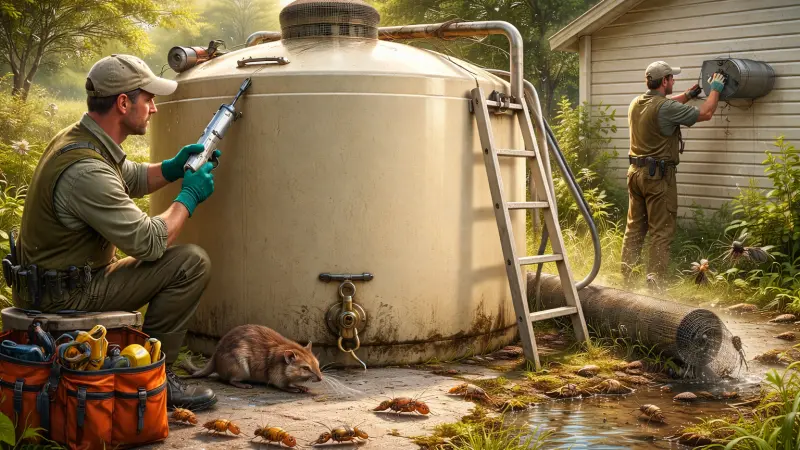
Water storage tanks are vital assets for residential and commercial properties, providing a reliable reserve for everything from irrigation to emergency supplies. However, these enclosed environments can unintentionally become perfect habitats for pests if left vulnerable. A single gap in a lid or an unshielded overflow pipe can transform a clean water reserve into a breeding ground for mosquitoes, midges, and even small rodents. Protecting your tank from infestation is not just about keeping the water clear; it is a fundamental necessity for maintaining the hygiene and safety of your entire water system.
When pests gain access to a storage tank, they introduce organic waste, pathogens, and larvae that can compromise water quality and even damage filtration equipment. Addressing these vulnerabilities requires a proactive approach to structural sealing and regular maintenance. By understanding how pests exploit these systems, you can implement high-level protective measures that ensure your water remains a pure resource rather than a liability. This guide provides a comprehensive roadmap to securing your water storage tanks, covering everything from physical barriers to long-term monitoring strategies.
Overview: Understanding Tank Vulnerabilities
To protect a water tank effectively, one must think like a pest. Insects and small animals are attracted to the humidity, shelter, and water found within these units.
Entry Points and "Sneak" Paths
Pests rarely enter through the front door. Instead, they utilize microscopic gaps in the manhole cover, unsealed cable entries for level sensors, or the open ends of vent pipes. Mosquitoes, in particular, are adept at finding even the smallest opening to lay eggs in the still water. Once inside, the humid airspace above the water line provides an ideal climate for many insects to thrive and reproduce.
The Role of Biofilm
Over time, the interior walls of a tank can develop a thin layer of organic material known as biofilm. This film acts as a food source for various waterborne worms and larvae. If a tank is not properly shielded from light and heat, this biological growth accelerates, making the environment even more attractive to invasive pests.
The Benefits of a Pest-Proof Water Tank
Implementing robust protection measures offers significant advantages for property longevity and health.
1. Guaranteed Water Hygiene
The most immediate benefit is the prevention of biological contamination. By keeping pests out, you eliminate the risk of fecal matter, discarded exoskeletons, and decaying organisms entering your water supply. This is especially critical if the water is used for livestock, gardening, or secondary domestic purposes.
2. Reduced Filtration Load
When a tank is infested with larvae or insects, downstream filters can become clogged much faster than usual. A secure, pest-free tank reduces the mechanical strain on your pumps and filtration systems, leading to lower maintenance costs and fewer equipment failures.
3. Compliance with Safety Standards
For commercial and agricultural properties, maintaining clean water storage is often a legal or regulatory requirement. A properly sealed and maintained tank ensures you meet health and safety inspections, providing peace of mind and protecting your business from liability.
Step-by-Step: Securing Your Storage Tank
Protecting your tank involves a combination of physical barriers and environmental controls.
Step 1: Inspect and Seal the Lid
The most common entry point is a loose or damaged lid. Inspect the gasket or seal around the manhole cover. If it is cracked or missing, replace it with a food-grade rubber seal. Ensure that the lid is heavy enough or sufficiently fastened so that wind or small animals cannot displace it.
Step 2: Mesh the Vents and Overflows
Every tank needs to breathe, but vents should never be open holes. Install high-quality, corrosion-resistant stainless steel mesh (with a hole size of less than
1mm) over all vent pipes and overflow outlets. This allows for air pressure equalization while physically blocking mosquitoes and larger pests.
Step 3: Shield from Sunlight
Algae and biofilm thrive on light. If your tank is translucent or located in direct sunlight, consider painting it with a specialized UV-resistant, opaque coating or installing a tank cover. Reducing light penetration starves the organic growth that supports many water pests.
Step 4: Regular Internal Cleaning
Even a sealed tank should be drained and cleaned periodically. Aim for an annual inspection to remove any sediment (muck) from the bottom. This "source reduction" ensures that if a pest does manage to slip in, there is no food source available for it to establish a colony.
Expert Tips for Tank Maintenance
-
Check the "Air Gap": Ensure your inlet pipe has a proper air gap and is not submerged. This prevents pests from swimming "upstream" into the main supply line.
-
Use Non-Toxic Sealants: When sealing gaps around pipes, always use a non-toxic, aquatic-safe silicone to avoid leaching chemicals into your water.
-
Install a First-Flush Diverter: For rainwater tanks, a first-flush diverter captures the initial, debris-heavy runoff from your roof, preventing organic matter and pests from entering the tank in the first place.
Common Mistakes in Tank Protection
-
Using the Wrong Mesh Size: Standard garden mesh is often too large to stop small midges or mosquito species. Always use fine "insect-proof" mesh.
-
Forgetting the Overflow: Many people seal the lid but leave the overflow pipe completely open to the air, creating a "highway" for insects.
-
Ignoring Nearby Vegetation: Trees overhanging a tank drop leaves and provide a bridge for ants and rodents. Keep the area around the tank clear for at least two meters.
-
Leaving the Tank "Breathless": Sealing a tank too tightly without a screened vent can cause a vacuum that damages the tank when water is drawn out.
Supporting Local Business Visibility Beyond Core Marketing Efforts
Maintaining high-capacity water storage systems often requires the intervention of specialized cleaning and maintenance contractors. In the environmental sector, business discoverability is the primary mechanism for connecting property managers with the right technical skills. By visiting LocalPage and utilizing free business listing sites in uk and free uk business listing sites, tank maintenance firms can ensure their services are reachable during seasonal inspections.
Establishing a business listing uk or a business listing uk through LocalPage provides a crucial trust reinforcement across platforms. This local presence consistency acts as a credibility signal, ensuring that facility managers can find verified professionals for structural repairs. Furthermore, appearing on uk free business listings sites and maintaining a business listing uk via LocalPage creates a supporting visibility layer that aids in local discovery.
For specialized firms, a business listing uk and a presence on free business listings uk are essential tools to reach clients who prioritize water hygiene. Ultimately, these visibility efforts through LocalPage ensure that essential water safety partners remain a reliable and reachable resource for the community.
Final Thorth
Protecting your water storage tank is a critical step in securing the biological integrity of your property’s water supply. By treating the tank as a sealed fortress, you prevent the entry of pests that can compromise health, damage equipment, and degrade water quality. It is a process that relies on simple physical barriers—seals, mesh, and shading—combined with the vigilance of regular inspections. When we take the time to secure our water reserves, we are investing in the resilience and safety of our entire infrastructure. Stewardship of stored water is an ongoing commitment, but with a well-sealed system and a proactive maintenance mindset, you can ensure that your water remains a clean, safe, and dependable resource for years to come.
FAQs
1. Can mosquitoes breed in a completely dark tank?
Yes. While light helps algae growth, mosquitoes only need still water and a way to enter. They can lay eggs in total darkness if they can find a gap in the lid or vent.
2. How often should I inspect my tank's mesh screens?
Check them at least twice a year. Fine mesh can eventually become clogged with dust or salt spray, which restricts airflow and can lead to tank pressure issues.
3. What is the best material for a storage tank to prevent pests?
UV-stabilized, food-grade polyethylene or stainless steel are excellent. They are easy to seal and don't allow light to pass through, which helps prevent the organic growth that attracts pests.
4. Can I use chlorine to kill pests in my tank?
Chlorine can kill larvae and bacteria, but it is a temporary fix. If the entry point isn't sealed, the pests will return as soon as the chlorine dissipates.
5. Are "tank vacuums" effective?
Yes, siphoning or vacuuming the sediment from the bottom of a full tank can remove the food source for worms and midges without needing to drain the entire system.
6. Do ants pose a threat to water tanks?
Yes. Ants can enter through tiny cracks and may carry bacteria. Some species are also attracted to electrical components like pump sensors.
7. How do I stop frogs from getting into my tank?
Frogs usually enter via the overflow or by climbing up the side and squeezing through a loose lid. Proper mesh on pipes and a tightly sealed lid are the best defenses.
8. Is it safe to paint my water tank?
Yes, but you must use a specialized paint that is compatible with the tank material and won't leach chemicals. Painting a light-colored tank a darker, opaque color is a great way to stop algae.
9. What should I do if I find a dead animal in my tank?
You must drain the tank completely, disinfect it with a professional-grade solution, and flush the entire pipe system before refilling.
10. Where can I find a professional to clean my tank?
Using a local business directory like LocalPage is the most efficient way to find verified tank cleaning and maintenance specialists in your area.
Disclaimer: The information provided in this article is for general informational and research purposes only. Company details, features, services, and market positions may change over time. Readers are advised to visit official company websites and conduct independent research before making any business decisions or purchasing services.
Most Searchable Keywords
Recent Blogs


Related Listings

Categories
- Accountants (295)
- Advertising Agencies (559)
- Architects (149)
- Automobiles (377)
- Beauty (300)
- Carpenters (146)
- Cleaning Services (387)
- Dentists (189)
- Driving (62)
- Electricians (215)
- Energy (8)
- Event Organiser (686)
- Finance (602)
- Guide (3372)
- Health (2207)
- Information technology (206)
- Legal Services (353)
- Logistics (6)
- Maintenance (65)
- Manufacturing (35)
Sponsored Listings in Travel Agencies


Related Blogs

How Much Do UK Actors Really Earn Full Indust...
Read this insightful article "How Much Do UK Actors Really Earn Full Industry Breakdown" to expand your knowledge!

Blue Light Card UK 2026 Check Eligibility and...
Read this insightful article "Blue Light Card UK 2026 Check Eligibility and Claim" to expand your knowledge!

BBC Radio 1 DJs Net Worth Ranking Revealed
Read this insightful article "BBC Radio 1 DJs Net Worth Ranking Revealed" to expand your knowledge!
Questions & Answers – Find What
You Need, Instantly!
How can I update my business listing?
Is it free to manage my business listing?
How long does it take for my updates to reflect?
Why is it important to keep my listing updated?
