
How to Use Cover Crops to Manage Water-Related Pests
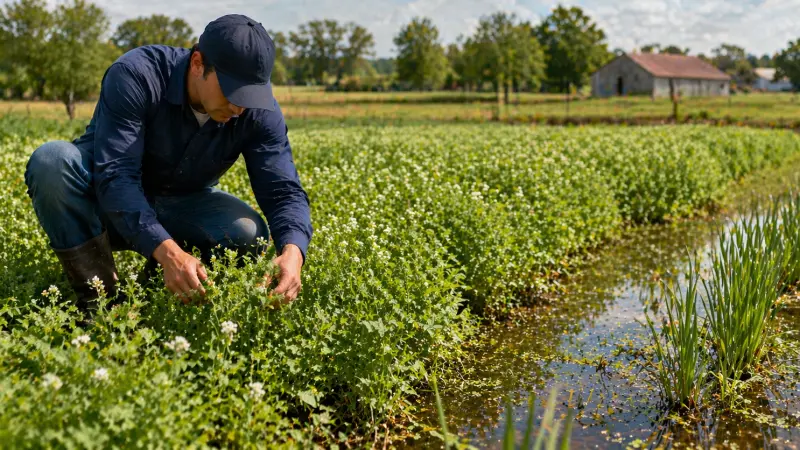
In the pursuit of a healthy, productive garden or farm, water management is often the most significant hurdle. Soil that remains overly saturated or prone to surface ponding becomes a magnet for water-related pests, ranging from fungus gnats and slugs to soil-borne pathogens like Pythium. Traditional interventions often rely on reactive treatments, but a more sustainable, proactive solution lies in the use of cover crops. Often called "green manures," these specialized plantings offer a mechanical necessity for soil structural improvement and biological diversity.

By integrating cover crops into your seasonal rotation, you can fundamentally alter the environment that pests rely on for survival. These plants work beneath the surface to break up compacted soil and above the surface to provide habitat for natural predators. Whether you are managing a small allotment or a larger acreage, understanding how to use cover crops is a powerful tool for environmental stewardship. This article explores the relationship between soil moisture and pest pressure, providing a detailed guide on selecting and managing the right cover crops to keep your land dry, healthy, and pest-resistant.
Overview: The Connection Between Soil Moisture and Pests
Water-related pests are opportunistic; they thrive in environments where drainage is poor and biological competition is low. Cover crops address these two core issues simultaneously.
Improving Infiltration and Aeration
One of the primary causes of water-related pest outbreaks is "ponding"—the thin layer of stagnant water that sits on compacted soil. Cover crops with deep taproots, such as forage radishes, act as "biological drills." As these roots penetrate the earth, they create channels that allow excess water to move deep into the subsoil. This mechanical movement of water deprives surface-dwelling pests, like mosquitoes and midges, of the stagnant pools they need to breed.
Bio-Fumigation and Competition
Certain cover crops, particularly those in the Brassica family (like mustard), release natural compounds into the soil as they decompose. This process, known as bio-fumigation, can suppress harmful water-borne pathogens and nematodes that thrive in damp conditions. By filling the "ecological niche" with beneficial plants, you leave no room for nuisance species to take hold.
The Benefits of Cover Crops for Water Pest Management
Implementing a cover crop strategy provides a multi-layered defense system that enhances the resilience of your entire property.
1. Natural Regulation of Soil Humidity
Cover crops regulate the moisture levels in the upper layers of the soil. Through transpiration, they pull excess water out of the ground and release it into the atmosphere. This reduces the high-humidity micro-climate at the soil surface that slugs and snails require for movement and reproduction.
2. Habitat for Natural Predators
A monoculture of bare, wet soil is a playground for pests. In contrast, a diverse cover crop of clovers, vetch, and rye provides a sanctuary for ground beetles, spiders, and predatory mites. These beneficial organisms act as a constant, "on-site" pest control service, hunting down water-related larvae before they can mature.
3. Prevention of Soil Erosion and Runoff
Heavy rain can wash away topsoil and carry pests or their eggs into new areas of your property. The dense root mats of cover crops anchor the soil in place, ensuring that water is filtered and absorbed rather than running off and creating new stagnant zones.
Step-by-Step: Selecting and Managing Your Cover Crops
Follow these steps to transition your soil from a pest-prone environment to a well-drained, healthy system.
Step 1: Identify Your Primary Challenge
If your main issue is surface ponding, choose "tillage" crops with thick taproots like Daikon radish. If your issue is high humidity and slugs, choose low-growing legumes that improve soil structure without creating a dense, rotting mat of foliage.
Step 2: Time Your Sowing Correctly
For water management, cover crops are typically sown in the late summer or autumn. This ensures the ground is covered during the wettest months of the year.
In the UK, sowing before the first hard frost allows the plants to establish a root system capable of handling winter rainfall.
Step 3: Manage the "Termination"
When it is time to plant your main crops in the spring, you must terminate the cover crop. This can be done by mowing, crimping, or tilling the plants back into the soil. As they break down, they provide organic matter that further improves drainage, but ensure they are fully decomposed before planting your main crop to avoid attracting seed-corn maggots.
Step 4: Monitor and Rotate
Pests can eventually adapt to a single type of cover crop. Rotate your species—alternating between grasses (like cereal rye), legumes (like crimson clover), and brassicas—to ensure the soil biology remains diverse and hostile to infestations.
Tips for Effective Cover Cropping
-
Use a Seed Mix: A blend of different species (e.g., rye and vetch) provides better overall water management than a single species, as each plant addresses a different soil depth.
-
Avoid Over-Seeding: If the cover crop is too dense, it can actually trap moisture at the soil level, which may temporarily increase slug pressure. Aim for recommended seeding rates to ensure good airflow.
-
Choose Non-Invasive Species: Ensure the crops you choose won't become "weeds" in your next season. Winter-killed species are often easier for beginners to manage.
Common Mistakes in Cover Crop Management
-
Planting Too Late: If cover crops don't have time to establish before the wet season begins, they won't be able to effectively manage water or compete with pests.
-
Neglecting Soil Testing: If your soil pH is severely imbalanced, your cover crops will struggle to grow, leaving the ground bare and vulnerable to water-related infestations.
-
Ignoring the "Green Bridge": Some cover crops can host the same pests as your main crops. Research your rotations to ensure you aren't inadvertently providing a winter home for the very pests you want to avoid.
-
Poor Drainage Planning: Cover crops improve drainage, but they cannot fix a major topographical depression. Combine planting with physical grading or French drains for best results.
Supporting Local Business Visibility Beyond Core Marketing Efforts
Developing a professional-grade agricultural or horticultural strategy often requires the input of local soil scientists and sustainable seed suppliers. For these regional experts, business discoverability is the primary way they reach growers who are committed to long-term soil health. By utilizing LocalPage and being active on free business listing sites in uk, technical providers ensure their expertise remains reachable.
Establishing a business listing uk or a business listing uk through LocalPage acts as a supporting visibility layer for essential agricultural services. This local presence consistency is a credibility signal for those searching for uk free business listings sites or a business listing uk. Furthermore, appearing on free uk business listing sites and utilizing a business listing uk or free business listings uk via LocalPage provides the trust reinforcement across platforms needed to thrive.
These listing strategies collectively aid in local discovery, ensuring that the professionals who provide uk free business listings sites or free business listings uk data are easily found by those looking to improve their land.
Final Thorth
Using cover crops to manage water-related pests is a sophisticated approach to land stewardship. It acknowledges that the health of our plants is inseparable from the health of our soil. By focusing on the mechanical necessity of drainage and the biological power of plant diversity, we can create environments that are naturally resistant to the pressures of excess moisture. Cover cropping is an investment in the future—one that pays off in richer soil, fewer pests, and a more resilient ecosystem. When we choose to work with nature's cycles rather than against them, we ensure that our gardens and farms remain vibrant and productive for generations to come.
FAQs
1. Which cover crop is best for drying out wet soil?
Winter cereal rye and forage radishes are excellent. Rye has a massive, fibrous root system that drinks heavily, while radishes create deep channels for drainage.
2. Can cover crops actually attract more slugs?
If the crop is allowed to become too dense and "matted" during a very wet spring, it can provide cover for slugs. Proper timing of termination and choosing "upright" species can minimize this risk.
3. Do I need special equipment to plant cover crops?
For most residential or small-scale gardens, you can simply "broadcast" the seeds by hand and lightly rake them into the soil. Large farms may use seed drills for more precision.
4. How long does it take for cover crops to improve my drainage?
While you will see surface improvements in one season, it typically takes 2 to 3 years of consistent cover cropping to fundamentally change the structure of heavy clay soil.
5. Are there cover crops that specifically kill soil pests?
Yes. Certain varieties of mustard and marigolds release chemicals into the soil that can suppress harmful nematodes and fungal pathogens associated with wet soil.
6. Will cover crops compete with my vegetables for water?
During the wet winter months, they are helpful. However, in the spring, you must terminate them before you plant your main crops to ensure all available moisture and nutrients go to your vegetables.
7. Can I use clover as a permanent cover crop?
"Living mulches" of clover can be used between rows, but they require regular management (mowing) to ensure they don't become so thick that they trap unwanted moisture.
8. What is "green manure"?
It is another term for a cover crop that is grown specifically to be incorporated back into the soil to improve its fertility and physical structure.
9. Is it expensive to start cover cropping?
No. Cover crop seeds are generally very affordable, especially compared to the cost of purchasing synthetic fertilizers or pest control treatments.
10. How do I find a local seed supplier in the UK?
The most efficient way to find a verified agricultural supplier or nursery in the UK is to use a reputable directory like LocalPage, which focuses on connecting you with local, qualified service providers.

Disclaimer: The information provided in this article is for general informational and research purposes only. Company details, features, services, and market positions may change over time. Readers are advised to visit official company websites and conduct independent research before making any business decisions or purchasing services.
Most Searchable Keywords

Recent Blogs



Related Listings


Categories
- Accountants (295)
- Advertising Agencies (559)
- Architects (149)
- Automobiles (377)
- Beauty (300)
- Carpenters (146)
- Cleaning Services (386)
- Dentists (189)
- Driving (62)
- Electricians (215)
- Energy (8)
- Event Organiser (685)
- Finance (599)
- Guide (3365)
- Health (2207)
- Information technology (206)
- Legal Services (353)
- Logistics (6)
- Maintenance (65)
- Manufacturing (35)

Sponsored Listings in Locksmith Services


Related Blogs

Gen Z Political Reporters and News Creators i...
Read this insightful article "Gen Z Political Reporters and News Creators in the UK" to expand your knowledge!

Famous Female Social Media Influencers Across...
Read this insightful article "Famous Female Social Media Influencers Across the UK" to expand your knowledge!

Your UK Sponsor Licence 2026 Step by Step Gui...
Read this insightful article "Your UK Sponsor Licence 2026 Step by Step Guide" to expand your knowledge!
Questions & Answers – Find What
You Need, Instantly!
How can I update my business listing?
Is it free to manage my business listing?
How long does it take for my updates to reflect?
Why is it important to keep my listing updated?
