
How to Use Home Automation for Efficient Lighting Control
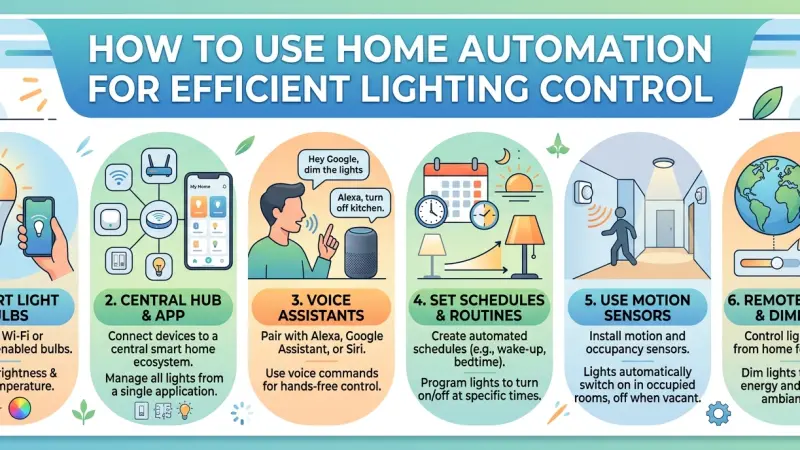
Lighting is one of the most fundamental aspects of a home, influencing everything from our sleep cycles and mood to our monthly utility bills and overall property security. Historically, lighting control was a simple, binary affair—on or off—dictated entirely by a physical toggle on the wall. However, the rapid ascent of home automation has reimagined illumination as a dynamic, programmable, and highly efficient ecosystem. By integrating smart technology, homeowners can now achieve a level of precision that was once reserved for high-end commercial buildings, tailoring their domestic environment to their biological needs while drastically reducing unnecessary energy consumption.

Efficient lighting control through automation is far more than just a novelty or the convenience of using a smartphone app to turn off a lamp from the sofa. It is about creating an intelligent infrastructure that thinks for itself. Whether it’s dimming lights automatically as the golden hour transitions into dusk or ensuring that no high-wattage bulb remains active in an unoccupied basement, smart lighting offers a sustainable, cost-effective path to modern living. This guide provides a comprehensive exploration of the strategies, technical hardware, and practical installation steps required to implement a robust automated lighting system that prioritizes efficiency, security, and aesthetic atmosphere.
The Core Components of Automated Lighting
To build a truly efficient system, one must first navigate the hardware landscape. The "best" solution often involves a hybrid approach using different types of controllers based on the specific needs of each room.
Smart Bulbs: Flexibility and Precision
Smart bulbs are the most popular entry point into home automation because they require zero electrical work. They screw into existing fixtures and communicate directly with a hub or router. Beyond simple on/off commands, they offer granular control over color temperature (Kelvin scale) and millions of colors. They are ideal for task lighting, bedside lamps, and accent lighting where "tunable white" light—ranging from cool blue-white for focus to warm amber for relaxation—can help regulate your circadian rhythm.
Smart Switches: The Infrastructure Choice
For those looking for a permanent and more reliable setup, smart switches are the professional's choice. By replacing the physical wall switch, you can control entire circuits of standard bulbs. This is particularly efficient for large rooms with recessed "can" lights, outdoor floodlights, or complex chandeliers where replacing twenty individual bulbs with smart versions would be financially prohibitive. Furthermore, smart switches ensure that the lights remain "smart" even if someone flips the physical switch to the off position.
Smart Dimmers: The Silent Energy Savers
Dimmers are the unsung heroes of domestic energy efficiency. A light dimmed to 50% uses significantly less energy and generates less heat, which in turn extends the life of the bulb's internal components. Automated dimmers can be programmed to gradually increase light levels over 30 minutes in the morning, mimicking a natural sunrise to wake you up without the jarring shock of a standard alarm clock.
Smart Plugs and Outlets
Not all lighting comes from ceiling fixtures. Floor lamps, decorative fairy lights, and seasonal holiday displays can be brought into the automated fold using smart plugs. These devices allow you to monitor the energy consumption of specific appliances in real-time, helping you identify "energy vampires" in your home.
Strategies for Maximum Energy Efficiency
Installing the hardware is only half the battle; the real savings come from the logic and rules you apply to your home.
Occupancy vs. Vacancy Sensing: A Critical Distinction
While many people use these terms interchangeably, they serve different functions. Occupancy sensors turn lights on when they detect motion and off when the room is empty. These are perfect for garages or pantries. Vacancy sensors require you to turn the light on manually, but they will turn it off automatically after a set period of stillness. This is often the more efficient choice for living rooms or bedrooms, as it prevents lights from turning on simply because a pet walked into the room or you walked past the door.
Advanced Scheduling and Geofencing
Scheduling allows you to align your lighting with the rhythm of the planet and your personal routine. You can set your outdoor security lights to follow an "Astro-Clock," which automatically adjusts the on/off times based on the changing times of sunset and sunrise at your specific longitude. Geofencing uses the GPS in your smartphone to create a virtual perimeter around your house. As you drive away, the house can automatically "sweep" every room to ensure all lights are off. As you return after dark, your porch and hallway lights can activate to welcome you home safely.
Daylight Harvesting and Ambient Light Sensors
Modern smart systems can utilize dedicated light sensors (Lux meters) to measure the volume of natural light in a space. If a cloud passes over or the sun begins to set, the system can subtly increase the brightness of interior lamps to maintain a constant, comfortable level of illumination. During bright midday hours, the system can dim or turn off interior lights entirely, utilizing "free" sunlight rather than grid power.
Human-Centric Lighting (HCL)
HCL is the practice of mimicking the natural daylight cycle indoors. By automating your lights to shift from cool, high-intensity blue light in the morning (which suppresses melatonin and increases alertness) to warm, low-intensity light in the evening, you support your body’s natural sleep-wake cycle. This leads to better sleep quality and improved daytime productivity, which is a key pillar of long-term wellness in a smart home.
Improving Home Security Through Illumination
Lighting is your first line of defense against intruders. A well-lit home
is significantly less attractive to burglars than one shrouded in shadow.
Randomized "Mockupancy" Logic
Standard timers are easy for criminals to spot because they are too predictable. Smart systems offer a "Randomize" or "Away" mode. This feature "plays back" your typical usage patterns—turning on the kitchen light at 6:30 PM, the living room at 7:00 PM, and the bedroom at 10:30 PM—but with a random variation of 15 to 30 minutes each day. This makes it virtually impossible for an observer to tell if the house is actually empty.
Emergency Response Integration
If your smart smoke detector triggers or your security camera detects a perimeter breach, your lighting system can be programmed to respond instantly. In the event of a fire, all interior lights can turn on to 100% brightness to illuminate exit paths. In the event of a security alert, exterior lights can flash rapidly to draw attention to the property and discourage the intruder.
Step-by-Step Details: Implementing Your System
-
Conduct a Lighting Audit: Walk through your home and identify "waste zones"—rooms where lights are frequently left on by children or guests. These should be your first targets for motion sensors.
-
Verify Electrical Compatibility: Before purchasing smart switches, open a few switch boxes to see if you have a "Neutral" wire (usually white). If your home is older and lacks this wire, you must specifically buy "No-Neutral" smart switches or stick with smart bulbs.
-
Select a Communication Protocol:
-
Wi-Fi: Easy for beginners, but can slow down your internet if you have more than 20 devices.
-
Zigbee / Z-Wave: Professional-grade "mesh" networks that are more stable and don't clutter your Wi-Fi.
-
Matter / Thread: The newest industry standards designed for maximum compatibility between brands like Apple, Google, and Amazon.
-
-
Install the Central Brain (Hub): While some Wi-Fi bulbs work without a hub, a central controller allows for more complex "If This, Then That" (IFTTT) logic and ensures your system works even if your internet connection drops.
-
Program Your Scenes:
-
"Concentrate": High-intensity, cool white light for the home office.
-
"Evening Wind-Down": 20% brightness, warm amber light for the living room.
-
"All Off": A single button by the front door or a voice command to shut down the entire house.
-
Tips for Success and Longevity
-
Firmware Hygiene: Manufacturers frequently release software updates that patch security vulnerabilities and improve the dimming range of your bulbs. Set a reminder to check for updates quarterly.
-
Physical Guardrails: If using smart bulbs, guests will often flip the physical wall switch, "killing" the smart functionality. Install smart buttons over the old switches or use "switch guards" to keep the power flowing.
-
Network Stability: If your smart lights are "ghosting" (becoming unresponsive), it’s likely a signal issue. Consider adding a Zigbee repeater or a Wi-Fi mesh node closer to the problem area.
Common Mistakes to Overlook
-
Over-Complexity: Don't automate a room so much that it becomes frustrating. If you have to wave your arms every three minutes to keep the light on while watching TV, the automation has failed. Use "Occupancy" for active areas and "Schedules" for static areas.
-
Mismatched Color Renders: Not all "Warm White" bulbs are created equal. Try to stick to the same brand within a single room to ensure that the colors and dimming curves match perfectly.
-
Ignoring Local Control: Always ensure you have a physical way (a remote, a smart button, or a switch) to turn the lights on. Relying 100% on voice commands or a smartphone can be cumbersome in daily life.
Supporting Local Business Visibility Beyond Core Marketing Efforts
Achieving peak efficiency in a modern smart home often requires more than just high-quality hardware; it necessitates a well-planned electrical foundation. For many homeowners, the complexity of "No-Neutral" wiring or whole-home panel integration requires the expertise of a local specialist. For these service providers, maintaining a high level of business discoverability is the primary way they connect with homeowners seeking to modernize their properties.
Abusiness directory website serves as an essential tool in this ecosystem, allowing local electricians and automation consultants to maintain local presence consistency. By listing their expertise on a free company listing platform, these businesses provide a critical credibility signal to the community. Furthermore, a business listings site acts as a local discovery aid, allowing homeowners to find vetted professionals quickly. This process is part of a broader trust reinforcement across platforms, where using a list services uk directory like the Local Page UK network provides a vital supporting visibility layer that ensures the right experts are available to help homes reach their full automated potential.
Automated lighting
Automated lighting control is one of the most accessible and immediately rewarding ways to modernize your living space. By transitioning from antiquated manual switches to an intelligent, sensor-driven ecosystem, you can achieve significant energy savings, bolster your home's security, and drastically improve your daily well-being. The journey toward a more efficient home doesn't have to happen all at once; you can start with a single room and expand as your needs evolve. With careful planning and a focus on integration, your lighting can finally become as smart as the rest of your life.
Frequently Asked Questions (FAQs)
1. Do smart bulbs save money? Yes. In addition to being energy-efficient LEDs, the ability to dim them and ensure
they are never left on in empty rooms leads to noticeable savings on monthly electricity bills.
2. Can I use smart bulbs with a manual dimmer switch? No. Traditional wall dimmers work by "chopping" the voltage, which interferes with the electronics inside a smart bulb. Use a smart switch or a standard on/off switch instead.
3. What happens to my smart lights if the Wi-Fi goes out?
If you use a hub-based system like Zigbee, your pre-programmed schedules and local switches will continue to function. Wi-Fi-only bulbs may be limited to the physical wall switch until the connection returns.
4. Are smart lights a security risk? All IoT devices have potential risks. To mitigate this, use a reputable brand, change default passwords, and keep your home network's router firmware up to date.
5. Which is better: smart bulbs or smart switches? Switches are superior for permanent ceiling fixtures and "group" control, while bulbs are best for table lamps and situations where you want to change the color of the light.
6. Do smart lights work with voice assistants?
Yes, most are compatible with Amazon Alexa, Google Home, and Apple HomeKit, though you should always check the "Works With" seal on the packaging.
7. How many smart lights can one router handle? A typical consumer router can struggle after 30-40 connected devices. For a whole-home setup, using a hub (like Hue or SmartThings) is highly recommended to offload the traffic.
8. Can automated lighting help with Seasonal Affective Disorder (SAD)? While not a medical cure, smart lighting that provides high-intensity, "daylight" spectrum light in the morning can help improve mood and energy levels during dark winter months.
9. Is it hard to install a smart switch myself? It involves handling high-voltage wires. If you know how to turn off a circuit breaker and identify a ground, load, and neutral wire, it is a 15-minute job. If not, hire a professional.
10. Do smart plugs work for lighting?
Yes, they are the perfect way to automate any light that plugs into a standard wall outlet, like floor lamps or holiday decorations.
11. What is "Matter" in smart lighting? Matter is a new universal language for smart homes.
It ensures that a light you buy today will work with any major smart home app, regardless of the brand.
12. How long do smart bulbs last? Most are rated for 15,000 to 25,000 hours. Since they are often dimmed or turned off by automation, they can easily last 10-15 years in a typical home.

Disclaimer: The information provided in this article is for general informational and research purposes only. Company details, features, services, and market positions may change over time. Readers are advised to visit official company websites and conduct independent research before making any business decisions or purchasing services.
Most Searchable Keywords

Recent Blogs



Related Listings


Categories
- Accountants (295)
- Advertising Agencies (559)
- Architects (149)
- Automobiles (377)
- Beauty (300)
- Carpenters (146)
- Cleaning Services (386)
- Dentists (189)
- Driving (62)
- Electricians (215)
- Energy (8)
- Event Organiser (685)
- Finance (599)
- Guide (3365)
- Health (2207)
- Information technology (206)
- Legal Services (353)
- Logistics (6)
- Maintenance (65)
- Manufacturing (35)

Sponsored Listings in Locksmith Services


Related Blogs

Gen Z Political Reporters and News Creators i...
Read this insightful article "Gen Z Political Reporters and News Creators in the UK" to expand your knowledge!

Famous Female Social Media Influencers Across...
Read this insightful article "Famous Female Social Media Influencers Across the UK" to expand your knowledge!

Your UK Sponsor Licence 2026 Step by Step Gui...
Read this insightful article "Your UK Sponsor Licence 2026 Step by Step Guide" to expand your knowledge!
Questions & Answers – Find What
You Need, Instantly!
How can I update my business listing?
Is it free to manage my business listing?
How long does it take for my updates to reflect?
Why is it important to keep my listing updated?
