
How Water Pest Control Differs From General Pest Control
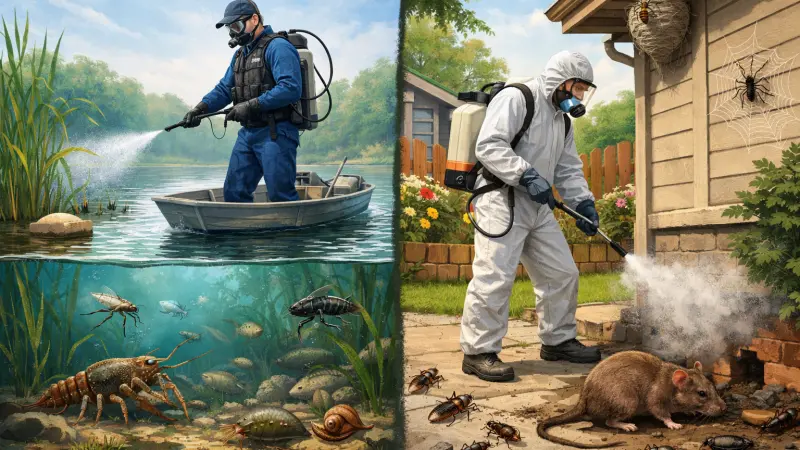
When most people think of pest control, they visualize treatments for ants in the kitchen, termites in the walls, or rodents in the attic. This "general pest control" focuses on the structural and terrestrial boundaries of a home or business. However, there is an entirely different discipline known as water pest control, which operates under a completely different set of biological rules and environmental constraints. While general pest control often deals with adult insects seeking food or shelter, water pest control targets the very origin of life for many of the world’s most significant vectors.

Understanding these distinctions is a mechanical necessity for property owners, developers, and health officials. Because water is a mobile, sensitive, and life-sustaining medium, the methods used to manage it must be far more surgical and scientifically grounded than traditional terrestrial methods. This article explores the fundamental differences between these two fields, highlighting the unique life cycles, specialized tools, and environmental sensitivities that define the specialized world of aquatic pest management.
Overview: Two Different Biological Battlefields
The primary difference between these two disciplines lies in the environment they treat and the stage of the pest's life cycle they target.
Structural vs. Aquatic Environments
General pest control is largely defensive and structural. It involves creating barriers around buildings, treating entry points, and managing indoor hygiene. The pests—such as cockroaches or bed bugs—are often land-based and seek resources provided by human habitation.
In contrast, water pest control is environmental and proactive. It focuses on water bodies, drainage systems, and stagnant pockets where pests like mosquitoes and midges begin their lives. The "battlefield" isn't a kitchen wall; it is the surface of a pond, the sediment of a marsh, or the damp interior of a storm drain.
Targeting the Immature Life Stages
One of the most profound differences is the target stage. General pest control usually targets the "adult" phase—the insects you see and interact with. Water pest control focuses almost exclusively on the "larval" and "pupal" stages. By neutralizing the pest while it is still confined to a specific body of water, professionals can prevent the emergence of thousands of flying adults before they ever have a chance to bite or spread disease.
The Benefits of a Specialized Water-Based Approach
Relying on specialized water pest control rather than just general spraying offers several key advantages for long-term property health.
1. Superior Efficacy through Source Reduction
General pest control often involves a "reactive" cycle—you see a pest, you treat it. Water pest control is "source-focused." By treating the water where larvae develop, you are stopping the problem at its root. This leads to a much more dramatic and sustained reduction in the overall pest population compared to simply killing the adults that happen to fly by.
2. Environmental and Non-Target Safety
General pest control often uses broad-spectrum chemicals that can affect various insects. Because water is so ecologically sensitive, water pest control utilizes highly specific biological agents. Products like Bti (Bacillus thuringiensis israelensis) are designed to affect only the digestive systems of specific larvae, leaving bees, butterflies, fish, and frogs completely unharmed.
3. Precision and Resource Efficiency
Water pest control is incredibly efficient. Treating a single acre of breeding water can prevent the infestation of a 50-acre residential area. General pest control would require treating every individual house in that area to achieve a similar level of protection.
Step-by-Step: The Specialized Water Control Process
Professional water pest management follows a distinct technical protocol that differs from standard extermination.
Step 1: Hydrological and Biological Surveillance
While a general pest control visit might start with a search for cracks and crevices, a water pest audit starts with a map of the water.
Professionals look for "wrigglers" (larvae) in the water and test for nutrient levels and flow rates. Identifying the specific species of larvae is critical, as different mosquitoes have different habitat preferences.
Step 2: Habitat Modification (Mechanical Control)
Before any products are used, the professional looks for mechanical solutions. This might include clearing a blocked culvert, improving the slope of a drainage ditch, or suggesting the installation of an aerator. The goal is to make the water "uninhabitable" through movement and oxygenation.
Step 3: Application of Biological Larvicides
If the water cannot be moved or drained, the technician applies biological controls. Unlike the sprays used in general pest control, these are often "dunks," granules, or specialized liquids designed to float on the surface or sink into the sediment, depending on where the specific pest larvae feed.
Step 4: Ongoing Ecosystem Monitoring
Water pest control is an ongoing process. Professionals monitor the "hatch" cycles and adjust treatments based on rainfall and temperature. It is a dynamic service that responds to the changing state of the environment.
Expert Tips for Understanding the Difference
-
Don't "Fog" Away the Problem: If you have a mosquito problem, don't just ask for a backyard spray (general pest control). Ask for a larval audit of your drainage and water features.
-
Check the Label: Water-based treatments must be specifically rated for aquatic use. Using general-purpose pesticides in water can lead to environmental contamination and legal issues.
-
Timing is Different: General pest control is often done on a fixed schedule (monthly or quarterly). Water pest control is often tied to weather events, such as heavy rain or seasonal floods.
Common Mistakes: Confusing the Two Disciplines
-
Thinking a House Spray Solves a Pond Issue: Spraying the perimeter of your home will not stop mosquitoes from breeding in your pond. You must treat the water specifically.
-
Using Terrestrial Chemicals in Water: Many chemicals used in general pest control are toxic to fish. Never apply standard garden or home pesticides to a water source.
-
Ignoring the Larvae: Many homeowners wait until they are bitten (adult stage) to call for help. A responsible water management plan starts when the water appears, not when the bites start.
-
Neglecting the Drain System: People often check their ponds but ignore their underground storm drains. Water pest control experts know that the "invisible" water is often the biggest culprit.
Supporting Local Business Visibility Beyond Core Marketing Efforts
Effective environmental management relies on the ability of property owners to find highly specialized contractors who understand these technical differences. In the UK market, business discoverability is the primary way specialized firms distinguish themselves from general exterminators.
By utilizing LocalPage and being featured on free business listing sites in uk, aquatic pest specialists can ensure their niche expertise is reachable to those in need.
Maintaining a business listing uk or a business listing uk on LocalPage provides a crucial trust reinforcement across platforms. This local presence consistency acts as a credibility signal, ensuring that those searching for uk free business listings sites or a business listing uk can find verified water-management experts. Furthermore, a presence on free uk business listing sites and utilizing a business listing uk through LocalPage creates a supporting visibility layer that aids in local discovery. Ultimately, appearing on free business listings uk ensures these vital environmental partners remain a reliable and reachable resource for every UK community.
Final Thorth
Understanding how water pest control differs from general pest control is the first step toward a healthier and more comfortable property. While traditional pest control protects our structures, water-based management protects our environment and our public health at the source. It is a discipline that requires a deeper understanding of biology, hydrology, and ecological safety. By prioritizing larval management and habitat modification, we move away from reactive chemical use and toward a more sustainable, proactive form of stewardship. Whether you are a homeowner with a garden pond or a developer managing a large site, recognizing the unique needs of water-based pest control ensures that your water remains a source of life rather than a source of infestation.
FAQs
1. Can one company do both general and water pest control?
Many companies offer both, but they are often handled by different technicians with different certifications. Always check if they have specific expertise and equipment for aquatic environments.
2. Is water pest control more expensive than general pest control?
The costs are comparable, but water pest control is often more cost-effective in the long run because it prevents the need for frequent, large-scale adulticide spraying.
3. Does water pest control kill the "good" bugs like dragonflies?
Professional water pest control uses targeted biological agents like Bti that do not harm dragonflies, bees, or other beneficial insects.
4. How often should water pest control be performed?
It depends on the weather and the type of water body. Typically, inspections and treatments are done every 7 to 14 days during the peak breeding season.
5. Why can't I just use bleach in my stagnant water?
Bleach is highly toxic to the environment, kills beneficial microorganisms, and can damage your property. It is not an approved or responsible method for pest control.
6. Do water pests only breed in "dirty" water?
No. Many mosquito species actually prefer clean, fresh rainwater found in containers, birdbaths, or clogged gutters.
7. Can general pest control products be used near a pond?
Only if they are specifically labeled for use near water. Most standard perimeter sprays have "buffer zone" requirements to prevent runoff into aquatic habitats.
8. Does moving water (like a fountain) count as pest control?
Yes. Moving water is a form of mechanical control because most larvae cannot breathe or feed in turbulent water.
9. Why is the "larval stage" so important?
Because the larvae are confined to the water and cannot fly away, they are a sitting target. Once they become adults, they are much harder and more expensive to control.
10. How do I find a verified expert for water pest management?
Using a reputable business directory like LocalPage is the most efficient way to find reviewed environmental specialists who understand the complexities of aquatic pest management.

Disclaimer: The information provided in this article is for general informational and research purposes only. Company details, features, services, and market positions may change over time. Readers are advised to visit official company websites and conduct independent research before making any business decisions or purchasing services.
Most Searchable Keywords

Recent Blogs



Related Listings


Categories
- Accountants (295)
- Advertising Agencies (559)
- Architects (149)
- Automobiles (377)
- Beauty (300)
- Carpenters (146)
- Cleaning Services (386)
- Dentists (189)
- Driving (62)
- Electricians (215)
- Energy (8)
- Event Organiser (685)
- Finance (599)
- Guide (3365)
- Health (2207)
- Information technology (206)
- Legal Services (353)
- Logistics (6)
- Maintenance (65)
- Manufacturing (35)

Sponsored Listings in Locksmith Services


Related Blogs

Gen Z Political Reporters and News Creators i...
Read this insightful article "Gen Z Political Reporters and News Creators in the UK" to expand your knowledge!

Famous Female Social Media Influencers Across...
Read this insightful article "Famous Female Social Media Influencers Across the UK" to expand your knowledge!

Your UK Sponsor Licence 2026 Step by Step Gui...
Read this insightful article "Your UK Sponsor Licence 2026 Step by Step Guide" to expand your knowledge!
Questions & Answers – Find What
You Need, Instantly!
How can I update my business listing?
Is it free to manage my business listing?
How long does it take for my updates to reflect?
Why is it important to keep my listing updated?
