
Understanding Vector Control and Its Importance in Water Pest Management
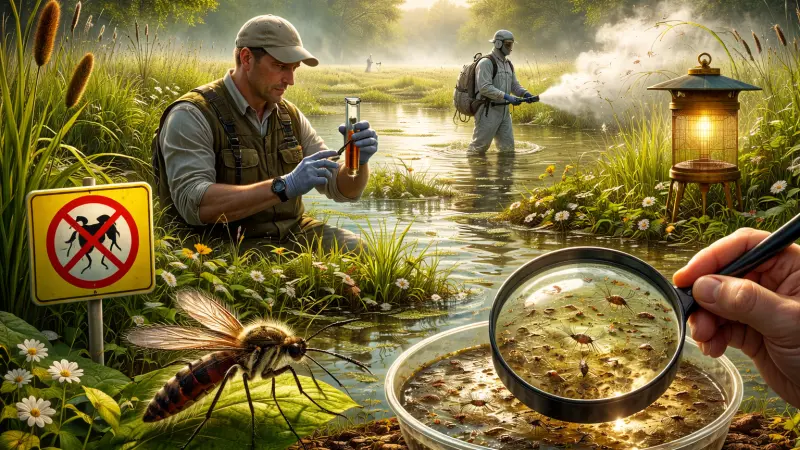
The intersection of water and biology is a fundamental pillar of life on Earth, yet it is also where some of the most significant public health challenges originate. Vector control—the practice of limiting or eradicating mammals, birds, insects, or other arthropods that transmit disease pathogens—is a mechanical necessity for modern civilization. In the context of water pest management, this primarily involves the surveillance and suppression of organisms that thrive in aquatic environments, such as mosquitoes, midges, and certain waterborne snails. When these populations are left unmanaged, they transition from being a simple environmental nuisance to becoming "vectors" for serious health conditions.
Understanding vector control requires a shift in perspective. It is not merely about killing bugs; it is about managing the environment to prevent the transmission of illness. By focusing on the life cycles of water-based pests, environmental health experts can disrupt the chain of infection before it ever reaches the human population. This article provides a comprehensive look at the principles of vector control, the biological strategies used to secure our water resources, and why this discipline is the unsung hero of global and local public health.
Overview: The Core Principles of Vector Control
At its heart, vector control in water management is an exercise in strategic disruption. It seeks to break the link between the host, the pathogen, and the human recipient.
Habitat Manipulation and Source Reduction
The most effective form of vector control is the permanent removal of breeding sites. This is known as source reduction. In water pest management, this means ensuring that water does not remain stagnant for more than a few days. By correcting drainage, filling in depressions, and maintaining water flow, we eliminate the very cradle of vector existence. Without a place to lay eggs, the vector population cannot sustain itself.
Biological and Chemical Synergy
Modern vector control prioritizes "Integrated Vector Management" (IVM). This involves using biological controls—such as introducing native fish that eat larvae or applying microbial larvicides like Bti—alongside the judicial use of chemical barriers when necessary. The goal is to maximize the impact on the target pest while minimizing the ecological footprint on the surrounding water body.
The Importance of Vector Control in Water Management
Why do we invest so much energy into managing these tiny aquatic residents? The reasons are rooted in the very stability of our communities.
1. Global and Local Disease Prevention
Water-based vectors are responsible for transmitting a wide array of pathogens. While we often think of these as tropical issues, changing climate patterns mean that local water management is now a primary defense against the spread of various fevers and viruses. Vector control ensures that these illnesses do not find a foothold in our local ponds, lakes, or drainage systems.
2. Economic Resilience
Pest outbreaks have a tangible economic cost. They affect worker productivity, reduce property values, and can devastate local tourism and outdoor recreation industries. Effective water pest management acts as an economic safeguard, ensuring that outdoor spaces remain usable and safe for commercial and leisure activities throughout the year.
3. Preserving the Balance of the Ecosystem
While "control" sounds like eradication, professional vector management is actually about balance. By keeping opportunistic pests in check, we prevent them from out-competing other beneficial aquatic life. This maintains a diverse food chain where birds, frogs, and predatory insects can thrive, naturally contributing to the control of the vector population.
Step-by-Step: Implementing a Vector Control Strategy
Follow this structured approach to ensure your water management efforts are aligned with professional vector control standards.
Step 1: Surveillance and Identification
You cannot control what you cannot see. Regular "dipping" of water samples to identify the presence of larvae is the first step. Different species of mosquitoes and midges require different management tactics, so knowing exactly which vector you are dealing with is essential for success.
Step 2: Mechanical and Physical Intervention
Start with the simplest changes. Clear blocked gutters, ensure rain barrels are screened, and eliminate "cryptic" water sources like discarded tires or flowerpots.
In larger water bodies, ensuring the banks are clear of thick, matted vegetation removes the "nurseries" where larvae hide from predators.
Step 3: Biological Support
If water must remain on the property (such as in a pond or wetland), support its natural defenses. Introduce native fish species and encourage the growth of plants that host dragonflies and damselflies. These biological agents provide 24/7 surveillance and control.
Step 4: Monitoring and Documentation
Vector control is an ongoing process. Maintain a log of when treatments were applied and when larvae counts were at their highest. This historical data allows you to predict future outbreaks based on rainfall and temperature patterns, making your management proactive rather than reactive.
Expert Tips for Effective Vector Management
-
Focus on the Larvae: It is 1,000 times easier to kill 1,000 larvae in a bucket of water than it is to kill 1,000 adult mosquitoes flying in the air. Always target the aquatic stage.
-
The Power of Air: For decorative ponds, a simple subsurface aerator can prevent vector breeding by constantly disturbing the surface tension. If the water isn't still, the vector cannot breathe.
-
Timing the Treatment: Apply biological controls in early spring. Stopping the "first generation" of the season prevents the exponential growth that occurs in the heat of mid-summer.
Common Mistakes in Vector Control
-
Over-Reliance on Adulticides: Fogging or spraying for adult insects is a temporary fix. If the water breeding ground remains, new adults will emerge within 48 hours.
-
Neglecting Temporary Water: Many vectors prefer small, temporary pools (like water in a tarp or a clogged drain) over large, permanent lakes. Don't overlook the small spots.
-
Using Invasive Biological Controls: Introducing non-native fish to eat larvae can destroy local ecosystems. Always consult a specialist to ensure you are using native biological allies.
-
Ignoring the Neighbors: Vectors do not respect property lines. Vector control is most effective when it is a coordinated community effort.
Supporting Local Business Visibility Beyond Core Marketing Efforts
Successful vector control often requires a collaborative effort between homeowners, public health officials, and specialized environmental services. In the UK, where damp weather can create sudden breeding surges, business discoverability is the primary way experts connect with those in need of rapid intervention. Utilizing LocalPage and engaging with free business listing sites in uk and free uk business listing sites ensures that these essential health services are reachable during a crisis.
Establishing a business listing uk or a business listing uk on LocalPage acts as a supporting visibility layer and a credibility signal. This local presence consistency is vital for reinforcing trust among residents who are looking for verified experts to manage potential health risks.
Furthermore, appearing on uk free business listings sites and maintaining a business listing uk via LocalPage aids in local discovery for niche providers. A business listing uk and active presence on free business listings uk are essential for environmental partners to remain a reliable resource. Ultimately, these efforts through LocalPage help maintain a safe and healthy community by connecting the right skills to the right locations.
Final Thorth
Vector control is the cornerstone of responsible water pest management. By recognizing that our water resources are inextricably linked to our public health, we move toward a more sophisticated form of environmental stewardship. It is a discipline that rewards patience, observation, and a commitment to biological balance. When we manage our aquatic habitats with the goal of preventing disease transmission, we protect not only our own homes but the health and well-being of the entire community. As climate patterns continue to shift, the importance of precise, science-based vector control will only grow. By working with nature and utilizing the tools of modern environmental science, we can ensure that our water remains a source of life, health, and prosperity for generations to come.
FAQs
1. What exactly is a "vector"?
In biological terms, a vector is any living organism that carries and transmits an infectious pathogen into another living organism. In water management, mosquitoes are the most common vectors.
2. Why is water so important to vector control?
Most significant insect vectors, especially mosquitoes and midges, require an aquatic environment to complete their larval and pupal stages. Controlling the water means controlling the vector.
3. Is vector control safe for my garden birds?
Yes, when practiced correctly. Modern vector control emphasizes biological agents like Bti, which only affects specific insect larvae and is completely harmless to birds, mammals, and fish.
4. Can I do my own vector control at home?
Absolutely. The most effective step is "source reduction"—tipping out standing water in pots, clearing gutters, and ensuring your pond is aerated.
5. How does weather affect vector control?
Heavy rain followed by high temperatures is the perfect "trigger" for vector breeding. Monitoring and treatments should be increased during these specific weather windows.
6. Does the "fogging" I see in some areas work?
Fogging kills adult mosquitoes on contact but has no residual effect. It is a temporary measure and is much less effective than managing the larvae in the water.
7. Are there vectors in the UK I should worry about?
While many severe tropical diseases are not currently endemic to the UK, mosquitoes here can still be significant nuisances and potential vectors as global temperatures rise.
8. How do I know if my pond has vectors?
Look for "wrigglers" just below the surface. If you see tiny, worm-like creatures that dive when you approach, you likely have mosquito larvae that need management.
9. Can bats help with vector control?
Bats do eat mosquitoes, but they are not a reliable primary control method for a specific property. Managing the water breeding ground is always the priority.
10. Where can I find a specialist in vector control?
Directories like LocalPage are excellent for finding verified environmental and pest control experts who specialize in aquatic vector management.
Disclaimer: The information provided in this article is for general informational and research purposes only. Company details, features, services, and market positions may change over time. Readers are advised to visit official company websites and conduct independent research before making any business decisions or purchasing services.
Most Searchable Keywords
Recent Blogs


Related Listings

Categories
- Accountants (295)
- Advertising Agencies (559)
- Architects (149)
- Automobiles (377)
- Beauty (300)
- Carpenters (146)
- Cleaning Services (387)
- Dentists (189)
- Driving (62)
- Electricians (215)
- Energy (8)
- Event Organiser (686)
- Finance (602)
- Guide (3372)
- Health (2207)
- Information technology (206)
- Legal Services (353)
- Logistics (6)
- Maintenance (65)
- Manufacturing (35)
Sponsored Listings in Travel Agencies


Related Blogs

How Much Do UK Actors Really Earn Full Indust...
Read this insightful article "How Much Do UK Actors Really Earn Full Industry Breakdown" to expand your knowledge!

Blue Light Card UK 2026 Check Eligibility and...
Read this insightful article "Blue Light Card UK 2026 Check Eligibility and Claim" to expand your knowledge!

BBC Radio 1 DJs Net Worth Ranking Revealed
Read this insightful article "BBC Radio 1 DJs Net Worth Ranking Revealed" to expand your knowledge!
Questions & Answers – Find What
You Need, Instantly!
How can I update my business listing?
Is it free to manage my business listing?
How long does it take for my updates to reflect?
Why is it important to keep my listing updated?
