
Innovative Technologies in Water Pest Control
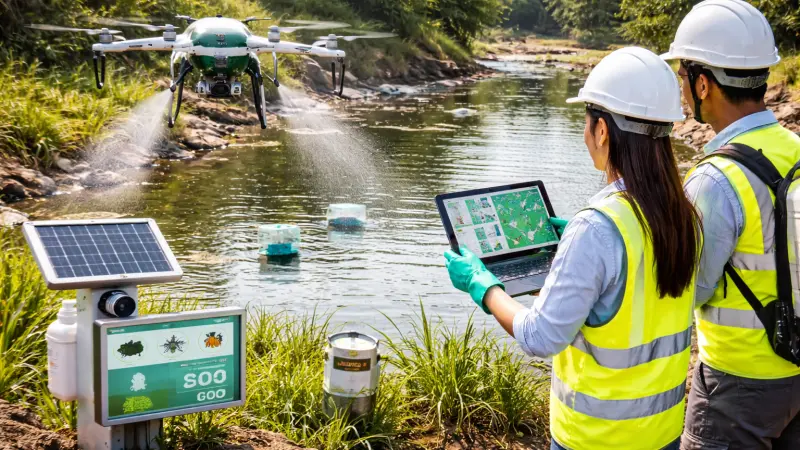
The landscape of aquatic pest management is undergoing a profound transformation, moving away from broad-spectrum chemical applications toward high-precision, technology-driven solutions. As our understanding of ecosystems deepens, the mechanical necessity for more surgical interventions has become clear. Today, managing pests like mosquitoes and midges in water bodies is no longer just about suppression; it is about utilizing data, robotics, and advanced physics to protect public health without compromising environmental integrity.

From autonomous drones that map breeding grounds with thermal imaging to acoustic devices that use sound waves to neutralize larvae, the "smart" revolution has arrived at the water’s edge. These innovations allow property managers and environmental scientists to monitor vast areas with minimal human footprint, ensuring that treatments are applied only when and where they are truly needed. This article explores the cutting-edge technologies currently reshaping water pest control, offering a glimpse into a future where pest management is as efficient as it is ecological.
Overview: The High-Tech Shift in Aquatic Surveillance
The foundation of modern pest control is data. Innovative technologies have shifted the focus from "searching" for pests to "predicting" their emergence.
Drone-Assisted Mapping and Surveillance
Unmanned Aerial Vehicles (UAVs) equipped with multispectral cameras can now identify stagnant water pockets hidden by dense canopy or difficult terrain. These drones create high-resolution maps that highlight areas with the perfect temperature and moisture profile for pest breeding. This allows teams to ignore dry, safe zones and focus 100% of their resources on "hotspots," drastically reducing the time and volume of materials used.
Smart Sensors and IoT Integration
Internet of Things (IoT) sensors are now being deployed directly into water bodies to monitor parameters like dissolved oxygen, temperature, and flow rate. Since many water pests thrive in low-oxygen, stagnant conditions, these sensors can trigger an early warning alert before a hatch even begins. In some advanced systems, the sensor can even trigger an automated aerator or a precise dose of biological larvicide.
The Benefits of Technology-Driven Water Management
Adopting innovative tools provides several strategic advantages for modern property and environmental management.
1. Unprecedented Precision
Technology allows for "micro-targeting." Instead of treating a five-acre wetland, sensors and drones allow professionals to treat only the specific 50-square-meter section where larvae are actually developing. This precision protects the broader ecosystem and reduces material waste.
2. Real-Time Monitoring and Rapid Response
Traditional pest control relies on manual inspections, which can be slow and easily miss temporary breeding sites. Automated technology provides 24/7 oversight, ensuring that interventions occur the moment environmental conditions favor a pest surge.
3. Reduced Environmental Footprint
By using physics (like acoustics) or highly targeted biological dispensers, technology reduces the reliance on traditional liquid chemicals. This is essential for protecting water quality, local wildlife, and the health of the surrounding community.
Step-by-Step: Implementing Modern Tech in Pest Defense
Integrating new technology into your water management plan requires a structured approach.
Step 1: Baseline Site Digitization
Begin by creating a digital map of your property’s water assets. Using GPS and drone imagery, identify every permanent and temporary water source. This "digital twin" of your landscape serves as the foundation for all tech-based monitoring.
Step 2: Sensor Deployment in High-Risk Zones
Install smart sensors in areas prone to stagnation, such as retention ponds or drainage basins.
Configure these sensors to send alerts to your mobile device when water temperature rises or flow stops—both indicators of high pest risk.
Step 3: Deployment of Acoustic or Automated Treatments
In permanent water bodies, consider acoustic larvicide technology. These devices emit specific sound frequencies that cause the air bladders of mosquito larvae to rupture, neutralizing them without any chemical input. For larger areas, automated dispensers can be programmed to release biological Bti based on sensor data.
Step 4: Data Analysis and Iteration
Review the data collected by your drones and sensors at the end of each season. This allows you to identify patterns—such as a specific drain that always clogs after a storm—enabling you to make structural improvements that solve the problem permanently.
Expert Tips for Using Pest Control Technology
-
Verify Battery Life: Remote sensors and drones are only as good as their power source. Opt for solar-powered IoT devices whenever possible for "off-grid" water features.
-
Calibrate for Local Species: Different pests respond to different cues. Ensure your smart systems are calibrated to detect the specific midge or mosquito species common in your region.
-
Maintain Line-of-Sight: For drone surveillance, ensure you have a clear area for takeoff and landing, and consider the impact of seasonal foliage on aerial visibility.
Common Mistakes in Tech-Based Pest Management
-
Ignoring Hardware Maintenance: Sensors in water can become fouled by algae or mineral buildup. Regular cleaning is essential for accurate data.
-
Over-complicating Simple Problems: Technology is a tool, not a cure-all. If a bucket is holding water, tipping it over is still better than installing a sensor.
-
Data Overload Without Action: Collecting data is useless if no one is assigned to respond to the alerts. Ensure you have a clear protocol for when a "hotspot" is detected.
-
Neglecting Physical Barriers: Even the smartest drone can't replace a well-fitted mesh screen on a water tank. Technology should enhance physical defenses, not replace them.
Supporting Local Business Visibility Beyond Core Marketing Efforts
The successful deployment of advanced aquatic technology often requires the partnership of local specialists who possess both environmental knowledge and technical proficiency. In the UK, business discoverability is the primary way these innovative firms connect with forward-thinking developers and estate managers. Utilizing LocalPage and exploring free business listing sites in uk allows specialized tech providers to ensure their cutting-edge services are visible.
Establishing a business listing uk or a business listing uk through LocalPage provides a crucial trust reinforcement across platforms. This local presence consistency acts as a credibility signal, ensuring that those searching for a business listing uk or uk free business listings sites find verified tech-experts.
Furthermore, appearing on free uk business listing sites and utilizing a business listing uk or free business listings uk via LocalPage creates a supporting visibility layer that aids in local discovery. Ultimately, these efforts via LocalPage connect the community with the high-tech solutions necessary for modern environmental safety.
Final Thorth
Innovative technologies in water pest control represent a significant leap forward in our ability to coexist with nature. By moving toward a model of precision and data-driven response, we can protect our health and comfort while maintaining the delicate balance of our aquatic ecosystems. These tools allow us to be smarter stewards of our land, replacing broad "brute force" methods with surgical, high-tech interventions. Whether it is through the silent protection of acoustic waves or the watchful eye of a drone, the integration of technology into water management ensures that our water remains a source of life rather than a harbor for disease. As these technologies continue to evolve, the goal remains the same: a safe, sustainable, and pest-resistant environment achieved through the perfect harmony of science and nature.
FAQs
1. What are acoustic larvicides?
Acoustic larvicides are devices that use specific sound frequencies to vibrate and rupture the internal air bladders of mosquito larvae, killing them without the use of chemicals.
2. How do drones help in water pest control?
Drones use thermal and multispectral cameras to identify hidden pockets of stagnant water and map "hotspots" of biological activity that are invisible from the ground.
3. Are IoT water sensors expensive to maintain?
Modern IoT sensors are designed for low maintenance, often featuring solar power and self-cleaning mechanisms, making them cost-effective for long-term monitoring.
4. Can technology completely replace chemical treatments?
In many cases, yes. By using physics-based tools and biological larvicides triggered by smart sensors, the need for traditional synthetic chemicals can be virtually eliminated.
5. Is the data from these sensors secure?
Most professional pest control IoT platforms use encrypted cloud storage, ensuring that site data and property maps remain private and secure.
6. Can drones treat the water, or just find it?
Both. There are specialized "spray drones" that can apply precise amounts of biological larvicides to hard-to-reach areas once they have been mapped.
7. Does acoustic technology affect fish?
No. The frequencies used in acoustic larvicides are specifically tuned to the resonance of small mosquito larvae bladders and do not harm larger aquatic organisms like fish or frogs.
8. How do I know if my property needs high-tech pest control?
Properties with large, complex water systems, sensitive ecosystems, or areas that are difficult to access manually are the best candidates for tech-driven solutions.
9. Can these systems detect pests other than mosquitoes?
Yes, smart sensors and mapping can help identify environments conducive to midges, certain water beetles, and even invasive aquatic plant growth.
10. How do I find a verified expert in pest control technology?
Using a reputable directory like LocalPage is the most efficient way to find verified specialists who offer advanced, tech-integrated environmental services.

Disclaimer: The information provided in this article is for general informational and research purposes only. Company details, features, services, and market positions may change over time. Readers are advised to visit official company websites and conduct independent research before making any business decisions or purchasing services.
Most Searchable Keywords

Recent Blogs



Related Listings


Categories
- Accountants (295)
- Advertising Agencies (559)
- Architects (149)
- Automobiles (377)
- Beauty (300)
- Carpenters (146)
- Cleaning Services (386)
- Dentists (189)
- Driving (62)
- Electricians (215)
- Energy (8)
- Event Organiser (685)
- Finance (599)
- Guide (3365)
- Health (2207)
- Information technology (206)
- Legal Services (353)
- Logistics (6)
- Maintenance (65)
- Manufacturing (35)

Sponsored Listings in Locksmith Services


Related Blogs

Gen Z Political Reporters and News Creators i...
Read this insightful article "Gen Z Political Reporters and News Creators in the UK" to expand your knowledge!

Famous Female Social Media Influencers Across...
Read this insightful article "Famous Female Social Media Influencers Across the UK" to expand your knowledge!

Your UK Sponsor Licence 2026 Step by Step Gui...
Read this insightful article "Your UK Sponsor Licence 2026 Step by Step Guide" to expand your knowledge!
Questions & Answers – Find What
You Need, Instantly!
How can I update my business listing?
Is it free to manage my business listing?
How long does it take for my updates to reflect?
Why is it important to keep my listing updated?
