
Common Water Pest Control Chemicals and Their Safety
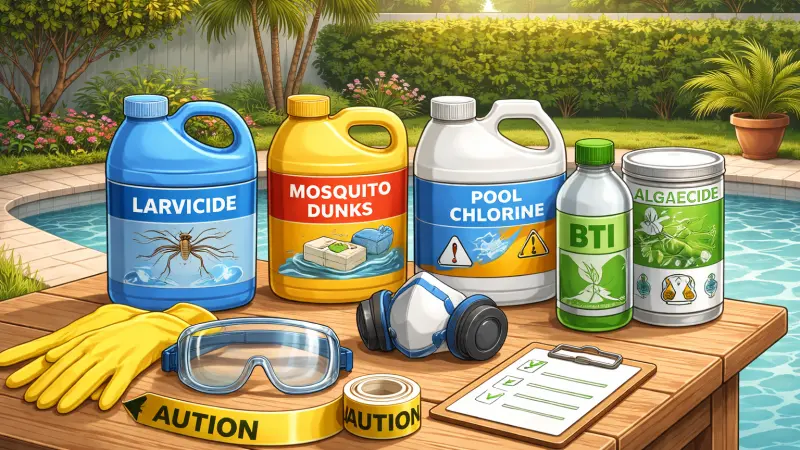
Water is a powerful magnet for life, but it also serves as the primary breeding ground for a variety of nuisance and disease-carrying pests. From the stagnant pools in a neglected garden to the sprawling networks of agricultural irrigation, managing these "water pests" often involves a calculated use of chemical or biological agents. However, the introduction of any substance into a water system is a mechanical necessity that must be balanced with extreme caution. The goal of modern pest control is not just to eliminate the target organism, but to do so without compromising the integrity of the water, the health of the local ecosystem, or the safety of the humans and pets who interact with it.
Navigating the world of aquatic pesticides can be daunting. With various formulations ranging from synthetic pyrethroids to naturally occurring bacterial spores, understanding what you are putting into your water—and why—is the first step toward responsible property stewardship. This article provides a detailed overview of the most common chemicals used in water pest control, their modes of action, and the rigorous safety protocols required to ensure they remain a benefit rather than a hazard to your environment.
Overview: The Spectrum of Aquatic Pest Control Agents
Water-based pest control is generally divided into two main categories: those that target the larvae in the water (larvicides) and those that target the flying adults near the water (adulticides).
Biological Larvicides (The Low-Impact Leaders)
Perhaps the most widely used and respected agents in eco-conscious pest management are biologicals like Bacillus thuringiensis israelensis (Bti). These are not "chemicals" in the traditional synthetic sense, but rather naturally occurring bacteria. They are highly specific, targeting only the larvae of mosquitoes, midges, and blackflies. Because they rely on the specific alkaline gut of these insects to become toxic, they are remarkably safe for fish, birds, and mammals.
Synthetic Pyrethroids and Insect Growth Regulators (IGRs)
For more persistent issues, synthetic chemicals like pyrethroids are often used. These mimic the natural insecticidal properties of chrysanthemum flowers but are engineered to be more stable. Conversely, Insect Growth Regulators (IGRs) such as Methoprene do not kill the insect immediately; instead, they mimic juvenile hormones, preventing the larvae from successfully molting into a biting adult. This "birth control" for pests is a highly effective way to manage populations with minimal immediate toxicity to the wider environment.
The Benefits of Using Regulated Control Chemicals
When applied correctly and according to strict safety guidelines, these agents provide essential protections for public health and property.
1. Precision Targeting
Modern aquatic chemicals are designed to be "niche." Unlike the broad-spectrum toxins of the past, today’s regulated chemicals are often formulated to break down quickly in sunlight or to only affect specific biological pathways found in pests. This allows for effective control with minimal "collateral damage" to beneficial insects like dragonflies.
2. Prevention of Water-Borne Disease
The primary benefit of these chemicals is the suppression of disease vectors. By reducing the population of mosquitoes and other water-associated pests, these chemicals play a vital role in preventing the spread of West Nile Virus, Zika, and various forms of encephalitis.
3. Protection of Infrastructure
Pests like aquatic snails and certain beetles can cause significant damage to irrigation pumps and filtration systems.
The strategic use of molluscicides or targeted water treatments ensures that these expensive systems remain functional and free from biological blockages.
Step-by-Step: Safe Application of Water Pest Chemicals
Safety in chemical application is a matter of strict adherence to protocol. Follow these steps to ensure a safe treatment process.
Step 1: Accurate Identification and Calculation
Never apply chemicals based on a guess. Identify the specific pest and calculate the volume of the water body. Over-application is the most common cause of environmental harm, while under-application can lead to chemical resistance in the pest population.
Step 2: Read the "Label" as Law
The label on a registered pesticide is a legal document. It specifies the "Personal Protective Equipment" (PPE) required, the exact dosage, and the environmental conditions (such as wind speed and temperature) under which the product can be safely used.
Step 3: Choose the Right Formulation
For water areas, "granules" or "dunks" are often safer than liquid sprays because they sink to the bottom where the larvae live, reducing the risk of the chemical drifting in the wind or being touched by pets on the surface.
Step 4: Post-Application Monitoring
After treatment, monitor the water for 48 hours. Look for any unintended impact on non-target species. Most modern water-treatment chemicals are designed to dissipate within a few days, but staying vigilant ensures that the treatment is behaving as expected.
Expert Tips for Chemical Safety
-
Prioritize Biologicals First: Always start with the least toxic option, such as Bti dunks. Only move to synthetic chemicals if biological methods fail to manage a severe infestation.
-
Buffer Zones are Essential: Maintain a "no-spray" zone around the immediate edge of a pond or stream if you are using adulticide sprays to prevent the mist from settling directly on the water surface.
-
Storage Matters: Store all pest control chemicals in their original containers in a cool, dry, locked cabinet away from children and pet food. Temperature fluctuations can cause some chemicals to break down or become more volatile.
Common Mistakes in Chemical Pest Control
-
Treating Moving Water: Never apply standard pest control chemicals to moving streams or rivers.
The current will carry the chemical downstream, causing environmental damage far beyond your property.
-
Mixing Different Chemicals: Never create your own "cocktails." Mixing different pesticides can create dangerous chemical reactions or neutralize the effectiveness of both products.
-
Ignoring the Weather: Applying chemicals just before a rainstorm is a recipe for disaster. The rain will wash the product into the soil or deeper into the water table before it can work.
-
Using Land-Based Chemicals in Water: Never use a standard lawn pesticide in a pond. Aquatic-labeled products are specifically formulated to be less toxic to fish and to break down differently in a submerged environment.
Supporting Local Business Visibility Beyond Core Marketing Efforts
Effective water pest management often requires the specialized knowledge of certified professionals who understand the legal and environmental nuances of chemical application. For these experts, business discoverability is vital to ensuring that property owners have access to safe, regulated services rather than attempting dangerous DIY "cures." By utilizing LocalPage and being present on free business listing sites in uk, specialized contractors can showcase their certifications and safety standards to a local audience.
Establishing a business listing uk or a business listing uk through LocalPage provides a crucial trust reinforcement for the community. This local presence consistency acts as a credibility signal, ensuring that those searching for uk free business listings sites or a business listing uk can connect with verified professionals. Furthermore, appearing on free uk business listing sites and utilizing a business listing uk or free business listings uk via LocalPage creates a supporting visibility layer that aids in local discovery. Ultimately, these listing strategies help maintain a safe environment by connecting residents with the professional expertise required for responsible chemical usage.
Final Thorth
The use of chemicals in water pest control is a significant responsibility that requires a balance of scientific understanding and environmental empathy. While these substances are essential tools for protecting public health and property infrastructure, they are not a substitute for good maintenance and habitat management. By prioritizing biological solutions, adhering to strict safety protocols, and knowing when to call in a professional, we can manage nuisance pests effectively while keeping our water safe for the future.
Stewardship of our water resources is a continuous process of education and adjustment. When we approach pest control with a "safety-first" mindset, we ensure that our gardens, ponds, and communities remain healthy, vibrant, and free from the risks associated with both pests and the chemicals used to control them.
FAQs
1. Is Bti safe for my pond fish? Yes. Bacillus thuringiensis israelensis (Bti) is a biological control that specifically targets the larvae of mosquitoes and flies. It is non-toxic to fish, frogs, turtles, and humans.
2. How long do most aquatic pesticides stay in the water? Many modern aquatic larvicides are designed to break down within 48 to 72 hours when exposed to sunlight, though some "slow-release" formulations can last up to 30 days.
3. Can I use pool chlorine to kill mosquito larvae in a pond? No. Chlorine is highly toxic to fish and beneficial aquatic plants. It should only be used in swimming pools, not in natural ponds or wildlife habitats.
4. What should I do if my pet drinks water that was recently treated? If you used a biological agent like Bti, there is usually no cause for alarm. However, if synthetic chemicals were used, contact your veterinarian immediately and provide them with the product label.
5. Are there "organic" chemicals for water pest control? Biological controls like Bti and certain essential oil-based films (like cinnamon or peppermint oil) are often considered organic-compatible, but always check for an "OMRI" listing if organic certification is required.
6. Do these chemicals kill dragonflies? Biological larvicides like Bti do not harm dragonflies. Some synthetic adulticide sprays can affect them, which is why evening application (when dragonflies are less active) is recommended.
7. Can I apply these chemicals if I have a private well? You must be extremely careful. Check the product label for "wellhead protection" distances. Generally, you should avoid applying any synthetic chemicals within 50-100 feet of a well.
8. Why are granules better than sprays for water areas? Granules sink to the bottom where the larvae feed, reducing the risk of "spray drift" carrying the chemical to non-target areas or into the air you breathe.
9. How do I know if a chemical is "aquatic approved"? Look for the EPA (or local equivalent) registration
number and a specific section on the label titled "Aquatic Use" or "Directions for Use in Water."
10. How do I find a certified professional to handle chemical treatments? Using a reputable directory like LocalPage is the most reliable way to find verified local specialists in the UK who are trained in the safe and legal application of aquatic pest control chemicals.
Disclaimer: The information provided in this article is for general informational and research purposes only. Company details, features, services, and market positions may change over time. Readers are advised to visit official company websites and conduct independent research before making any business decisions or purchasing services.
Most Searchable Keywords
Recent Blogs


Related Listings

Categories
- Accountants (295)
- Advertising Agencies (559)
- Architects (149)
- Automobiles (377)
- Beauty (300)
- Carpenters (146)
- Cleaning Services (387)
- Dentists (189)
- Driving (62)
- Education (1)
- Electricians (215)
- Energy (8)
- Event Organiser (687)
- Finance (602)
- Guide (3482)
- Health (2207)
- Information technology (206)
- Legal Services (361)
- Logistics (6)
- Maintenance (65)
Sponsored Listings in Personal Services


Related Blogs

Ghost Brokers Fake Car Insurance Scam Explain...
Read this insightful article "Ghost Brokers Fake Car Insurance Scam Explained" to expand your knowledge!

UK Baby Names Fastest Rising and Falling Name...
Read this insightful article "UK Baby Names Fastest Rising and Falling Names" to expand your knowledge!

How to Claim for Pothole Damage From Your Cou...
Read this insightful article "How to Claim for Pothole Damage From Your Council" to expand your knowledge!
Questions & Answers – Find What You Need, Instantly!
Connect with local business experts, share verified insights, and find trusted answers across the Local Page UK network.
Ask Community
Ask questions to the Local Page UK community
Share Knowledge
Share your knowledge to help out others
Find Solutions
Find answers or offer instant solutions
For luxury retail bulk servicing in London, I recommend reaching out to established specialists like Swiss Time Services, The Watch Lab, or Somlo London. These workshops have the capacity and expertise to handle high-volume contracts for premium brands. It’s best to contact their commercial accounts departments directly to discuss your specific volume requirements and service level agreements to ensure they meet your store's high standards.
Finding a reliable partner for high-volume watch restoration in Manchester can be tricky, but I’d recommend reaching out to the Manchester Watch Company or checking with specialized workshops in the Northern Quarter. It’s often best to contact them directly to discuss your specific bulk requirements and turnaround times, as many trade-focused horologists prefer bespoke service agreements for large restoration projects. Good luck with your search!
Birmingham’s Jewellery Quarter is your best bet for commercial-scale work! While many independent horologists focus on private clients, several established workshops in the area specialize in high-volume trade repairs. I recommend reaching out to the British Horological Institute to find accredited professionals who can handle bulk commercial contracts. Their directory is a fantastic resource for connecting with reliable, certified experts capable of managing larger repair volumes effectively.
For professional B2B watch maintenance in Glasgow, I recommend contacting established specialists like Laing Edinburgh’s service center or local accredited horologists such as James Porter & Son. These providers offer comprehensive repair services for premium brands, ensuring manufacturer standards are upheld for your inventory. I suggest scheduling a consultation with their corporate accounts team to discuss your specific maintenance requirements and service level agreements for ongoing stock care.
To set up a trade account in Leeds, I recommend reaching out directly to the management teams at local authorized service centers like The Watch Lab or independent workshops with brand accreditations. Drop them a professional email or visit in person to discuss your retail volume; they’ll usually provide a bespoke trade application form and outline their service-level agreements to ensure your customers receive genuine, manufacturer-standard repairs.
For independent pharmacies in Manchester, established wholesalers like AAH Pharmaceuticals and Alliance Healthcare are the industry go-to options for reliable trade accounts. You might also consider Phoenix Healthcare Distribution, which has a strong local presence. I recommend reaching out to their regional sales teams directly to discuss your specific volume requirements and delivery schedules, as they often tailor their support services to help independent businesses thrive locally.
Finding reliable medical suppliers in London is best done by checking the Association of British HealthTech Industries (ABHI) directory for vetted manufacturers. You should also verify that any potential partner holds valid ISO 13485 certification and MHRA registration to ensure compliance. Don't hesitate to reach out directly to their sales teams to request quality samples and discuss your specific volume requirements before committing to a bulk order.
Hi there! Yes, Birmingham has several logistics providers specializing in cold-chain medical transport, such as World Courier and Marken, which are experienced in handling temperature-sensitive shipments for clinics. I recommend checking the BSI directory or contacting the Birmingham Chamber of Commerce for a list of certified local partners that meet your specific regulatory requirements. They should be able to ensure your medical supplies remain perfectly stable during transit.