
Legal and Ethical Marketing Considerations in AI-Powered Insurance
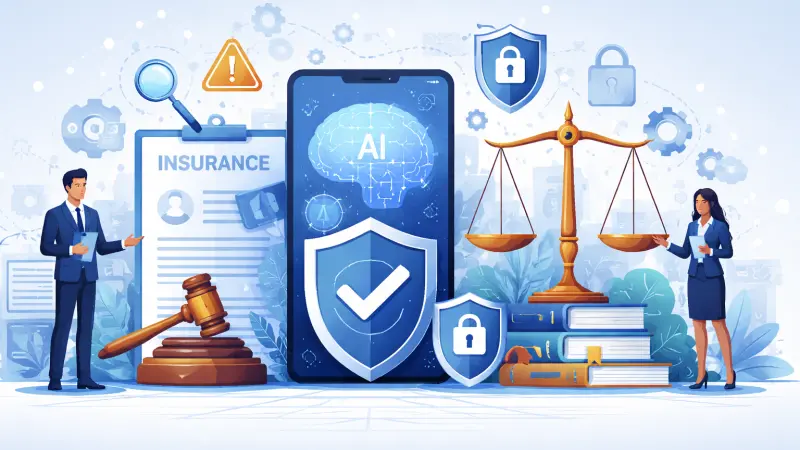
Could an invisible algorithm, designed for efficiency, inadvertently discriminate against a loyal customer based on data points they never even provided? As the United Kingdom's financial sector undergoes a digital transformation, the integration of artificial intelligence into the insurance lifecycle has moved from a futuristic concept to a daily reality. However, navigating AI insurance marketing requires a delicate balance between technological innovation and the stringent legal frameworks established by the Financial Conduct Authority (FCA) and the Information Commissioner's Office (ICO). For insurance providers, the challenge is not just in the deployment of smart algorithms but in ensuring that the marketing and application of these tools remain transparent, fair, and ethically sound. This comprehensive analysis explores the multifaceted legal obligations and moral responsibilities that firms must uphold when utilizing AI to reach, assess, and retain policyholders in the modern British marketplace.

The primary keyword of AI insurance marketing involves understanding the intersection of advanced data analytics and consumer protection laws. In the UK, where the "Consumer Duty" regulations have raised the bar for firms to deliver good outcomes for customers, the ethical implications of AI are under intense scrutiny. Secondary keywords such as insurance AI ethics, FCA AI regulations, and algorithmic bias in insurance are critical for marketers who must demonstrate that their automated systems do not lead to "digital redlining" or unfair pricing models. Furthermore, semantic keywords like explainable AI (XAI), data minimisation, and vulnerable customers must be woven into the strategic planning phase of any campaign. The ultimate goal for any insurer is to foster an environment where AI serves as a tool for inclusion rather than exclusion, ensuring that the benefits of speed and accuracy do not come at the cost of human rights or social equity.
The Regulatory Landscape: FCA Compliance and Consumer Duty
In the UK insurance market, the regulatory landscape is dominated by the FCA’s Consumer Duty, which sets higher expectations for the standard of care firms give to customers. When marketing AI-powered products, firms must ensure that their algorithms are designed to avoid "sludge" practices—tactics that use psychological nudges to influence consumers into making choices that are not in their best interest. For instance, an AI might identify that a specific demographic is less likely to switch providers and could theoretically suggest a higher renewal price. From a legal and ethical standpoint, this is highly problematic. Marketers must be able to prove that their AI-driven pricing and promotional strategies are consistent with the requirement to provide fair value and prevent foreseeable harm. Transparency is not just a moral choice; it is a regulatory mandate that requires firms to be able to explain how their AI models reach specific marketing or underwriting conclusions.
Ethical AI finance also involves a rigorous approach to testing and monitoring. Before an AI-powered marketing campaign is launched, it must undergo thorough "bias testing" to ensure that the underlying data does not reflect historical prejudices. If an algorithm is trained on data from a period when certain postcodes or professions were unfairly penalised, the AI may perpetuate those biases under the guise of "objective" data analysis. To remain compliant with UK law, including the Equality Act 2010, insurers must actively audit their models for discriminatory outputs. This process involves a continuous loop of feedback and adjustment, ensuring that the AI evolves in a way that respects the diversity of the UK population. Firms that fail to maintain this oversight risk not only heavy fines but also severe reputational damage in a society that is increasingly sensitive to the ethics of big tech.
Furthermore, the concept of "vulnerable customers" is central to UK insurance regulation. AI has the potential to identify vulnerability more accurately by analysing patterns in customer interaction; however, the ethical consideration lies in how this information is used. Using AI to target vulnerable individuals with complex products they may not fully understand is a direct violation of ethical marketing principles. Instead, the focus should be on using AI to provide additional support or tailored communication that helps these customers make informed decisions. Marketers must ensure that their AI-driven communication strategies are "inclusive by design," offering alternative pathways for those who may struggle with digital interfaces or automated decision-making processes. By prioritizing the human element within the machine, firms can build a foundation of trust that transcends the technical complexity of their products.
Data Privacy and the ICO Framework
The use of AI in insurance marketing is inextricably linked to the UK General Data Protection Regulation (UK GDPR) and the Data Protection Act 2018. Under the ICO’s framework, insurers must adhere to the principle of "data minimisation," meaning they should only collect and process the data that is strictly necessary for the AI to function. In the context of marketing, this challenges the industry’s tendency to gather as much "alternative data" as possible—such as social media activity or web browsing habits—to build predictive profiles. Marketers must be able to justify the use of every data point and ensure that policyholders have given explicit, informed consent for their data to be used in AI-driven modelling. Transparency reports and clear, jargon-free privacy notices are essential tools for maintaining this legal compliance while also empowering the consumer.
Another critical ethical consideration is "automated decision-making" (ADM). Under UK GDPR, individuals have the right to an explanation of decisions made by automated processes that have a legal or similarly significant effect on them. In insurance, this applies to everything from being denied a policy based on an AI's risk assessment to receiving a specific marketing offer. Insurers must implement "Explainable AI" (XAI) techniques, which allow human operators to deconstruct the AI's logic and communicate it to the customer. If a customer asks, "Why was my premium higher because of the AI?", the firm must provide a meaningful answer. This legal requirement prevents the "black box" problem, where even the developers do not fully understand why an AI made a certain choice, ensuring that accountability remains firmly with the human directors of the firm.
Data security is the third pillar of this legal framework. AI models require massive datasets, making insurance companies prime targets for cyber-attacks. An ethical approach to AI marketing includes investing in state-of-the-art encryption and security protocols to protect the sensitive personal information that fuels these models. A data breach involving AI-processed data could reveal deep insights into a person's life, health, or financial status, leading to unprecedented levels of identity theft or fraud.
Therefore, the "legal" side of AI marketing is not just about how the ads look or how the prices are set, but about the invisible infrastructure that keeps the customer's identity safe. In the UK, where trust in financial institutions is hard-won and easily lost, a commitment to robust data security is perhaps the most effective marketing tool an AI-powered insurer can possess.
The Ethics of Personalisation vs. Privacy
AI allows for a level of personalisation that was previously unimaginable. Insurers can now offer "micro-segmented" policies that perfectly match an individual's lifestyle, such as pay-per-mile car insurance or fitness-linked life insurance. While this can lead to better value for many, the ethical dilemma arises when personalisation borders on "hyper-surveillance." If an insurer uses AI to monitor a customer's every move through a smartphone app or wearable device to adjust premiums in real-time, it raises significant questions about the right to privacy. Marketers must navigate this by ensuring that such "active" monitoring is entirely voluntary and that the benefits—usually lower costs—are clearly explained and fairly distributed. The marketing message should focus on empowerment and health, rather than the "Big Brother" aspect of constant oversight.
Moreover, there is the risk of "information asymmetry." When an insurer uses AI to know more about a customer's future risks than the customer knows themselves, it can lead to an ethical imbalance. For example, if an AI predicts a high likelihood of a health issue based on lifestyle data, should the insurer use that information to proactively offer a more comprehensive policy, or will that information be used to increase prices or exclude the customer? Ethical marketing dictates that the data should be used to provide better service and preventative advice. This "proactive protection" model turns the insurer into a partner in the customer's well-being, which is a far more sustainable and ethical marketing strategy than simply using data to extract maximum profit from high-risk individuals.
The UK market is particularly sensitive to the "digital divide." As AI becomes the primary way that insurance is marketed and sold, there is a risk that those who are not digitally literate or who do not have access to the latest technology will be excluded from the best deals. Marketers have an ethical responsibility to ensure that their AI-powered tools do not create a two-tier insurance system. This involves maintaining traditional channels of communication and ensuring that the AI's benefits—such as faster processing or lower overheads—are used to lower costs for all, not just those who are comfortable with automated systems. By advocating for "technological equity," insurance firms can demonstrate that their use of AI is aligned with broader social values, making their brand more appealing to a conscious consumer base.
Transparency, Accountability, and Human Oversight
Transparency is the antidote to the fear and suspicion that often surrounds AI. In insurance marketing, this means being upfront about when a customer is interacting with an AI, such as a chatbot or an automated quote engine. Ethical firms do not try to "mask" their AI as a human agent; instead, they highlight the speed and efficiency that the AI provides while always offering an "escalation path" to a real person. This human-in-the-loop (HITL) approach is vital for ethical accountability. If an AI makes a mistake—as they inevitably do—there must be a clear process for a human to intervene, correct the error, and learn from the experience to prevent it from happening again. This transparency builds a narrative of a brand that is innovative yet grounded in human responsibility.
Accountability also extends to the "provenance" of the data used to train AI models. Marketers should be aware of where their data comes from and ensure it has been ethically sourced. Using data "scraped" from the web without permission or purchased from shady third-party brokers is a legal and ethical non-starter in the UK. By committing to "ethical data sourcing," insurers can protect themselves from future regulatory crackdowns and ensure that their AI models are built on a foundation of integrity. This commitment can be a powerful marketing differentiator, appealing to consumers who are increasingly worried about how their personal information is being "harvested" by large corporations. An insurer that can say, "We only use data you've given us permission to use," will always have a competitive advantage in a privacy-conscious market.
Finally, the future of AI in insurance will be shaped by "industry self-regulation" and the development of ethical charters. Many leading UK insurers are already participating in groups that define best practices for AI, such as the AI Public-Private Forum hosted by the Bank of England and the FCA. Marketers should communicate their company's involvement in these initiatives to show that they are not just following the letter of the law but are actively helping to shape the ethical future of the industry. This "thought leadership" positions the brand as a responsible pioneer, making it more attractive to investors, employees, and customers alike. In the end, the most successful AI-powered insurance firms will be those that treat legal and ethical considerations not as barriers to innovation, but as the essential guardrails that keep their business on the path to long-term success.
Frequently Asked Questions
Is AI allowed to set different insurance prices for different people?
Yes, but only if the pricing is based on legitimate risk factors and
does not discriminate based on protected characteristics like race or religion.
What happens if an AI makes a mistake on my insurance policy?
Under UK law, firms are responsible for the actions of their AI; you have the right to challenge a decision and have it reviewed by a human.
How does the FCA ensure AI is being used ethically?
Through the Consumer Duty, the FCA monitors whether firms are delivering good outcomes and can take action if an AI model is found to be causing harm.
Can I opt-out of AI-driven insurance marketing?
Yes, under UK GDPR, you have the right to object to direct marketing
and to certain types of automated processing of your personal data.
Will AI replace human insurance brokers?
While AI handles many routine tasks, human brokers remain essential for complex cases, emotional support, and providing a final layer of ethical oversight.
How can I tell if an insurance company uses AI ethically?
Look for their transparency reports, privacy notices, and whether they are members of recognised ethical AI industry bodies.
Does AI make insurance cheaper?
Ideally, yes, as AI improves efficiency and allows for more accurate risk assessment, though these savings must be shared with the consumer to be considered ethical.
What is "digital redlining" in insurance?
It is the unethical practice of using algorithms to exclude or overcharge specific groups based
on geographic or demographic data that serves as a proxy for protected characteristics.
The journey toward a fully integrated AI insurance market is one that requires constant vigilance and a commitment to transparency. As companies navigate these complex legal waters, they must also ensure they are visible to the very people they wish to serve. For enterprises looking to establish their presence and build trust, finding a free business search directory can be an excellent starting point for organic growth. Whether you are searching a company directory online for specialist legal advice or listing your own consultancy in a verified business directory, the principle of clear and honest representation remains paramount. Local Page UK offers a reliable platform for improving online visibility and listing businesses, ensuring that ethical firms can be found by a discerning public. By utilizing a free company search directory, businesses can anchor their digital presence in a community-focused environment while they continue to innovate with advanced technologies.

Disclaimer: The information provided in this article is for general informational and research purposes only. Company details, features, services, and market positions may change over time. Readers are advised to visit official company websites and conduct independent research before making any business decisions or purchasing services.
Most Searchable Keywords

Recent Blogs


Related Listings


Categories
- Accountants (295)
- Advertising Agencies (559)
- Architects (149)
- Automobiles (377)
- Beauty (300)
- Carpenters (146)
- Cleaning Services (386)
- Dentists (189)
- Driving (62)
- Electricians (215)
- Energy (8)
- Event Organiser (685)
- Finance (599)
- Guide (3365)
- Health (2207)
- Information technology (206)
- Legal Services (353)
- Logistics (6)
- Maintenance (65)
- Manufacturing (35)

Sponsored Listings in Locksmith Services


Related Blogs

Gen Z Political Reporters and News Creators i...
Read this insightful article "Gen Z Political Reporters and News Creators in the UK" to expand your knowledge!

Famous Female Social Media Influencers Across...
Read this insightful article "Famous Female Social Media Influencers Across the UK" to expand your knowledge!

Your UK Sponsor Licence 2026 Step by Step Gui...
Read this insightful article "Your UK Sponsor Licence 2026 Step by Step Guide" to expand your knowledge!
Questions & Answers – Find What
You Need, Instantly!
How can I update my business listing?
Is it free to manage my business listing?
How long does it take for my updates to reflect?
Why is it important to keep my listing updated?
