
List Your Freight Business Online for Max Exposure
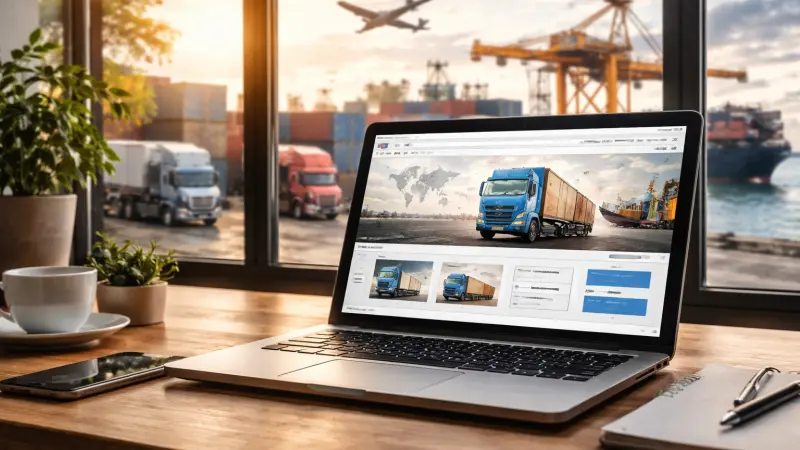
The freight and logistics industry is more competitive than ever. Whether you run a small courier operation, a regional haulage firm, or a multi-vehicle freight brokerage, the challenge of getting found by the right clients has shifted dramatically over the past decade. Yellow pages and word-of-mouth referrals are no longer enough on their own.
Today, the businesses that win consistent contracts are those that have built a visible, credible, and well-structured online presence. But for many freight operators, especially owner-drivers and smaller firms, knowing exactly where to start and what actually moves the needle can be genuinely confusing.
This guide breaks down everything you need to know about listing your freight business online, from the foundational steps to the advanced tactics that separate high-visibility operators from those who remain invisible to potential clients. No fluff, no jargon, just practical guidance grounded in how online discovery actually works for freight and logistics businesses.
Understanding Online Visibility for Freight Businesses
Before diving into tactics, it is worth understanding what online visibility actually means for a freight company. Unlike retail businesses or restaurants, freight operators are not typically trying to attract walk-in customers. Their audience is specific: procurement managers, warehouse supervisors, operations directors, small business owners, and logistics coordinators who need reliable transport partners.
These decision-makers do not behave like ordinary consumers when they search online. They are looking for specifics: service coverage areas, load types handled, vehicle fleet information, accreditations, and evidence of reliability. They compare multiple providers before making contact, and they pay attention to how professional and thorough an online presence looks.
This means that simply having a website is not enough. Your freight business needs to appear in the right places, carry the right information, and project the right level of professionalism across multiple digital touchpoints. That is what maximum online exposure actually means in this industry.
Who Is Searching for Freight Services Online?
Understanding your audience shapes everything about how you list and present your business. The primary groups searching for freight services online include:
- SMEs and manufacturers who need regular domestic or international shipping partners.
- E-commerce businesses scaling their fulfilment operations and looking for reliable last-mile or pallet delivery providers.
- Construction and agricultural firms with irregular but high-value haulage requirements.
- Freight brokers and third-party logistics providers who subcontract loads to vetted carriers.
- Procurement teams at larger corporations who search systematically across multiple sources before shortlisting providers.
Each of these groups has slightly different search behaviours and priorities, but they share one common trait: they all rely heavily on digital sources to identify and evaluate potential freight partners.
Why Listing Your Freight Business Online Matters More Than Ever
Some freight operators, particularly those with long-standing client relationships, question whether investing time in online listings is genuinely worth the effort. The short answer is that it absolutely is, and here is why.
1. Your Competitors Are Already There
If your competitors have strong online profiles and you do not, you are losing business you will never even know you missed. A procurement manager searching for a palletised freight provider in your region will find the businesses that have invested in their online presence, not the ones that have not. Online visibility is increasingly a baseline expectation, not a competitive advantage.
2. Online Listings Build Credibility Before First Contact
In freight, trust is everything. A well-structured online presence, complete with accurate business information, customer reviews, service descriptions, and verifiable credentials, tells a potential client that you are an established, professional operation. Businesses with thin or inconsistent online profiles can appear less legitimate, even if their actual service is excellent.
3. It Expands Your Geographic Reach
A physical freight business is inherently local or regional in terms of where it operates, but online listings allow you to market your services to clients across a much wider area. A manufacturer in one city might specifically be searching for a carrier based in your area for a regular route. Without an online presence, they will never find you.
4. It Generates Enquiries While You Are Working
Unlike outbound sales calls or networking events, your online listings work continuously. A client could find your profile at any time of day, read about your services, and submit an enquiry without you having done anything active. This passive lead generation is one of the most cost-effective forms of business development available to freight operators of any size.
5. It Supports Long-Term Business Growth
Online visibility compounds over time. The more platforms you appear on and the more reviews and references you accumulate, the stronger your overall digital footprint becomes. This creates a self-reinforcing cycle where good online presence attracts clients, satisfied clients leave reviews, and those reviews attract further enquiries.
Start With a Professional, Information-Rich Website
Your website is the anchor of your entire online presence. Every directory listing, social profile, and online mention should ultimately point back to it. Before focusing on listings elsewhere, make sure your website is in good shape.
For a freight business, this means your site should clearly communicate:
- The specific services you offer (full load, groupage, palletised, temperature-controlled, oversized, etc.)
- Your coverage area and any routes you specialise in
- The types of vehicles in your fleet and their capacities
- Your accreditations, memberships, and insurance status
- How potential clients can request a quote or make contact
- Case studies or testimonials from existing clients
A mobile-friendly, fast-loading website with clear contact details is the minimum. If your current site does not meet this standard, addressing it before investing heavily in driving traffic to it is strongly advisable.
Claim andOptimiseYour Google Business Profile
Google Business Profile (formerly Google My Business) is one of the most powerful and free tools available to any local or regional business, including freight operators. When someone searches for freight services in your area, Google Business profiles appear prominently in the results alongside a map.
To get the most from your profile:
- Claim and verify your listing if you have not already done so
- Complete every available field, including business category, service area, hours, and description
- Upload high-quality photos of your vehicles, premises, and team
- List your specific services using the Products and Services features
- Actively encourage satisfied clients to leave Google reviews
- Respond to all reviews, positive and negative, professionally and promptly
Many freight businesses underutilise their Google Business profile. Simply completing it fully already places you ahead of a significant proportion of competitors in many areas.
Register on Freight-Specific Load Boards and Directories
Beyond general business directories, the freight industry has its own ecosystem of specialist platforms where loads are posted and carriers are matched with shippers. These include load boards such as Transport Exchange Group (Haulage Exchange and Courier Exchange in the UK), alongside freight-specific directories where carriers can list their services.
Being present on these platforms serves a dual purpose: it opens direct commercial opportunities through load matching, and it reinforces your professional credibility within the industry. Clients who see you operating on recognised freight platforms interpret this as a sign that you are a legitimate, active operator.
Submitto General Business Directories
General business directories remain a meaningful part of your online presence for two reasons. First, they help clients who search for freight services through non-specialist channels to find you.
Second, consistent citations (mentions of your business name, address, and phone number) across multiple directories contribute positively to your search engine rankings.
When submitting to directories, ensure your business name, address, phone number, and website are identical across every platform. Inconsistencies in this information, even minor ones like abbreviating Street to St, can dilute the SEO benefit of your listings and create confusion for potential clients.
Build a Presence on LinkedIn
LinkedIn is arguably the most valuable social platform for freight businesses, because it is where your target audience spends professional time. A well-maintained company page on LinkedIn allows you to:
- Reach procurement managers, logistics directors, and operations teams directly
- Share content that demonstrates your expertise and reliability
- Be found through LinkedIn search by people actively looking for freight partners
- Build relationships with potential clients before they need your services
Regular posting on LinkedIn, even once or twice a week, keeps your business visible in the feeds of your connections and their networks. Content that tends to perform well for freight companies includes route updates, fleet news, industry commentary, and client success stories (with permission).
Get Listed on Industry Association Platforms
Membership of trade bodies and industry associations often comes with directory listings on their websites. For UK freight companies, relevant associations include the Road Haulage Association (RHA), the Freight Transport Association (now Logistics UK), the British International Freight Association (BIFA) for international freight, and various regional haulage and logistics groups.
These listings carry particular weight with procurement teams because they signal that your business meets certain standards and is accountable to a professional body. They are also frequently consulted by businesses specifically seeking vetted freight partners rather than simply browsing general search results.
Gather and Manage Online Reviews Systematically
Online reviews are one of the most influential factors in whether a potential client chooses to make contact. In the freight industry, where reliability and professionalism are paramount, a consistent track record of positive reviews is a powerful differentiator.
Make review gathering a routine part of your client relationship process. After completing a successful job or contract, send a brief, friendly message asking the client if they would be willing to share their experience on Google or another platform. Make it easy by including a direct link.
Do not ignore negative reviews. A professional, constructive response to critical feedback often impresses potential clients more than a perfect five-star average, because it demonstrates how you handle problems, which is exactly what they need to understand before trusting you with their freight.
Optimisefor Local Search Terms
Search engine optimisation for freight businesses does not need to be overly complex. Focus on ensuring that your website and listings use the specific terms that your potential clients are actually searching for. This typically means combining your service type with your location or coverage area.
Examples of the kind of search terms to target include phrases built around your specific service (palletised freight, temperature-controlled haulage, abnormal load transport) combined with your operational geography. Your website's page titles, meta descriptions, and content should reflect these terms naturally, without keyword stuffing.
Practical Tips forMaximisingYour Freight Business Listings
Keep Every Listing Accurate and Up to Date
Outdated information on a directory listing can cost you clients. If your phone number, service area, or fleet capabilities have changed, those changes need to be reflected across every platform where you are listed. Set a quarterly reminder to audit your online listings and ensure everything is current.
Use Consistent Branding Across All Platforms
Your business name, logo, description, and contact details should be identical wherever you appear online. Inconsistency undermines trust and dilutes the SEO value of your citations. Create a simple document with your standard business information and use it as a reference whenever you create or update a listing.
Prioritise Platforms Where Your Clients Actually Spend Time
Not every platform deserves equal attention. Focus your energy on those most likely to reach your specific client base. For most UK freight businesses, Google Business Profile, LinkedIn, freight-specific load boards, and a handful of well-established general directories will deliver the most meaningful results.
Include Specific Service Details, Not Generic Descriptions
Vague descriptions like ‘professional freight services’ do little to attract the right clients. Be specific about what you do: the payload capacities you handle, the routes you run regularly, the industries you serve, the time-sensitive services you offer. Specificity helps the right clients identify you as the right fit and filters out enquiries that are not relevant to your capabilities.
Use Photos and Visuals Where Possible
Visual content makes listings more engaging and more trustworthy. Photos of your vehicles, your team, your depot, and your operations give potential clients a tangible sense of who they are dealing with. Businesses with photos on their Google Business profiles receive significantly more clicks and enquiries than those without.
Monitor Your Online Reputation Regularly
Set up Google Alerts for your business name so that you are notified whenever your company is mentioned online. Check your reviews across platforms at least monthly. Being aware of what is being said about your business allows you to respond promptly and manage your reputation proactively rather than reactively.
Common Mistakes Freight Businesses Make with Online Listings
Listing Once and Forgetting
Creating a directory listing and never returning to it is one of the most common mistakes. Business details change, services evolve, and new review platforms emerge. A listing that was accurate two years ago may now contain outdated phone numbers, old addresses, or service descriptions that no longer reflect what you offer. Treat your online listings as living assets that require regular maintenance.
Ignoring Niche and Industry-Specific Platforms
Many freight businesses focus exclusively on general platforms and overlook the specialist freight directories and load boards where their most relevant potential clients are actively searching. A manufacturer looking for a pallet network carrier is far more likely to search a logistics-specific resource than a general business directory. Covering both is important, but the specialist platforms often deliver higher-quality leads.
Having Inconsistent NAP Information
NAP stands for Name, Address, and Phone number, and consistency of this information across all your online listings is critical for local search engine optimisation.
Even small inconsistencies, such as listing your town name differently across platforms, can undermine your search visibility. Audit your NAP information across all platforms regularly and correct any discrepancies.
Not Differentiating Your Business
Many freight companies describe themselves in almost identical terms online. Generic claims about reliability, competitive pricing, and professional service appear on thousands of listings. What makes your business different from every other carrier in your region? Whether it is your fleet specialisation, your specific route expertise, your turnaround times, or your industry sector focus, lead with what genuinely sets you apart.
Underestimating the Value of Reviews
Some freight operators feel uncomfortable asking clients for reviews, or assume that the quality of their service will speak for itself without active review generation. In reality, the freight businesses that consistently win new clients online are almost always those with a strong, growing review profile. Building this systematically and professionally is not pushy; it is a standard part of good business practice.
Neglecting Mobile Optimisation
An increasing proportion of business searches, including freight service searches, now happen on mobile devices. If your website is not mobile-friendly, or if your listings do not display well on a smartphone, you are creating a poor first impression at the moment when a potential client is actively considering making contact. Mobile optimisation is no longer optional.
Supporting Local Business Visibility Beyond Core Marketing Efforts
For freight businesses, the digital landscape extends well beyond a company website and a Google profile. There is an additional layer of online presence, often overlooked, that plays a meaningful supporting role in how businesses are discovered and evaluated: structured business directory listings.
When a procurement manager or logistics coordinator is researching carriers, they frequently cross-reference providers across multiple platforms. A freight company that appears on the best business directory uk platforms alongside its other digital assets presents a more consistent and credible footprint than one found in only one or two places. This consistency reinforces trust before a single conversation has taken place.
The practical value of being listed on a best local business directory in uk and a best local business directory uk is not primarily about generating high volumes of traffic. It is about local presence consistency. When the same business name, address, contact information, and service description appears accurately across multiple platforms, it signals to both search engines and potential clients that the business is legitimate, active, and professionally managed.
Freight companies operating at a regional level particularly benefit from this kind of structured local presence. The best uk business directories serve as a credibility layer that complements specialist freight platforms, not replaces them. A client who has already found you through a load board may subsequently search your company name to verify your legitimacy; a well-maintained directory profile is often part of what they find.
For businesses looking to establish or strengthen this supporting visibility layer, identifying the best uk business listing directory options in their sector and ensuring their information is complete and consistent across them is a low-effort, high-return step. Similarly, knowing which best uk directory sites for business carry authority in the eyes of search engines helps prioritise where to invest time in profile maintenance.
Ultimately, the best uk directory website for business platforms function as a local discovery aid and a credibility signal simultaneously. They are not a replacement for direct marketing, specialist freight directories, or a strong website, but they form an important supporting layer in a well-rounded online presence strategy for freight businesses of all sizes.
Build Visibility That Works as Hard as You Do
Getting your freight business listed online for maximum exposure is not about being everywhere at once or spending large sums on advertising. It is about being present in the right places, with accurate and compelling information, consistently maintained over time.
The freight operators who win the most business online are not necessarily the largest or the longest established. They are the ones who have taken their digital presence seriously, built a credible footprint across multiple platforms, gathered reviews systematically, and kept their information current. These are all things that any freight business, regardless of size, can do with a reasonable investment of time and attention.
Start with the foundations: a solid website, a fully optimised Google Business Profile, and listings on the platforms most relevant to your client base. Then build outward from there, adding industry-specific directories, trade association platforms, and a professional LinkedIn presence. Review and update everything on a regular schedule.
The freight market is competitive, but most operators are not yet maximising their online visibility. That gap is your opportunity. Act on it methodically, and the results will follow.
Questions Clients Commonly Ask
-
Why is online exposure important for a freight company?
Online exposure allows you to reach shippers who use digital tools to source transport, increasing your lead generation and brand trust.
-
How often should I update my online listings?
You should review your listings at least once a quarter or whenever there is a change in your services, fleet, or contact information.
-
Do I need a professional photographer for my fleet photos?
While professional photos are best, clear and high-quality smartphone photos taken in
good lighting can still significantly improve your profile's look.
-
Should I list my prices online?
In freight, prices vary wildly based on fuel and demand. It is usually better to list your "service capabilities" and provide an easy way for clients to request a quote.
-
What is the most important piece of information in a listing?
Your contact information (Phone/Email) and your specific service areas are the most critical data points for potential clients.
-
Does social media help freight businesses?
Yes, platforms like LinkedIn are excellent for B2B networking and sharing updates about your company’s growth and reliability.
-
How do I handle negative online reviews? Respond calmly and professionally. Offer to take the conversation offline to resolve the issue, which shows other potential clients that you care about service quality.
-
Can online listings help with SEO?
Absolutely. High-quality listings provide "backlinks" and citations that help your main website rank higher in search engine results.
-
What are freight exchanges?
These are digital marketplaces where carriers and shippers connect to fill empty truck space or move specific loads.
-
Is it worth listing on general directories?
Yes, because they provide a broad layer of search engine verification that helps confirm your business's physical location.
-
Do I need a website if I have online listings?
A website is highly recommended as it serves as your official "anchor" where you control the entire brand narrative.
-
How can I track if my listings are working?
Most platforms provide "analytics" or "insights" showing how many people viewed your profile or clicked your phone number.
-
What is 'local presence consistency'?
It is the practice of ensuring your Business Name, Address, and Phone number (NAP) are identical across all corners of the internet.
-
Does my freight niche matter for online listings?
Yes. If you specialize in oversized loads or hazmat, ensure those keywords are prominent in your descriptions to attract specific queries.
-
Can listings help me find drivers?
Indirectly, yes. A professional online presence makes your company more attractive to high-quality drivers looking for stable employment.
-
Is online listing expensive?
Many platforms offer free basic tiers, while premium placements or specialized exchanges may require a subscription fee.
-
What should I include in my business description?
Focus on your experience, fleet size, special equipment, safety records, and the specific regions you serve.
-
How do I choose which platforms to list on?
Start with the most popular map services, followed by logistics-specific boards and reputable regional business indexes.
-
Will online listings prevent the need for cold calling?
While it may not replace it entirely, a strong online presence makes your "warm" leads more likely to convert because they can verify you instantly.
-
Can I manage my listings myself?
Yes, most platforms are user-friendly, though larger companies sometimes hire digital marketing specialists to maintain them.
Disclaimer: The information provided in this article is for general informational and research purposes only. Company details, features, services, and market positions may change over time. Readers are advised to visit official company websites and conduct independent research before making any business decisions or purchasing services.
Most Searchable Keywords
Recent Blogs


Related Listings


Categories
- Accountants (295)
- Advertising Agencies (559)
- Architects (149)
- Automobiles (377)
- Beauty (300)
- Carpenters (146)
- Cleaning Services (387)
- Dentists (189)
- Driving (62)
- Education (1)
- Electricians (215)
- Energy (8)
- Event Organiser (687)
- Finance (602)
- Guide (3482)
- Health (2207)
- Information technology (206)
- Legal Services (361)
- Logistics (6)
- Maintenance (65)
Sponsored Listings in Electricians

Related Blogs

Ghost Brokers Fake Car Insurance Scam Explain...
Read this insightful article "Ghost Brokers Fake Car Insurance Scam Explained" to expand your knowledge!

UK Baby Names Fastest Rising and Falling Name...
Read this insightful article "UK Baby Names Fastest Rising and Falling Names" to expand your knowledge!

How to Claim for Pothole Damage From Your Cou...
Read this insightful article "How to Claim for Pothole Damage From Your Council" to expand your knowledge!
Questions & Answers – Find What
You Need, Instantly!
How can I update my business listing?
Is it free to manage my business listing?
How long does it take for my updates to reflect?
Why is it important to keep my listing updated?
