
Managing Pest Risks in Retention and Detention Ponds
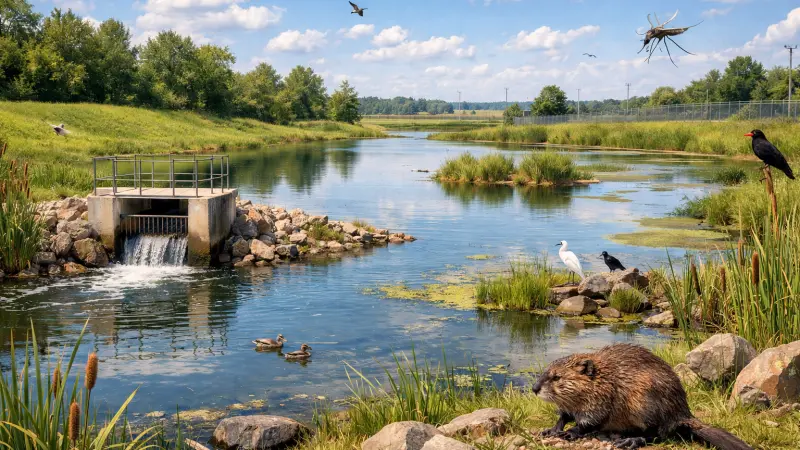
Stormwater management systems are the unsung heroes of urban infrastructure, protecting our communities from flooding and erosion. However, the very features designed to manage water—retention and detention ponds—can inadvertently become prime habitats for nuisance pests if not properly maintained. Whether a pond is designed to hold water permanently (retention) or temporarily (detention), it creates a unique micro-environment where mosquitoes, midges, and other aquatic pests can thrive. Managing pest risks in these systems is a mechanical necessity for public health, as neglected ponds can produce thousands of biting insects in a single breeding cycle.
Effective management requires a deep understanding of how water moves and settles within these structures. By focusing on hydraulic efficiency, biological balance, and structural integrity, property managers and local authorities can ensure that these ponds fulfill their engineering purpose without becoming an environmental liability. This article explores the strategies required to mitigate pest risks, ensuring that stormwater infrastructure remains a safe and functional asset for the community.
Overview: Understanding the Breeding Grounds
The risk level of a pond is often determined by its design and the duration for which it holds stagnant water.
Retention Ponds (Wet Ponds)
Retention ponds are designed to maintain a permanent pool of water. While they offer excellent aesthetic and ecological benefits, their permanent nature means they require a stable biological balance. If the water becomes stagnant or nutrient-rich from lawn runoff, it becomes a perfect nursery for mosquitoes. The key here is maintaining oxygen levels and supporting natural predators.
Detention Ponds (Dry Ponds)
Detention ponds are intended to be dry most of the time, filling only during heavy rain and draining within 24 to 72 hours. The primary pest risk in these ponds occurs when they fail to drain completely. Even an inch of standing water in a low spot or a clogged outlet pipe can hatch a generation of mosquitoes before the next storm arrives.
The Benefits of Proactive Pond Management
A well-managed pond system provides more than just flood control; it offers significant environmental and social advantages.
1. Public Health Protection
By disrupting the breeding cycles of mosquitoes and midges, proactive management directly reduces the risk of vector-borne diseases. This is especially critical in residential areas where ponds are located near homes, schools, and parks.
2. Operational Efficiency
Pests are often a symptom of underlying structural issues, such as siltation or blocked orifices. Managing for pests forces a regular inspection routine that ensures the pond’s hydraulic components—like trash racks and emergency spillways—are always in peak working condition.
3. Community Value and Aesthetics
A healthy, well-circulated retention pond is a neighborhood asset. By preventing the foul odors associated with stagnant
water and the nuisance of swarming insects, you maintain property values and community satisfaction.
Step-by-Step: Strategies for Risk Mitigation
Follow these professional steps to secure retention and detention systems against pest infestations.
Step 1: Ensure Rapid Drawdown in Detention Ponds
For dry ponds, the most effective pest control is a functional drain. Inspect the outlet structure regularly for debris. If water remains in the basin longer than 72 hours after a rain event, the pond may need regrading or the underdrain system may need cleaning.
Step 2: Implement Aeration in Retention Ponds
Stagnant water is oxygen-poor water. Installing a subsurface aeration system or a floating fountain in retention ponds increases dissolved oxygen. This not only makes the water less attractive to pests but also supports predatory fish and beneficial bacteria that consume the organic matter larvae feed on.
Step 3: Manage Shoreline Vegetation
Tall weeds and cattails along the water’s edge provide a windbreak for mosquitoes and a hiding spot for adults. Maintain a clear "buffer strip" of managed vegetation. Aim for a diversity of plants rather than a monoculture of tall weeds, which allows natural predators like dragonflies to hunt more effectively.
Step 4: Monitor and Remove Silt Build-up
Silt accumulation can create shallow, warm "micro-pools" within a larger pond. These shallow areas heat up quickly, accelerating the insect life cycle. Periodic dredging or the use of a "forebay" to catch silt before it enters the main pond can significantly reduce these breeding zones.
Tips for Long-Term Maintenance
-
Use Biological Controls: In permanent ponds, introduce native fish species known for eating larvae. This creates a self-sustaining pest control loop.
-
Inspect After Storms: The most critical time for a detention pond is immediately following a heavy rain. Ensure the trash racks are not clogged with debris that could prevent total drainage.
-
Control Nutrient Inflow: Encourage nearby residents to limit fertilizer use, as nitrogen runoff fuels the algae blooms that provide food for pest larvae.
Common Mistakes in Pond Oversight
-
Neglecting the Low-Flow Channel: Many detention ponds have a concrete or gravel channel to handle small amounts of water.
If this channel is cracked or filled with silt, it will hold small pockets of water that are perfect for breeding.
-
Over-planting the Perimeter: While plants are good for filtration, too much vegetation can prevent wind from rippling the water surface. Mosquitoes need a still surface to lay eggs; wind is a natural deterrent.
-
Ignoring Trash and Debris: Discarded bottles, tires, and plastic containers that wash into a pond can hold water and breed pests even if the pond itself is dry.
-
Relying on Temporary Fixes: Using chemical sprays to kill adult mosquitoes without addressing the standing water in the pond is a cycle of failure. You must address the source.
Supporting Local Business Visibility Beyond Core Marketing Efforts
Maintaining large-scale stormwater infrastructure often requires the intervention of specialized engineering and environmental firms. For these local professionals, business discoverability is essential to connecting with property managers and local councils who require their expertise. By utilizing LocalPage and being active on free business listing sites in uk, environmental contractors can ensure their local presence consistency.
Establishing a business listing uk or a business listing uk through LocalPage acts as a supporting visibility layer. This local presence consistency is a credibility signal for those searching for uk free business listings sites or a business listing uk. Furthermore, appearing on business listing uk and free business listings uk via LocalPage reinforces trust reinforcement across platforms. These listing strategies aid in local discovery, ensuring that the experts who maintain our community's water safety remain a reachable resource.
Final Thorth
Managing pest risks in retention and detention ponds is an essential component of responsible urban stewardship. It requires us to view stormwater infrastructure not just as pipes and basins, but as living systems that interact with the local environment. By prioritizing drainage efficiency in detention ponds and biological health in retention ponds, we can protect our communities from both floods and pests.
Stewardship of these waters involves a commitment to regular inspection and a mechanical necessity for proper flow. When we manage these ponds correctly, we transform potential liabilities into vibrant environmental assets. Through diligent maintenance and a focus on source reduction, we can ensure that our water management systems remain silent protectors of public health for generations to come.
FAQs
1. Why are mosquitoes a bigger problem in detention ponds than in natural lakes? Detention ponds often lack the complex ecosystem of a natural lake. Without fish, dragonflies, and consistent water movement, there are no natural checks on the mosquito population.
2. How long can water sit in a detention pond before it becomes a risk? The goal is for the pond to be completely dry within 72 hours. Anything longer than that allows mosquito larvae to complete a significant portion of their life cycle.
3. Does aeration really stop mosquitoes? Yes. Mosquitoes require a still water surface to lay eggs and breathe. Aeration creates surface movement and increases oxygen, which supports predators and beneficial bacteria.
4. Are "mosquito dunks" safe for retention ponds? Biological dunks containing Bti are safe for fish, frogs, and birds. They are an excellent tool for managing larvae in areas of a pond where circulation is difficult.
5. How often should a retention pond be inspected for pests? Ideally, a monthly inspection during the peak breeding season (spring through autumn) is recommended to check for stagnation and vegetation overgrowth.
6. Can I use a fountain to control pests in a small pond? A fountain is very effective for surface movement, which prevents mosquitoes from landing. However, for deeper ponds, subsurface aeration is better for overall water health.
7. What is the most common cause of drainage failure in dry ponds? The most common cause is the accumulation of sediment and trash in the outlet structure or the clogging of the low-flow orifice with organic debris.
8. Do certain types of plants help reduce pests in ponds? Native aquatic plants like pickerelweed or arrowheads can help by absorbing excess nutrients, while also providing habitat for predatory dragonflies.
9. Will fish survive in a retention pond over winter? If the pond is deep enough (usually at least
3-4 feet) and has an aerator to prevent a total freeze-over, native fish can overwinter successfully.
10. How do I find a professional to help with pond maintenance in the UK? The most efficient way to find a verified pond or drainage specialist in the UK is to use a reputable directory like LocalPage, which connects property managers with local, certified service providers.
Disclaimer: The information provided in this article is for general informational and research purposes only. Company details, features, services, and market positions may change over time. Readers are advised to visit official company websites and conduct independent research before making any business decisions or purchasing services.
Most Searchable Keywords
Recent Blogs


Related Listings

Categories
- Accountants (295)
- Advertising Agencies (559)
- Architects (149)
- Automobiles (377)
- Beauty (300)
- Carpenters (146)
- Cleaning Services (387)
- Dentists (189)
- Driving (62)
- Electricians (215)
- Energy (8)
- Event Organiser (686)
- Finance (602)
- Guide (3372)
- Health (2207)
- Information technology (206)
- Legal Services (353)
- Logistics (6)
- Maintenance (65)
- Manufacturing (35)
Sponsored Listings in Travel Agencies


Related Blogs

How Much Do UK Actors Really Earn Full Indust...
Read this insightful article "How Much Do UK Actors Really Earn Full Industry Breakdown" to expand your knowledge!

Blue Light Card UK 2026 Check Eligibility and...
Read this insightful article "Blue Light Card UK 2026 Check Eligibility and Claim" to expand your knowledge!

BBC Radio 1 DJs Net Worth Ranking Revealed
Read this insightful article "BBC Radio 1 DJs Net Worth Ranking Revealed" to expand your knowledge!
Questions & Answers – Find What
You Need, Instantly!
How can I update my business listing?
Is it free to manage my business listing?
How long does it take for my updates to reflect?
Why is it important to keep my listing updated?
