
Mastering the Skies with EasyJet: The Ultimate British Travel Guide
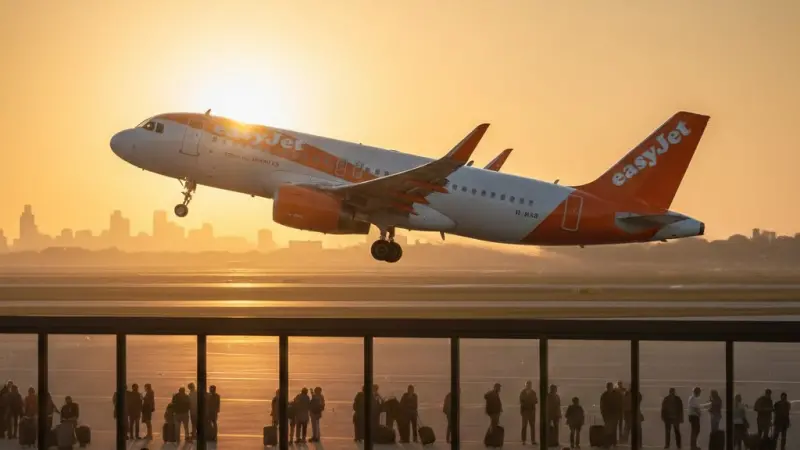
EasyJet remains the cornerstone of affordable European travel for millions of British holidaymakers and business professionals alike. Since its inception in the mid-nineties, the airline has transformed from a disruptive low-cost carrier into a sophisticated aviation giant that connects the United Kingdom to over thirty countries. To secure the best value, passengers should ideally book at least several months in advance, use the official mobile app for real-time updates, and remain flexible with midweek departure times. Understanding the nuances of their tiered fare system—Standard, Standard Plus, and FLEXI—is the primary key to avoiding unexpected costs at the airport. By prioritising early boarding and adhering strictly to cabin bag dimensions, travellers can enjoy a streamlined experience that rivals traditional flagship carriers for a fraction of the total price point.

For those seeking a quick answer, EasyJet is a leading UK-based low-cost airline operating a vast network of short-haul routes. It offers a point-to-point service model, meaning passengers pay for a base seat and can customise their journey with add-ons like allocated seating, extra luggage, and on-board catering. Success with this carrier involves checking in online via the app up to thirty days before departure and ensuring all hand luggage fits within the specific sizer units found at the terminal gates.
The Evolution of Affordable Aviation in Britain
The landscape of British travel underwent a radical shift when low-cost carriers first took to the skies from Luton. EasyJet spearheaded this movement by stripping away the unnecessary frills of traditional flying, focusing instead on efficiency and high-frequency routes. This model democratised air travel, allowing families who previously relied on coaches or ferries to explore the furthest reaches of the Mediterranean within a few hours. Today, the airline maintains a massive presence at major hubs including London Gatwick, Manchester, and Belfast International, ensuring that regional connectivity remains a top priority for the UK economy. The brand has evolved its aesthetic and service levels to appeal to a broader demographic, moving beyond the "no-frills" reputation to offer a reliable, tech-savvy alternative for the modern explorer.
Modern Fleet and Environmental Commitment
Operating one of the youngest fleets in the industry, the carrier heavily utilises Airbus A320neo aircraft. These planes are significantly quieter and more fuel-efficient than their predecessors, reflecting a shift toward sustainable aviation. By reducing carbon emissions per passenger kilometre, the airline aims to balance high-volume travel with the growing demand for corporate social responsibility in the transport sector. This technological investment also ensures fewer maintenance delays and a more comfortable cabin environment for those on longer short-haul legs, such as flights to the Canary Islands or North Africa.
Operational Efficiency Gains
The use of a single aircraft family across the entire network allows for seamless crew transitions and simplified maintenance schedules. This logistical precision is what keeps turnaround times short and ticket prices low, ensuring that the airline can maximise the number of flights per day for every individual airframe in the hangar.
Navigating the Fare and Baggage Maze
One of the most frequent hurdles for passengers is understanding exactly what is included in a standard ticket price. In recent years, the airline has refined its baggage policy to encourage more efficient boarding. A basic fare now includes one small under-seat cabin bag, which must be stowed beneath the seat in front of you. For those requiring overhead locker space, upgrading to a "Large Cabin Bag" or choosing a seat with "Up Front" or "Extra Legroom" benefits is essential. It is always significantly cheaper to purchase baggage allowance online during the booking process rather than facing the steep "gate bag" fees, which can often exceed the original cost of the flight itself. Being diligent about measurements is the single best way to avoid stress at the departure lounge.
Choosing the Right Seat for Your Journey
Seating is no longer just about where you sit; it determines your boarding priority and baggage allowance. "Extra Legroom" seats, typically located in the exit rows, provide much-needed space for taller passengers and include a large cabin bag. "Up Front" seats allow for quicker disembarkation, which is a major advantage for business travellers on tight schedules. If you are travelling as a group or family, paying for seat selection ensures you sit together, as the automated system may split parties if the flight is nearly full. For the budget-conscious, allowing the system to assign a seat for free is perfectly viable, provided you are comfortable with a middle seat near the rear of the plane.
The Advantage of Flexi Fares
For those whose plans are subject to change, the FLEXI fare offers a comprehensive package. It includes a large cabin bag, a 23kg hold bag, and the ability to change flight dates or times without paying a change fee.
This is particularly valuable for business trips where meetings might overrun or for travellers navigating uncertain schedules.
Maximising Value and Avoiding Common Mistakes
To truly master the art of low-cost flying, one must avoid the common pitfalls that lead to inflated costs. A major mistake is forgetting to check in online; while many airlines are moving toward digital-only, failing to have your boarding pass ready on your phone can lead to delays. Another frequent error is ignoring the weight limits on hold luggage. If you have purchased a 15kg or 23kg bag, ensure you weigh it at home. The airline employs strict enforcement at the "Bag Drop" desks, and excess weight charges are applied per kilo. Additionally, many travellers forget that food and drink are not complimentary on board. Packing your own snacks and bringing an empty water bottle to fill after security can save a significant amount of money during the flight.
Strategic Booking and Timing
Timing your booking is a science in itself. While the old "Tuesday afternoon" myth is largely debunked, the airline typically releases blocks of flights several times a year. Signing up for email alerts ensures you are notified the moment a new season of flights goes on sale, which is when prices are at their absolute lowest. If you are travelling during school holidays, booking a year in advance is often the only way to avoid the price surges associated with peak demand. Conversely, for off-peak travel in November or January, you can often find "city break" fares for less than the price of a standard train ticket between London and Manchester.
Utilising the Mobile App Features
The official app is a powerful tool that goes beyond just holding your boarding pass. It features a "Flight Tracker" that provides real-time updates on aircraft location and potential delays. You can also use the app to scan your cabin bag using augmented reality to ensure it meets the size requirements before you even leave for the airport.
Step by Step Guide to a Stress Free Flight
A successful journey begins twenty-four hours before you leave your house. First, confirm your transport to the airport, ensuring you allow at least two hours for short-haul departures. Second, double-check that your passport is valid for at least three to six months beyond your return date, depending on your destination's requirements. Third, perform your final check-in on the app and download the boarding pass to your digital wallet so it is accessible offline. When you arrive at the airport, head straight to the "Bag Drop" if you have hold luggage, or proceed directly to security if you are travelling with hand luggage only. Once through, keep an eye on the departure boards, as gates often close precisely thirty minutes before the scheduled take-off time.
Efficient Security and Boarding Procedures
Navigating security efficiently is about preparation. Ensure all liquids are under 100ml and placed in a single, transparent, resealable plastic bag. Remove your laptop and large electronics from your bag before reaching the tray. Once you reach the gate, pay attention to the boarding groups printed on your pass. Group A usually consists of those with "Speedy Boarding" or "FLEXI" fares. If you are in a later group, do not rush to the queue; your seat is reserved, and waiting comfortably in the lounge until your group is called reduces the time spent standing in cramped jet bridges or on stairways.
Onboard Comfort and Etiquette
Once on board, stow your small personal item under the seat in front of you immediately to leave overhead locker space for larger bags. If the cabin is full, flight attendants may ask to put some cabin bags in the hold for free; this is a great way to avoid carrying luggage through your destination airport, provided you don't need immediate access to the contents. Be mindful of reclining your seat on short flights, as space is at a premium.
The Future of Short Haul Travel in Europe
The aviation industry is currently at a crossroads, with technology and sustainability driving the next generation of travel. EasyJet has been vocal about its ambition to achieve "Net Zero" carbon emissions by 2050. This involves not just carbon offsetting, but a fundamental shift toward hydrogen-powered engines and electric taxiing systems. We are likely to see a gradual phasing out of older, noisier aircraft in favour of ultra-efficient models that make air travel more palatable to environmentally conscious consumers. Furthermore, the digital experience will continue to streamline, with biometric boarding and AI-driven customer service becoming the standard rather than the exception at major UK airports.
Expansion of Destination Networks
While traditional holiday spots like Alicante and Faro remain staples, the airline is constantly scouting new markets. We are seeing a rise in "off the beaten track" destinations in Eastern Europe and North Africa, catering to a younger generation of travellers looking for unique cultural experiences.
This expansion provides more choice for UK residents and helps distribute the economic benefits of tourism more evenly across different regions. The airline's holiday division is also growing, offering bundled flight and hotel packages that challenge the traditional dominance of high-street travel agents by providing more flexibility and competitive pricing.
The Role of Artificial Intelligence
AI is set to revolutionise how flight schedules are managed and how pricing is determined. By predicting weather patterns and air traffic congestion more accurately, airlines can reduce delays and optimise fuel consumption. For the passenger, this means more reliable schedules and potentially more personalised offers based on previous travel habits, making the process of booking a weekend getaway faster and more intuitive than ever before.
Ensuring Accessibility and Inclusion for All
Modern travel must be inclusive, and the airline has made significant strides in assisting passengers with reduced mobility or hidden disabilities. Providing advance notice of at least forty-eight hours is the best way to ensure that assistance is ready upon your arrival at the terminal. From dedicated seating to assistance with boarding and stowing wheelchairs, the goal is to make the sky accessible to everyone. The "Hidden Disabilities Sunflower" lanyard is widely recognised across the network, alerting staff that a passenger may need a little more time or a quieter space during the boarding process. This commitment to service ensures that the benefits of low-cost travel are available to the widest possible audience.
Support for Families and Young Travellers
Travelling with children can be daunting, but specific provisions make the process easier. Families are often given priority boarding after the premium groups to allow them extra time to get settled. You can also bring two items for your child free of charge, such as a travel cot, pushchair, or car seat. Most airports have dedicated family lanes at security, which are designed to handle the extra equipment and slower pace often required when travelling with toddlers. Planning ahead by pre-ordering milk or specific snacks can further reduce the stress of the journey.
Dedicated Customer Service Channels
In the event of a disruption, having access to clear information is vital. The airline has invested heavily in its social media presence and "Help Hub" to provide instant answers to common queries. While the automated "chatbots" can handle simple tasks like changing a name or adding a bag, more complex issues are escalated to human agents. Understanding your rights under UK air passenger protection regulations (UK261) is also important if your flight is significantly delayed or cancelled.
Frequently Asked Questions
What are the current hand luggage size limits for EasyJet?
Every passenger is entitled to one small cabin bag for free, which must measure no more than 45 x 36 x 20 cm including handles and wheels. This bag must fit under the seat in front of you.
If you wish to bring a large overhead cabin bag (up to 56 x 45 x 25 cm), you must book a specific seat type or pay for the allowance separately.
How early should I arrive at the airport for my flight?
For most UK airports, it is recommended to arrive at least two hours before your scheduled departure time. This allows sufficient time to navigate security, which can be unpredictable during peak periods. If you have hold luggage to drop off, aim for two and a half hours. Remember that gates usually close 30 minutes before the aircraft is due to depart.
Can I change my flight date if my plans change?
Yes, flights can be changed online via the "Manage Bookings" section. If you have a Standard fare, you will need to pay a change fee plus any difference in the ticket price. If you have a FLEXI fare, you can change your flight for free within a certain window, though a fare difference may still apply if the new flight is more expensive.
What happens if my EasyJet flight is delayed or cancelled?
If your flight is delayed by more than two hours, the airline should provide vouchers for food and drink. If it is cancelled, you are entitled to a refund or a seat on the next available flight. Depending on the reason for the delay and the length of the wait, you may also be eligible for financial compensation under UK261 regulations.
Do I need to print my boarding pass for the airport?
No, you do not need a printed copy if you have the EasyJet mobile app. Digital boarding passes are accepted at almost all airports within the network. Simply scan your phone at the security gates and the boarding gate. However, ensure your phone has plenty of battery life. If your phone dies, you may have to pay a fee to have a pass printed at the desk.

Disclaimer: The information provided in this article is for general informational and research purposes only. Company details, features, services, and market positions may change over time. Readers are advised to visit official company websites and conduct independent research before making any business decisions or purchasing services.
Most Searchable Keywords

Recent Blogs



Related Listings

Categories
- Accountants (295)
- Advertising Agencies (559)
- Architects (149)
- Automobiles (377)
- Beauty (300)
- Carpenters (146)
- Cleaning Services (386)
- Dentists (189)
- Driving (62)
- Electricians (215)
- Energy (8)
- Event Organiser (685)
- Finance (599)
- Guide (3365)
- Health (2207)
- Information technology (206)
- Legal Services (353)
- Logistics (6)
- Maintenance (65)
- Manufacturing (35)

Sponsored Listings in Locksmith Services


Related Blogs

Gen Z Political Reporters and News Creators i...
Read this insightful article "Gen Z Political Reporters and News Creators in the UK" to expand your knowledge!

Famous Female Social Media Influencers Across...
Read this insightful article "Famous Female Social Media Influencers Across the UK" to expand your knowledge!

Your UK Sponsor Licence 2026 Step by Step Gui...
Read this insightful article "Your UK Sponsor Licence 2026 Step by Step Guide" to expand your knowledge!
Questions & Answers – Find What
You Need, Instantly!
How can I update my business listing?
Is it free to manage my business listing?
How long does it take for my updates to reflect?
Why is it important to keep my listing updated?
