
Ryanair: Navigating the Low-Cost Revolution in British Aviation
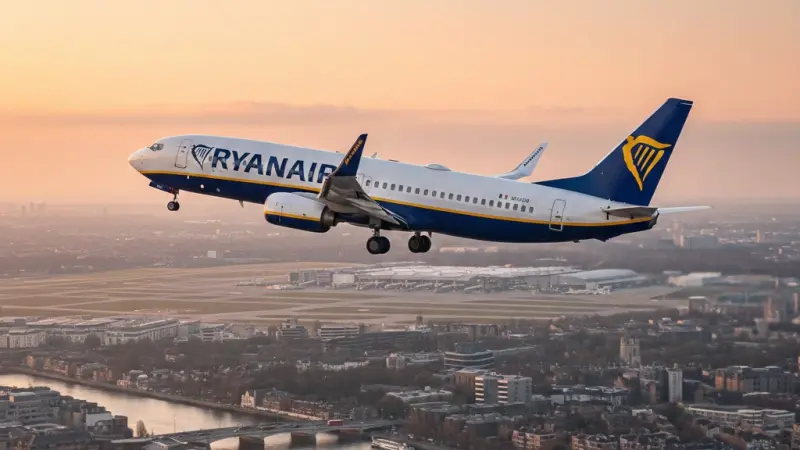
Ryanair stands as the undisputed titan of low-cost aviation across the United Kingdom and Europe, fundamentally altering how British travellers perceive distance and cost. By offering fares that often cost less than a taxi ride to the airport, the airline has democratised the skies, making weekend breaks in Rome or business trips to Dublin accessible to millions. At its core, Ryanair operates on a high-frequency, point-to-point model that bypasses expensive primary hubs in favour of secondary airports. This efficiency allows the carrier to maintain a dominant market share despite fierce competition. For the modern passenger, the airline represents a functional, no-frills gateway to over forty countries, prioritising punctuality and price over traditional luxury. Understanding the nuances of their operational logic is the key to mastering budget travel without incurring unexpected costs. Whether flying from London Stansted or Manchester, the experience is defined by digital integration and a strict adherence to a business model that rewards prepared travellers while penalising those who overlook the fine print.
The Evolution of Budget Flight Logistics
The trajectory of low-cost flying in Britain shifted permanently when the industry moved away from the traditional flag-carrier model. Originally a small regional operator, the airline reinvented itself by mirroring the success of American budget carriers, focusing on cost-containment and rapid turnaround times. This shift meant that aircraft spent more time in the air and less time on the tarmac, maximizing revenue per seat. In the UK, this prompted the growth of regional hubs, revitalising airports that were previously underutilised and bringing economic booms to surrounding local areas.
Streamlining the Operational Core
By standardising its fleet, primarily using the Boeing seven three seven, the company significantly reduced maintenance costs and training requirements for crew. This uniformity is a cornerstone of their financial stability, allowing for bulk purchasing of parts and predictable fuel consumption patterns. Every second saved during boarding or cleaning translates directly into lower fares for the end consumer, creating a virtuous cycle of efficiency.
Technical Fleet Advantages
Modern engines and aerodynamic winglets have further reduced the carbon footprint per passenger. These technical enhancements are essential for meeting evolving environmental standards while keeping operational overheads at a minimum during periods of high fuel volatility.
Strategic Booking and Fare Structures
Navigating the pricing tiers requires a tactical approach, as the headline fare is merely the starting point of a customisable journey. The airline utilises sophisticated dynamic pricing algorithms that respond to demand in real-time, meaning early booking is almost always the most effective way to secure a bargain. For UK passengers, understanding the difference between Value, Regular, and Plus tiers is vital for avoiding the "drip-pricing" effect where total costs escalate during the checkout process.
Mastering the Digital Check In Process
The transition to a digital-first platform means that the mobile application is now the central hub for the entire travel experience. Failing to use the app for check-in can result in significant administrative fees at the airport terminal. By pushing the administrative burden onto the passenger, the carrier reduces the need for large ground-staff teams, further depressing the base ticket price.
Avoiding Hidden Financial Pitfalls
Common errors often involve currency conversion or optional insurance packages that may be redundant if the traveller already holds independent cover. Careful attention to every tick-box during the booking flow ensures that the final price remains truly competitive.
Baggage Policies and Spatial Management
Baggage remains the most contentious aspect of the budget flying experience, yet it is a primary driver of the airline’s ancillary revenue. The policy is designed to encourage light travel, which speeds up the boarding process and reduces the weight of the aircraft. For the British traveller, this means measuring hand luggage with precision, as even a few centimetres of deviation can lead to a gate-checked bag fee that exceeds the original flight cost.
The Science of Cabin Space
Priority boarding has become a popular work-around for those wishing to keep their bags with them. This system creates a tiered entry process that, while sometimes chaotic, ensures that overhead bins are utilised to their maximum capacity.
It is a logistical puzzle where every centimetre of the cabin is accounted for in the broader revenue model.
Optimising Personal Item Dimensions
Selecting a soft-sided backpack that can compress into the sizer is a professional traveller’s secret. This ensures compliance with the free small bag rule while allowing for a surprising amount of clothing and essentials to be carried on board.
Regional Connectivity and Airport Choices
One of the greatest strengths of the network is the breadth of its UK regional coverage. By flying from airports like East Midlands, Leeds Bradford, and Prestwick, the airline provides direct links to Europe that would otherwise require a long trek to London. These secondary airports often have lower landing fees, which are passed on as savings, though passengers must account for the potentially higher cost of onward ground transport to their final destination.
The Importance of Secondary Hubs
Airports like Beauvais for Paris or Hahn for Frankfurt are classic examples of the secondary hub strategy. While these locations are further from the city centre, they offer faster processing times through security and immigration. For the savvy traveller, the extra hour on a bus is a fair trade for a ticket that costs sixty percent less than a flight to a primary international airport.
Transport Links and Hidden Costs
It is essential to research the cost of airport transfers before committing to a flight. Sometimes the savings on the airfare are mitigated by a forty-pound coach ticket, making a slightly more expensive flight to a central airport the more logical financial choice.
Customer Experience and In Flight Services
The on-board experience is designed to be functional rather than indulgent. With non-reclining seats and the removal of seat-back pockets, the cabin is built for durability and quick cleaning. This "hard-product" approach is what allows for the rapid turnaround times that keep the airline profitable. While the lack of traditional comforts is often criticised, it remains the standard trade-off for the lowest prices in the industry.
The Ancillary Revenue Model
From scratchcards to snacks, the in-flight service is a mobile marketplace. For many passengers, the constant sales pitch is a minor distraction, but for the airline, it represents a significant portion of its profit margin. Understanding that the flight is essentially a bus service helps set the correct expectations for the level of service provided.
Managing Expectations on Board
Bringing your own entertainment and food is the best way to ensure comfort. Since there are no charging ports or Wi-Fi on most of the fleet, pre-downloading maps and movies is a necessary step in your pre-flight preparation.
Common Mistakes to Avoid
The most frequent errors made by travellers usually involve documentation and timing. Arriving at the gate after the scheduled closing time—even if the plane is still there—will result in a denied boarding. The airline operates with military precision regarding its slots, and the staff have very little discretion to waive rules for latecomers. Similarly, forgetting to print a visa check or having an invalid ID for the destination can end a trip before it begins.
Verification Requirements for Non UK Citizens
Non-EU/EEA passengers must often have their boarding passes stamped at a document check desk. This is a step frequently missed by those used to flying domestic routes.
Missing this simple administrative requirement can lead to being turned away at the security gate, causing unnecessary stress and potential loss of the flight.
The Cost of Last Minute Changes
Name changes or flight date adjustments can be prohibitively expensive. In many cases, it is actually cheaper to book an entirely new flight than to amend an existing one. Checking the spelling of names against passports during the booking phase is a simple but vital task.
Step by Step Guide to a Seamless Journey
Achieving a stress-free trip involves a specific sequence of actions starting weeks before departure. First, use a price comparison tool to identify the cheapest days to fly, then book directly through the official website to avoid third-party markups and communication gaps. Once booked, mark the check-in window in your calendar to ensure you access the free random seat allocation as soon as it opens.
Preparing Your Travel Documents
Ensure your passport has the required validity for your destination, typically three to six months. Download the airline app and save your boarding pass to your digital wallet to ensure it is accessible even without an internet connection at the airport. This removes the reliance on paper and physical desks.
Navigating the Airport Terminal
Aim to arrive at the airport at least two hours before departure. Even with hand luggage only, security queues in the UK can be unpredictable. By reaching the gate early, you can secure a spot near the front of the queue, increasing your chances of finding space for your bag in the overhead lockers.
Future Outlook for Low Cost Aviation
The future of the airline is focused on sustainability and further digital automation. Investments in "Gamechanger" aircraft, which offer more seats and lower fuel burn, are set to keep prices competitive even as environmental taxes increase. We are likely to see even more biometric integration at airports, further reducing the need for human interaction during the boarding process.
Environmental Challenges and Innovation
The aviation industry is under pressure to decarbonise, and the carrier is responding by investing in sustainable aviation fuel and more efficient flight paths. For the passenger, this might mean a future of "green" levies included in the ticket price, but the core promise of low-cost travel is expected to remain intact for the next decade.
The Expansion of Mediterranean Hubs
New bases in North Africa and Eastern Europe suggest a network that will continue to grow beyond traditional holiday spots.
As the airline expands, the UK remains its most vital market, serving as the bridge between the Atlantic and the European continent.
Frequently Asked Questions
What is the best time to book a flight for the lowest price?
For the best value, you should aim to book your tickets approximately six to eight weeks in advance of your departure date. Prices tend to rise sharply in the final fortnight before a flight as the remaining seats are filled by last-minute business travellers. Flying mid-week, particularly on Tuesdays and Wednesdays, often yields significantly lower fares compared to peak weekend slots.
How strict is the airline regarding hand luggage dimensions?
The airline is famously rigorous regarding baggage sizes. Ground staff frequently use metal sizers at the boarding gate to check compliance. If your bag does not fit comfortably into the sizer, you will be required to pay a gate-check fee, which is often much higher than the cost of pre-booking a bag online. Always measure your luggage including wheels and handles before leaving home.
Can I get a refund if I need to cancel my flight?
Generally, tickets are non-refundable if you choose not to travel. However, if the airline cancels the flight or the delay exceeds five hours, you are entitled to a full refund under UK and EU law. If you cannot travel for personal reasons, you may be able to claim back the government tax, though an administrative fee often makes this process financially redundant for cheaper tickets.
Do I need to print my boarding pass if I have the app?
In the vast majority of UK and European airports, a digital boarding pass on your smartphone is perfectly acceptable. However, certain airports outside of the EU, such as those in Morocco or Turkey, may still require a physical paper copy. It is always best to check the specific airport requirements on the airline's website or app forty-eight hours before you are scheduled to fly.
What happens if I miss the check in deadline?
The online check-in window typically closes two hours before the scheduled departure time. If you miss this window, you will be forced to check in at the airport desk, which carries a substantial fee, currently around fifty-five pounds per person. To avoid this, it is highly recommended to check in as soon as the window opens, usually twenty-four to forty-eight hours before your flight.
Disclaimer: The information provided in this article is for general informational and research purposes only. Company details, features, services, and market positions may change over time. Readers are advised to visit official company websites and conduct independent research before making any business decisions or purchasing services.
Most Searchable Keywords
Recent Blogs


Related Listings
Categories
- Accountants (295)
- Advertising Agencies (559)
- Architects (149)
- Automobiles (377)
- Beauty (300)
- Carpenters (146)
- Cleaning Services (387)
- Dentists (189)
- Driving (62)
- Electricians (215)
- Energy (8)
- Event Organiser (686)
- Finance (602)
- Guide (3372)
- Health (2207)
- Information technology (206)
- Legal Services (353)
- Logistics (6)
- Maintenance (65)
- Manufacturing (35)
Sponsored Listings in Travel Agencies


Related Blogs

How Much Do UK Actors Really Earn Full Indust...
Read this insightful article "How Much Do UK Actors Really Earn Full Industry Breakdown" to expand your knowledge!

Blue Light Card UK 2026 Check Eligibility and...
Read this insightful article "Blue Light Card UK 2026 Check Eligibility and Claim" to expand your knowledge!

BBC Radio 1 DJs Net Worth Ranking Revealed
Read this insightful article "BBC Radio 1 DJs Net Worth Ranking Revealed" to expand your knowledge!
Questions & Answers – Find What
You Need, Instantly!
How can I update my business listing?
Is it free to manage my business listing?
How long does it take for my updates to reflect?
Why is it important to keep my listing updated?
