
Microsoft Announces 6000 Job Cuts Worldwide
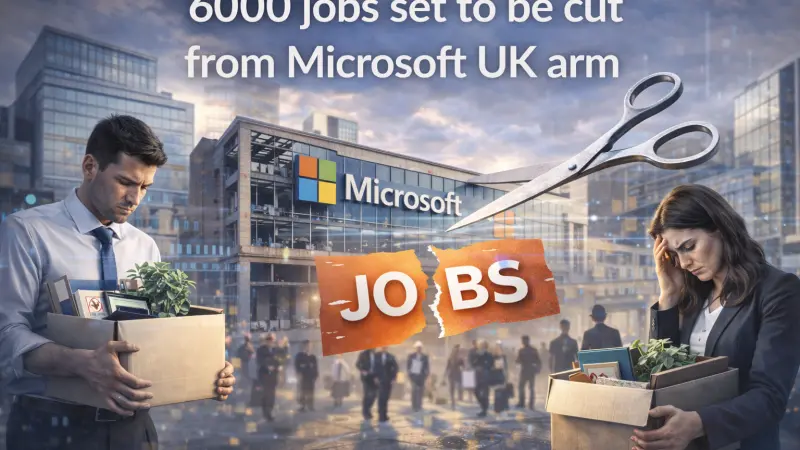
The technology sector continues to face major shifts, and one of the most notable headlines in recent months is the announcement that around 6,000 jobs are set to be cut from Microsoft’s UK operations and globally as part of a broader restructuring effort. These cuts are part of a wider trend of workforce reductions among big tech companies as they balance investments in new technologies like artificial intelligence with cost efficiency.
While job cuts at major corporations are not new, the number and pace of these layoffs have drawn attention due to Microsoft’s size and influence in the global tech industry. This has implications not only for employees and the UK tech job market but also for how the industry is evolving in response to economic pressures and technological change.
Why Microsoft Is Cutting Jobs
Microsoft’s planned reduction of around 6,000 jobs — amounting to roughly 3% of its global workforce — is part of a wider organisational shift as the company realigns its priorities. The primary reason cited is cost management and streamlining operations while continuing heavy investment into artificial intelligence and cloud computing infrastructure.
Microsoft has emphasised that these layoffs are not performance related but are intended to flatten its management structure and improve long-term efficiency. The company continues to invest billions into AI and data centre expansion even as it adjusts its workforce.
Scope of the Job Cuts
The cuts are set to affect employees across various teams and geographic locations, including roles in Microsoft’s cloud services and other major business divisions. Some job losses have already been confirmed in software engineering and product roles, with additional reductions in management and support areas.
Although specific figures for the UK arm have been widely referenced in reporting, the total of 6,000 jobs is a global total — meaning the UK will be part of the impact alongside other regions. Microsoft has not published a breakdown by country, but UK tech industry observers have highlighted the expected significant effects locally.
Context Within Tech Industry Layoffs
Microsoft’s job cuts are not occurring in isolation. The wider tech sector has seen tens of thousands of job losses over recent years as companies reassess their business models amid macroeconomic shifts.
Other major firms such as Amazon, Google, and Meta have also reduced staff numbers in their bids to control costs and adapt to changing demand.
Restructuring in the technology industry is being influenced by the rapid growth of AI, which is reshaping the kinds of skills and roles that companies require. As automation and AI-driven tools improve efficiency, firms are reallocating resources — sometimes at the expense of existing roles.
Impact on the UK Job Market
The announcement of job cuts at Microsoft has significant implications for the UK job market, particularly within the tech sector. Many roles at Microsoft UK are in areas such as cloud engineering, business development, and support functions. Cuts in these areas can reverberate across the sector, affecting talent pipelines and reducing hiring competition in some fields.
For workers in affected areas, job losses can create immediate financial pressure, though severance packages and outplacement support are often provided by large employers. However, the broader concern for the UK economy is whether continued tech industry restructuring may slow job creation or reduce opportunities for highly skilled workers in future.
Reactions From Industry and Employees
Employees and industry commentators have expressed mixed reactions to the job cuts. Some point out that workforce reductions are part of broader global trends, while others highlight potential risks of losing experienced talent that contributes to innovation.
There's also a conversation about the demographic impact, with some reporting anxiety among workers over 40 who feel particularly vulnerable in the current climate of layoffs and restructuring.
What This Means for Microsoft’s Strategy
Microsoft’s layoff plan reflects a broader strategic shift as the company continues to prioritise its leadership in cloud computing and AI — areas seen as central to future growth. Cutting jobs in less strategic areas is part of rebalancing the workforce toward these core priorities.
The focus on efficiency and technological investment may support longer-term competitiveness, but
the near-term human and economic impacts are clear.
The decision to cut around 6,000 jobs at Microsoft, including roles within its UK arm, underscores broader changes in the tech industry as companies adapt to evolving strategies, economic pressures, and the rapid rise of artificial intelligence technology.
While these layoffs reflect a focus on efficiency and future-focused growth, they also highlight challenges in the global job market and raise questions about how tech employment will evolve in the years ahead.
For individuals and businesses alike, staying informed about these trends is vital for planning career moves, investment decisions, and understanding the direction of the tech sector.
FAQs
1 Are the 6000 job cuts at Microsoft specific to the UK No, the 6,000 job cuts refer to global layoffs announced by Microsoft; the UK arm will be affected but specific figures by country are not published.
2 Why is Microsoft cutting jobs in 2025 The cuts are part of broader cost-cutting and restructuring as the company invests heavily in AI and streamlines operations.
3 What percentage of Microsoft’s workforce is being cut Around 3% of the global workforce is set to be reduced.
4 Which sectors of Microsoft are most affected Roles across multiple divisions including cloud services and engineering are impacted.
5 Are these layoffs performance related Microsoft says they are organisational and strategic, not performance-based.
6 What does this mean for the UK tech job market It could reduce available opportunities and influence talent demand in the sector.
7 Will Microsoft hire in future growth areas The company is focusing hiring around cloud and AI roles.
8 How are workers usually supported after layoffs Large companies often offer severance packages and career support services.
9 Do other tech companies also cut jobs Yes multiple major tech firms have announced layoffs in recent years.
10 Is this the first round of layoffs at Microsoft No; previous cuts have occurred earlier, including reductions this year.
11 Could more layoffs follow Some reports suggest potential further restructuring in divisions like gaming.
12 Does this affect Microsoft’s business performance The company continues to report strong revenue growth in areas like cloud computing.
13 Are software engineers affected Yes, some software and cloud engineering roles are reported to be impacted.
14 What is driving tech layoffs globally Industry shifts toward AI and cost optimisation are major factors.
15 How should displaced workers respond Upskilling in growth areas like AI, cloud, and data could support new opportunities.
Disclaimer: The information provided in this article is for general informational and research purposes only. Company details, features, services, and market positions may change over time. Readers are advised to visit official company websites and conduct independent research before making any business decisions or purchasing services.
Most Searchable Keywords
Recent Blogs


Related Listings

Categories
- Accountants (295)
- Advertising Agencies (559)
- Architects (149)
- Automobiles (377)
- Beauty (300)
- Carpenters (146)
- Cleaning Services (387)
- Dentists (189)
- Driving (62)
- Electricians (215)
- Energy (8)
- Event Organiser (686)
- Finance (602)
- Guide (3376)
- Health (2207)
- Information technology (206)
- Legal Services (356)
- Logistics (6)
- Maintenance (65)
- Manufacturing (35)
Sponsored Listings in Travel Agencies


Related Blogs

Sexual Harassment Rules Tighten Across UK Fro...
Read this insightful article "Sexual Harassment Rules Tighten Across UK From October 2026" to expand your knowledge!

Employment Tribunal Claim Deadline Extends Fr...
Read this insightful article "Employment Tribunal Claim Deadline Extends From October 2026" to expand your knowledge!

Rainy Day Activities in Cheltenham Hidden Gem...
Read this insightful article "Rainy Day Activities in Cheltenham Hidden Gems for 2026" to expand your knowledge!
Questions & Answers – Find What
You Need, Instantly!
How can I update my business listing?
Is it free to manage my business listing?
How long does it take for my updates to reflect?
Why is it important to keep my listing updated?
